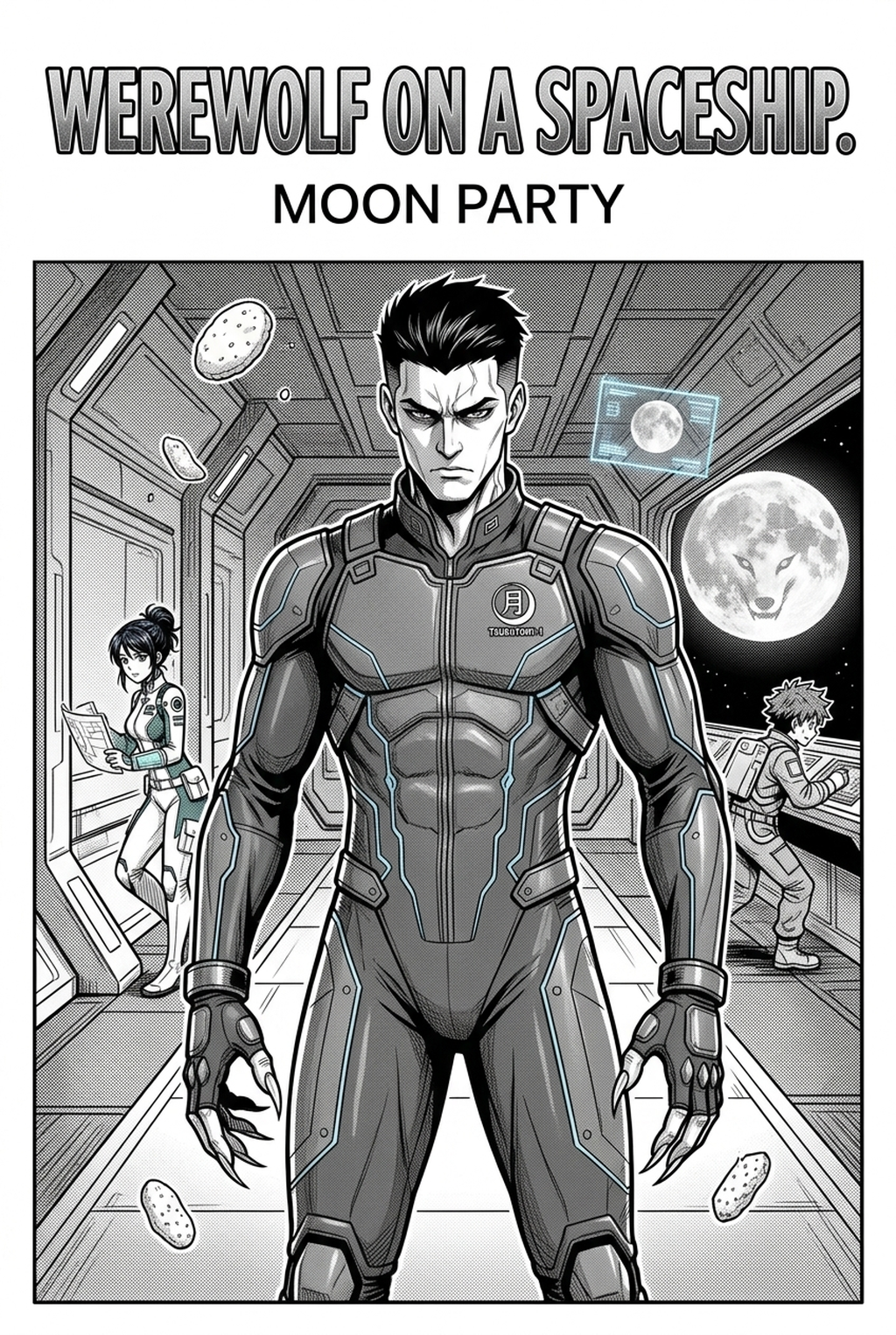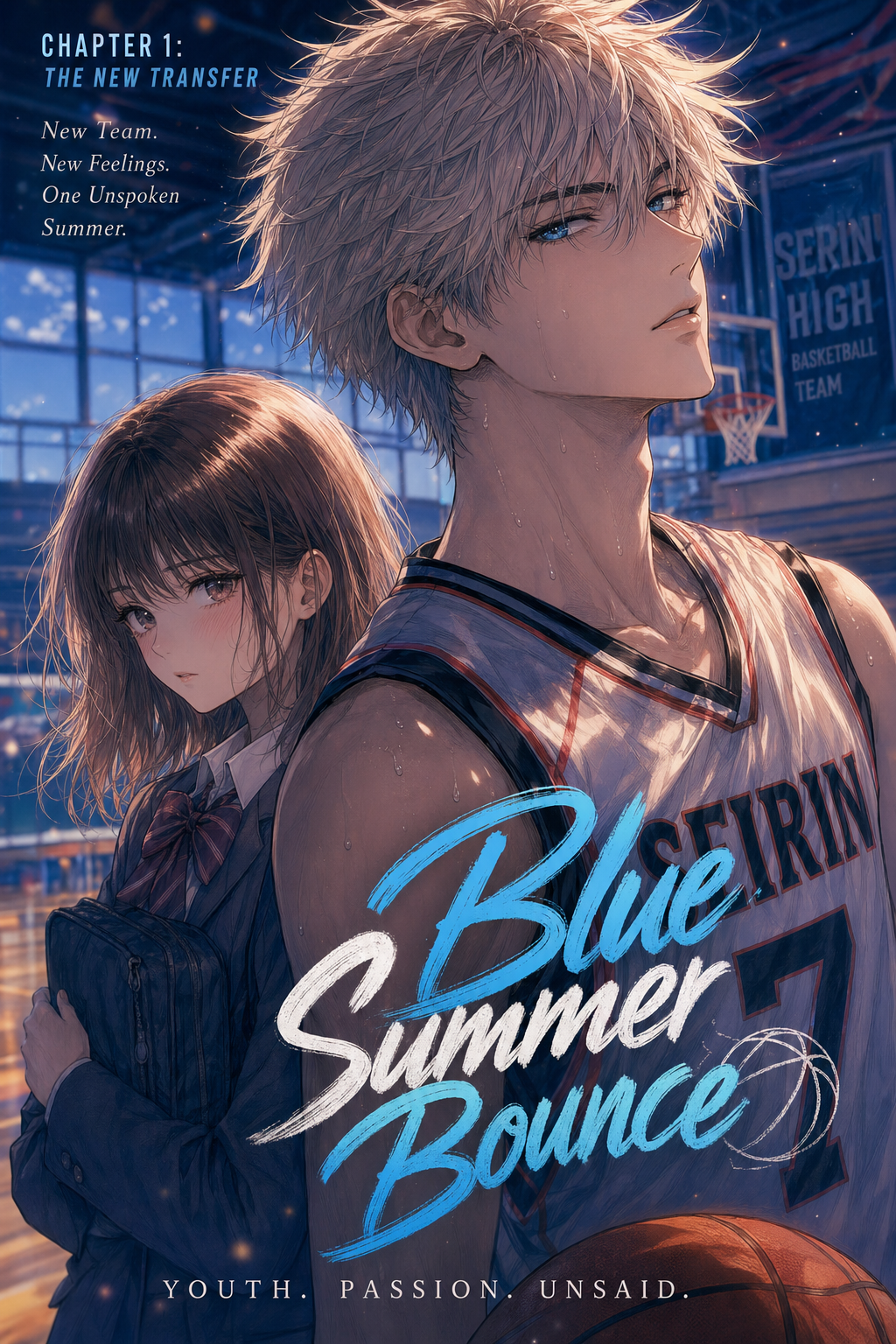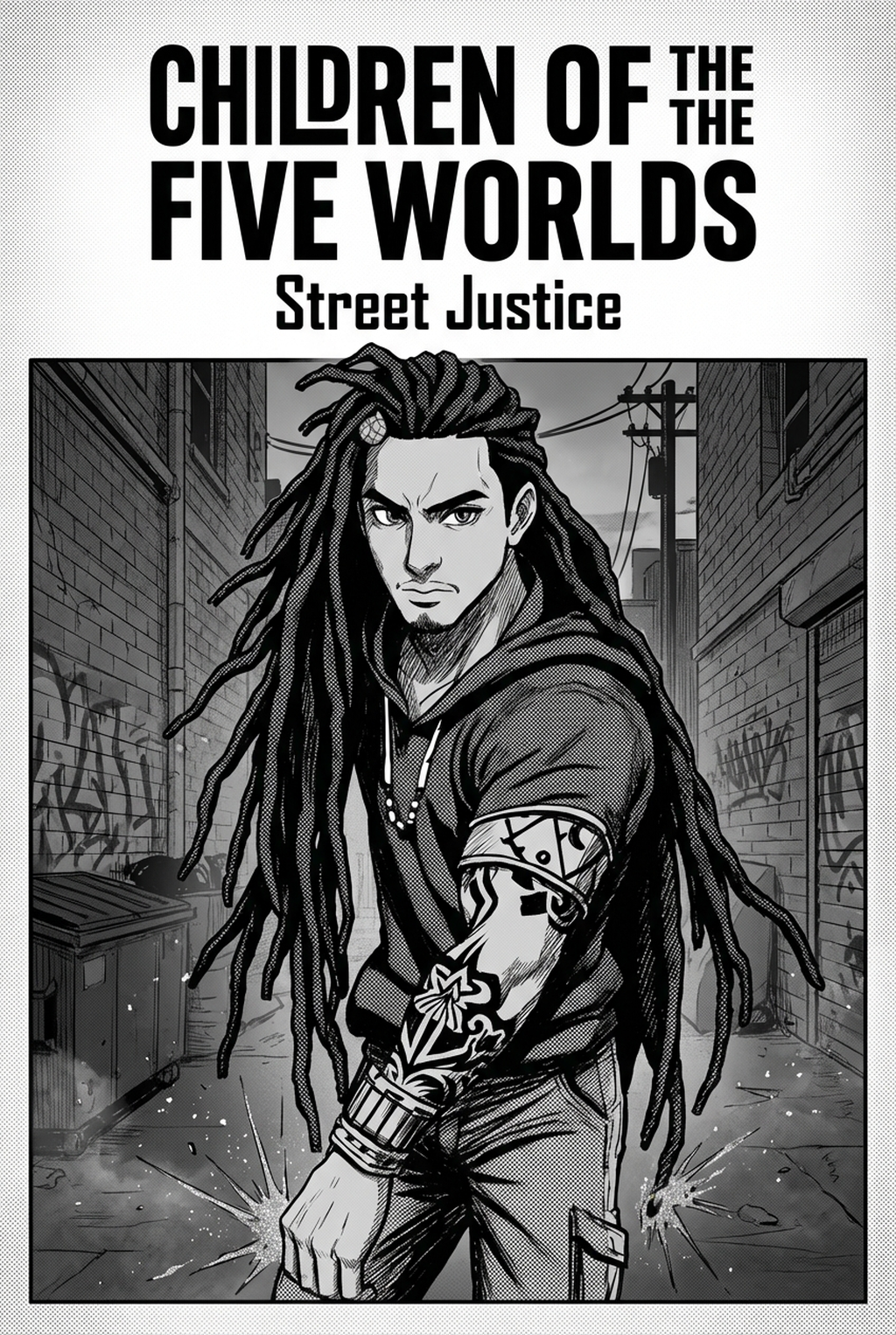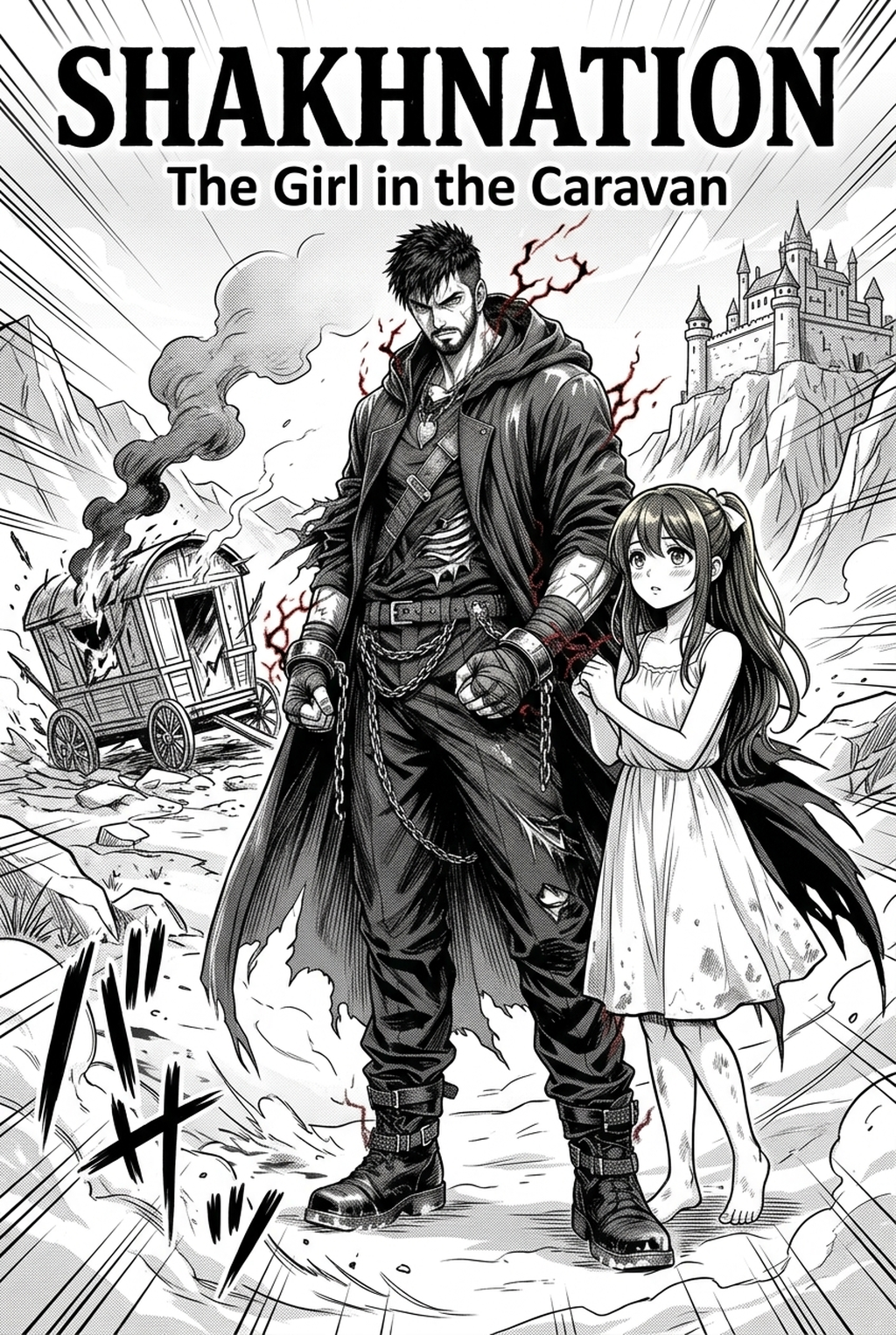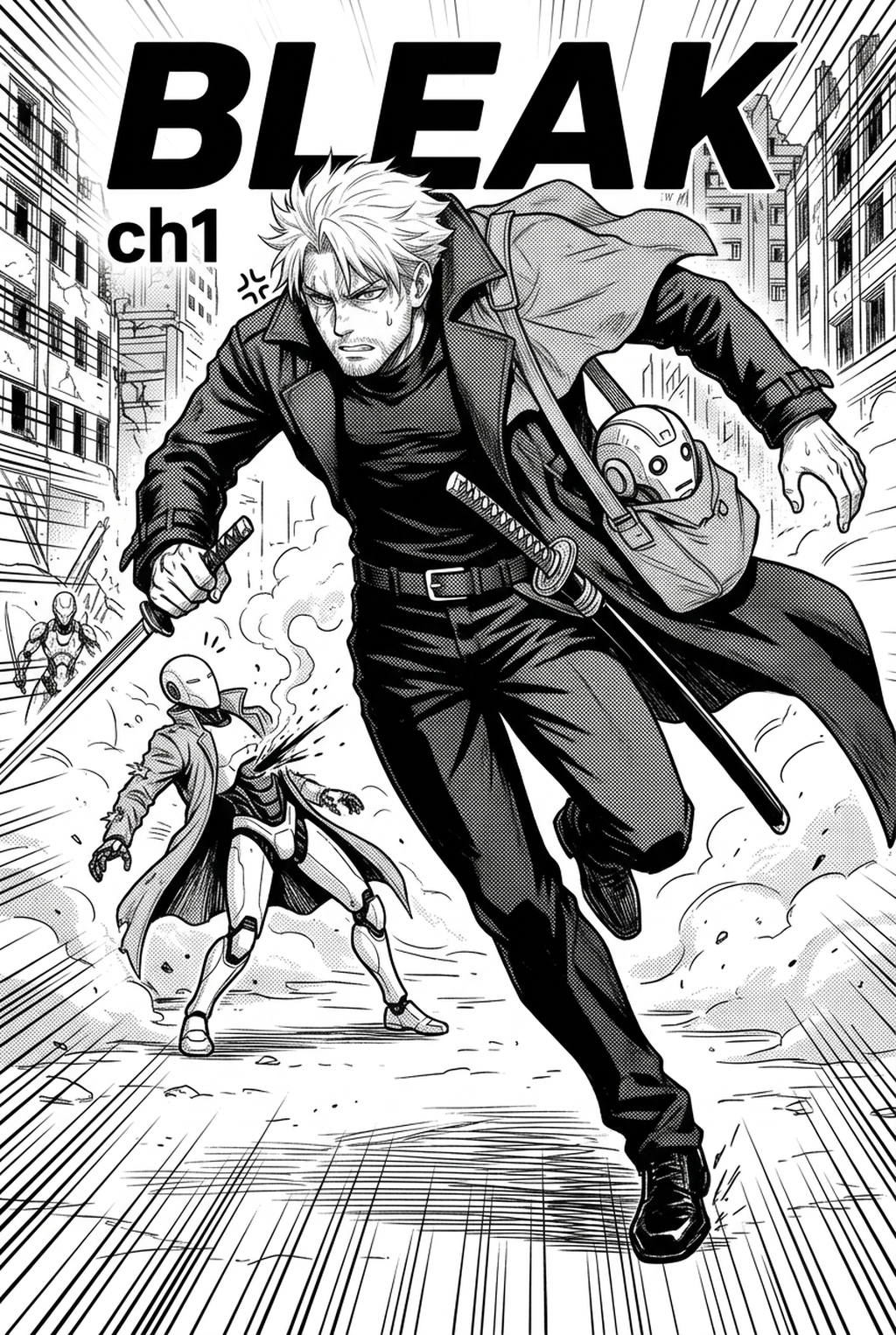
Understanding the Storyboard Concept
A manga storyboard acts as the low-fidelity architectural blueprint for your script, stripping away the aesthetic distractions of ink and tone to focus entirely on composition. By emphasizing camera angles and framing, you define the "delivery format" of your story, ensuring visual information is consumed in the exact sequence you intend.
This phase is not about finding the perfect shadow depth or screen-tone texture; it is about establishing the invisible narrative force that keeps a reader turning from page 4 to page 5. Without this visual planning, you are essentially drawing blind, likely leading to a rework of entire chapters when proportions fail to align during the final inking stage.
Why Narrative Planning Matters for Artists
Thoughtful planning serves as the essential "source context" for your final art, acting as a safeguard against the high-effort revisions that plague unfinished projects. When you map out your layouts in advance, you dictate the "visual weight" of each page, preventing crowded frames from burying important character moments or kinetic action sequences.
This structural discipline creates the difference between stagnant, static imagery and combat scenes that vibrate with tension. By treating your layout as a rigid map for movement, you guide the reader's eye across the page with purpose rather than leaving them to wander through a mess of cluttered panels.
- Minimized Inking Errors: Early layout validation prevents the need for manual resizing of line art once the ink is already applied to the paper. * Narrative Pacing: Intentional use of large "splash" pages followed by tight, fast-paced grids controls the speed at which your reader consumes the scene. * Visual Continuity: Establishing frame boundaries early ensures that the eye-line of your characters remains consistent even when switching between distant and close-up angles.
How Mangaka Drives Structural Efficiency
The Mangaka platform automates the tedious panel arrangement process by interpreting your script into a logical, readable draft. Instead of spending hours calculating gutter space or alignment, you rely on the AI to generate a structural wireframe that prioritizes narrative rhythm and balance, allowing you to move from text creative brief to canvas in minutes.
Modern AI integration offers a significant speed advantage by allowing for near-instant iteration of "camera positioning" and frame geometry. This rapid feedback loop enables you to view multiple narrative perspectives without re-drawing the entire scene, effectively killing the "execution anxiety" that stops many creators at the blank page.
- Automated Framing: The tool generates wireframes that automatically adjust panel sizes to match the intensity of the scene description. * Rapid Perspective Shifts: Adjusting the camera focus in the software allows you to see if a close-up or a wide-angle shot delivers more emotional weight to a specific character reveal. * Reduced Friction: Because the structure is already locked into a digital template, the transition to final line art is significantly more predictable and less error-prone.
Strategic Use Cases for Layout Design
Mastering the Z-pattern" is critical for managing the tension and release cycle common in Seinen-style narratives. You must alternate between wide establishing shots that ground the reader in the environment and tight, character-focused close-ups that emphasize raw emotional shifts or internal monologue.
Directional vectors—such as the line of a character's gaze or the angle of a sword swing—are your most powerful tools for maintaining flow across the gutter. If the gaze of a character on the bottom-right of page 10 doesn't lead the reader toward the top-left of page 11, the narrative tension effectively resets, causing the reader to lose interest.
| Feature | Manual Sketching | Mangaka Planning |
|---|---|---|
| Panel Alignment | Manual ruler work | Automatic grid snap |
| Perspective | Hand-drawn guides | AI-assisted framing |
| Export Format | Raster-based layers | Scalable vector paths |
Starting Your Workflow with Mangaka
Mangaka automates the heavy lifting by mapping your written scene descriptions into a logical "layout draft" that handles panel sizing and placement automatically. Users can refine the output by adjusting the review owner settings, ensuring the AI-generated frame matches the specific tone of their script without requiring a complete manual redesign of the page.
By generating a digital storyboard first at manga storyboard with Mangaka , you create a "master template" that ensures character consistency across every subsequent page of your manga. This foundation acts as your North Star, ensuring that even as the action gets complex, the visual language remains uniform and easy for your audience to follow.
- Review and Iterate: After the initial layout, adjust specific frames to highlight key dialogue or character movement. * Consistency Check: Use the layout draft as an overlay during your inking phase to ensure that your line weights and character proportions don't deviate from the established plan. * Preparation for Export: Finalize your panels in the desired export format, such as high-resolution PNG or PSD, to ensure they meet standard print or digital requirements.
Creators should compare the generated line art with the original sketch and confirm that facial expressions, props, speed lines, and speech-bubble space still support the scene. This keeps the review focused on story intent, line weight, panel readability, and the export quality behind the final AI Manga Storyboard Builder output.
The Bottom Line
Effective storyboarding remains the primary foundation of every successful series, providing the structural integrity needed for compelling visual storytelling that resonates with readers. Using modern tools to streamline this planning phase allows artists to prioritize creative expression over tedious, repetitive technical logistics. Whether you are a solo artist or part of a studio, prioritizing the planning phase ensures your final work is cohesive, readable, and ready for publication. Start your next project by manga storyboard and see how quickly your vision takes shape.
Related articles
Manga Storyboard: Mastering Narrative Pacing and Flow 2026
Manga Storyboard Techniques: Mastering Narrative Flow 2026
Manga Storyboard Guide: From Rough Sketches to Layout 2026