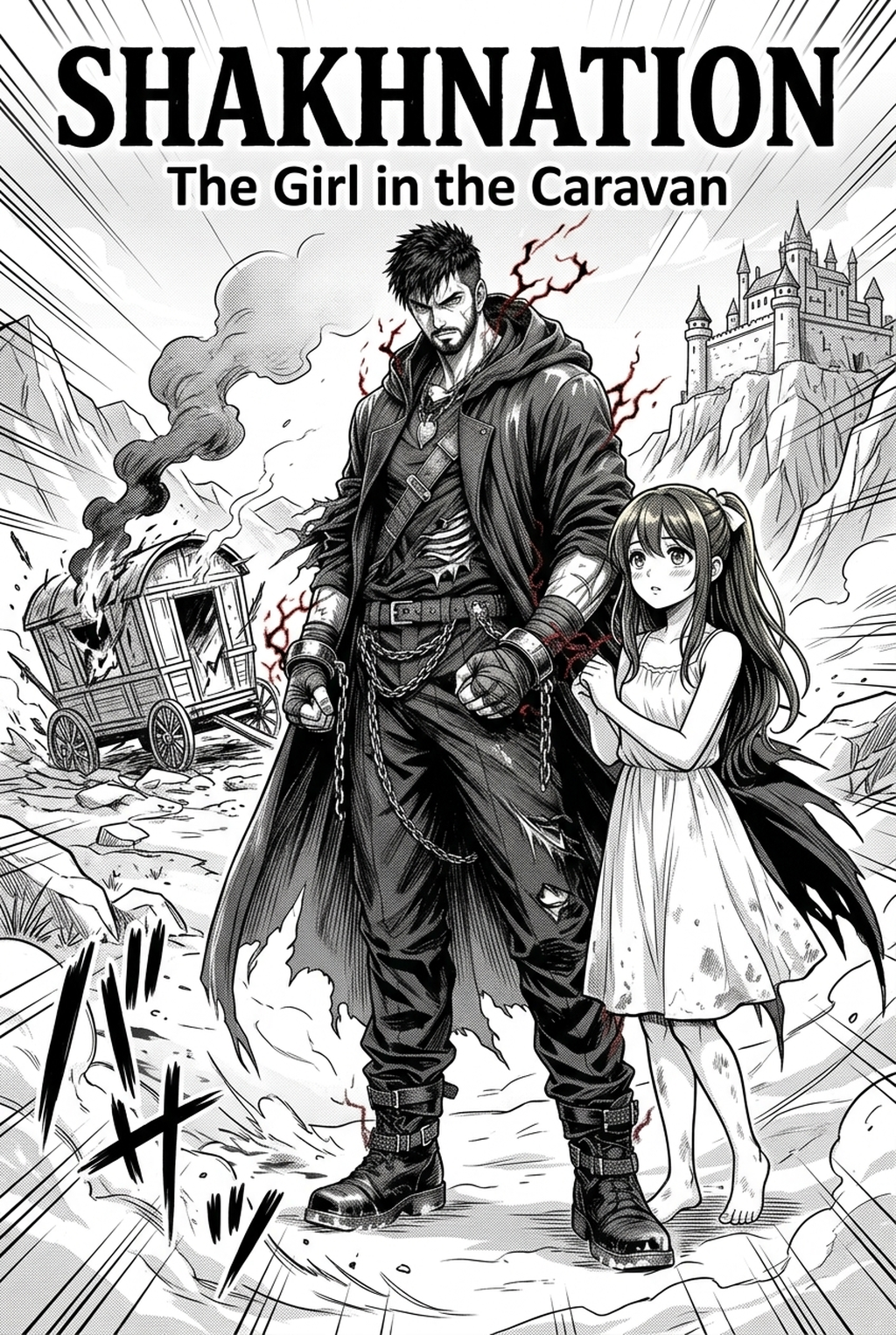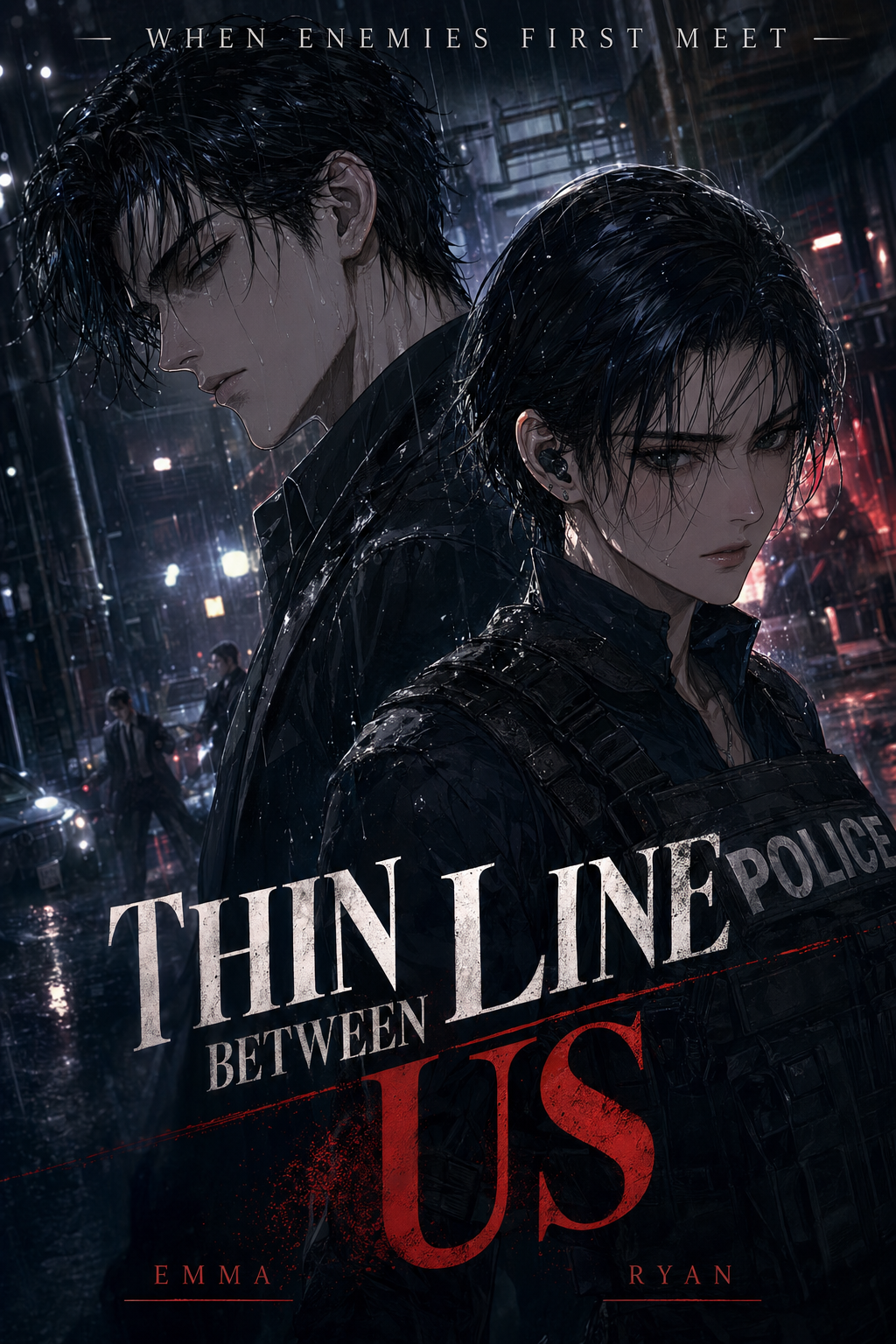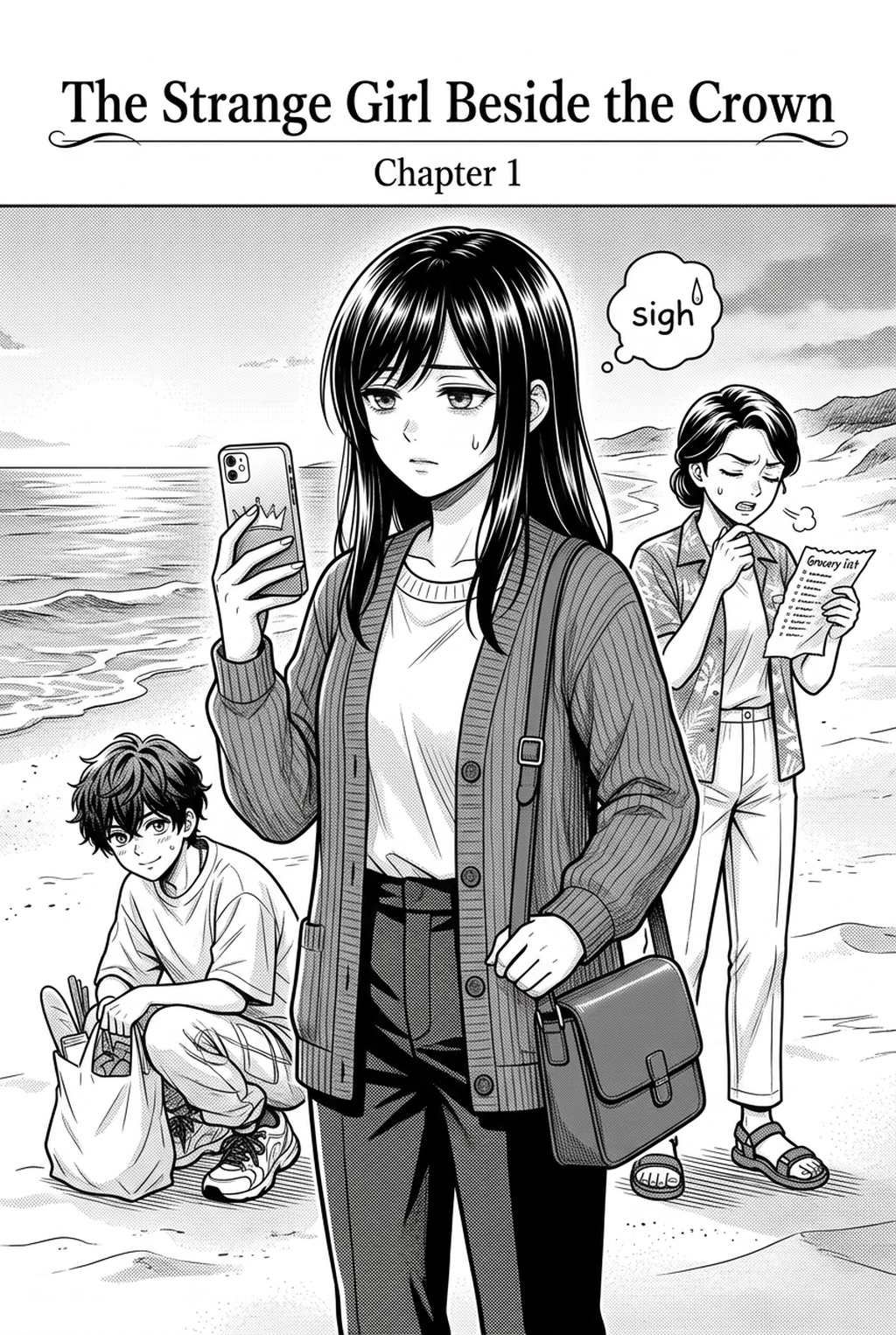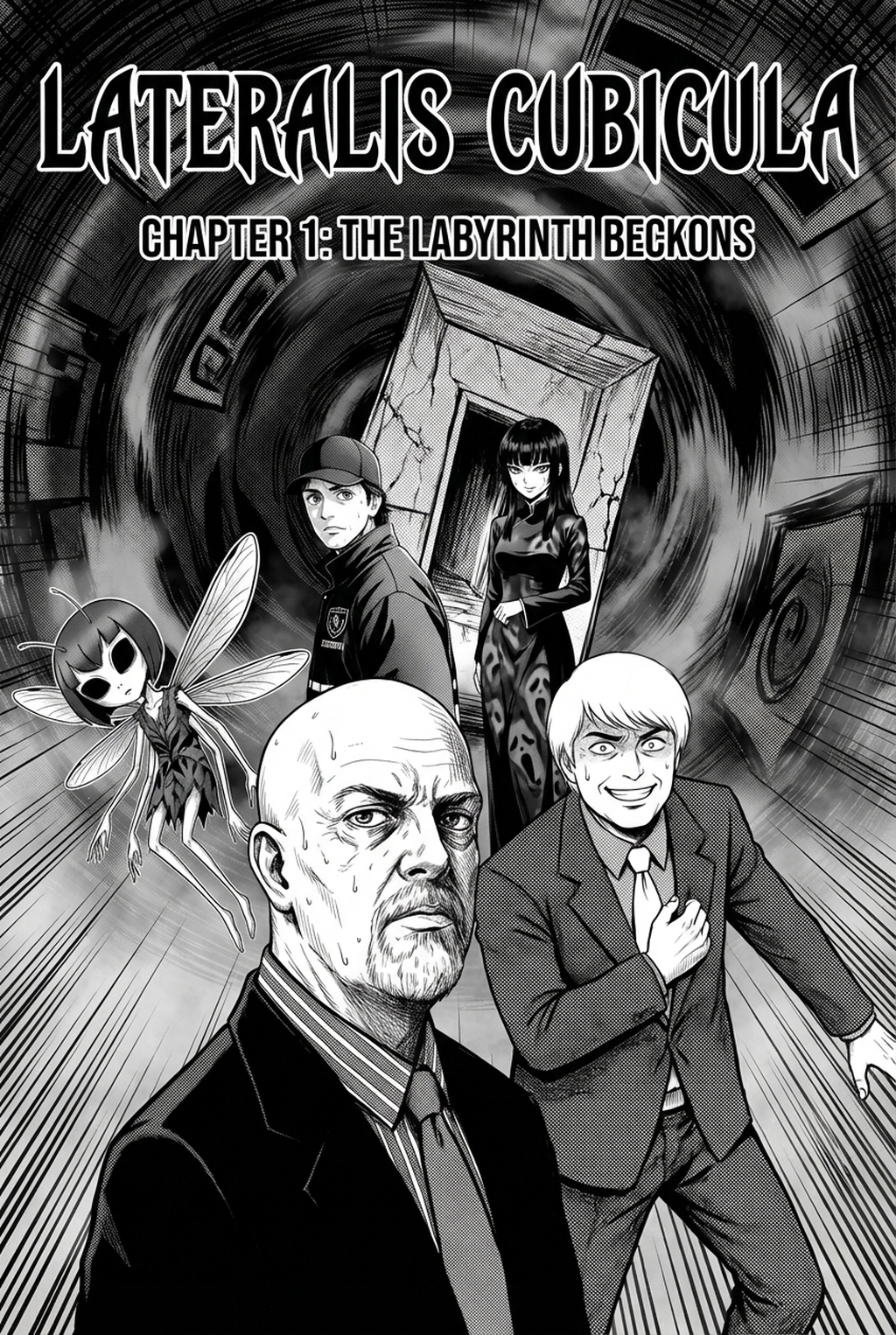
Defining the Structure of a AI Manga Storyboard Builder
A manga storyboard acts as the foundational skeleton of your chapter, functioning as a blueprint that translates raw script pages into a sequence of deliberate visual beats. By mapping out panel shapes and gutter widths, you determine the reading speed of the audience, intentionally accelerating action or forcing a slow, contemplative pause at the climax of a scene.
- Logical eye paths: Effective layouts guide the reader from the top-right corner to the bottom-left through purposeful gutter spacing and varied panel sizing. * Cinematic rhythm: Balancing tight close-up panels with wide, sweeping establishing shots creates a cinematic visual experience that distinguishes high-quality manga from static illustrations. * Shape variation: Using non-traditional panel angles or border breaks adds a sense of urgency to fight scenes, whereas consistent, vertical rectangular panels often denote stable, dialogue-heavy sequences.
Why Planning Layouts Aids the Creation Process
Investing time in a structured planning phase stops you from falling into the trap of 'ink-and-color' errors that necessitate complete page redrawing. When you resolve your composition issues during the wireframe phase, you remove the guesswork from your inking workflow, allowing you to focus on the high-level artistry rather than fixing geometry.
- Decoupled artistic labor: Separating the structural planning phase from the fine-detail illustration stage significantly reduces the cognitive load during the production cycle. * Text-visual balance: Mapping dialogue volume against available visual space during the planning stage prevents the common error of having text blocks overwhelm your character designs. * Consistency checkpoints: Planning your layouts early acts as a safeguard against character-proportion drift, ensuring that the visual center of each page remains grounded and consistent throughout the chapter.
Workflow Integration with Mangaka
AI AI Manga Storyboard Builder workflow Builder workflow with Mangaka removes the manual burden of geometric panel arrangement by applying complex composition rules to your script inputs automatically. Instead of drawing dozens of rough sketches to find the right pacing for a scene, you can generate professional placeholder structures that instantly respect the right-to-left reading flow. Iterative Design for Dramatic Impact.
- Instant structural variety: Experiment with massive, page-spanning 'splash pages' or tightly packed action sequences without committing to manual pencil sketches. * Industry-standard geometry: By snapping your panel edges to a golden ratio, you ensure that every page maintains a professional look, regardless of the complexity of the art inside the frames. * Efficient flow control: The tool enables you to adjust the weight of a panel instantly, ensuring that pivotal action moments receive the visual emphasis required for maximum narrative impact.
- Chapter cadence. Use the AI pass for pages where speed matters most, such as repeated action poses, transformation beats, or dense speed-line panels. Keep manual cleanup for hero panels where the line style defines the emotional peak.
- Character continuity. Compare the generated lines against the same model sheet, costume notes, and facial-expression range used during sketching. This prevents a fast inking pass from drifting away from the character identity readers recognize.
- Export readiness. Check whether the final manga output can move into lettering, coloring, or final layout without rebuilding panel borders or speech-bubble space. A good manga workflow should save time while keeping the next production step predictable.
Avoiding Common Layout Mistakes
The most common failure in manga production is the 'cluttered gutter' trap, where uniform panel spacing creates a flat, monotonous visual experience that ignores the need for dramatic weight. When you neglect the reader's line of sight, you force the audience to backtrack, effectively breaking the 'nagare' (flow) that is essential to maintaining reader engagement across a volume.
- Dialogue bleed: Failing to account for speech-bubble placement early in the process often results in the best parts of your art being obscured by text, forcing messy erasures. * Flat pacing: When panels are the same size throughout a page, the reader loses the sense of 'time' passing, making the manga feel rushed or overly compressed. * Misaligned grids: A lack of grid-based planning results in sloppy border lines that undermine the professional appearance of your finished ink work, even if the individual panels are drawn with high technical skill.
Initial Steps for Layout Optimization
Begin by identifying the 'action point' of your page, which is the singular event that dictates the emotional shift of the scene, and place it in the most visually weighted quadrant. Once you have set this focal point, use AI-driven tools to anchor your remaining panels around that weight, creating a natural trajectory for the reader's eye to follow.
- Mobile-first review: Always export your layout as a low-resolution manga storyboard to check the sequence on a mobile device, simulating how most digital readers will consume your work.
- Structural integrity checks: Confirm that your gutter gaps are sufficient to prevent the art in neighboring panels from bleeding into one another during high-action sequences.
- Volume testing: View the pages in a spread format to ensure that the visual density remains consistent across the transition from one page to the next.
Creators should compare the generated line art with the original sketch and confirm that facial expressions, props, speed lines, and speech-bubble space still support the scene. A repeatable review pass should cover character consistency, panel readability, background clarity, and whether the final file is ready for coloring, lettering, or editor feedback.
Creators should save approved examples of line weight, face detail, clothing folds, and background density. Those references keep later chapters closer to the intended style. For collaboration, creators should mark which panels are final and which panels still need redraws. Clear status labels prevent an assistant, editor, or colorist from polishing the wrong version.
The Bottom Line
Effective storyboarding is the most critical skill for transforming a rough, episodic script into a cohesive, professional manga chapter that respects the reader's pace. By leveraging AI-powered layout tools to manage structural geometry, you can replicate high-end studio standards while maintaining complete creative control over your work. Start your next chapter with manga storyboard to ensure your story flows with the precision of a published title.
Related articles
Mastering Manga Background Art: A Guide for Indie Creators
Manga Storyboard Guide: Master Your Narrative Flow in 2026
Manga Storyboard Techniques: Mastering Narrative Pacing 2026