The Architecture of AI Manga Storyboard Builder Concepts
A manga storyboard acts as the primary bridge between your raw script and the final, high-resolution pages you send to print or digital readers. It is not meant to be a finished illustration; rather, it is a low-fidelity map of your chapter’s pacing, scene composition, and emotional beats. By defining the hierarchy of your panels early, you ensure that high-impact moments, such as a major Shonen power-up, occupy the visual weight they deserve.
Effective pacing controls the speed at which your reader consumes your work, dictating how they process intense action versus quiet dialogue. The reader’s eye should naturally travel from the top-right corner to the bottom-left through a consistent zig-zag motion. If your layout interrupts this flow with improperly aligned panel borders, you risk breaking the immersive quality of your story.
- Panel Hierarchy: Distinguish between 'establishing shots' that set the scene and 'action panels' that drive the plot forward. * Speech Bubble Placement: Treat text as an active part of the composition to ensure it doesn't block key facial expressions or character silhouettes. * Ma (Negative Space): Incorporate the 'space between moments' to allow readers to process emotional gravity, a hallmark of high-quality Seinen narratives. * Border Manipulation: Utilize 'spill-over' panels that break the border to signify speed and kinetic energy during battle sequences.
Why Storyboarding Matters for Professional Creators
The primary risk of skipping the storyboard phase is 'compositional drift,' where your page layout loses its visual cohesion midway through the rendering process. In professional manga production, the storyboard serves as the review document for editors to verify that your scene composition effectively communicates the intended tone before you invest hundreds of hours into line art and shading.
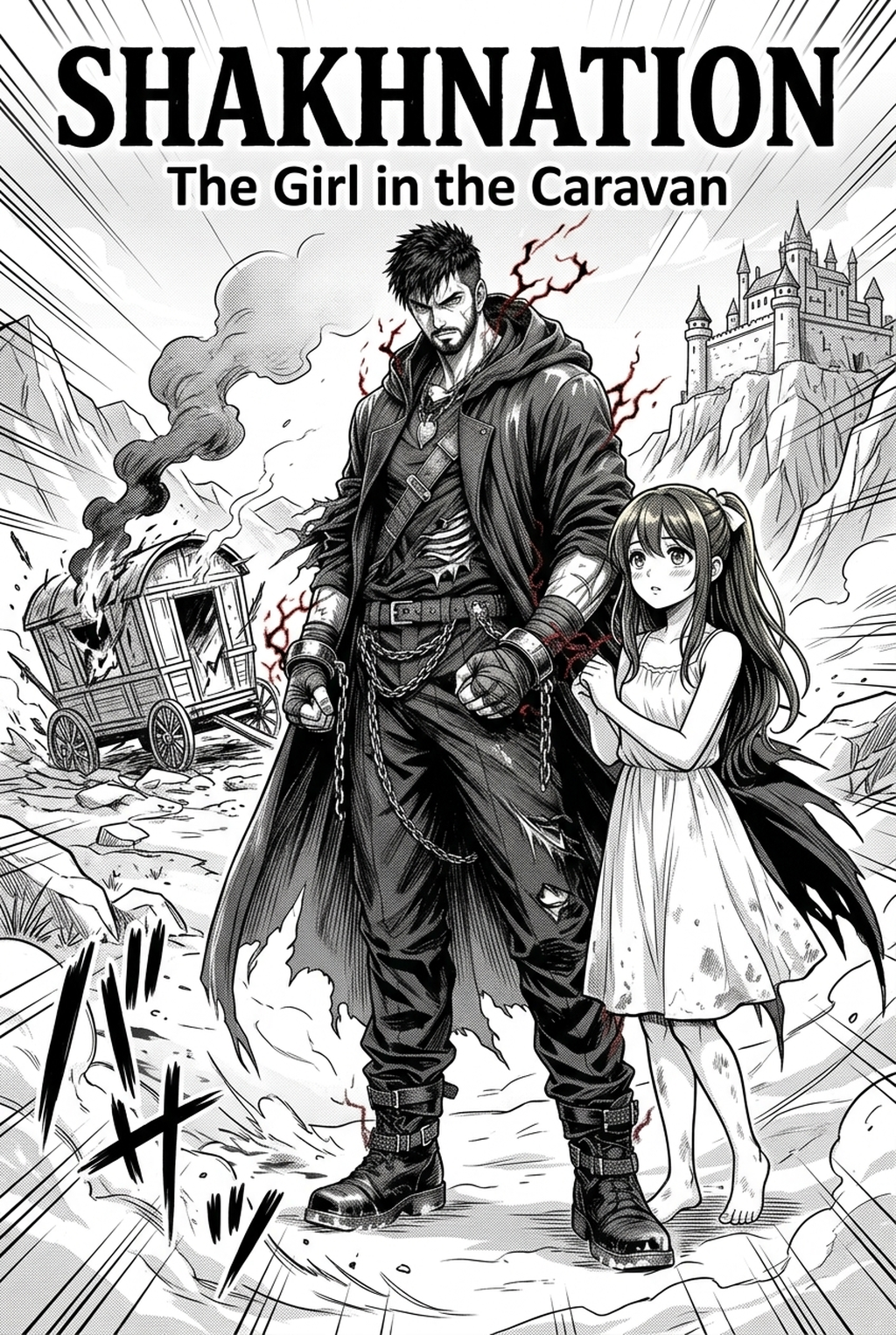
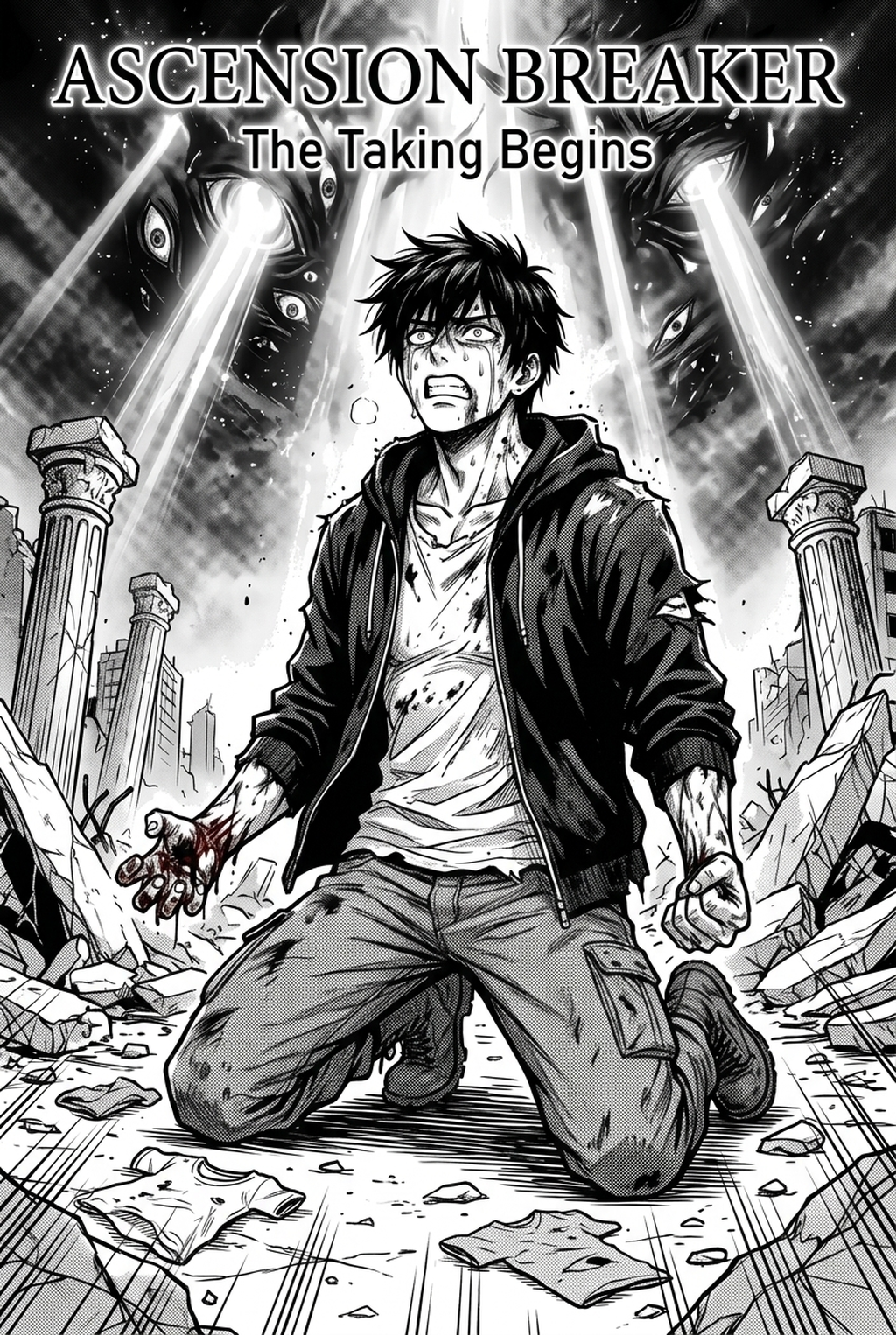
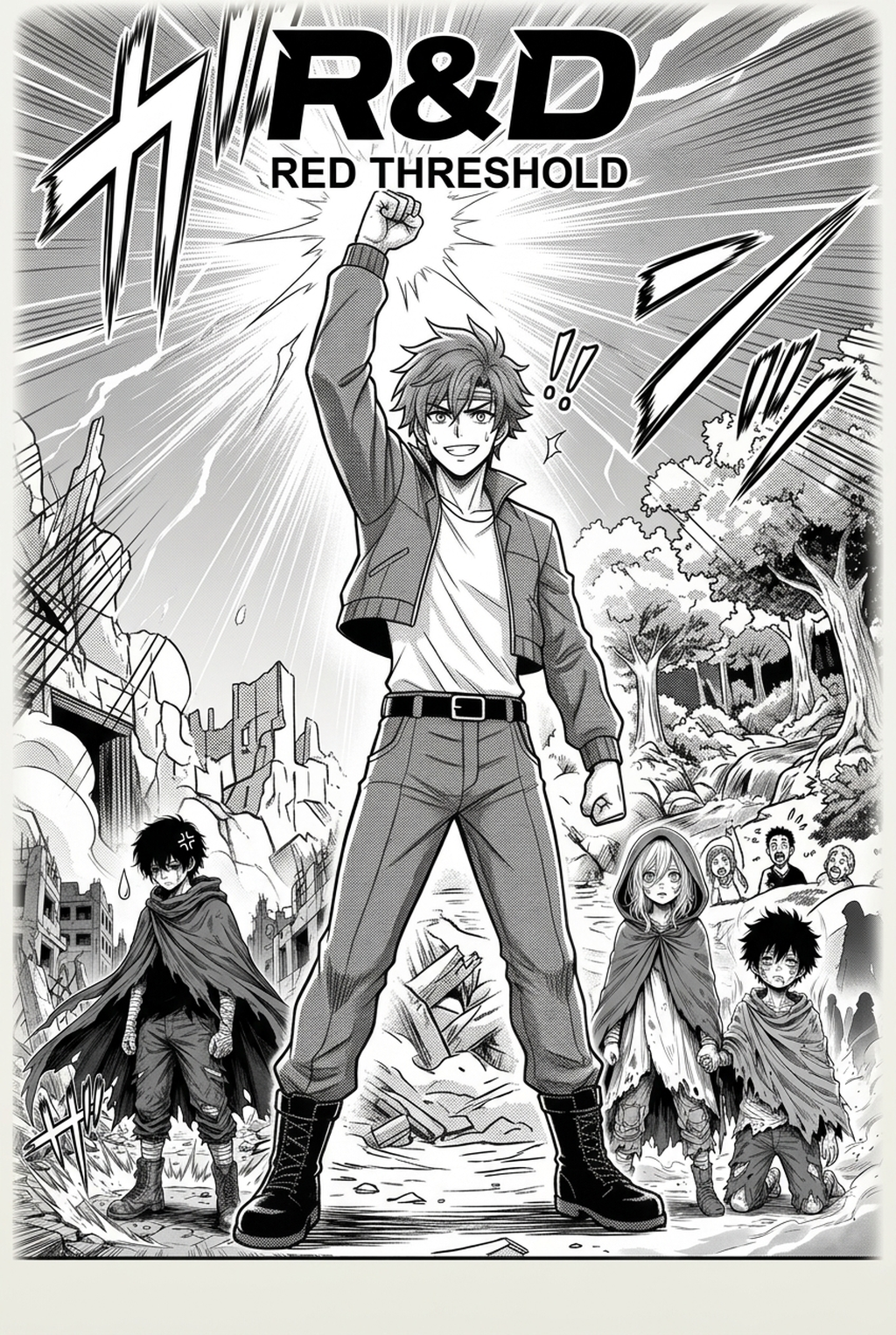
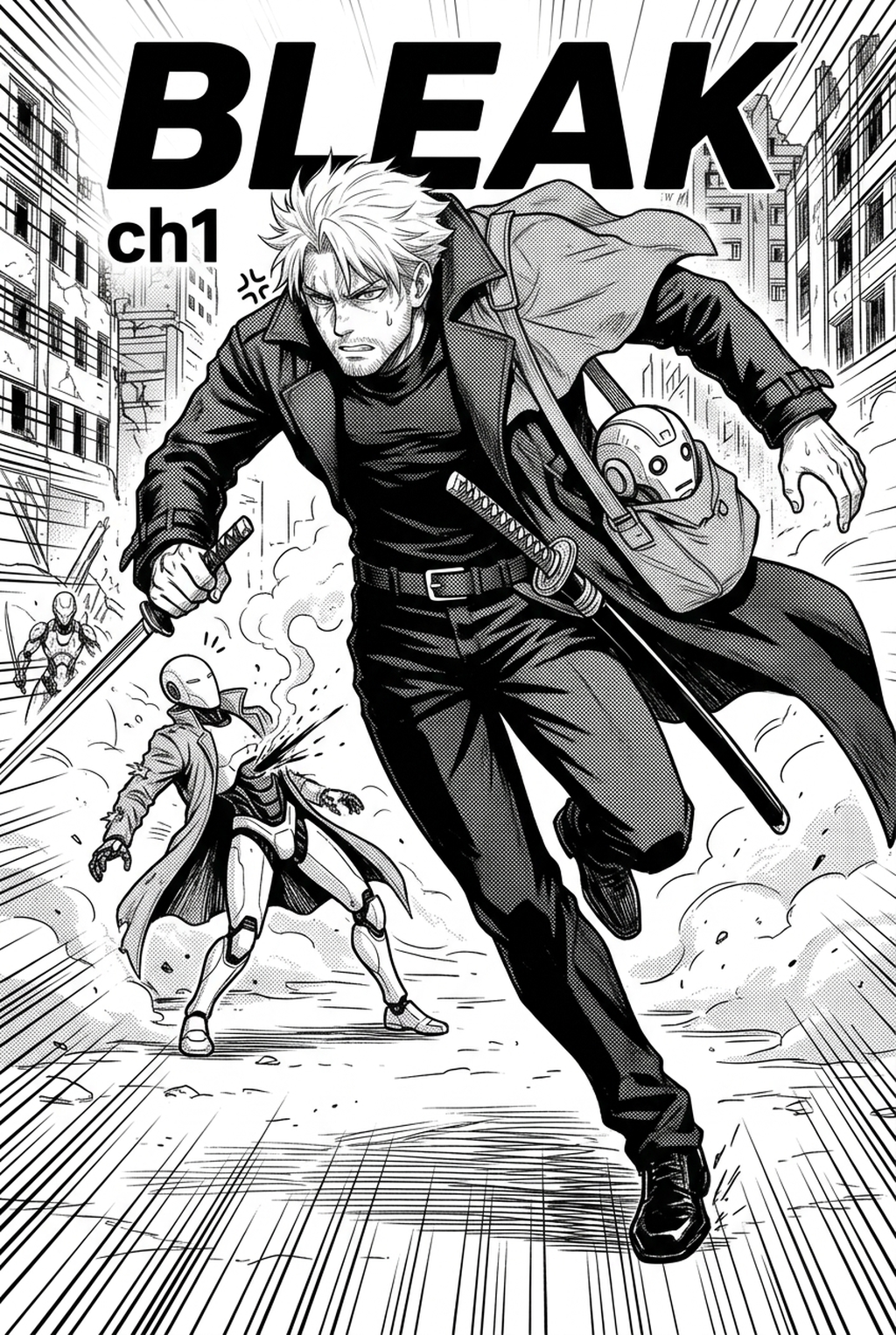
Different manga genres require distinct storyboard strategies to hit their target emotional notes. Shonen artists often focus on 'spill-over' designs that defy traditional grid boundaries to amplify the impact of combat. Conversely, Seinen creators prioritize psychological depth, utilizing significant negative space and tighter, more intimate framing to establish a lingering sense of atmosphere.
The most time-consuming aspect of manual storyboarding is moving panels after the rough sketches are already complete. If you decide to change a plot point, you might spend hours resizing every frame and re-anchoring speech bubbles to maintain the original narrative intent. Digital tools remove this friction by allowing for instant rearrangement of the entire page sequence, preserving your creative energy for the actual drawing phase.
Managing Storyboards with Mangaka
AI AI Manga Storyboard Builder workflow Builder workflow with Mangaka assists creators by auto-arranging panels for narrative flow based on the key story beats you input, essentially building the structural skeleton of your page in seconds. By letting an AI builder handle the spatial logistics of your panel layouts, you avoid the common manual revision loops that plague the pre-production stage.
When you utilize an AI storyboard builder, you define your narrative arcs before detailing characters or backgrounds. The system evaluates the optimal placement of panels to ensure your visual hierarchy remains intact. Because the tool operates on a digital canvas, it ensures that your exported page format—whether for standard A4 manga or vertical-scroll digital publishing—always respects the required safety margins and bleed areas.
A significant pain point for many artists is maintaining character consistency across a sequence of dozens of panels. By using manga storyboard to visualize your spatial relationships early, you can verify that your character framing remains logically consistent throughout the page, preventing the need for tedious manual cleanup during the final coloring or toning phase.
Optimal Use Cases for Narrative Layouts
A successful page layout relies on the active balance between visual hierarchy and readability. Consider how the following elements influence the final output: This keeps the review focused on story intent, line weight, panel readability, and the export quality behind the final AI Manga Storyboard Builder output.
- Visual Hierarchy: Enlarge your most vital narrative panels significantly, using smaller transition panels to bridge the gap between plot shifts. * Speech Bubble Integration: Plan your bubble placement at the storyboard phase to avoid covering critical dialogue or essential character details. * Flow Tracking: Ensure that your diagonal composition keeps the reader moving forward, checking that no panel corner creates a 'dead end' for the eye.
Initializing Your Project
Begin your creative process by mapping out the key story beats of your script into discrete, numbered panels. Do not focus on line weight or artistic detail at this stage; instead, focus on the spatial footprint of each panel on the page. Use the Mangaka builder to test different configurations, adjusting the arrangement until the visual tempo matches the emotional intensity of your dialogue. Finally, review your source script against your storyboard sequence to confirm that all required plot points are visually represented before moving to the inking phase. Before export, creators should compare the generated line art with the original sketch and confirm that facial expressions, props, speed lines, and speech-bubble space still support the scene.
The Bottom Line
The creator workflow acts as the essential backbone of your project, successfully bridging the gap between your written script and the finalized, high-quality digital page. By prioritizing structural flow through tools like the manga storyboard , you ensure your story remains coherent, engaging, and ready for industry-standard publication. Consistent application of these professional layout principles will fundamentally transform your rough ideas into polished, high-impact manga sequences.
Related articles
How to Build a Science Club Manga Storyboard Successfully
What Is 4-Koma Manga? A Guide to the 4-Panel Storytelling
Fantasy Science Manga Storyboard: A Visual Narrative Guide