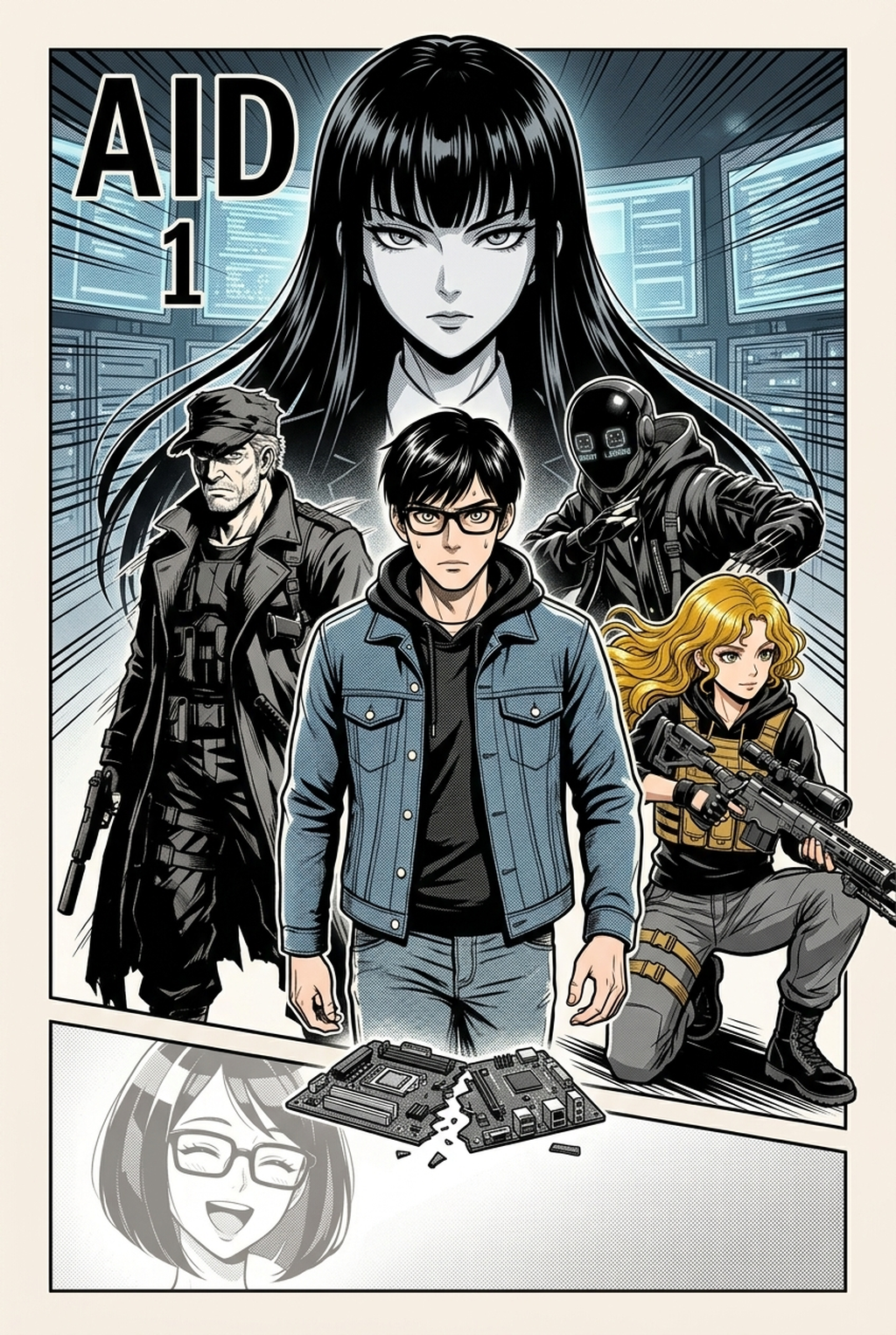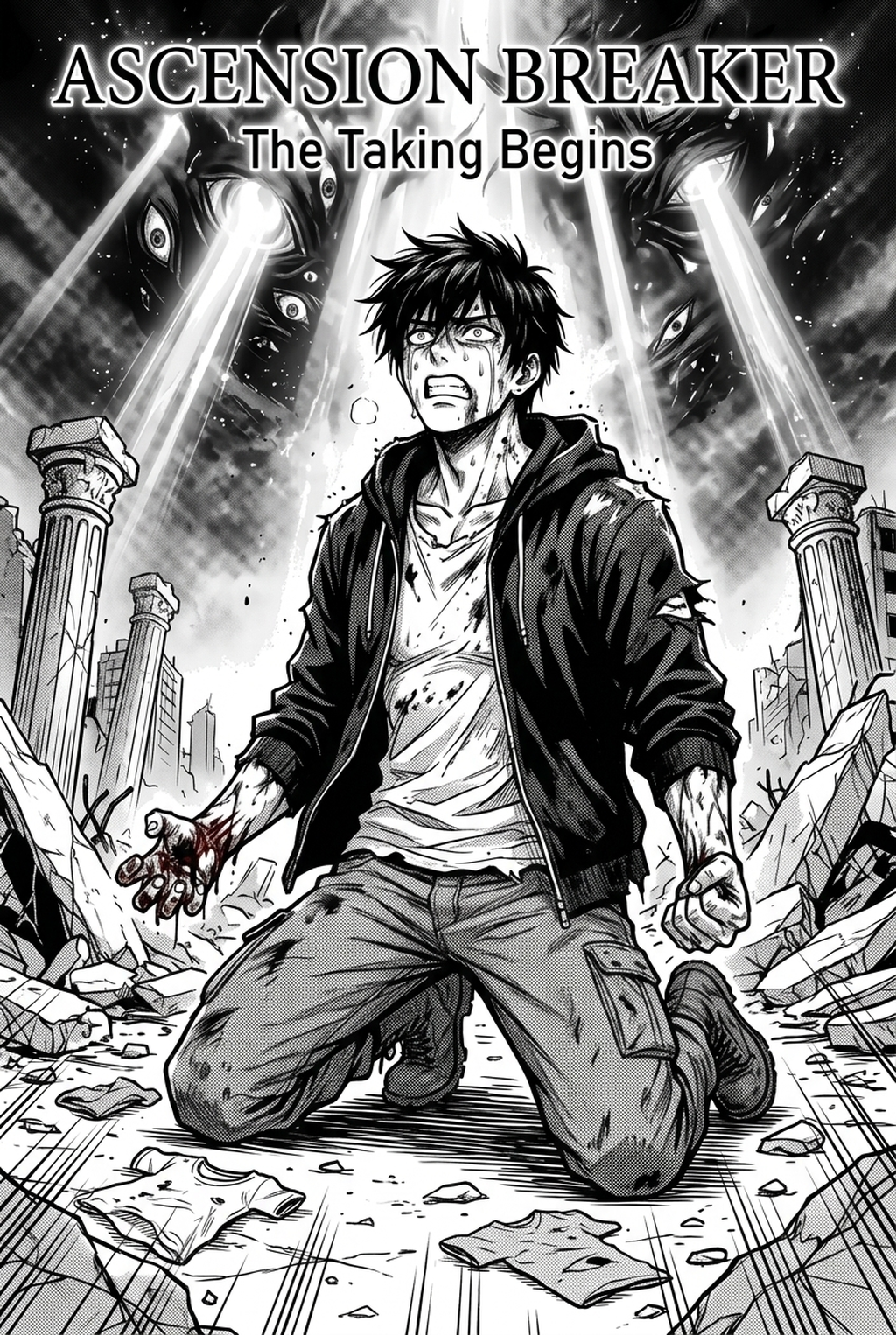
Defining AI Manga Panel Generator
Successful mystery narratives use information gating to manipulate the reader’s perception of time and space within the frame. By isolating a single piece of evidence in an oversized panel, you force the reader to pause, creating a mental anchor that prevents them from glossing over subtle clues that will prove vital later.
This technique, often referred to as "clue-framing," differentiates a mystery from a standard action sequence. Where a battle scene favors diagonal layouts to convey motion, the detective genre demands rigid, square, or vertical panel sequences to emphasize the weight of logical deduction. High-contrast chiaroscuro lighting should be deployed at these junctures to obscure character expressions, keeping the culprit’s true intent hidden behind heavy, deep-black ink layers until the final confrontation.
Why AI Manga Panel Generator Matters for Manga Creators
Layout dictates the cognitive load of your reader, essentially controlling the "theorization window" before the next page turn. When a detective examines a crime scene, your layout should prioritize long, horizontal panels to mimic the sweeping arc of a character’s gaze, allowing for a detailed survey of the environment without interrupting the flow of information. The visual pacing must be deliberate to avoid the spoiler effect. If a clue is revealed too early in a strip, the reader loses interest; if it is revealed too late, the narrative feels disjointed.
How Detective Story Manga Layout Works with Mangaka
Mangaka automates the structural heavy lifting of page composition by turning a written script into a sequence of manga-style panels in minutes. By inputting your scene descriptions, you can generate multiple layout variations, ensuring that your investigative beats and character proportions remain consistent across the entire volume.
| Feature | Manual Layout Method | AI-Assisted Layout |
|---|---|---|
| Panel Sequence | Time-intensive sketching | Instant generation |
| Character Fidelity | Risk of proportion drift | AI-enforced consistency |
| Export Formats | Manual file resizing | Preset DPI/resolution |
The system allows you to iterate on these layouts without the risk of line-weight drift, which often occurs when scaling sketches manually. You can test how a scene looks as a mobile-friendly vertical comic platforms scroll versus a traditional print spread, ensuring your line art maintains its clarity for readers on any device. Start your detective story manga layout and see how quickly your script transforms into a polished, professional sequence.
Use Cases for AI Manga Panel Generator
The application of structural framing can drastically change how a reader interprets a scene's gravity. When you are composing a tense sequence, your choices for panel borders and negative space define the emotional stakes for the protagonist.
- Evidence-based framing: Isolate items like discarded cigarette butts or broken spectacles in singular, square panels surrounded by high-contrast black gutters to signal their importance to the reader. * Psychological interrogation grids: Use perfectly symmetrical, repetitive panels during high-stakes questioning to create a sense of claustrophobia and pressure, forcing the suspect into a visual corner. * The Deduction Montage: Layer multiple flashback panels behind a primary, large-format panel of the detective to visually represent the rapid mental association of seemingly unrelated facts.
How to Get Started with Mangaka
Creators often struggle with the technical transition from a written script to a finished page, particularly when managing complex environmental anchors in a crime scene. By defining the key objects—such as a specific weapon or a lock mechanism—in your script, you allow the tool to prioritize these elements as the focal points of your panels.
Workflow Fit for Creator Output. Aim for a Rule of 5-7" panel density per page to keep the investigative rhythm sharp. This ensures that the page remains readable even when you are layering heavy inking or complex background tones. For the best digital results, always prioritize high-resolution PNG or PSD exports that preserve the fidelity of your fine lines, as these formats are essential for readers who may zoom in to search for hidden clues you have embedded in the artwork.
- Before Export. Creators should compare the generated line art with the original sketch and confirm that facial expressions, props, speed lines, and speech-bubble space still support the scene. A repeatable review pass should cover character consistency, panel readability, background clarity, and whether the final file is ready for coloring, lettering, or editor feedback. For longer projects, creators should save approved examples of line weight, face detail, clothing folds, and background density. Those references keep later chapters closer to the intended style.
- For Collaboration. Creators should mark which panels are final and which panels still need redraws. Clear status labels prevent an assistant, editor, or colorist from polishing the wrong version. For publishing, creators should review the page at the actual reading size before export. Small screens expose crowded dialogue, weak silhouettes, and line details that looked fine while zoomed in.
- For Style Control. Creators should keep a short reference board beside the draft and compare hair shapes, eye details, costume folds, and texture choices before approving the final page. For revision planning, creators should separate art fixes from story fixes. Line cleanup, panel order, dialogue clarity, and character acting each need a different review question.
The Bottom Line
A successful layout treats the page as a machine for discovery, guiding the reader’s eye toward the truth one panel at a time. By focusing on rhythm, information gating, and consistent character presentation, you can elevate your mystery from a basic narrative to an immersive, high-stakes visual experience. Take control of your story’s pacing and detective story manga layout using professional-grade tools designed to handle the heavy lifting.
Related articles
Mastering the Manga Storyboard: A Guide to Better Pacing
Manga Inking: How to Perfect Your Line Art Process in 2026
Mastering Manga Background Art Perspective: A 2026 Guide