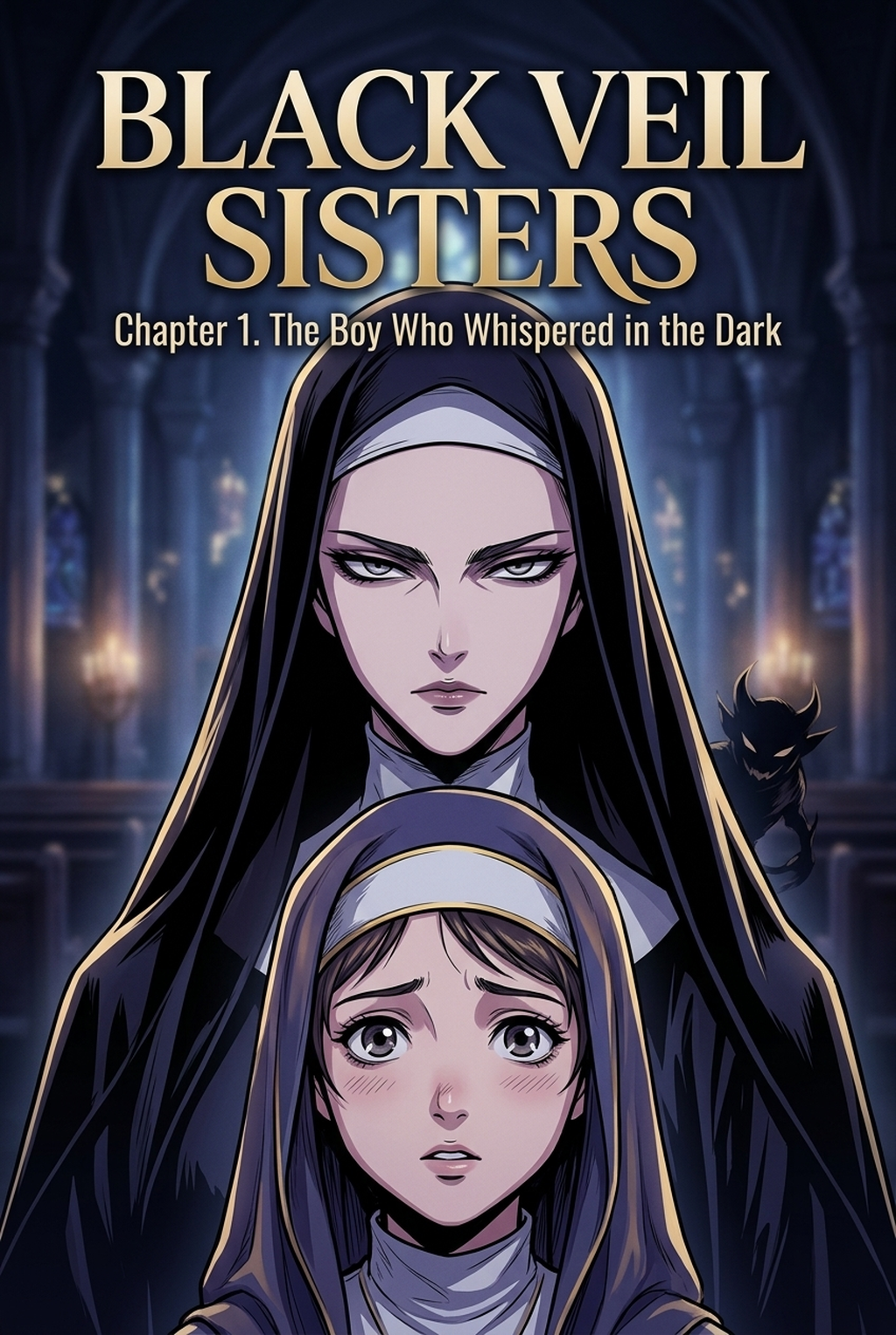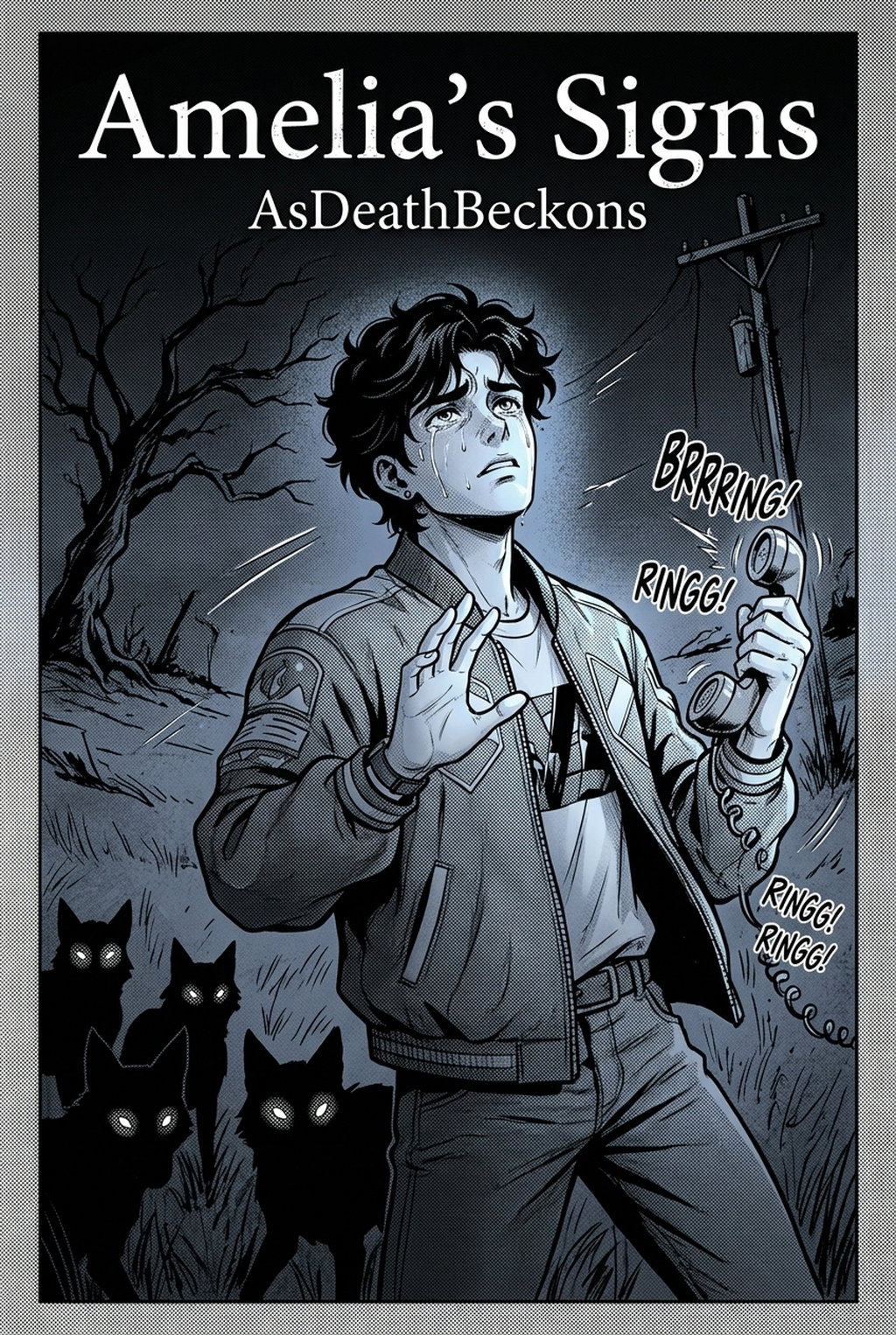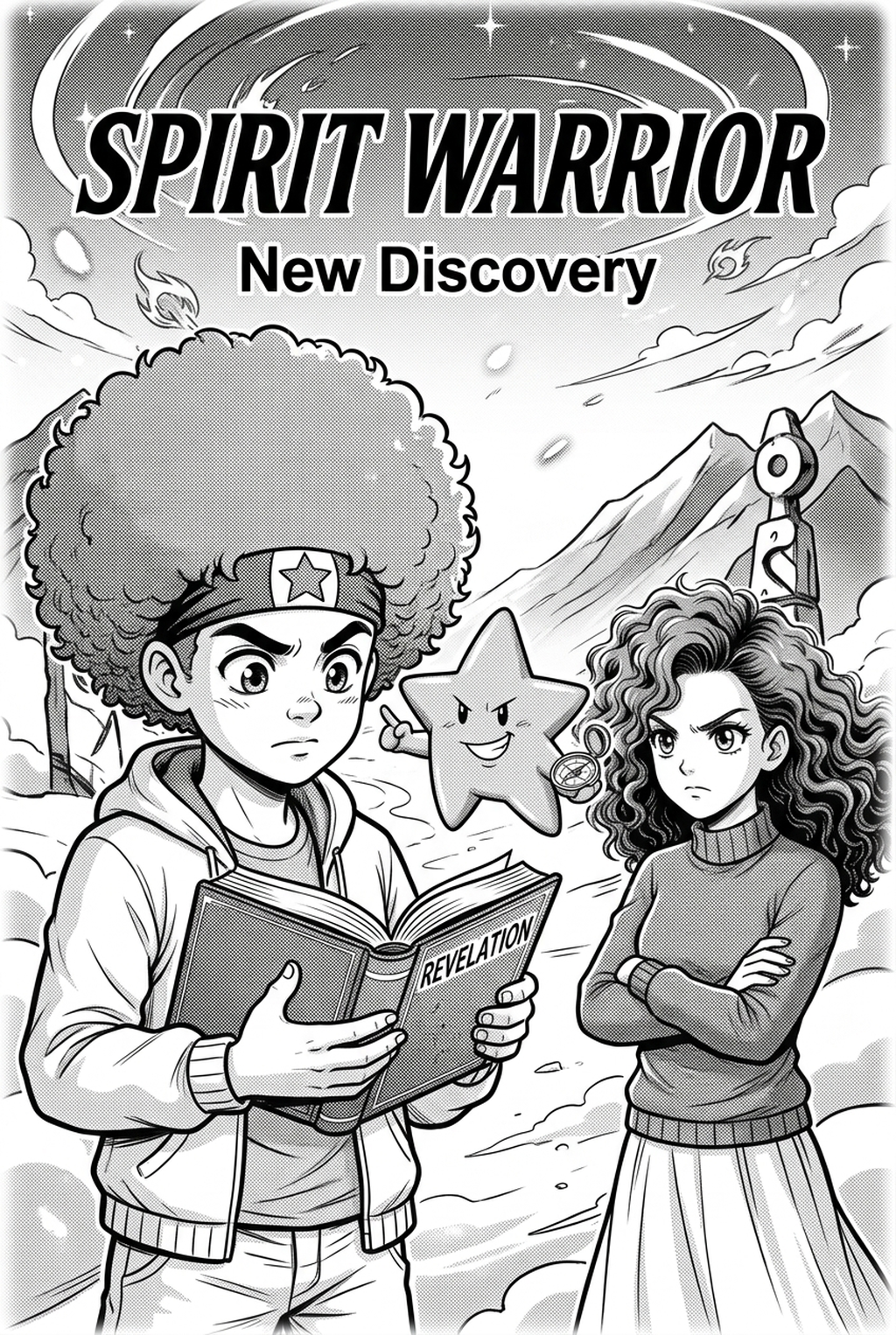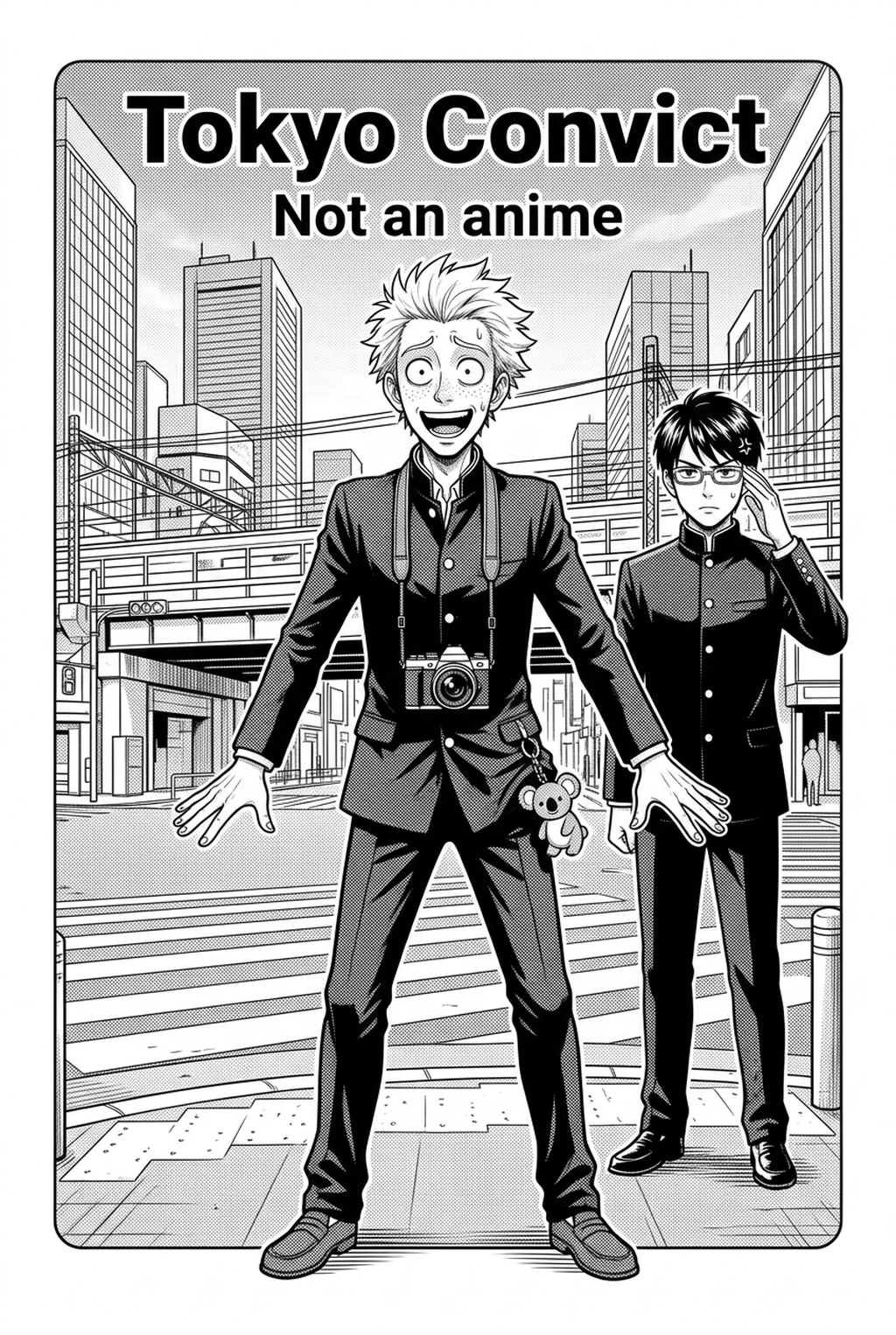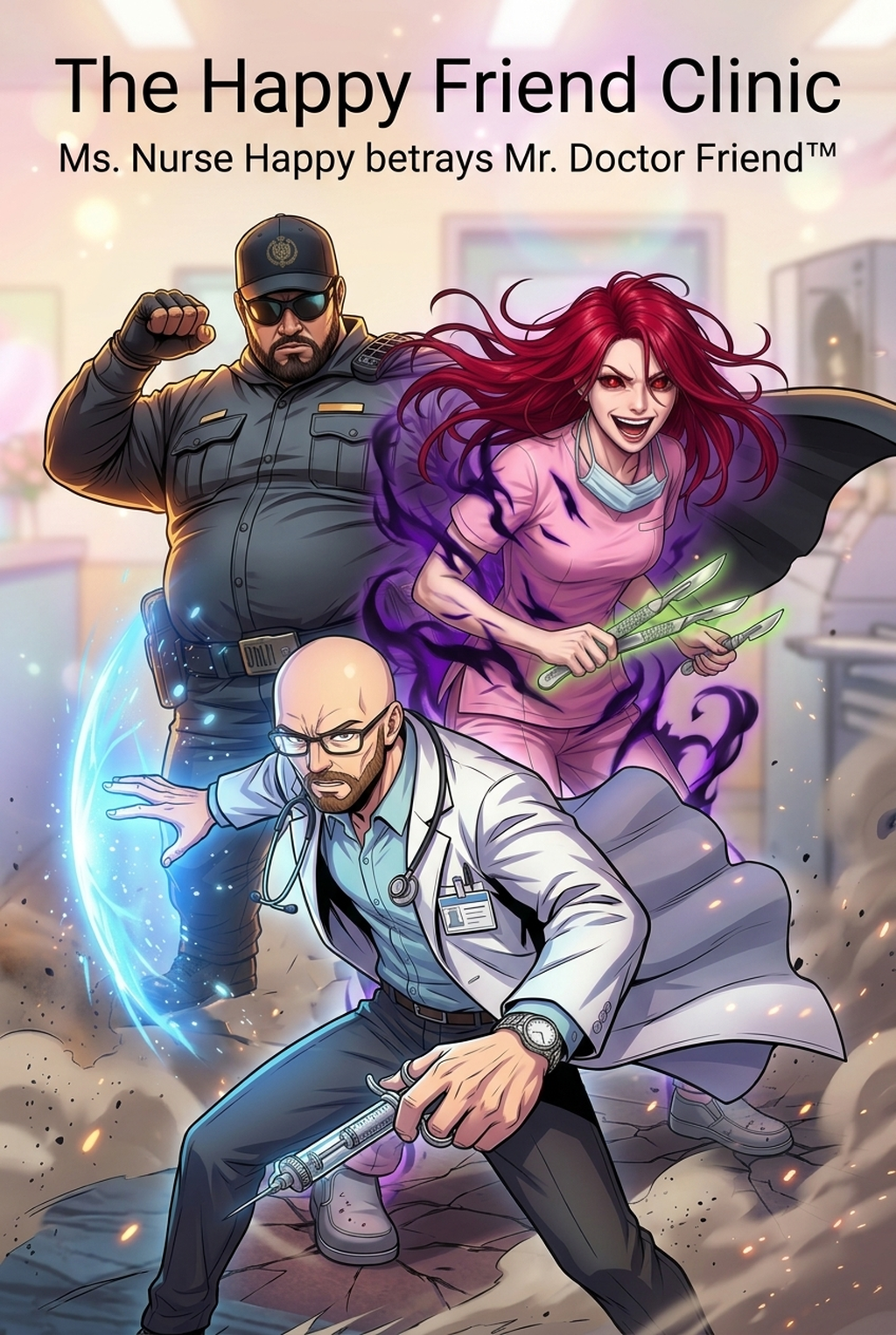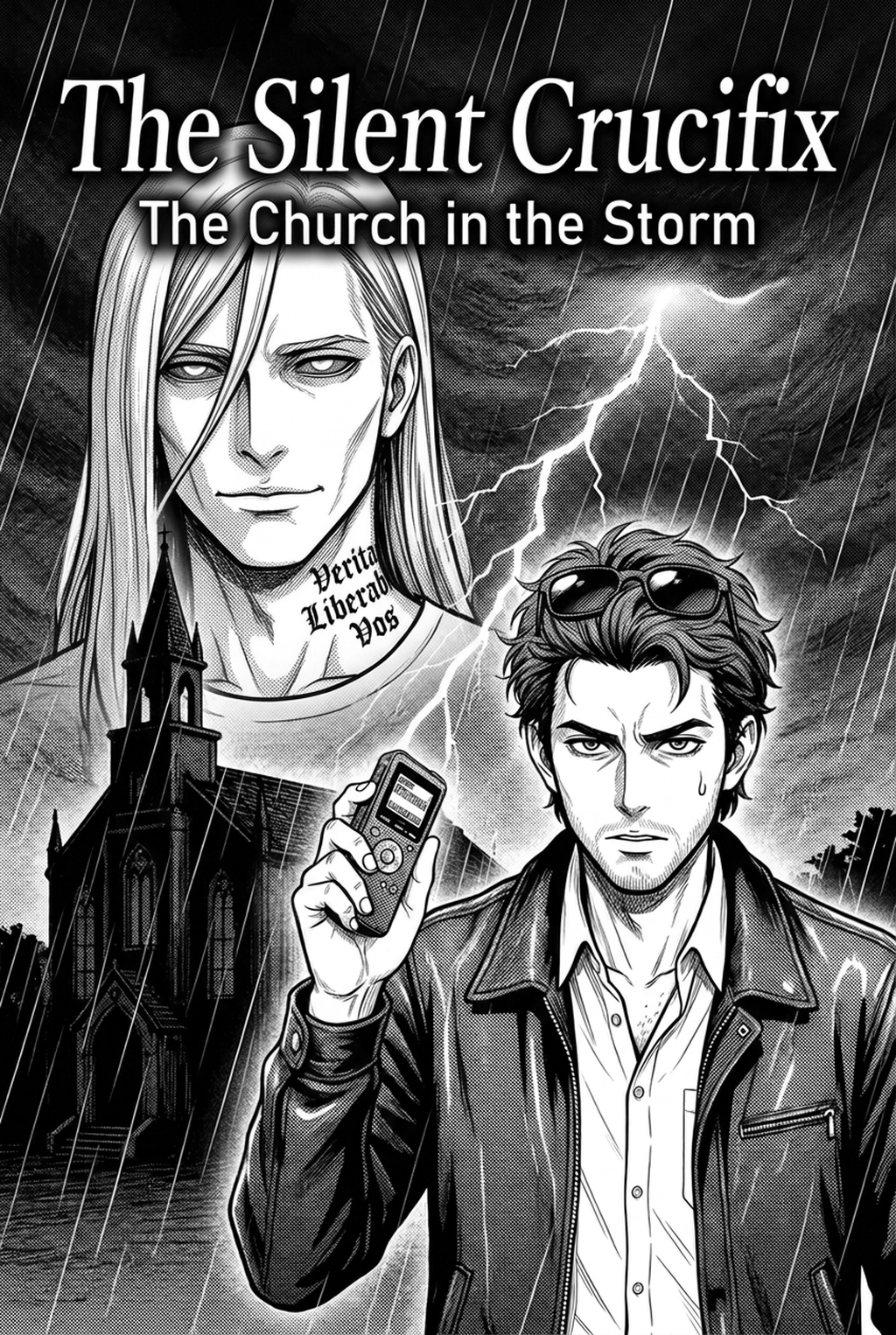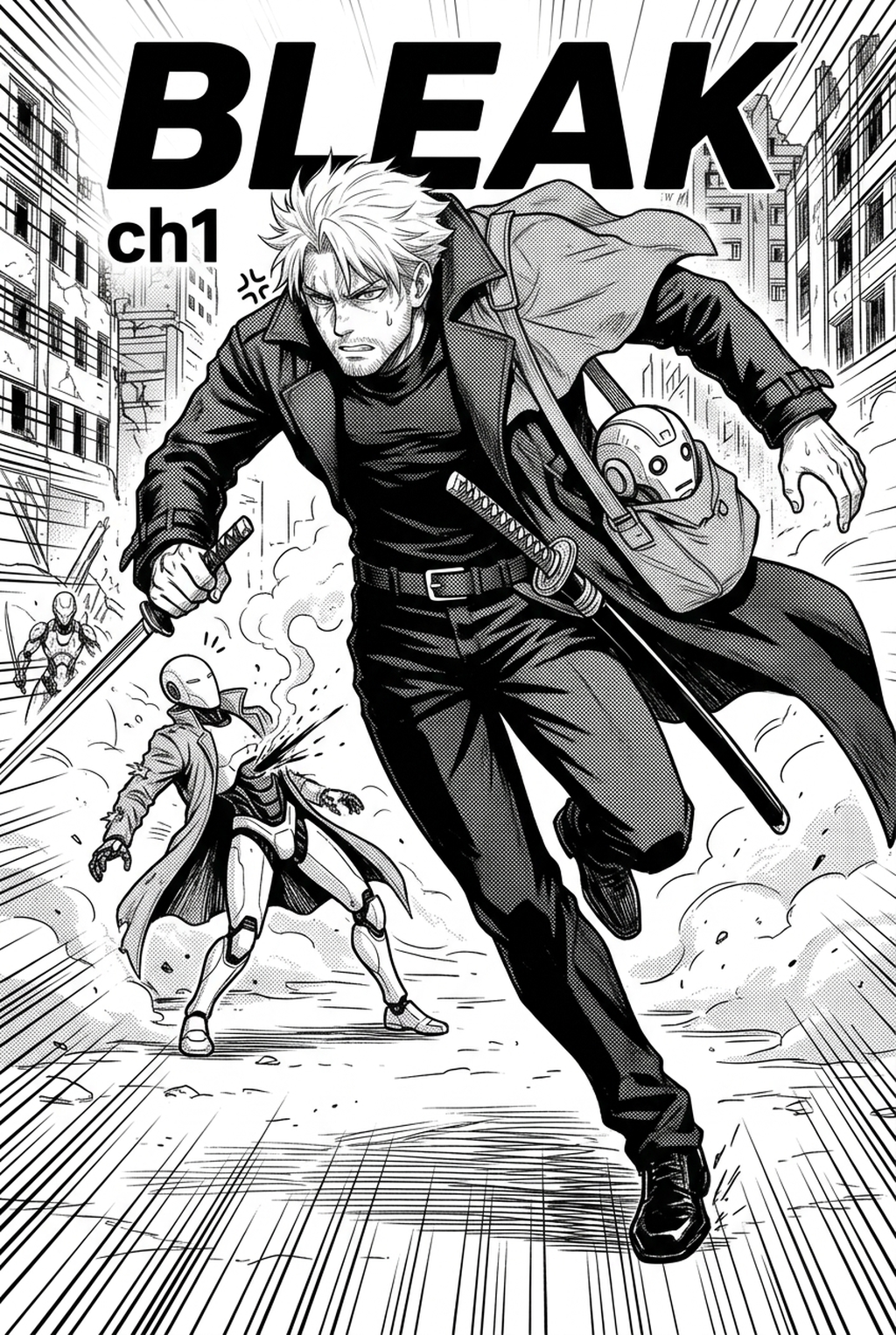
What Is a Manga Storyboard? It Serves as the Primary Translation of a Script into Visual Components, Defining Panel Shapes, Dialogue Placement, and Character Staging to Establish the Core Logic of a Scene. Unlike Final Art, the Storyboard Focuses Purely on Visual Information Flow and Composition Rather Than Detailed Rendering or Screen Tone Placement.
The name stage is not merely a rough sketch; it is a structural workpaper that identifies the focal points of every panel. By mapping out where the reader’s eye should land, you create a sequence that avoids the common failure of "gutter confusion," where the reader loses their place between panels because of poor directional cues.
Why AI Manga Storyboard Builder Matters for Manga Creators
Strategic panel arrangement dictates the reading speed of a scene, allowing you to create high-tension action or quiet, contemplative moments at will. Visual rhythm—the size and placement of panels—prevents reader fatigue and keeps the audience visually anchored through complex sequences.
Shonen creators must balance hyper-dynamic, tilted panels with clear character silhouettes to maintain readability during intense combat sequences. Without a deliberate storyboard, a crowded page can cause the eye to wander off-path, leading to "stutter" where the reader loses track of the impact lines or speed lines intended to guide them through the movement.
When you plan your panel layout in advance, you ensure that high-action "impact panels" are physically larger and placed strategically to break the repetition of standard square frames. By controlling the white space between panels, you determine the intensity of the scene, effectively controlling the duration of a beat before the page turn forces a pause or a reveal.
How Manga Storyboard Works with Mangaka
Modern tools like Mangaka allow creators to auto-arrange panels based on narrative intensity, ensuring optimal eye-path movement across the canvas. By automating the structural layout, you can focus on emotional character expression rather than struggling with technical geometry or the manual labor of sizing frames to fit dialogue.
The tool utilizes your narrative input to calculate the necessary gutter space and panel proportions for your specific genre. If your scene requires a cinematic spread, the builder adjusts the canvas parameters to maintain consistent character presence across the transition.
Check character consistency, panel readability, line quality, and export readiness before publishing. Creators should also record why the page passed review, which panel details still need manual cleanup, and which export format the next collaborator will use. That makes the subsection useful instead of leaving a short checklist under a large heading.
Audience-exclusive insight: Seinen creators often use this technology to experiment with non-traditional, cinematic panel shapes that emphasize psychological depth. By delegating the technical alignment of these complex, irregular frames to the AI, you maintain continuity and save hours of manual adjustment that would otherwise be spent fixing tilted borders or broken perspective lines.
When you use AI AI Manga Storyboard Builder workflow Builder workflow with Mangaka , you move from script to structural draft in minutes:
- Input Script: Define your dialogue and action beats.
- Generate Layout: The tool calculates the ideal panel placement for maximum narrative impact.
- Iterative Refinement: You adjust the focal point of individual panels without disrupting the overall page flow.
- Export: The resulting PSD or PNG serves as your high-fidelity evidence schedule for final art production.
Use Cases for AI Manga Storyboard Builder
A successful storyboard must clearly indicate character focus and text bubble priority to ensure the review owner understands the page flow before you commit to the costly inking phase. It provides a visual document that highlights potential bottlenecks in storytelling, such as dialogue that overflows the available gutter or action that is obscured by poorly placed focus lines.
The storyboard acts as the primary evidence schedule for editors to review, ensuring that story beats land precisely before the expensive rendering process begins. Effective boards use directional cues—like speed lines or focus lines—to guide the eye across gutters and prevent reader fatigue.
How to Get Started with Mangaka
Understanding the distinction between a messy thumbnail and a structured storyboard is essential for professional production. A storyboard is a formal step focusing on structural flow, whereas a rough draft may simply be a brainstorming sketch; the former serves as the final design guide for your inking, while the latter is a private exploration.
- Style Fidelity: The structural framework generated by the AI acts as a flexible guide, allowing you to layer your unique art style over the optimized panel geometry. * Iteration Speed: You do not need to create highly detailed art at this stage; prioritizing clarity and narrative logic over aesthetic detail allows for rapid iterations that save days of development time. * Consistency Control: By utilizing the automated panel arrangement, you ensure that character proportions remain stable across multiple panels, preventing the common issue of scale drift in complex action scenes.
Creators should compare the generated line art with the original sketch and confirm that facial expressions, props, speed lines, and speech-bubble space still support the scene. A repeatable review pass should cover character consistency, panel readability, background clarity, and whether the final file is ready for coloring, lettering, or editor feedback.
The Bottom Line
The storyboard is the heartbeat of manga creation, transforming a static script into a dynamic reading experience. Leveraging automation for layout design is the most effective way to maintain high-quality pacing while significantly reducing pre-production time. You can begin streamlining your own narrative sequences today by using the manga storyboard to establish a professional foundation for your next chapter.
Related articles
Manga Inking: How to Perfect Your Line Art Process in 2026
Mastering Manga Background Art Perspective: A 2026 Guide
How to Create a Manga Storyboard: A Modern Guide in 2026