Understanding the Mechanics of AI Manga Style Transfer
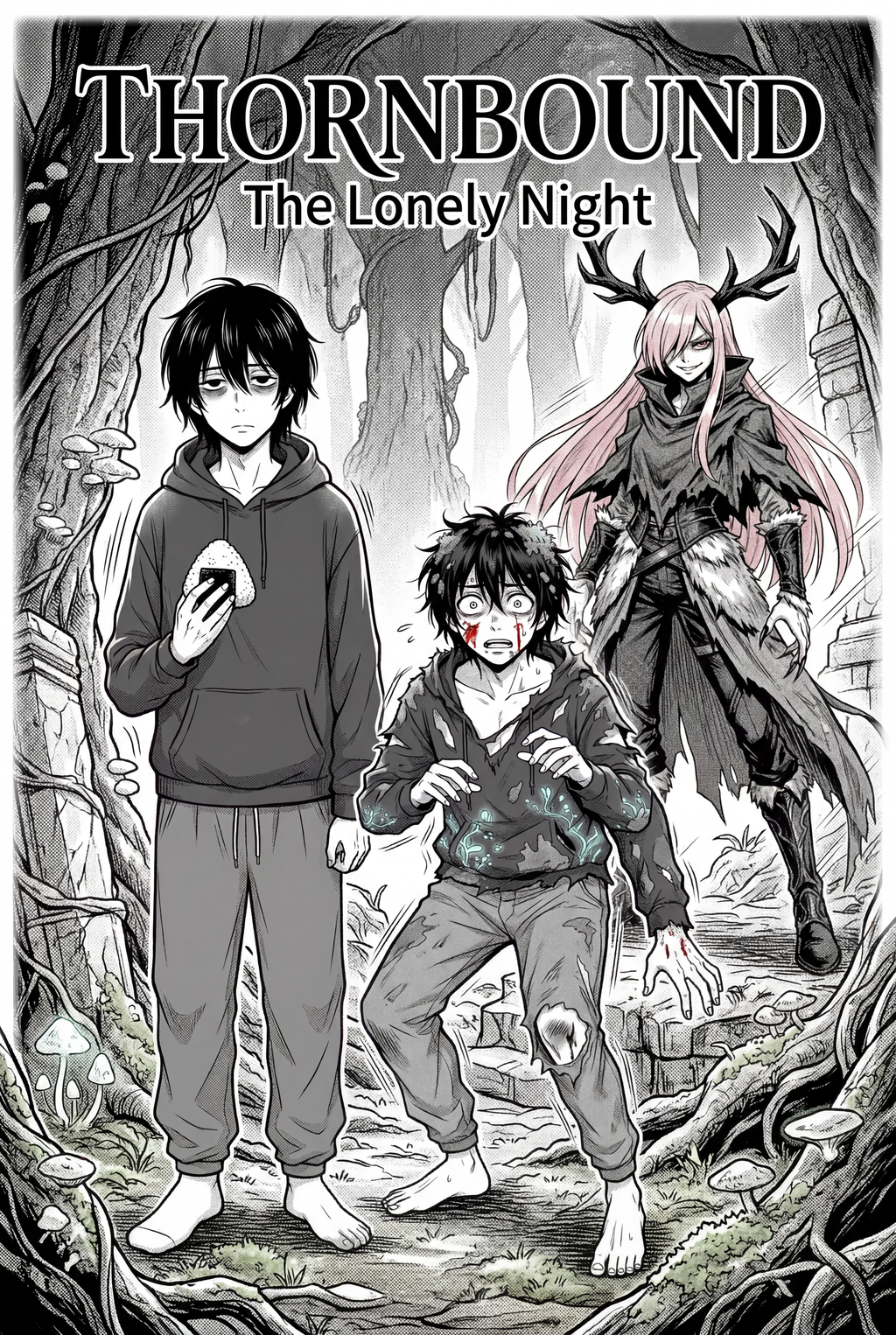
Horror manga relies on high-contrast lighting and aggressive, jagged hatching to create deep, claustrophobic shadows that suggest supernatural presence. Unlike standard action genres, horror requires that the environment itself acts as a source of anxiety, often using distorted architecture and overwhelming black masses to suffocate the protagonist.
Horror character design intentionally breaks traditional anatomical proportions to trigger a primal sense of unease. By utilizing elongated limbs, unnatural joint angles, or fluid-like, melting flesh textures, artists force the reader to focus on the biological instability of the subjects. These distortions are most effective when grounded by "source context"—the underlying human structure that remains visible beneath the grotesque alterations.
Atmosphere is achieved through complex textures that separate the mundane, safe world from the encroaching supernatural threat. Creators often layer scratchy, irregular screentone overlays over dense, jagged line work to simulate decay or madness. Achieving this without losing the clarity of the underlying panel composition is the primary hurdle for independent creators producing high-page-count thrillers.
Why AI Manga Style Transfer Matters for Creators
The emotional impact of a horror scene is dictated by the viewer's immediate subconscious response to the page’s lighting balance. Precise inking is crucial because the effectiveness of a sequence depends heavily on the ratio of "heavy black ink" to negative space, which directly regulates the reader's anxiety levels.
- Negative space utilization: Mastering the placement of deep, void-like blacks provides the necessary isolation for your character to feel truly alone. * Line weight management: Maintaining consistent, weighted lines ensures the narrative tension does not drift when moving between tight close-ups and wide landscape shots. * Reader response control: Rapid changes from high-contrast shadows to stark white backgrounds create a visual "stutter" that mimics the physiological shock of a jump-scare.
How Horror Manga Art Style Works with Mangaka
The horror manga art style tool acts as a force multiplier by re-rendering rough sketches into professional, ink-heavy horror aesthetics with a single click. By delegating the labor-intensive hatching and high-contrast inking to the system, you can maintain your unique authorial voice while drastically accelerating your production timeline.
The platform respects your original sketches, ensuring that the "source context" of your layout and perspective remains intact even as it applies sophisticated stylistic filters. This ensures that your specific vision for a creature’s form or a haunted location’s geometry is preserved, rather than replaced by generic or uninspired AI generation.
You can seamlessly insert this style transfer into your existing process by using it as a final polish pass for your layouts. Because the system outputs high-resolution assets, you retain full control over your page composition, dialogue placement, and speech-bubble clearance, effectively eliminating the risk of smudged or misaligned final prints.
Use Cases for AI Manga Style Transfer
Atmospheric construction remains the most frequent use case for this style, particularly when you need to turn a mundane setting into a psychological trap. If your story involves a protagonist exploring an abandoned apartment, you might use these tools to generate shadows that feel thick, encroaching, and physically heavy.
- Character transformation: You can quickly transform a standard human sketch into a grotesque or otherworldly form using specialized layer masks to apply "horror-genre" textures to the skin or clothing. * Storyboard dark-testing: Creators often test different "darkness levels" during the storyboard phase to see how much detail is lost in the shadows before committing to a final, ink-heavy, 30-page chapter upload. * Psychological environment building: Use specific style-transferred filters to make inanimate objects look subtly "wrong," which heightens the sense of reality slipping away from your characters.
- Chapter cadence. Use the AI pass for pages where speed matters most, such as repeated action poses, transformation beats, or dense speed-line panels. Keep manual cleanup for hero panels where the line style defines the emotional peak.
- Character continuity. Compare the generated lines against the same model sheet, costume notes, and facial-expression range used during sketching. This prevents a fast inking pass from drifting away from the character identity readers recognize.
- Export readiness. Check whether the final manga output can move into lettering, coloring, or final layout without rebuilding panel borders or speech-bubble space. A good manga workflow should save time while keeping the next production step predictable.
How to Get Started with Mangaka
Starting with a high-contrast base sketch is the most reliable way to maximize the horror aesthetic of your output. When you focus your initial pencil work on identifying where the deepest shadows should land, the AI can then accurately apply the jagged, scratchy ink textures that define the genre. Ensure your base lines are clean enough to define the silhouette but leave room for the AI to fill in the mid-tones and deep blacks.
Use the ‘Style Strength’ parameter to find the perfect balance between your raw input lines and the system’s aggressive, refined horror-genre overlays. Once you have the desired output, export your panel as a high-resolution PNG file to maintain the sharpness of your line art, especially if you plan to move the asset into a larger, multi-panel page layout.
Creators should compare the generated line art with the original sketch and confirm that facial expressions, props, speed lines, and speech-bubble space still support the scene. A repeatable review pass should cover character consistency, panel readability, background clarity, and whether the final file is ready for coloring, lettering, or editor feedback. For longer projects, creators should save approved examples of line weight, face detail, clothing folds, and background density. Those references keep later chapters closer to the intended style.
The Bottom Line
creator workflow is as much about the psychological weight of your ink choices as it is about your raw drawing ability. By leveraging the automated precision of horror manga art style , you can bridge the gap between creative conceptualization and the high-fidelity finish required for terrifying, immersive manga pages.
Related articles
Manga Inking Guide: Mastering Digital Line Art Efficiency
Mastering the 4-Koma Comic Layout: A Creator’S Guide 2026
Essential Manga Inking Techniques for Professional Panels