Fundamentals of AI Manga Character Designer
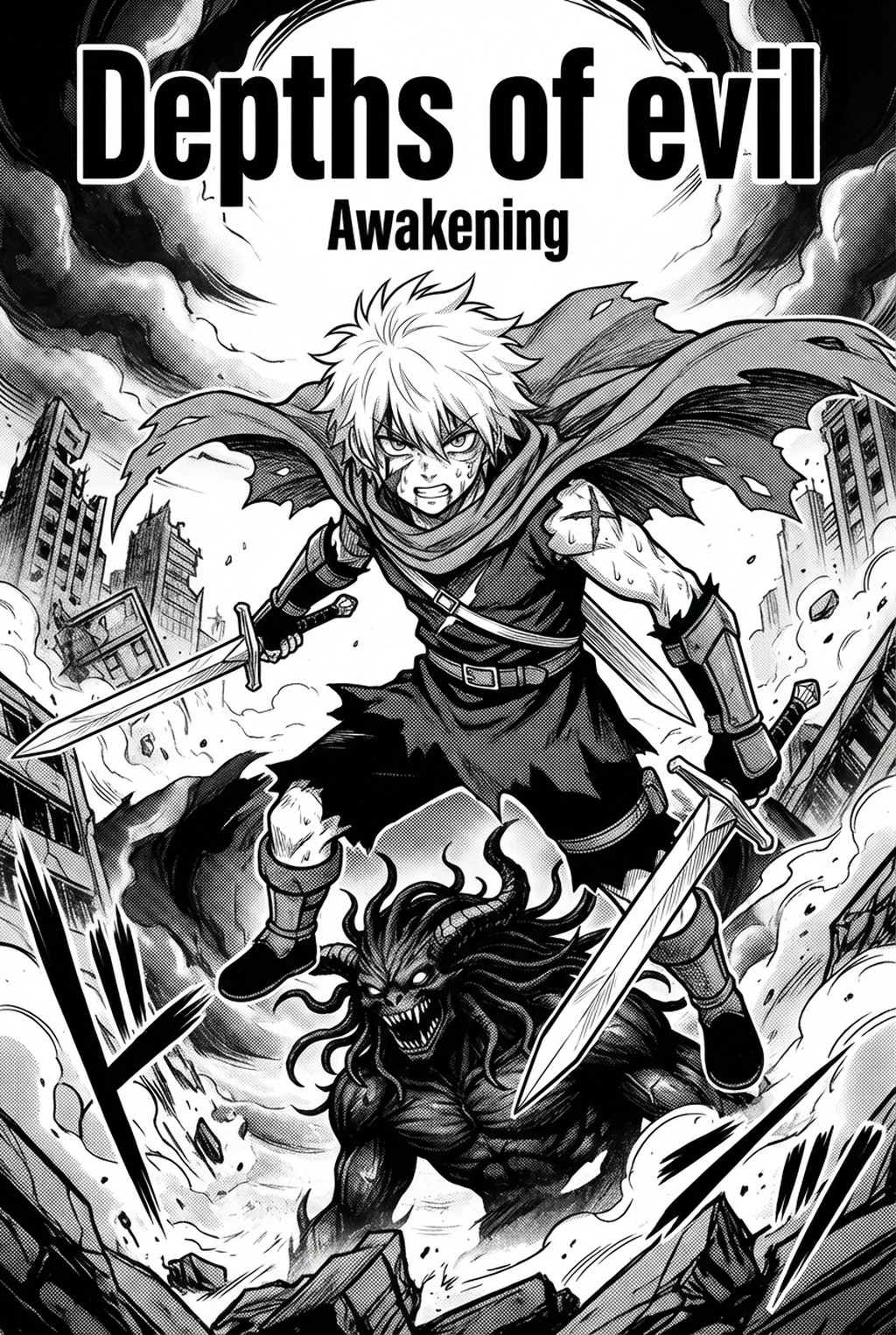
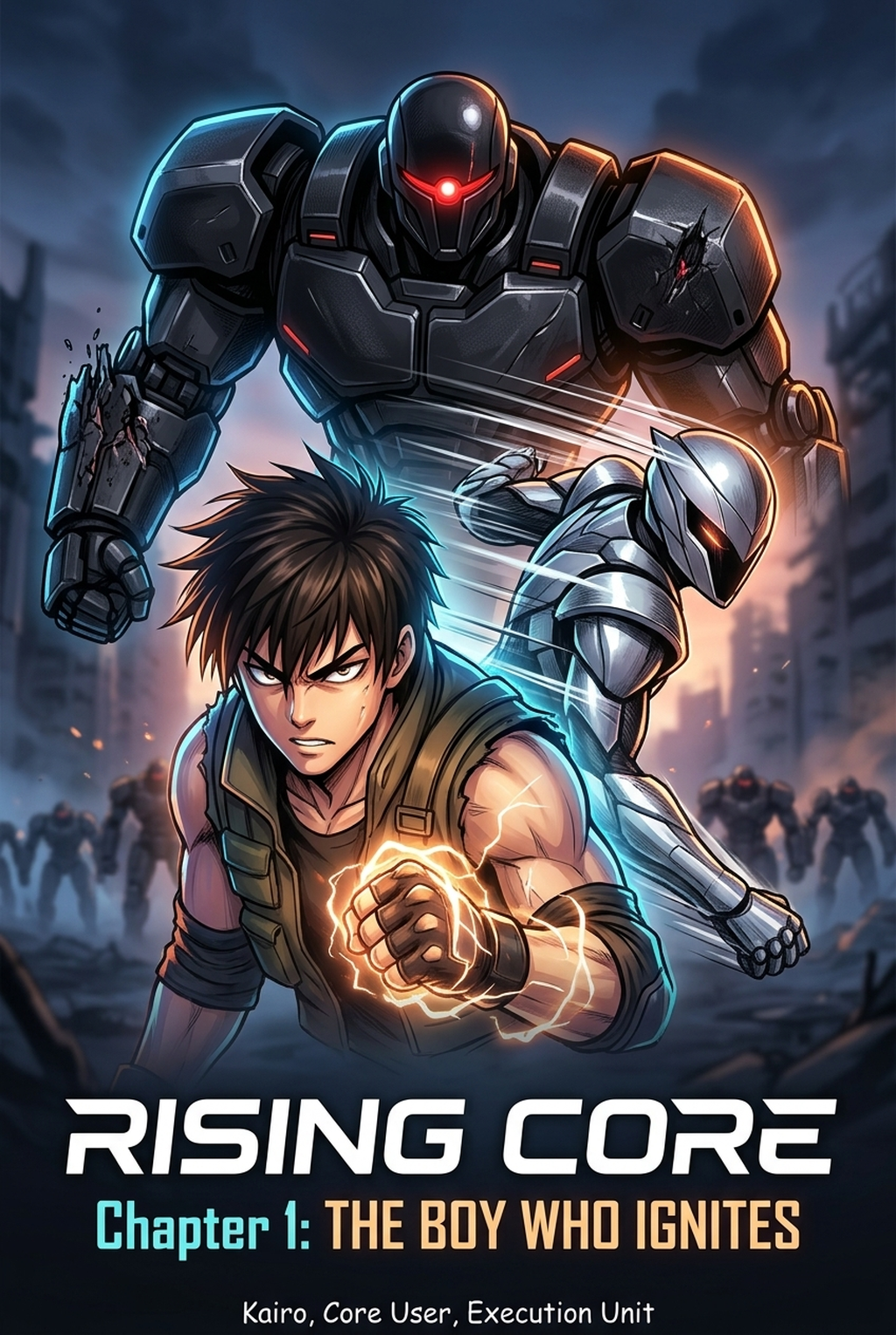
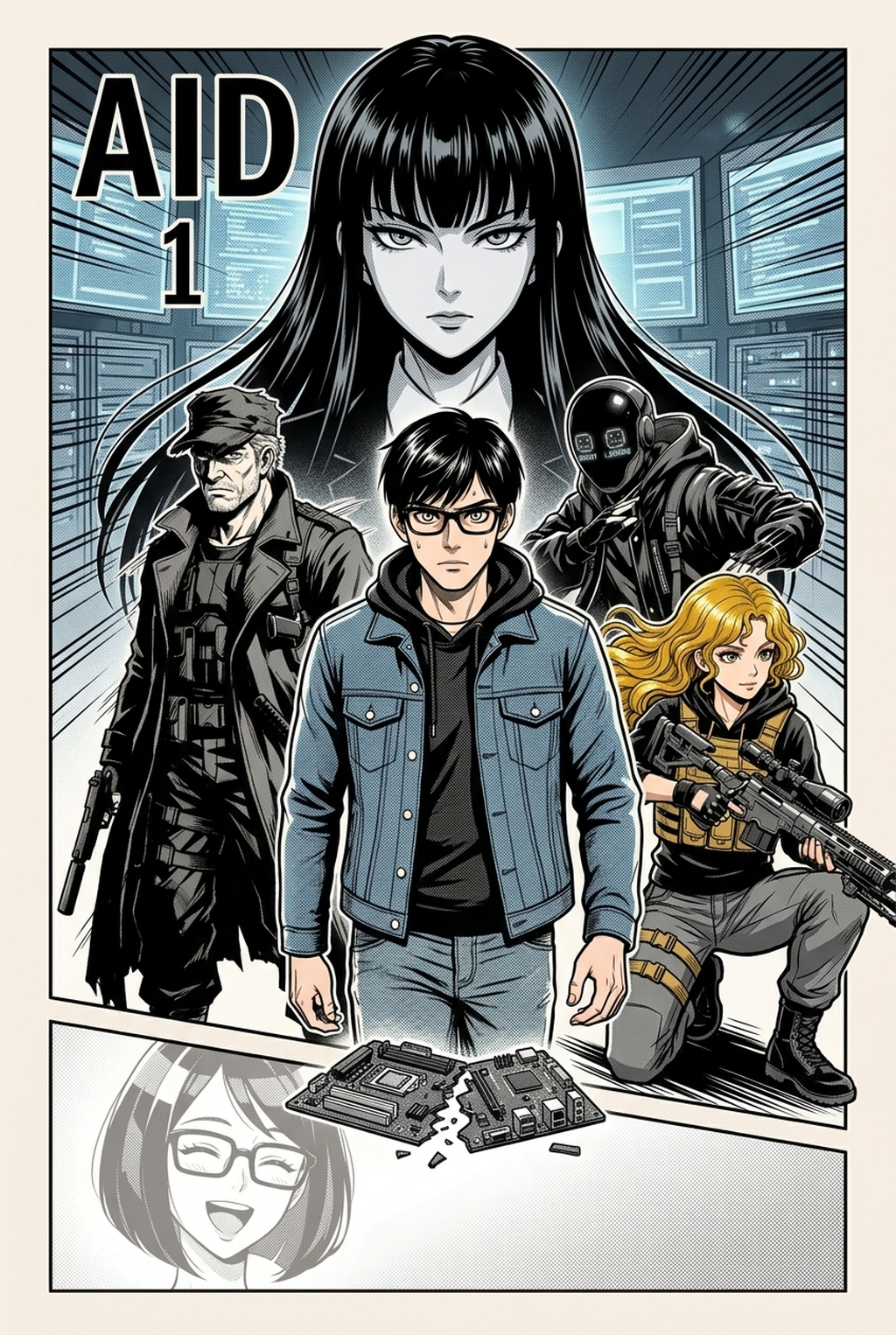
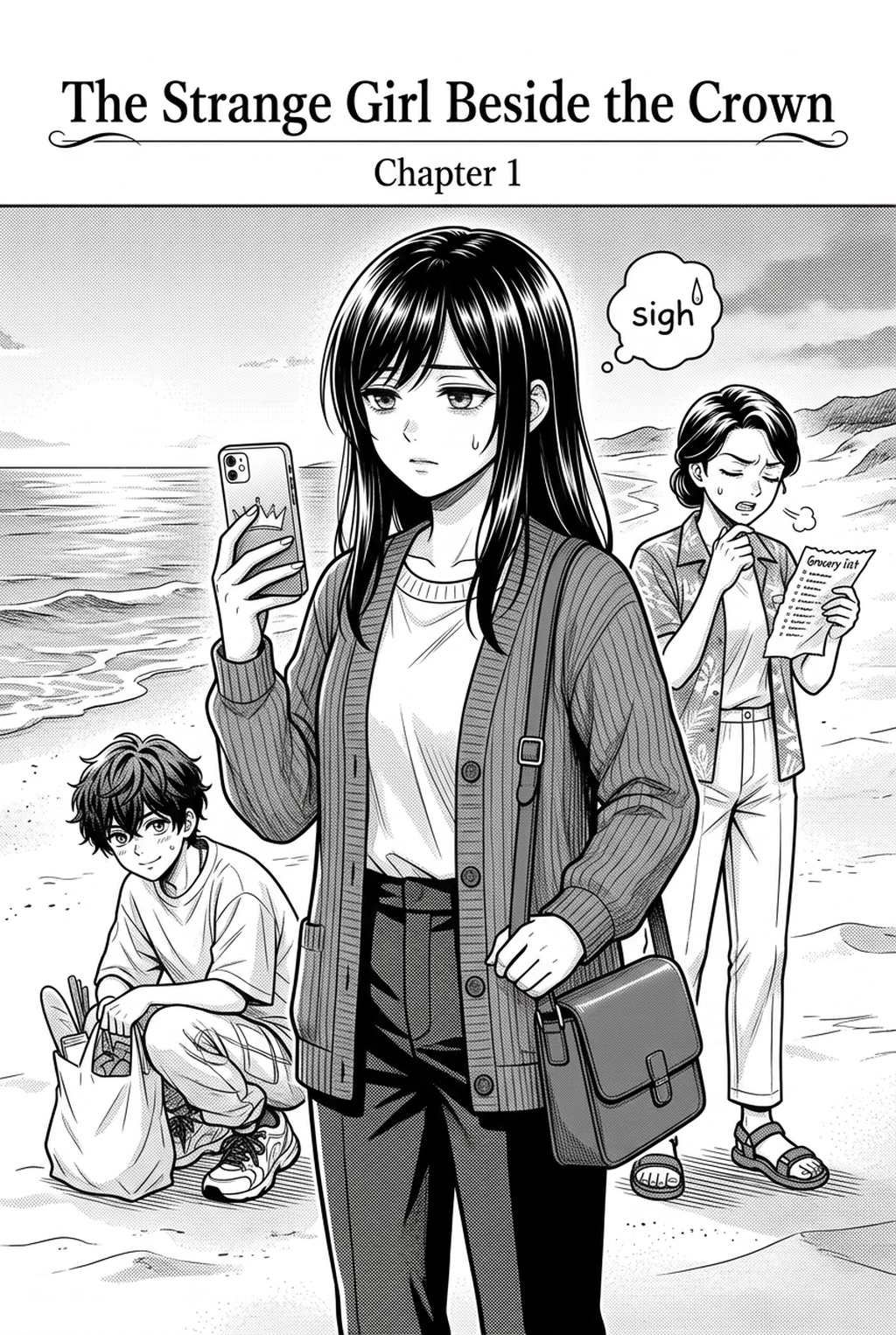
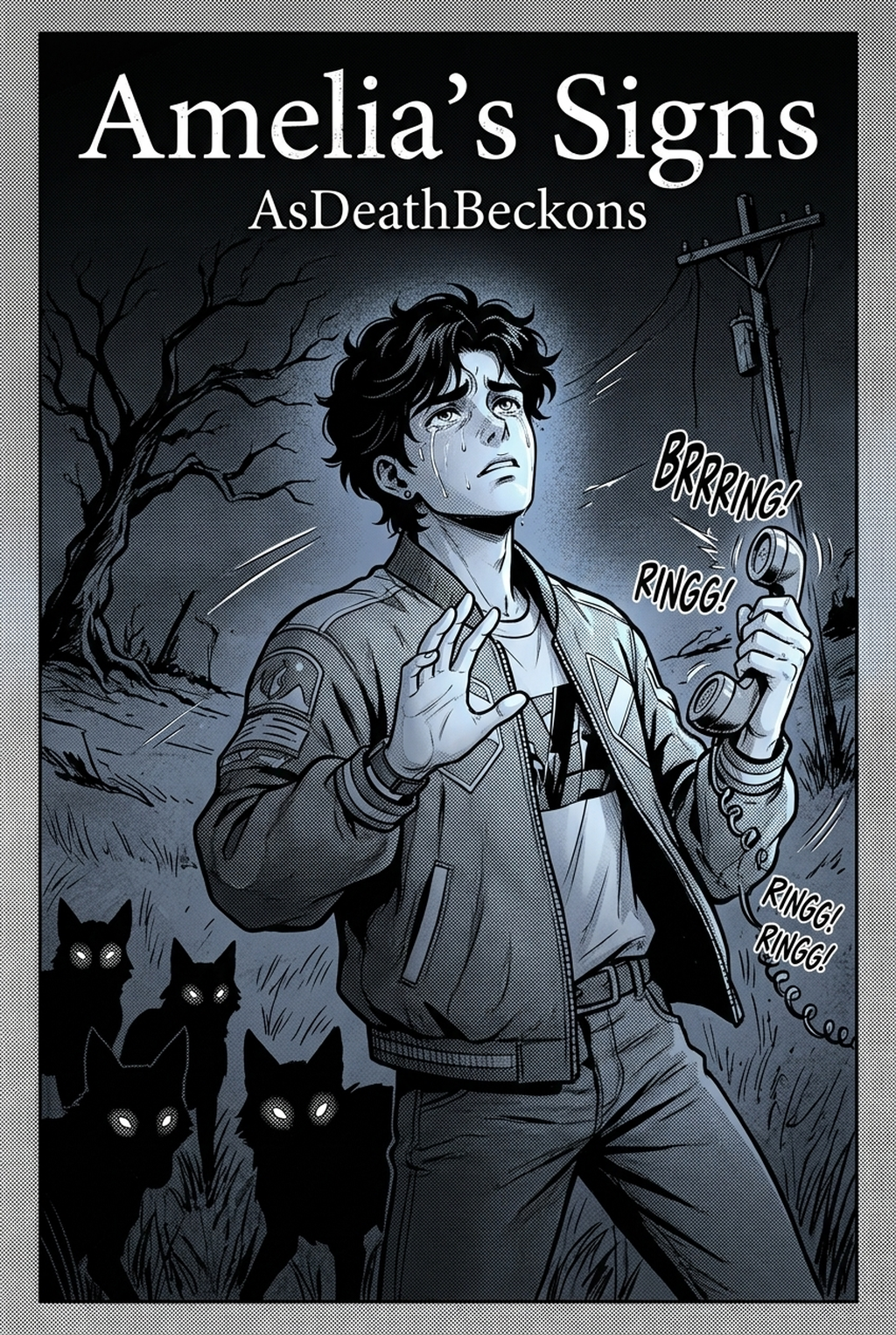
Manga character design relies on the strategic application of shape language and silhouette testing to ensure that each cast member remains immediately recognizable without relying on intricate shading. By defining a character’s identity through bold, primary shapes—such as a triangular profile for an aggressive shonen protagonist or softer, rounded contours for a slice-of-life lead—you create a foundation that survives even the most chaotic action panels.
- Silhouette Recognition: A character should be identifiable solely by their blacked-out silhouette, confirming that costume and hair volume are sufficiently distinct. * Emotional Range vs. Anatomy: Shonen designs prioritize exaggerated eyes and expressive features to communicate intensity, while seinen titles require more grounded, realistic proportions to support mature, gritty themes. * The Contrast Rule: Avoid over-detailing early sketches; focus on the balance between high-frequency areas like hair patterns and low-frequency areas like clothing folds to control where the reader’s eye travels.
Why AI Manga Character Designer Matters for Manga Creators
Character design serves as the visual anchor for your entire narrative, preventing the continuity trap that occurs when a protagonist’s color palette or armor detail varies between page layouts. Professional output hinges on a reliable character sheet that provides fixed reference points for front, side, and three-quarter views, ensuring that the character remains coherent regardless of the panel angle or perspective distortion.
- Reader Detachment Mitigation: Subtle shifts in line weight or eye shape across successive pages can subconsciously alienate readers who rely on consistent character visuals to follow complex action sequences. * Serialized Reliability: Maintaining a master reference document prevents errors during long-term projects where initial sketches might be forgotten, allowing for seamless integration of new costumes or power-up states. * Workflow Efficiency: A well-designed character sheet acts as an error-correction layer, where any deviation in the inked version is immediately visible against the baseline design.
How Manga Character Design Works with Mangaka
Modern digital workflows utilize AI tools to ensure that your character design remains consistent by leveraging source context learning during the generation phase. By processing your unique style and character DNA, the system maintains the integrity of your original draft while applying it across various expressions and poses, which is a major time-saver during the storyboard-to-ink phase.
- Source Context Integrity: The system treats your base model as the source of truth, meaning that every iteration preserves the exact hair style, accessory placement, and eye shape you defined in the initial sketch. * Review Owner Control: As a creator, you function as the review owner, generating draft poses and then applying your final stylistic ink overlays to guarantee that hand-drawn, authentic feel that automated tools sometimes lack. * Iterative Speed: You can test dozens of facial expressions or movement variations in seconds, allowing you to choose the most dynamic panel composition without redrawing the character from scratch.
When you AI Manga Character Designer workflow with Mangaka , you move from manual sketching to a high-level curation process. This reduces the pre-production timeline by weeks, as you no longer need to spend hours verifying proportions on every single panel before finalizing your line art for publication.
Use Cases for AI Manga Character Designer
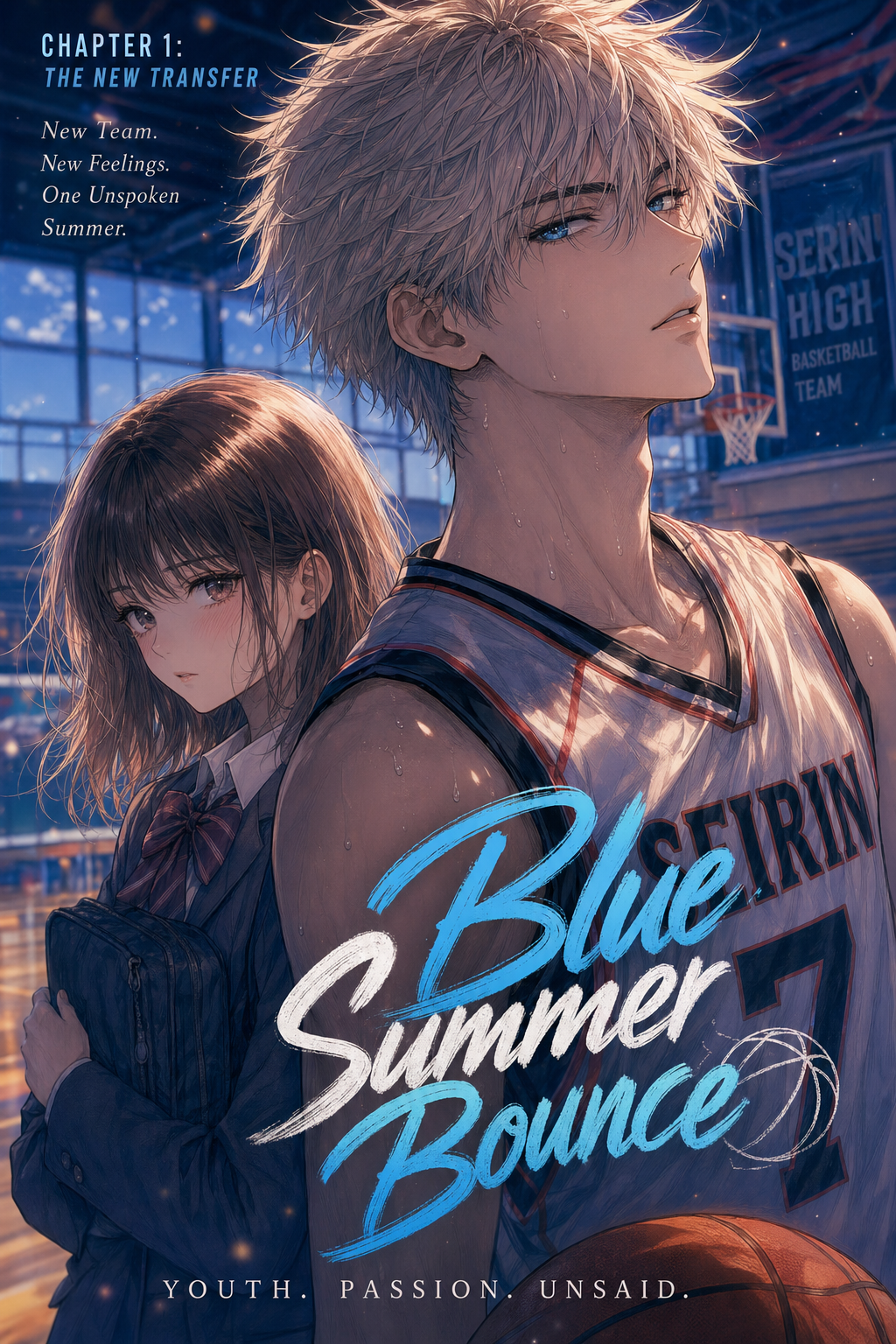
Integrating design tools requires a clear vision of your final delivery format, whether you are targeting the high-definition aesthetic of modern seinen magazines or the retro 90s-inspired line art common in indie projects. Successful design implementation involves creative brief engineering that emphasizes costume silhouette and emotional range to ensure the generated panels fit the specific tone of your story.
- Retro 90s Aesthetic: Configure your design parameters to prioritize sharper line weights and heavier shadows to mimic traditional cel-style shading. * Modern High-Definition: Lean into clean, digital line work with uniform stroke thickness to support high-resolution digital viewing on mobile platforms. * Action-Specific Posing: Focus on dynamic silhouettes during the generation process to ensure that characters maintain their unique identity even in heavy motion-blur scenes.
a creator designing a lead character for a 12-page one-shot would first define the silhouette and base costume. 5mm line-weight consistency is maintained across every frame. By reviewing these files as a 600 DPI PNG batch, the artist can spot any alignment issues in the character’s accessories before beginning the final inking pass.
How to Get Started with Mangaka
Getting the best results from character generation requires a disciplined approach to version control and seed consistency. You must treat the AI as a collaborator that excels at repetitive labor while you maintain the creative oversight necessary for professional-grade manga pages.
- Ensuring Series Continuity: Use consistent seed values and maintain a master reference sheet for every character to keep their look uniform from the first chapter to the last. * Commercial Rights Usage: Before integrating AI assets, check the licensing terms of your tool to ensure that the output is compatible with the copyright requirements of your target publication. * Developing Visual Hooks: Combine distinct silhouette variations with signature accessories to ensure each character in your ensemble is instantly recognizable to the reader.
Creators should compare the generated line art with the original sketch and confirm that facial expressions, props, speed lines, and speech-bubble space still support the scene. This keeps the review focused on story intent, line weight, panel readability, and the export quality behind the final AI Manga Character Designer output.
The Bottom Line
Mastering character design is a balance between artistic vision and the technical rigor required for consistent, long-term serialization. By leveraging the advanced consistency controls found in manga character design , you can eliminate the tedious aspects of manual drawing and focus your energy on the narrative and composition that define your work.
Related articles
Mastering Manga Character Sheet Design for 2026 Consistency
Generate Your Manga Character Design Sheet in 2026
Manga Character Sheet Design: A Guide for 2026 Consistency