Understanding AI Manga Colorist
Professional color work relies on maintaining the integrity of ink weight while utilizing cel-shading or soft-gradient techniques to emphasize spatial depth. When you apply color, the goal is to enhance the narrative flow rather than simply masking the ink work with overwhelming saturation.
Flatting remains the most time-consuming phase of the workflow, as creators must manually define boundaries for skin, hair, and clothing in every panel. To achieve professional results, you should focus on:
- Light Source Consistency: Anchoring a single, global light source for each page prevents visual confusion in high-action panels. * Palette Economy: Limiting your color choices to five or six core tones creates a cohesive look that mirrors traditional high-end production. * Eye Movement Control: Using warm highlights on character faces or primary action points draws the reader’s focus exactly where the story demands it.
Why Technical Discipline Matters for Creators
Modern workflows leverage line-aware algorithms to isolate existing pen strokes, ensuring colors remain cleanly contained within your original ink bounds. Amateur results often stem from "muddiness"—a failure to separate line-art layers from color masks, which causes digital colors to bleed into the fine details of your G-pen lines.
By isolating your line art on a dedicated transparent layer and keeping your color masks distinct, you preserve the structural integrity of your page. Mangaka’s engine simplifies this by automatically identifying closed shapes within your ink work, removing the need for tedious manual pen-masking. This approach ensures that your original hand-drawn textures are respected, preventing the "flattened" look that often happens when AI tools are used without consideration for ink depth.
How the Mangaka Engine Processes Art
Transitioning from raw B&W to color requires a disciplined understanding of how specific genres utilize light and shadow to establish mood. You must align your color strategy with your storytelling intent, as the wrong palette can quickly undermine the grit of a Seinen series or the high-energy excitement of a Shonen battle.
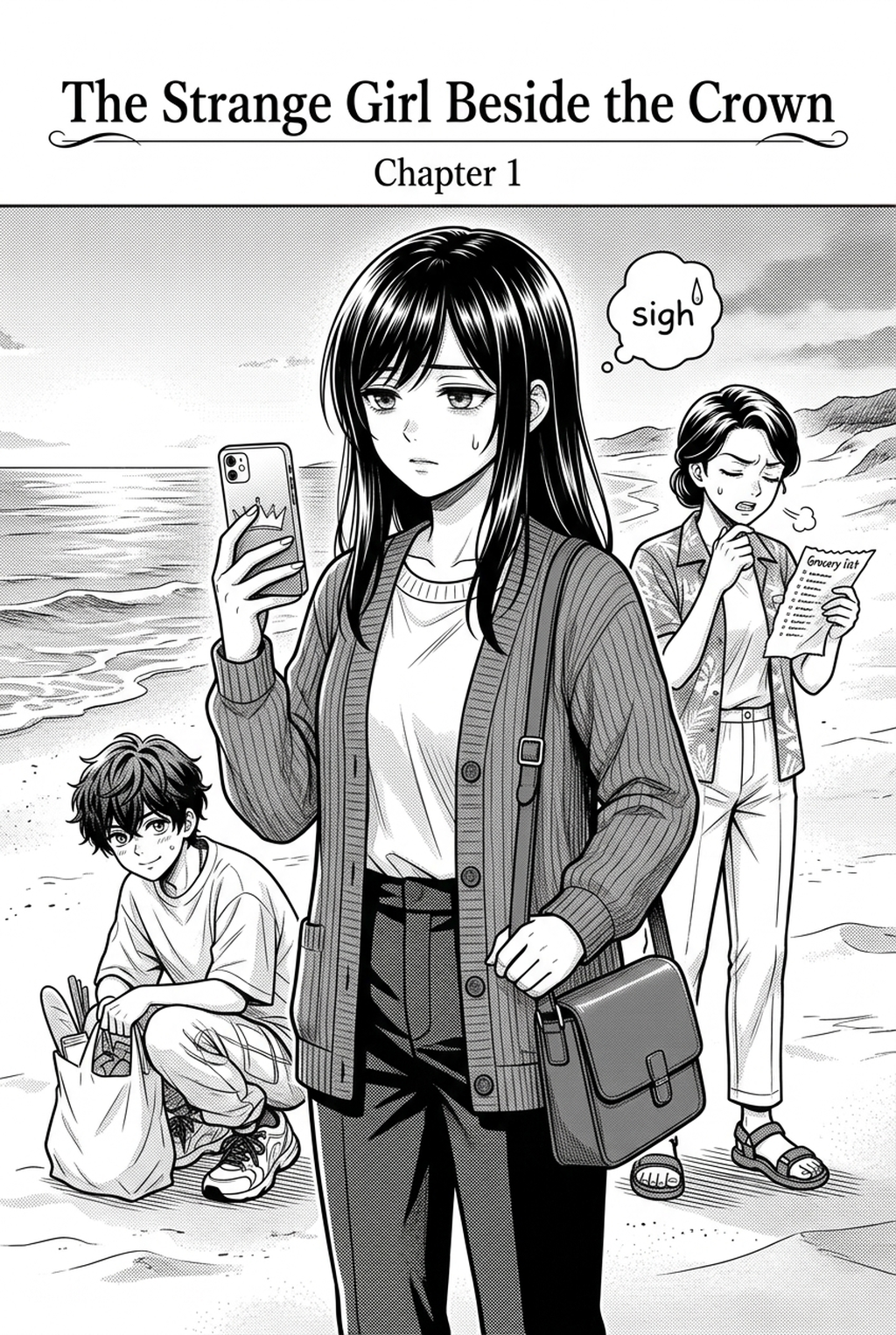
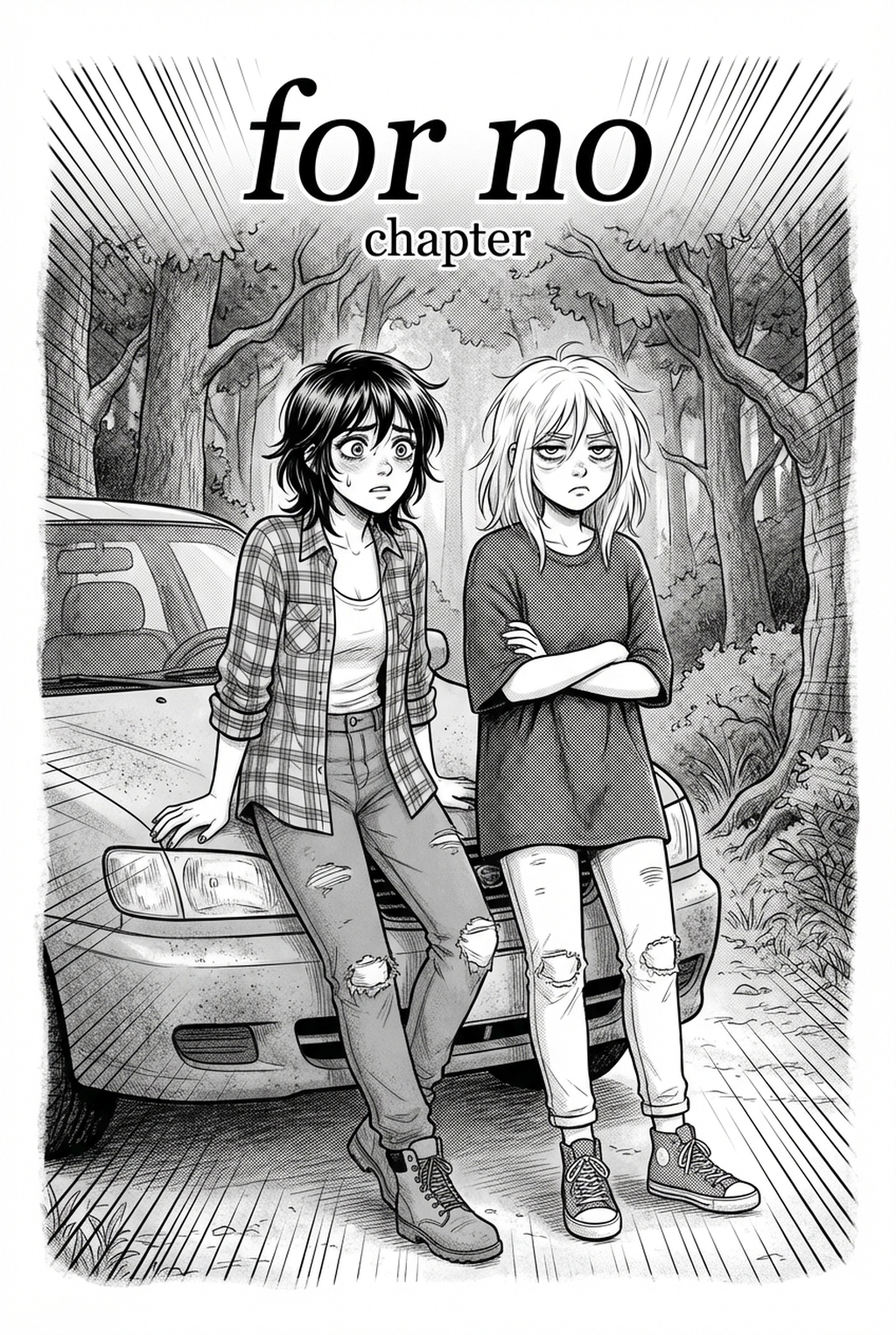
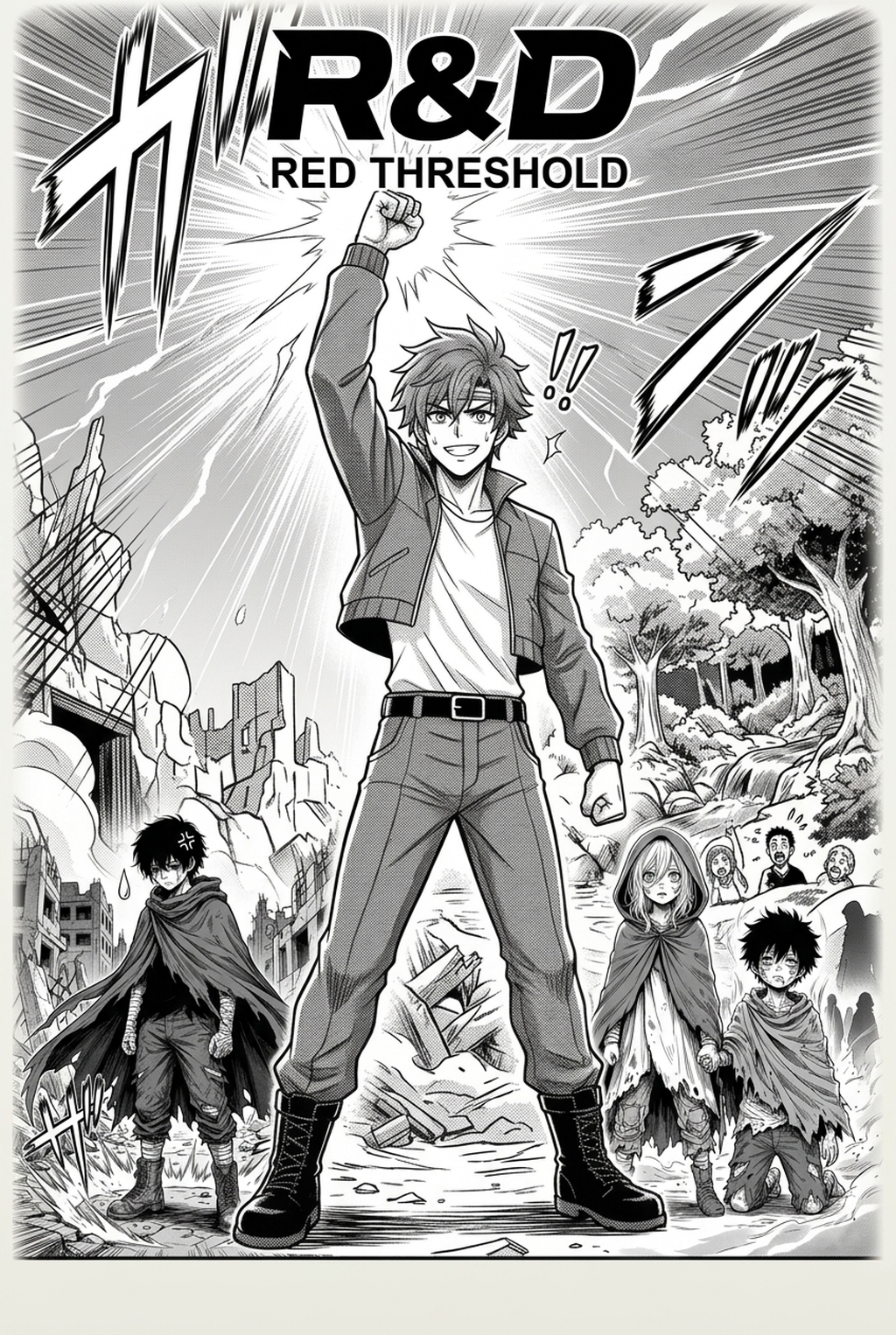
Shonen-style coloring relies on high-contrast, primary-saturated palettes to emphasize impact and character movement. Conversely, Seinen creators frequently employ muted, desaturated tones to lean into atmospheric tension and realistic environmental storytelling. This keeps the review focused on story intent, line weight, panel readability, and the export quality behind the final AI Manga Colorist output.
Check character consistency, panel readability, line quality, and export readiness before publishing. Creators should also record why the page passed review, which panel details still need manual cleanup, and which export format the next collaborator will use. That makes the subsection useful instead of leaving a short checklist under a large heading.
When preparing your pages for AI processing, high-resolution source context is essential to prevent pixelation during the final export. You should work with 600 DPI source files to ensure the engine detects fine line boundaries accurately. If you export your final plates at lower resolutions, you risk losing the crisp definition required for industry-standard print production. Using Manga Colorist Techniques with Mangaka allows you to maintain these high-resolution standards while delegating the repetitive work of base color filling to the platform's engine.
Use Cases for Advanced Workflow Integration
Independent creators frequently replace weeks of manual digital painting by generating base color passes with AI and then performing final polish touch-ups. This hybrid approach solves the common failure point of "style drift," where characters change skin tones or hair colors between chapter beginnings and endings.
Maintaining stylistic consistency requires a structured workflow:
- Base Layer Generation: Use the AI to quickly define base colors across an entire 20-page chapter. * Consistency Check: Apply a universal character palette to ensure that your protagonist’s signature colors remain identical in every panel. * Manual Refinement: Use your creative expertise to add soft-gradient highlights or specific shadow depths that define your unique artistic signature.
Getting Started with Automated Coloring
Using AI for color work does not degrade your hand-drawn feel, provided the tool respects the hierarchy of your ink layers. The coloring should act as an enhancement, acting as a second layer of depth beneath your established ink densities rather than replacing them.
The best file format for this process is a high-resolution PSD or TIFF, where the line-art layer is strictly separated from the background. By clearly separating your inks, you allow the tool to detect boundaries with near-perfect precision, which is critical for complex panels featuring dense cross-hatching.
The tool adapts to the lighting parameters you define, meaning you can adjust the shading density based on the scene's emotional tone. Whether you are aiming for harsh, dramatic lighting for a climactic fight or soft, diffused light for a quiet dialogue scene, the final output remains under your artistic control.
Creators should compare the generated line art with the original sketch and confirm that facial expressions, props, speed lines, and speech-bubble space still support the scene. A repeatable review pass should cover character consistency, panel readability, background clarity, and whether the final file is ready for coloring, lettering, or editor feedback.
Creators should save approved examples of line weight, face detail, clothing folds, and background density. Those references keep later chapters closer to the intended style. For collaboration, creators should mark which panels are final and which panels still need redraws. Clear status labels prevent an assistant, editor, or colorist from polishing the wrong version.
The Bottom Line
Mastering AI Manga Colorist workflow is no longer about manual brush mastery alone, but about efficiently managing the tools that protect and elevate your original vision. By integrating AI-assisted workflows like the ones found at Manga Colorist Techniques , you reclaim thousands of hours of production time while ensuring your pages meet the highest industry-competitive standards. The ultimate goal of coloring remains the same as it has always been: to enhance the narrative clarity of your story without ever obscuring the ink work that defines it.
Related articles
10 Creative 4-Koma Strip Ideas for Daily Manga Creators 2026
Mastering Manga Background Art: A 2026 Guide for Artists
AI Manga Inker for Shonen Manga 2026: Fast Professional