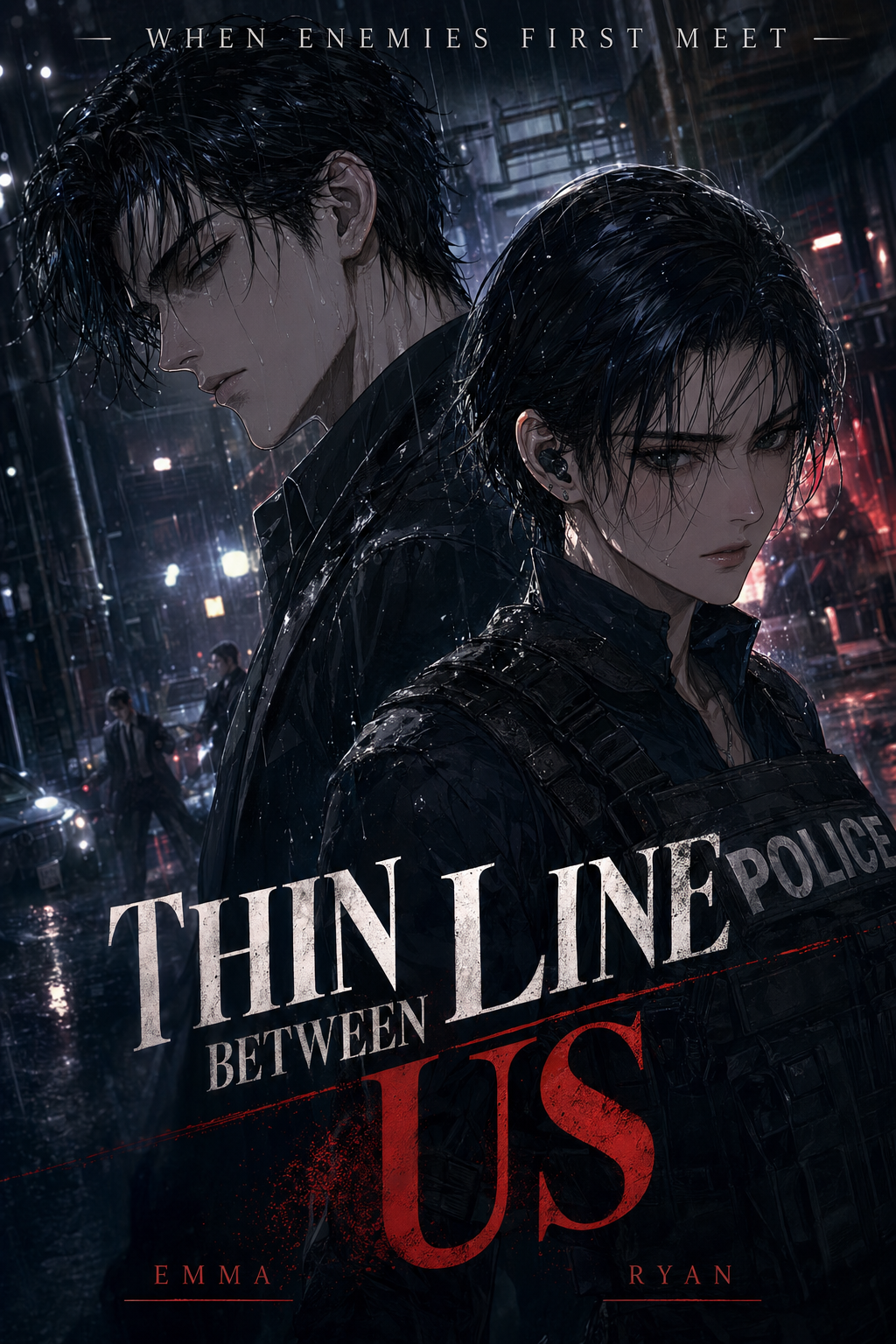
Core Principles of AI Manga Storyboard Builder
The fundamental difference between a romantic comedy layout and action-oriented pages is the prioritization of character chemistry over geometric density. While action titles often use diagonal gutters and overlapping panels to convey speed, rom-com layouts benefit from stable, predictable structures that frame the nuanced expressions of your protagonists during confession or flirtation scenes.
Effective rom-com design utilizes the following structural elements:
- Breathing Room: You must incorporate large gutters or "silence" space to let heavy emotional dialogue linger without feeling cluttered. * Reaction Focus: Reserve at least 30% of your panels for face-only reaction shots that emphasize the comedic internal conflict of the characters. * Vertical Pacing: For modern digital distributions, your panel flow should favor a consistent downward cadence that keeps the reader’s eye moving naturally toward the climax of a scene.
Why AI Manga Storyboard Builder Matters for Creators
Strategic pacing allows you to manipulate the reader's heartbeat through panel size, shifting from rapid-fire dialogue panels to wide "hero" panels for intimate confession scenes. If your layout is too rigid, you lose the ability to emphasize the "comedic release," where a high-tension romantic realization is instantly broken by a jarring, simplistic reaction shot.
| Layout Feature | Shonen Action Grid | Romantic Comedy Strategy |
|---|---|---|
| Panel Density | High (5-7 per page) | Low (3-4 per page) |
| Primary Focus | Movement and speed | Character expression |
| Gutter Usage | Tight and overlapping | Wide and distinct |
Using "asymmetrical panel bleed" allows you to break the containment of the grid during moments of extreme emotional turmoil. By letting the character art spill over the standard page margin, you visually signal to the reader that the character has lost their composure, effectively heightening the sense of a budding crush or a realization of love.
How Romantic Comedy Manga Layout Works with Mangaka
Creators can use romantic comedy manga layout to auto-arrange panels so that the narrative flow prioritizes emotional impact rather than rigid, math-based geometry. Because the platform automates the underlying storyboard skeleton, you can dedicate your energy to refining facial micro-expressions or adjusting the specific cadence of a character's dialogue without worrying about misaligned speech bubbles or broken layout gutters.
The tool allows for dynamic white-space generation, which provides the necessary silence for romantic subtext in modern vertical comic platforms-style formats. If you attempt to manualy build this space, you often run into line-weight drift or character-proportion issues when trying to rescale panels; our storyboard builder ensures that every panel aligns perfectly with your script's requested intensity.
- Storyboard Generation: Define your script beats first to let the engine suggest the ideal panel sizing. * Narrative Flow: Adjust the output to ensure the Three-Beat" reaction rule is strictly followed. * Export Readiness: Finalize your page layout as a high-resolution PNG or PDF without needing to manually crop each gutter.
Use Cases for AI Manga Storyboard Builder
Applying the Three-Beat" rule—a sequence of shock, processing, and emotional explosion—is the most reliable way to maximize comedic timing. If you condense these three reactions into a single panel, you lose the reader's ability to savor the comedy; instead, distribute them across a horizontal stack of panels to force the reader to pause at every stage of the character's confusion.
Layering depth is essential for creating a sense of closeness. Consider placing foreground elements like cherry blossoms or interior furniture in front of your characters; this frames them and creates a tactile sense of intimacy that a flat, character-only layout lacks.
- Non-Linear Stacking: Implement non-linear panel stacks during dialogue-heavy flirtation segments to mimic the dizzying confusion of a new crush. * Reaction Emphasis: Dedicate specific close-up panels solely to the eyes or mouth during subtle dialogue exchanges to reveal what a character is hiding.
- Chapter cadence. Use the AI pass for pages where speed matters most, such as repeated action poses, transformation beats, or dense speed-line panels. Keep manual cleanup for hero panels where the line style defines the emotional peak.
- Character continuity. Compare the generated lines against the same model sheet, costume notes, and facial-expression range used during sketching. This prevents a fast inking pass from drifting away from the character identity readers recognize.
- Export readiness. Check whether the final manga output can move into lettering, coloring, or final layout without rebuilding panel borders or speech-bubble space. A good manga workflow should save time while keeping the next production step predictable.
How to Get Started with Mangaka
Getting started with our storyboard builder means moving away from manual grid templates that trap your characters in tiny, cramped boxes. Rom-com layouts benefit significantly from custom, flowing compositions that prioritize character chemistry over standard industry grid-copying, especially for mobile-first digital distribution.
When planning your export format, you must prioritize the vertical continuous strip format. This allows for seamless mobile scrolling, ensuring that your punchlines are not interrupted by page-turn breaks or awkward loading screens. For those who need to maintain a print-ready file, you can easily toggle between standard page spreads and long-strip formats without needing to re-ink or re-letter your entire storyboard.
Creators should compare the generated line art with the original sketch and confirm that facial expressions, props, speed lines, and speech-bubble space still support the scene. A repeatable review pass should cover character consistency, panel readability, background clarity, and whether the final file is ready for coloring, lettering, or editor feedback. For longer projects, creators should save approved examples of line weight, face detail, clothing folds, and background density. Those references keep later chapters closer to the intended style.
The Bottom Line
A great creator workflow serves the emotional truth of your characters, not the rigid constraints of a technical grid. By focusing on the strategic placement of reaction shots and the intelligent use of white space, you create a more immersive experience that keeps your readers engaged with the central relationship. You can streamline your technical layout process today by using the romantic comedy manga layout to ensure every page keeps your creative focus on the characters and their romantic journey.
Related articles
Crafting a Romantic Suspense Manga Storyboard: A 2026 Guide
How to Build an Adventure Fantasy Storyboard for 2026
Mastering the Manga Storyboard: A Guide to Narrative Pacing