Understanding the AI Manga Storyboard Builder
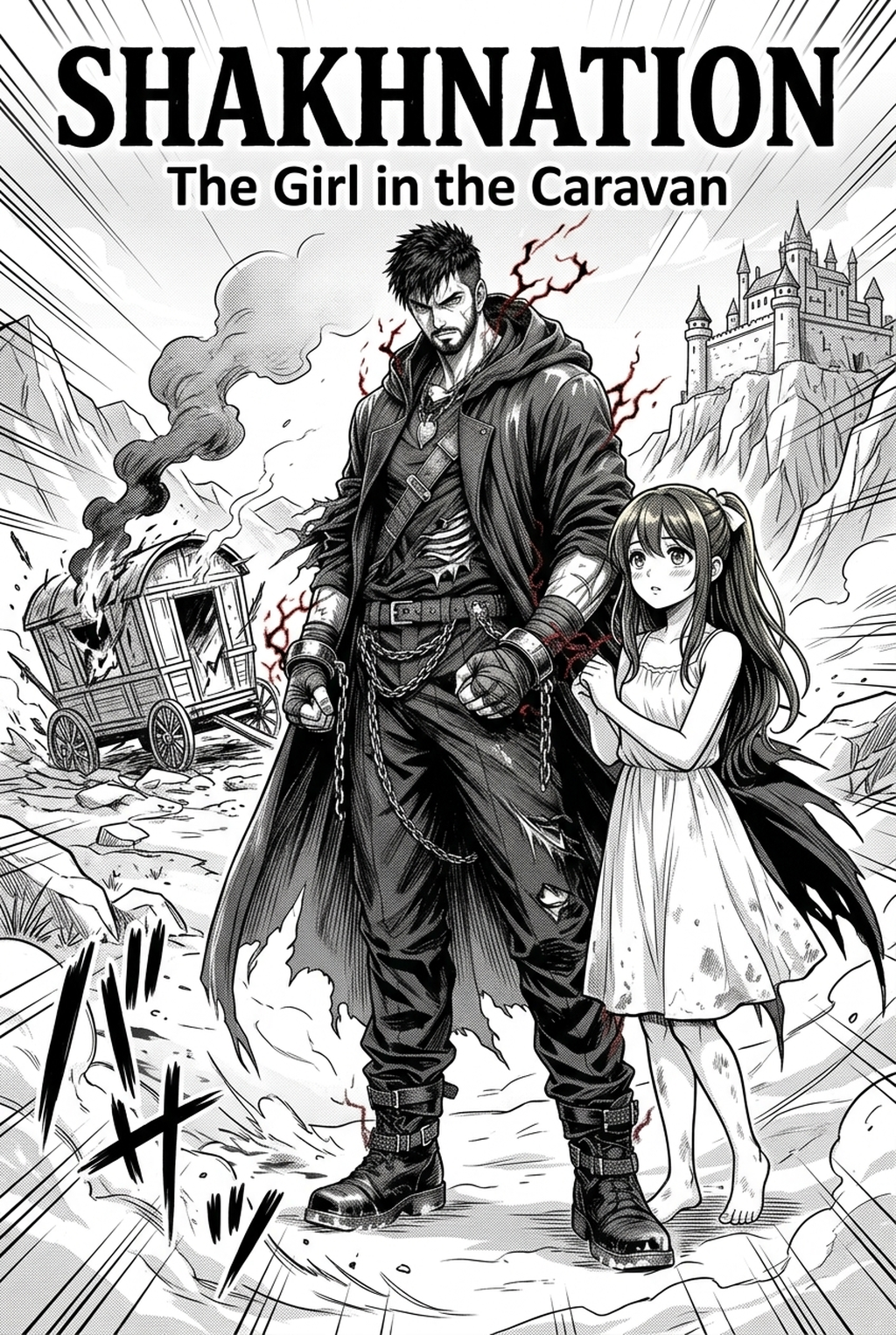
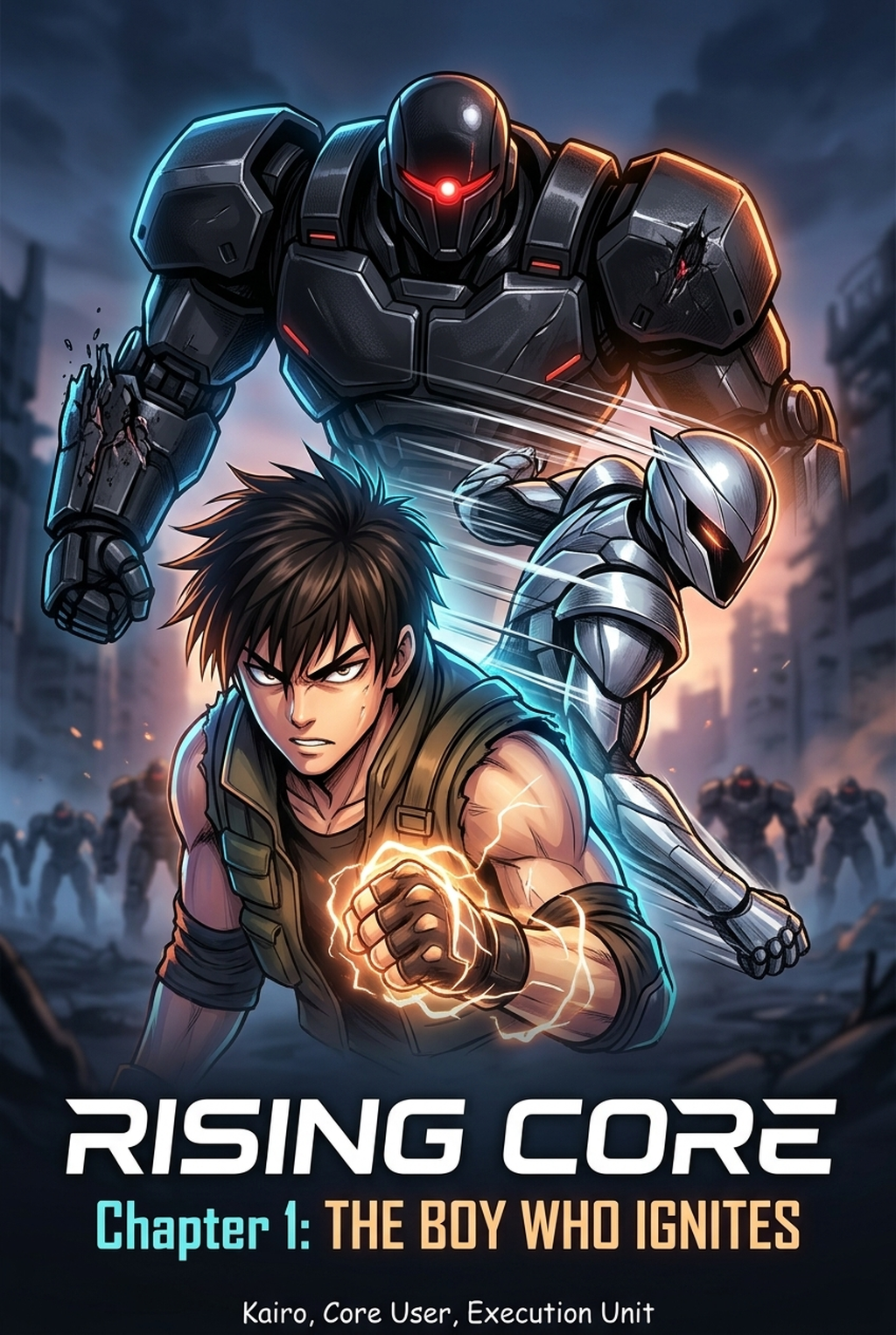
An effective adventure fantasy storyboard translates script beats into visual sequences that prioritize environmental scale and character movement through the lens of reader retention. These compositions must account for verticality, intricate magic systems, and high-energy panel layouts that force the reader's eye across the page in a deliberate, right-to-left arc.
- Establishing shots: These provide the necessary geographic context for world-building, anchoring the reader in your fantasy realm before zooming into intense character interactions. * Action rhythms: You must alternate between jagged, irregular panel shapes for fast-paced combat and wide, stable gutters for moments of narrative reflection. * Narrative breaks: These strategic pauses handle lore-heavy exposition, preventing dense dialogue blocks from suffocating the visual momentum of your page.
Why This Structure Matters for Manga Creators
Strategic planning in the early stages prevents the nightmare of having to redraw complex line art due to panel flow issues that only become apparent after you begin the inking process. By mapping out your layout first, you ensure that every creature design and environmental landmark retains perfect size consistency across multiple chapters.
| Feature | Without Storyboard | With Storyboard |
|---|---|---|
| Panel Flow | Erratic, confusing transitions | Smooth, intuitive right-to-left |
| Character Size | Frequent proportion drift | Locked scale and consistency |
| Action Impact | Static, unengaging combat | Kinetic, high-energy impact |
Visualizing your combat intensity—or what veteran artists refer to as "power scaling"—at the storyboard stage allows you to confirm that a character's aura or magic effect actually fits within the panel borders before committing to color flats. If you find your character’s limbs overlapping with critical dialogue, you can adjust the composition without the high cost of discarding fully rendered ink work.
How Your Storyboard Works with Mangaka
Mangaka provides an AI-driven environment that automates the arrangement of panels based on your specific narrative inputs, ensuring your layout respects the traditional manga read flow. This workflow eliminates manual composition fatigue by interpreting your scene descriptions into balanced frames, allowing you to focus on the emotional beat of the sequence rather than grid alignment.
When you use the adventure fantasy storyboard , the tool maintains structural integrity between panels, ensuring that the transition from a wide-angle world shot to a close-up character reaction remains seamless. This feature is vital for adventure fantasy where the sudden movement from an open field to a dungeon crawl can easily disorient a reader if the gutter spacing and perspective cues are not handled with absolute precision.
Advanced Use Cases for Fantasy Pacing
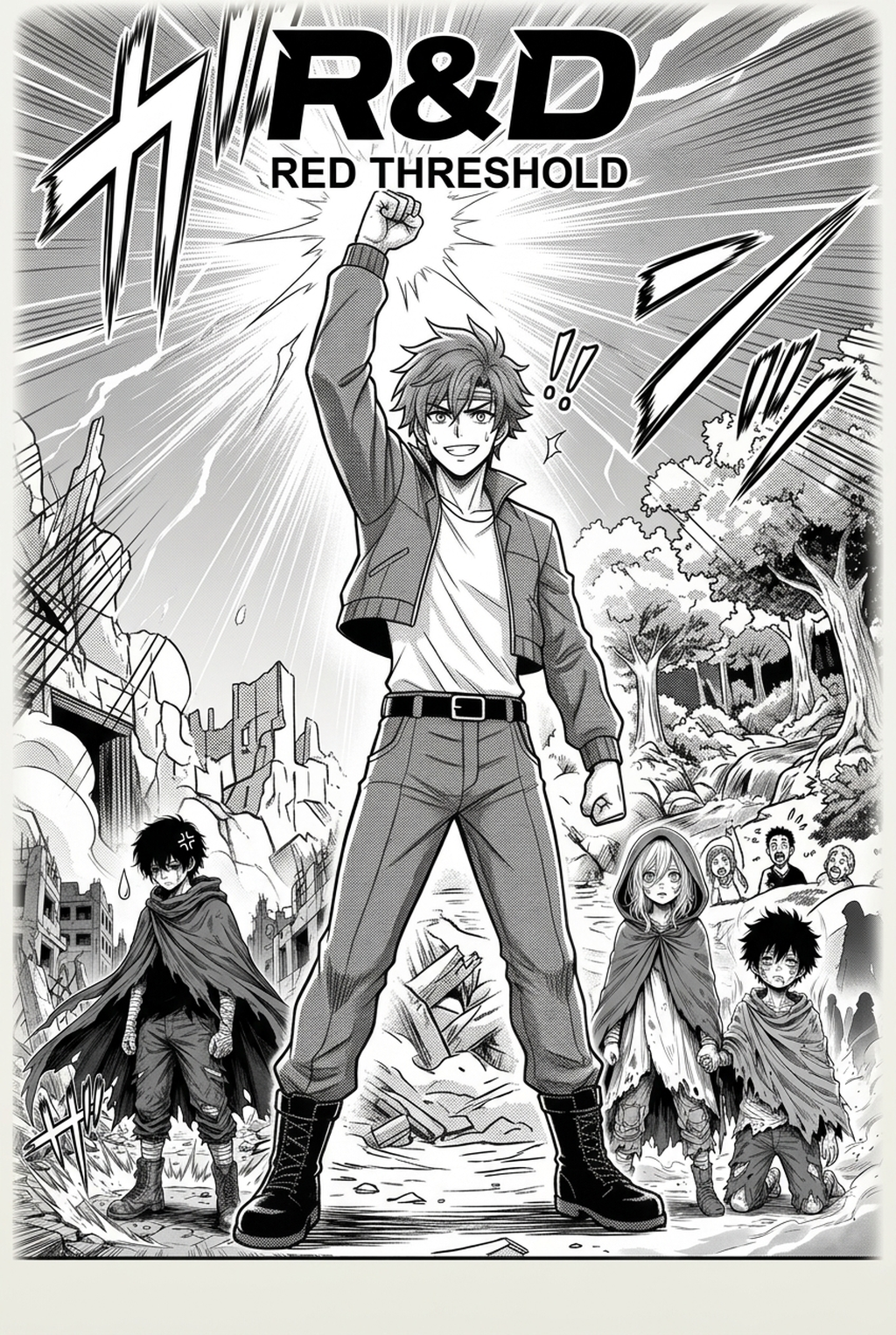
Dynamic panel breaking is the primary strategy used to emphasize speed during combat, often utilizing tilted horizons or bleeding frames to break the standard grid. You should treat the storyboard stage as a testing ground for these irregular shapes, as they directly dictate the speed at which a reader consumes your action sequences.
- Visualizing magic systems: You can map out particle effects and aura placements during the storyboard stage to avoid clutter in the final inking phase, ensuring your character remains the focal point. * Environmental anchoring: Use consistent background elements during dungeon crawls or aerial travel to maintain the source context, which prevents readers from losing track of character positions during high-speed movement. * Layering for export: By keeping your storyboard layers distinct from your final line art, you gain the ability to export draft PNGs for dialogue placement checks before finalizing your high-resolution page files.
- Chapter cadence. Use the AI pass for pages where speed matters most, such as repeated action poses, transformation beats, or dense speed-line panels. Keep manual cleanup for hero panels where the line style defines the emotional peak.
- Character continuity. Compare the generated lines against the same model sheet, costume notes, and facial-expression range used during sketching. This prevents a fast inking pass from drifting away from the character identity readers recognize.
- Export readiness. Check whether the final manga output can move into lettering, coloring, or final layout without rebuilding panel borders or speech-bubble space. A good manga workflow should save time while keeping the next production step predictable.
Getting Started with Mangaka
Creators often worry about how much control they retain when using automated tools for their foundational layout work. While the tool suggests an optimal narrative flow based on your input, you maintain full creative authority to override and edit every panel position or shape to better fit your specific artistic vision.
- Can I use the tool for genres other than adventure fantasy? Yes, while the software is optimized for the complex composition requirements of fantasy series, the panel arrangement tools are fully customizable for any genre, from slow-paced slice-of-life to mystery. * Does the storyboard determine the final art style? No, the storyboard creates the essential narrative framework; the actual art generation for line weight and character details acts as a subsequent, specialized layer that you refine after the layout is locked. * What is the recommended export format for review? For maximum compatibility with later inking or coloring software, you should export your completed storyboard as a layered PSD or high-resolution PDF file. * How does this impact my total production time? By automating the tedious task of grid alignment and panel spacing, most creators find they can reduce their pre-inking phase by up to 40%, leaving more time for detailed inking and tone application.
Creators should compare the generated line art with the original sketch and confirm that facial expressions, props, speed lines, and speech-bubble space still support the scene. A repeatable review pass should cover character consistency, panel readability, background clarity, and whether the final file is ready for coloring, lettering, or editor feedback.
The Bottom Line
Related articles
Mastering the Manga Storyboard: A Guide to Narrative Pacing
What Is 4-Koma Manga? A Guide to the 4-Panel Format 2026
Mastering Detective Story Manga Layout: A 2026 Guide