The Visual Mechanics of AI Manga Inker
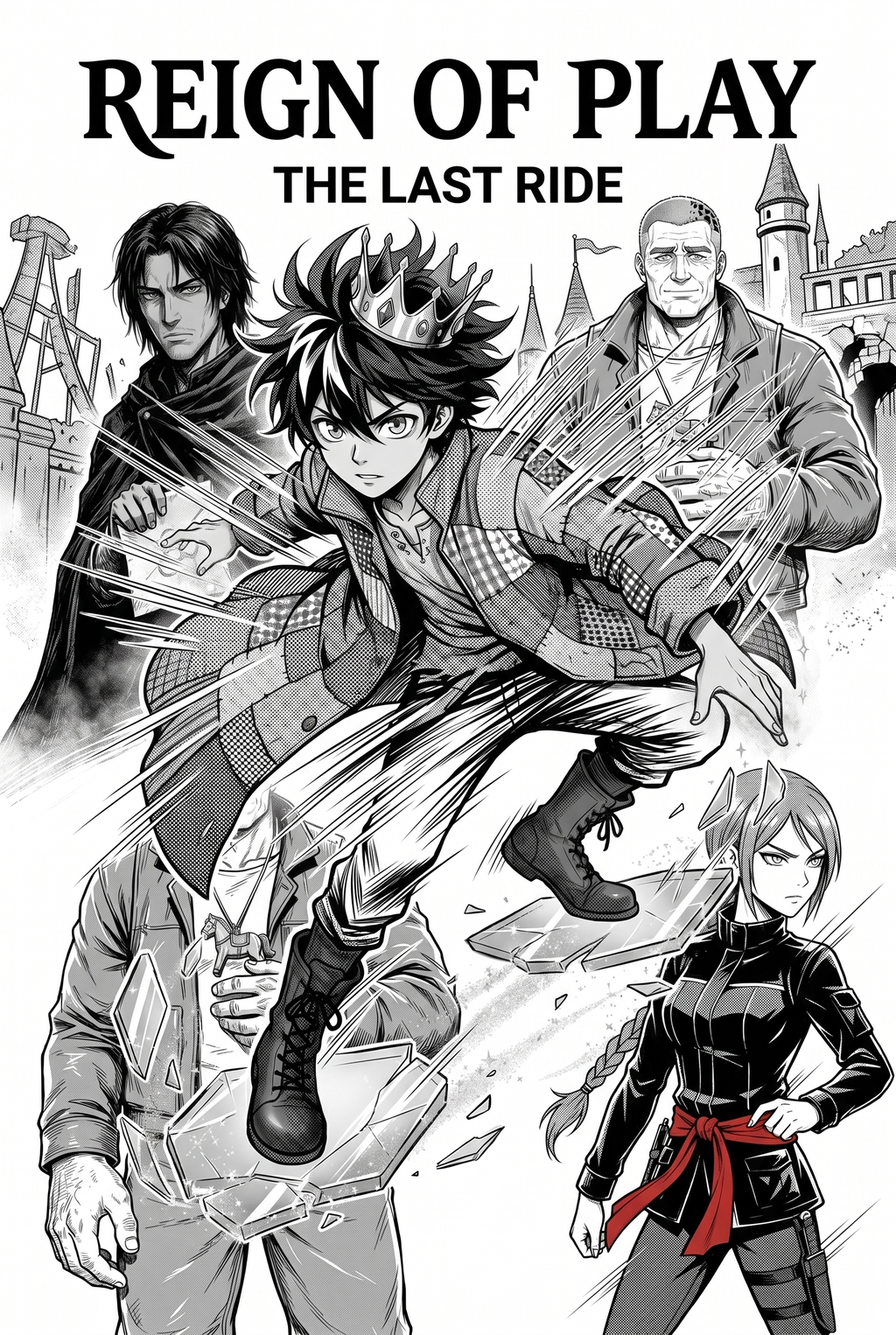
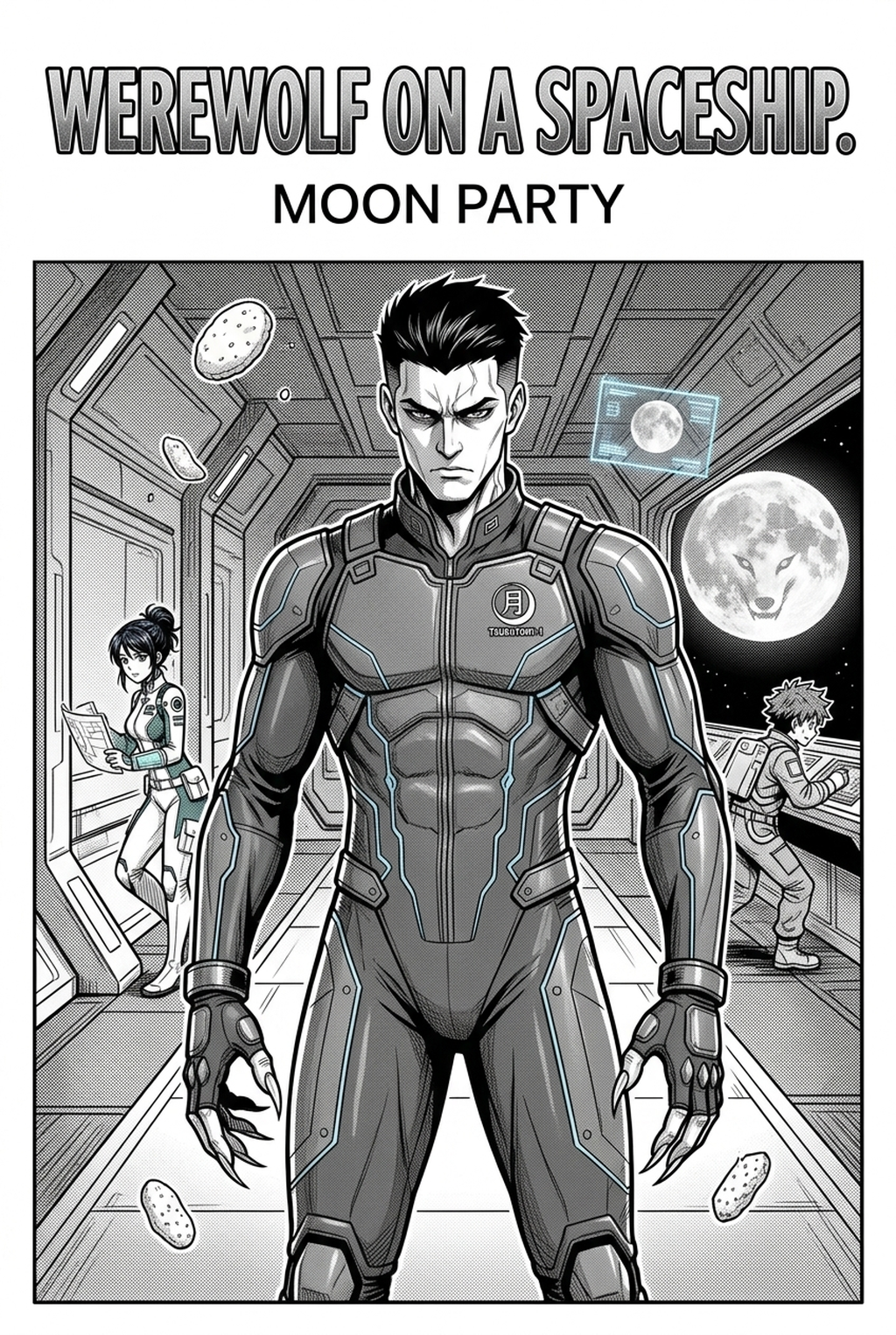
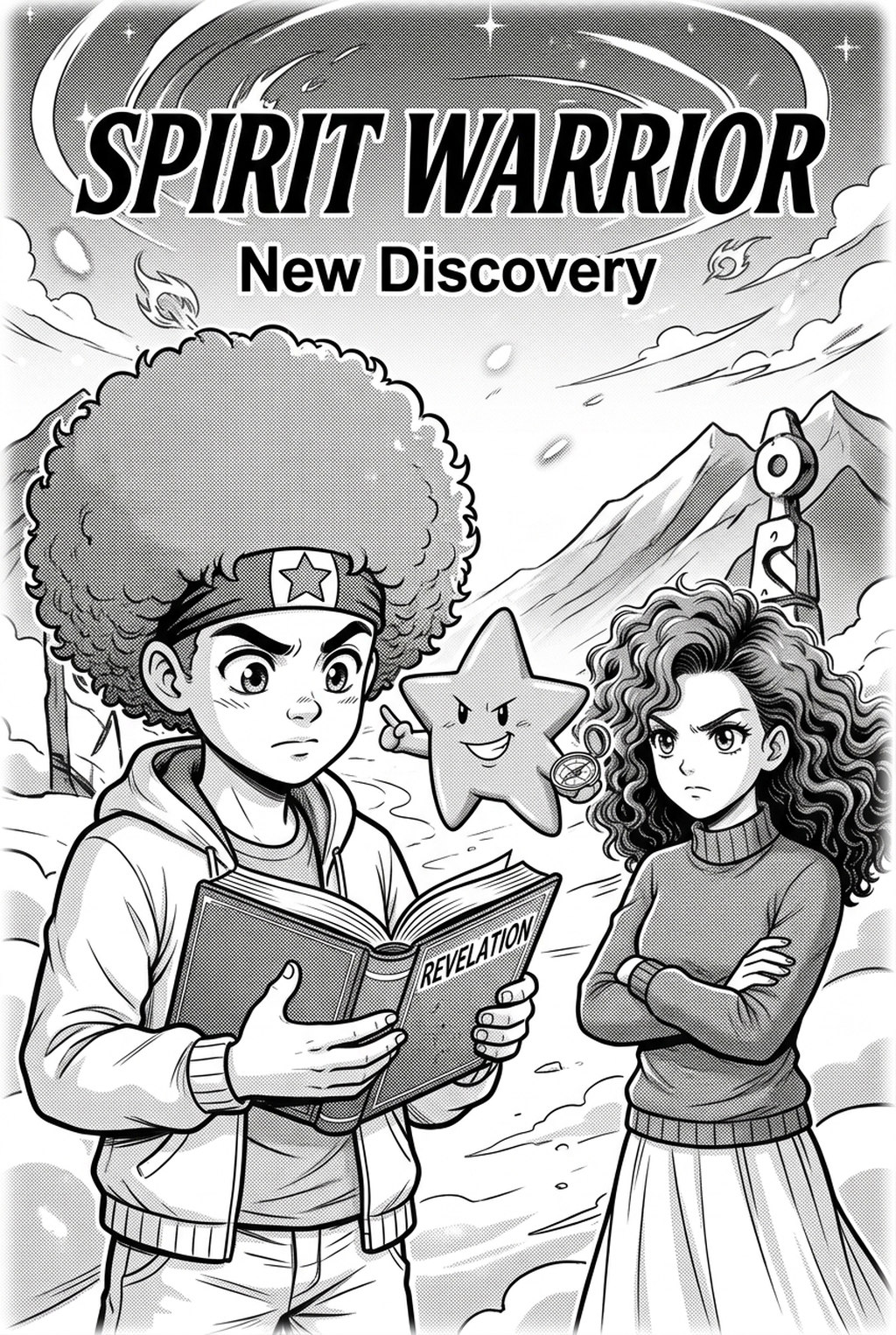
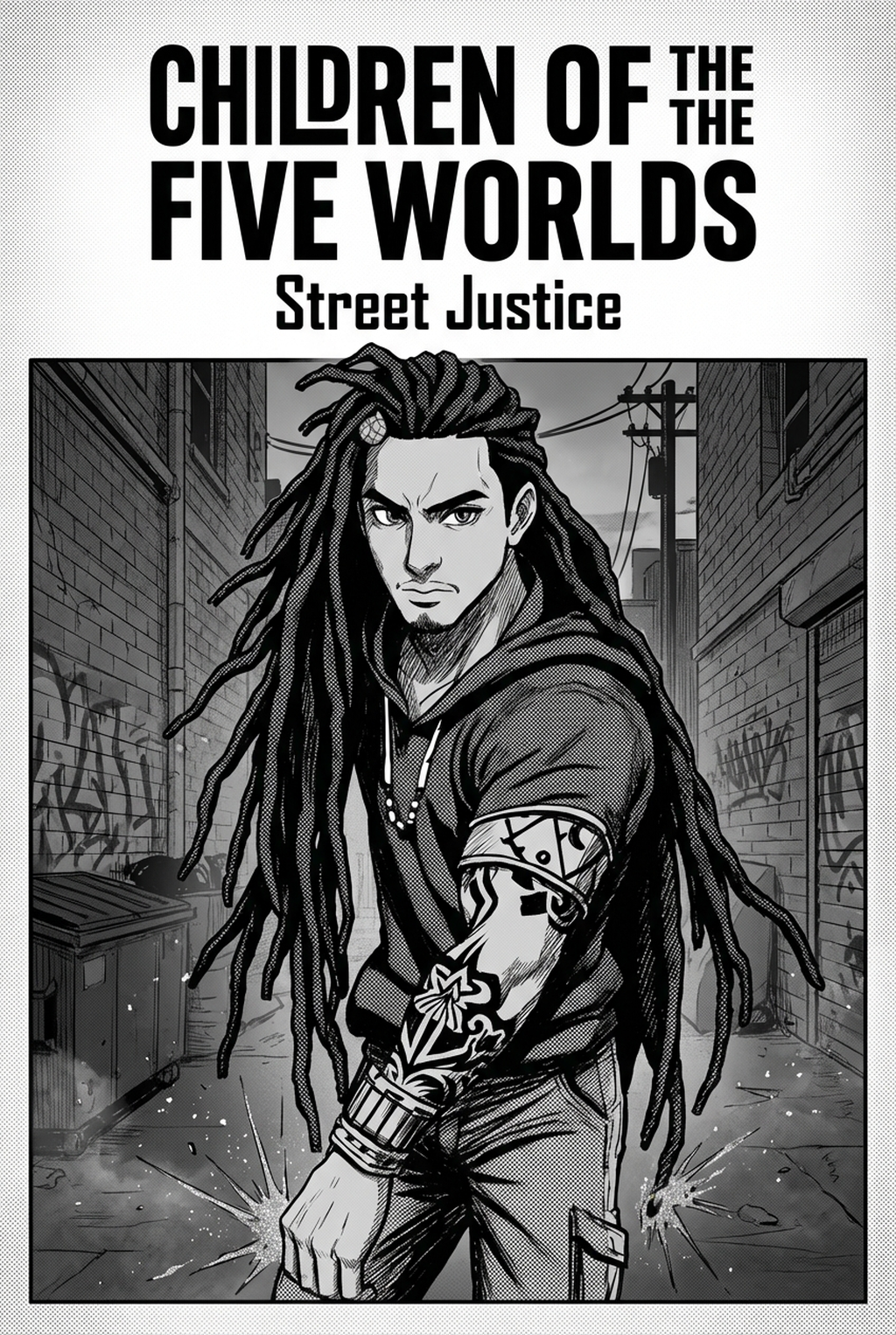
Shonen inking relies on extreme variable line weight to guide the reader’s eye across chaotic battle panels without losing character detail. These dense, aggressive strokes prioritize high-contrast readability, ensuring that a character’s silhouette remains distinct even during complex movement-based fight choreography.
Mastering the transition from a thick, weighted base line to a sharp, needle-thin finish defines the "shonen look. This technical application of line weight creates a sense of physical mass in characters, preventing figures from appearing flat against background speed lines or complex environmental destruction.
Creators ground their figures within the panel by applying solid, high-contrast black shadows known as 'kage'. Unlike shojo styles that emphasize delicate hatching and texture, shonen inking demands bold, decisive blocks of ink that pull the character to the foreground, which is vital when a panel contains multiple shifting figures or debris.
Why AI Manga Inker Matters for Manga Creators
Professional-grade inking acts as the structural foundation for your story, transforming raw, messy pencil layouts into a finished product capable of maintaining visual momentum. This keeps the review focused on story intent, line weight, panel readability, and the export quality behind the final AI Manga Inker output.
Independent titles often struggle with "line-weight drift," where the stroke density changes noticeably from the first panel to the bottom of the page. By maintaining a strict, standardized inking discipline, you ensure that the intensity of a character's stance remains uniform, preventing reader fatigue during long-form battle sequences.
Readers judge professional-grade work by the crispness of the line art and the confidence of the shadows. A consistent inking aesthetic allows your indie title to hold its own against serialized industry giants by demonstrating a technical mastery that feels intentional and deliberate rather than sketched.
How Shonen Manga Inking Style Works with Mangaka
Mangaka functions as your digital production assistant, taking your raw, hand-drawn pencil thumbnails and refining them into high-fidelity, clean line art. By leveraging this tool, you remove the tedious, repetitive hours spent manually filling in 'kage' or stabilizing wobbling pen strokes, allowing you to focus entirely on the core storytelling of your battle sequences.
The AI Manga Inker analyzes your pencil layout, interpreting your intent to generate crisp vector or raster lines that honor the original anatomy while fixing structural inaccuracies. This workflow ensures that each panel maintains the sharp, professional edge required for modern digital platforms without requiring a manual inking redo for every frame.
When illustrating vector motion or standard battle layout speed lines, the software recognizes the trajectory of your strokes. It automatically stabilizes these lines, ensuring that your background effects complement the character anatomy rather than distracting from the central focal point of the panel.
Check character consistency, panel readability, line quality, and export readiness before publishing. Creators should also record why the page passed review, which panel details still need manual cleanup, and which export format the next collaborator will use. That makes the subsection useful instead of leaving a short checklist under a large heading.
Use Cases for AI Manga Inker
You can leverage advanced digital inking to solve specific composition challenges that frequently stall production during the middle phase of a chapter. These scenarios show how technical precision directly impacts the final reader experience in high-energy sequences. In mid-range panels, characters often become lost in high-contrast backgrounds, such as crumbling cityscapes or complex energy blasts. By using digital tools to isolate and emphasize the character’s outer contour with a heavier stroke, you maintain the "pop" necessary for visual clarity.
Creating a consistent, 15-page fight sequence requires maintaining the same pen-pressure aesthetic from the first panel to the final, double-page splash. AI-refined inking prevents the loss of line quality that occurs as your hand grows tired during a long session, ensuring that every frame in your sequence remains visually consistent with the first.
How to Get Started with Mangaka
Integrating digital tools does not mean abandoning the organic feel of a traditional G-pen or the physical drafting process you prefer. Instead, it serves as a force multiplier that bridges the gap between your conceptual thumbnails and a high-resolution, export-ready shonen manga inking style for distribution.
Modern models are trained on professional line datasets to mimic the unique pressure-sensitivity and varying stroke ends of traditional dip-pens. You can achieve a natural, hand-inked aesthetic while benefiting from the speed and accuracy of digital vectorization.
AI is a tool for productivity and refinement, not a replacement for your core anatomy or composition knowledge. The tool performs at its peak when provided with solid, high-quality pencil layouts, proving that your artistic vision remains the driver behind the final page.
Creators should compare the generated line art with the original sketch and confirm that facial expressions, props, speed lines, and speech-bubble space still support the scene. A repeatable review pass should cover character consistency, panel readability, background clarity, and whether the final file is ready for coloring, lettering, or editor feedback.
Creators should save approved examples of line weight, face detail, clothing folds, and background density. Those references keep later chapters closer to the intended style. For collaboration, creators should mark which panels are final and which panels still need redraws. Clear status labels prevent an assistant, editor, or colorist from polishing the wrong version.
The Bottom Line
Mastering the shonen inking style is the most effective way to elevate your manga to a professional standard, turning raw sketches into sharp, high-impact battle panels. By utilizing shonen manga inking style , you can achieve that high-contrast, professional-grade look while reclaiming the hours usually lost to manual inking and shadow-fill.
Related articles
Mastering Shonen Manga Background Art for Creators 2026
Mastering Shonen Manga Inking Techniques: A Pro Guide 2026
AI Manga Speech Bubble Layout for Shonen Manga 2026