AI Manga Character Designer: Importance of Character Design for Serialized Manga Creators
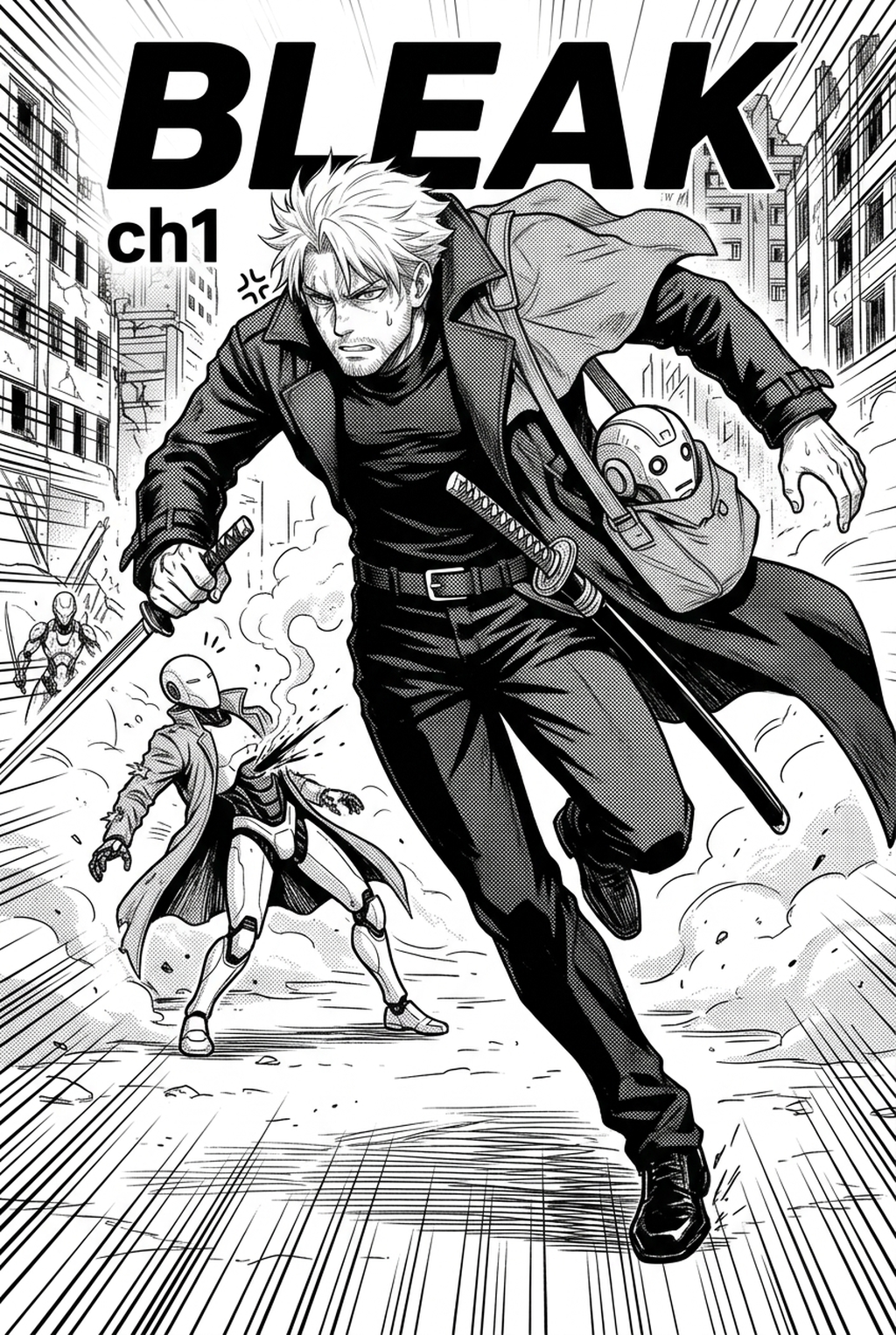
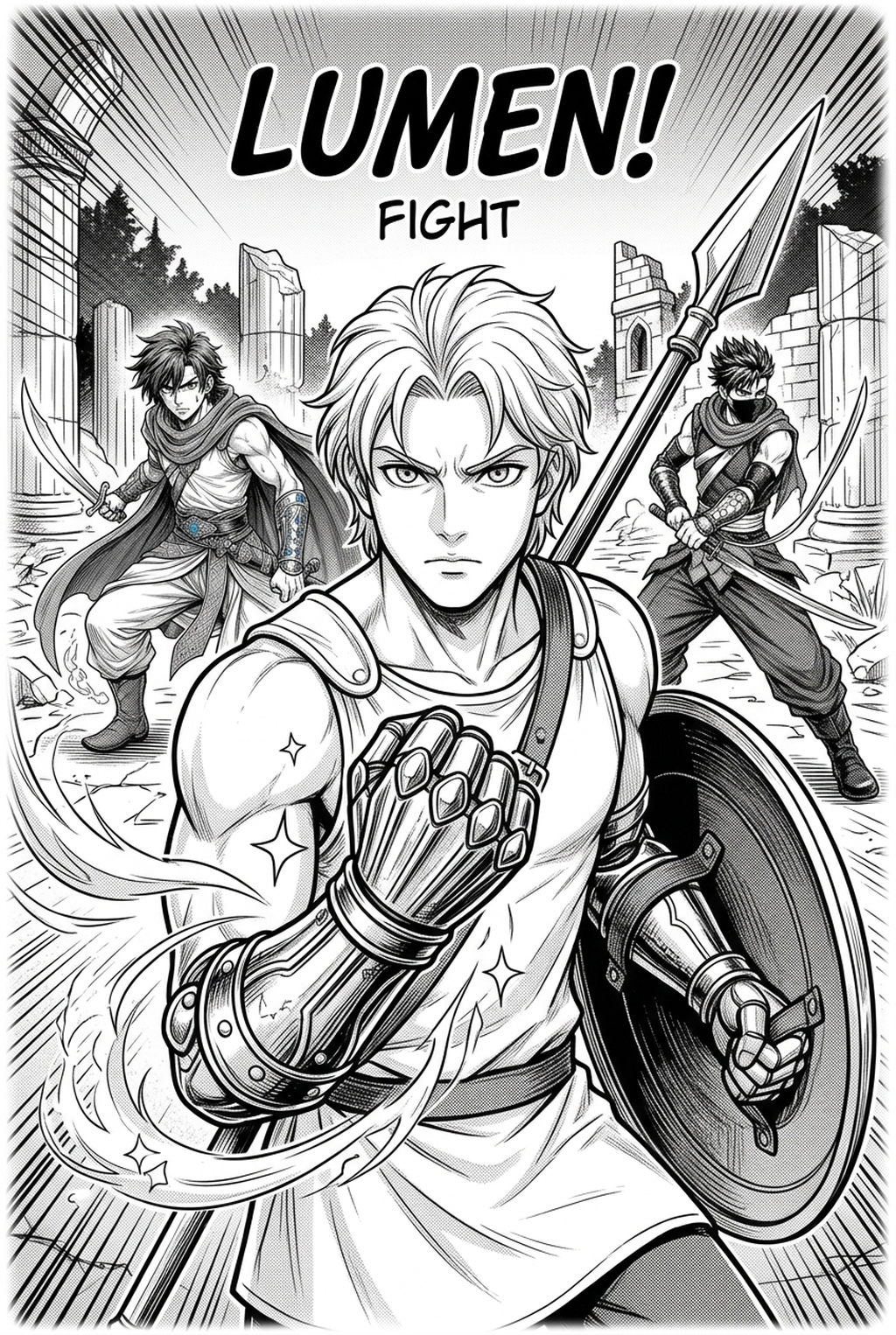
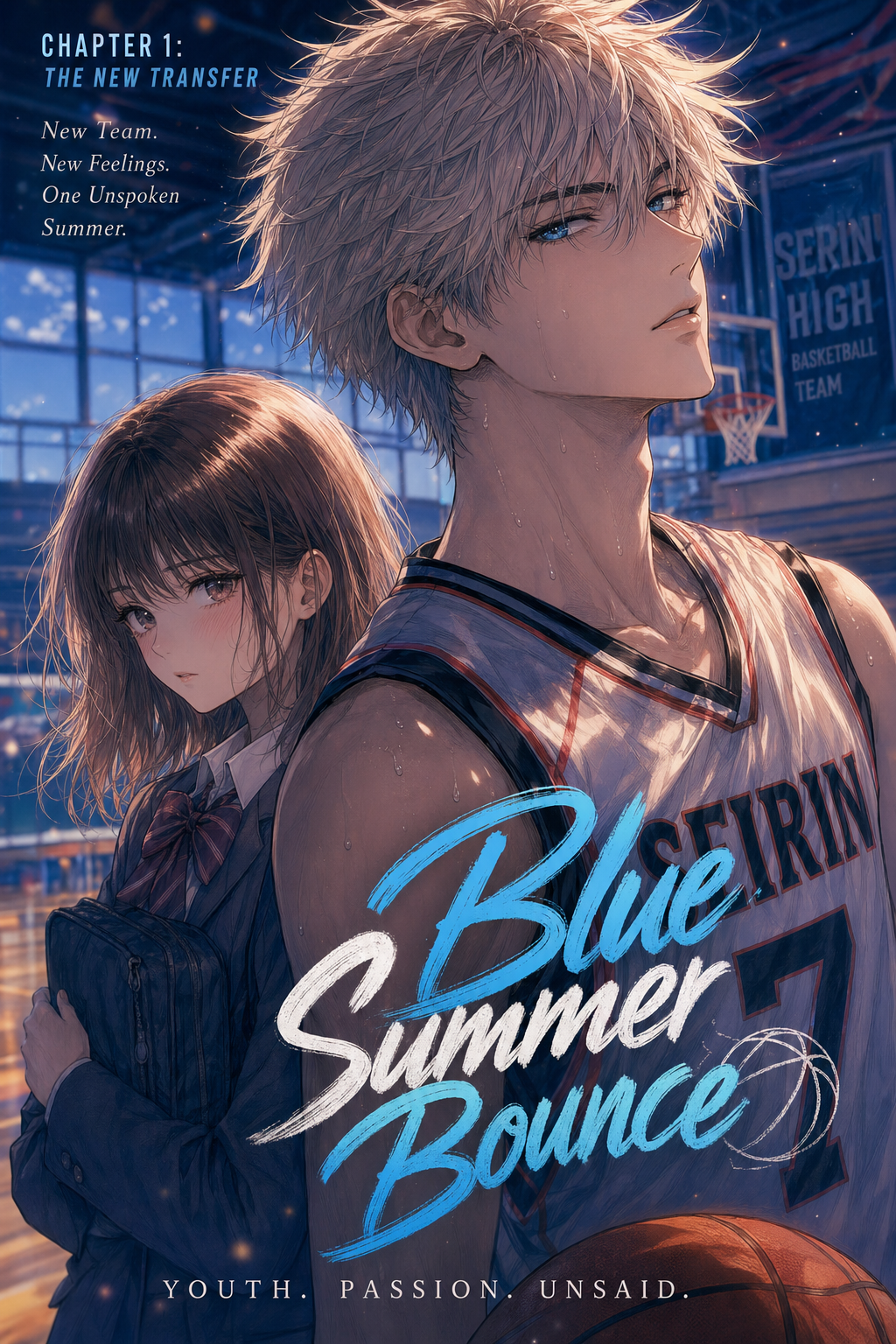
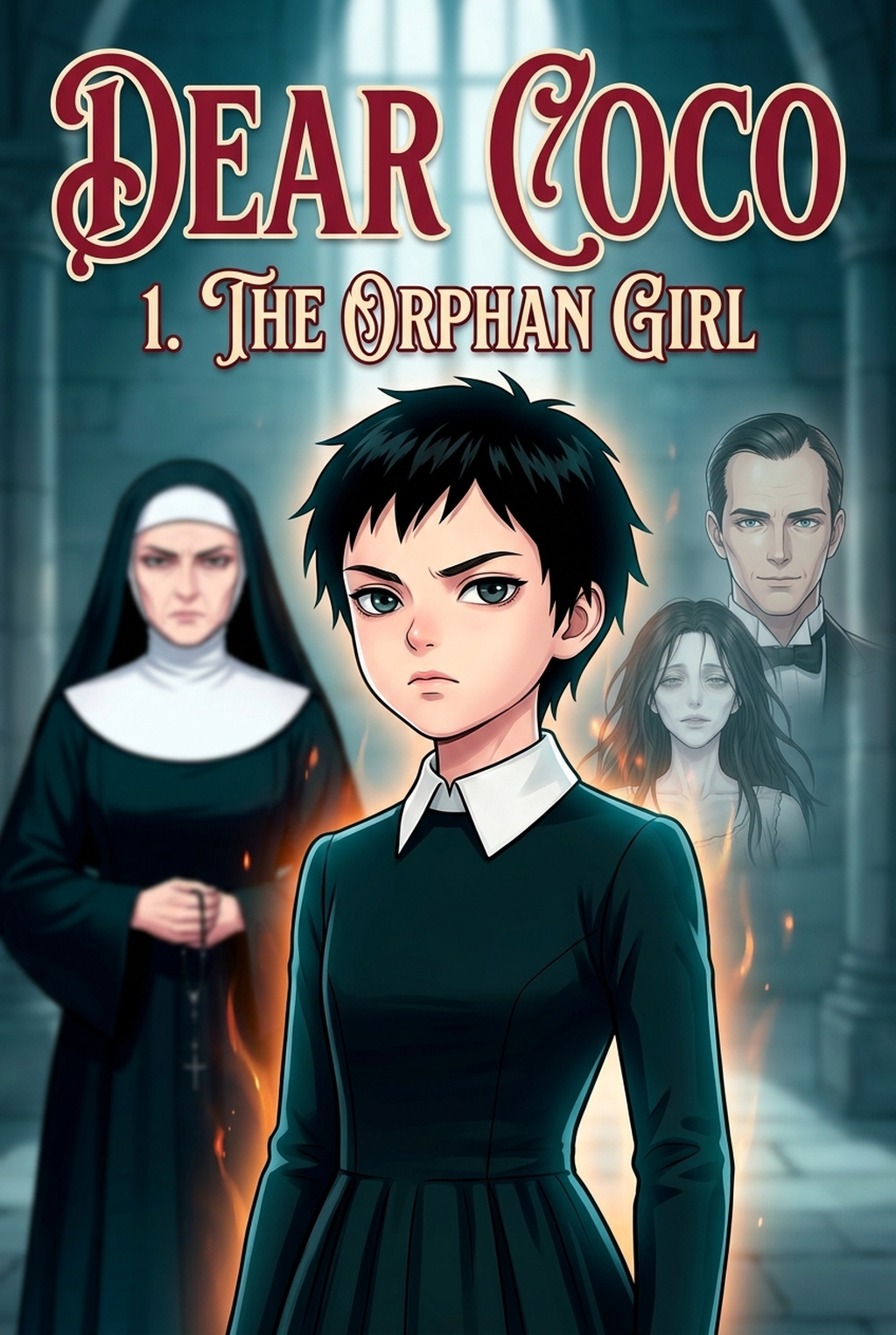
Maintaining character integrity is the single most important factor for reader retention in a serialized work. If a character’s proportions shift—even by a small percentage—between two panels on the same page, the reader’s immersion is instantly broken. In a high-quality production, your character sheet serves as a source of truth that defines the relationship between the head, torso, and limbs. If you deviate from these ratios, your work begins to look amateurish, regardless of how high-fidelity your final line art might be.
Persistent physical markers provide a necessary anchor for the reader, especially in stories with frequent outfit changes or costume damage mechanics. By assigning specific metadata-tags to these physical markers in your design software, you ensure that even when a character is drastically redesigned for a story arc, the core identity remains intact. This approach allows you to experiment with new designs without alienating the audience that grew attached to the original version of the character.
How Ecchi Manga Character Design Works with Mangaka
Creators leverage AI-driven environments to translate complex text descriptions into persistent character models, effectively solving the issue of manual labor during the sketching phase. Instead of redrawing the same character fifty times, the system processes your input requirements to generate specific panels that honor your established design rules.
Utilizing Creative Brief-Based Inputs for Uniformity. When you define a character’s look, you should focus on quantitative descriptors such as "shoulder-to-hip ratio" or "iris-to-eye-opening percentage. By using these specific constraints, the system ensures that the AI output remains true to your creative brief. This is vital when you are managing a tight production schedule and cannot afford to spend hours fixing character proportions in a cleanup pass.
By offloading the technical rendering of characters to the tool, you reclaim the cognitive bandwidth needed for high-level composition and story pacing. You no longer have to struggle with repetitive line-weight consistency or shading alignment, as the system maintains your defined style parameters from the first storyboard to the final inked page. This allows you to focus on the narrative flow and the emotional impact of each scene, rather than the minutiae of character construction.
Use Cases for AI Manga Character Designer
Implementing 'pose-logic' is the defining factor that separates high-budget output from generic AI results. The system must maintain skeletal constraints, ensuring that even when a character is placed in an exaggerated pose for fan service, the limbs and torso maintain realistic joint connectivity.
A major hurdle in professional manga production is the shifting of skin shading when a character moves from a dark indoor scene to a bright outdoor setting. You should utilize metadata-tagging to lock specific shading nodes, ensuring that the light source consistently hits the body from the expected angle. This prevents the "pasted-on" look that occurs when lighting doesn't match the background environment.
Imagine you are working on a 20-page chapter. You begin with a raw storyboard where the characters are represented by basic silhouettes. You input your character model into the platform, specifying a "dynamic action pose" for page 12. The tool generates the character at 300 DPI, preserving your specific ink-style parameters. You then export the output as a PSD with separated layers, allowing you to manually refine the line-weight on the hair while keeping the base character anatomy perfectly locked.
How to Get Started with Mangaka
Transitioning to an AI-assisted workflow requires a shift in how you view character sheets. Instead of seeing them as static images, view them as living references that your design tool updates in real-time. When switching between styles, such as moving from a soft-focus romantic aesthetic to a sharp, high-contrast action look, rely on style-control presets. This ensures that the base model remains identical, even if the "brush" or "ink" characteristics change.
Workflow Fit for Creator Output
Check character consistency, panel readability, line quality, and export readiness before publishing. Creators should also record why the page passed review, which panel details still need manual cleanup, and which export format the next collaborator will use. That makes the subsection useful instead of leaving a short checklist under a large heading.
Creative control is never lost because you retain the ability to edit the generated layers. The most effective way to transition from a rough storyboard is to use the AI to generate the base structure, then apply your manual inking pass on an overlay layer. This hybrid method ensures that your unique artistic voice remains the primary driver of the final product while the technology manages the heavy lifting of proportion management.
Review Controls Before Export
Creators should compare the generated line art with the original sketch and confirm that facial expressions, props, speed lines, and speech-bubble space still support the scene. A repeatable review pass should cover character consistency, panel readability, background clarity, and whether the final file is ready for coloring, lettering, or editor feedback. For longer projects, creators should save approved examples of line weight, face detail, clothing folds, and background density. Those references keep later chapters closer to the intended style.
Creators can evaluate ecchi manga character design with Mangaka mid-workflow when they need the product path tied directly to review, refinement, and export. A real test should use the same sketch, character goal, or panel sequence that would otherwise need manual cleanup after generation.
The Bottom Line
Modern manga success relies on the intersection of professional aesthetic standards and the technical ability to produce high-quality character designs at scale. By integrating AI-driven tools, creators remove the technical bottlenecks that lead to proportion drift and inconsistent inking, allowing for a more narrative-focused production cycle. You can start refining your workflow and ensuring absolute character integrity for your next project by using the ecchi manga character design today.
Related articles
Understanding the Ecchi Manga Art Style: A Creator's Guide
Mastering Cooking Manga Background Design: A 2026 Guide
Mastering Food Manga Art Style: A Guide for Creators 2026