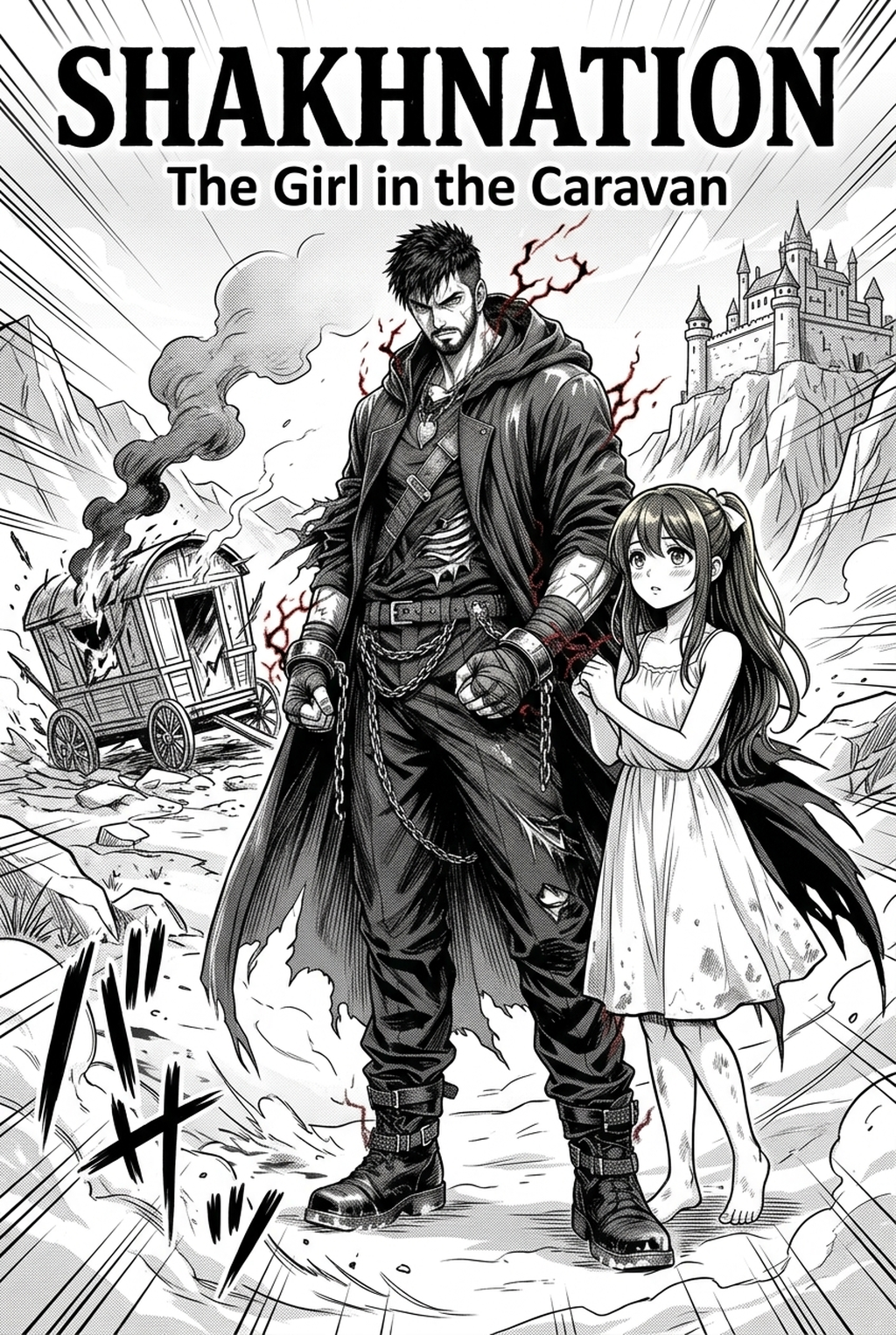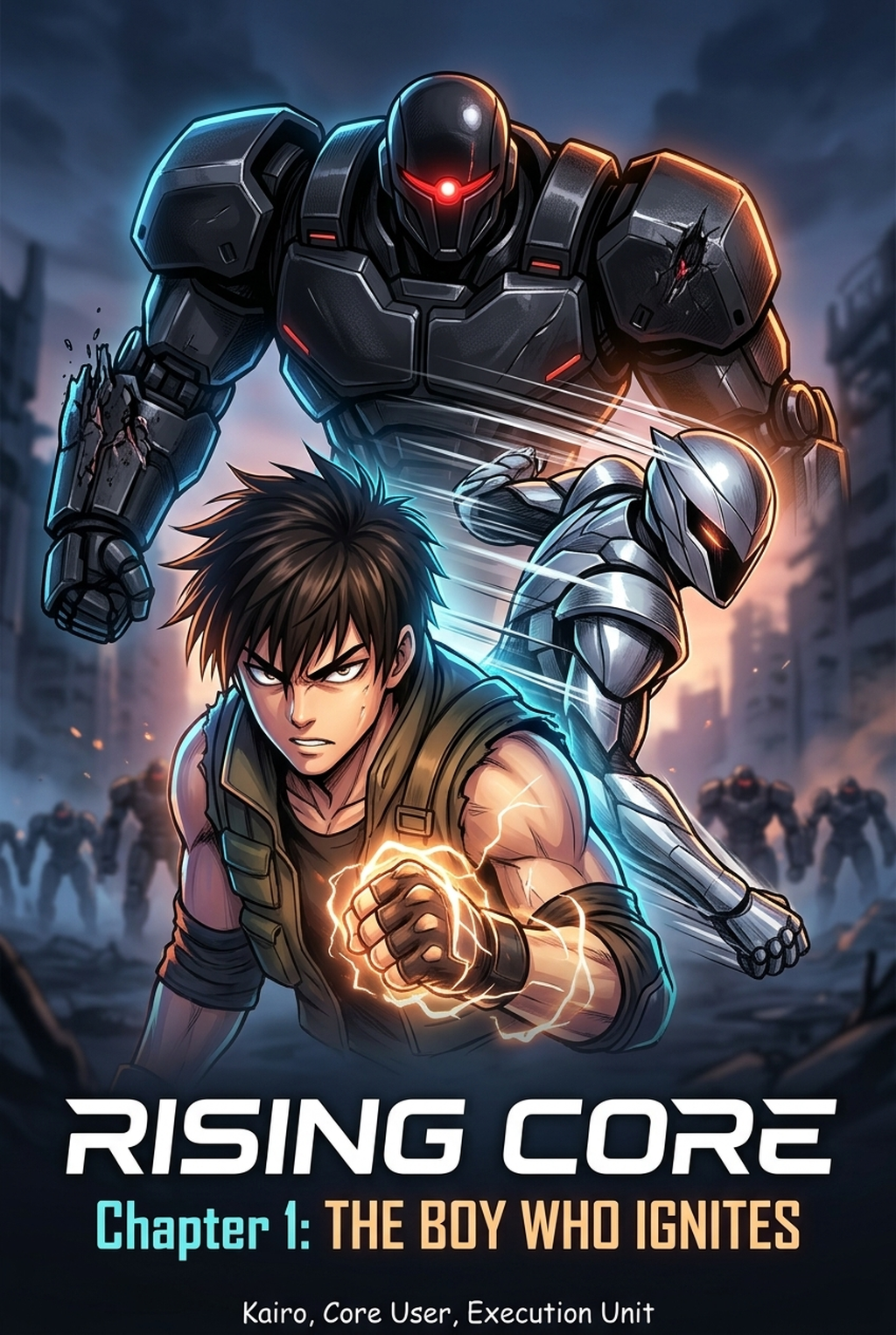
AI Manga Background Artist: Architectural Foundations in Period Fiction
Authentic environment design relies on the synthesis of primary historical sources and specific architectural archetypes relevant to your setting. By mapping the layout of your panels to the known structural techniques of the era—such as the specific cantilevered roofing or street-level signage of 19th-century urban centers—you establish a visual anchor that keeps your readers immersed.
Successful world-grounding requires understanding the load-bearing logic of your chosen period. If you are drawing a fantasy-historical setting, applying the structural rules of timber-framing or medieval stone masonry ensures the buildings look like they were built by human hands rather than floating as decorative set-pieces behind your characters.
The ultimate test of a background is its ability to support the character narrative without pulling focus from the action. You must translate complex real-world structures into readable ink lines, using heavier line weights for foreground silhouettes and thinner, delicate lines for distant facades to maintain natural depth in your 2D page layouts.
- Chapter cadence. Use the AI pass for pages where speed matters most, such as repeated action poses, transformation beats, or dense speed-line panels. Keep manual cleanup for hero panels where the line style defines the emotional peak.
- Character continuity. Compare the generated lines against the same model sheet, costume notes, and facial-expression range used during sketching. This prevents a fast inking pass from drifting away from the character identity readers recognize.
- Export readiness. Check whether the final manga output can move into lettering, coloring, or final layout without rebuilding panel borders or speech-bubble space. A good manga workflow should save time while keeping the next production step predictable.
The Impact of Environmental Consistency
Visual consistency acts as a silent storyteller, reinforcing the time period to the reader before the dialogue even begins. In Seinen and mature-audience manga, where the weight of the historical setting often dictates the tone of the conflict, maintaining this internal logic is a professional necessity.
Meticulous detailing builds a sense of realism that justifies the reader's investment in your plot. When your architectural style drifts—such as using anachronistic shoji patterns in a scene that demands strict Edo-period fidelity—you inadvertently break the audience's suspension of disbelief, turning a grounded drama into a distracting, jarring experience.
Professional-grade production requires avoiding the common pitfall of 'anachronistic drift,' where disparate historical eras bleed into one another. Establishing a rigid style guide for your series ensures that every chapter, from initial storyboards to the final print-ready PDF export, adheres to the specific architectural vernacular you defined in your creative brief.
Leveraging AI for Architectural Production
Mangaka streamlines the design process by generating high-fidelity environment plates from text-based scene descriptions, reducing the need for manual perspective construction. This approach allows you to focus your limited creative energy on the human elements—weathering, foliage, and clutter—that truly breathe life into a static scene.
By using the tool to create base layers, you avoid the repetitive labor of drafting identical city blocks or street stalls. You can generate a 300dpi background plate that respects your intended camera angle, then overlay your own character line art and tone work, ensuring the result feels like a seamless piece of cohesive manga art.
Manual perspective drafting for an complex urban environment often requires two days of dedicated work, but Historical manga background design with Mangaka reduces this to a fraction of the time. This efficiency is critical for serialization, where maintaining a high page count without sacrificing architectural quality is the primary obstacle to meeting your release deadlines.
Professional Applications for Background Assets
A common use case involves creating a dedicated style guide that defines the specific visual language of your series. By pinning down the exact roof tiling, street furniture, and signage variations early, you can reuse these consistent elements throughout your story, ensuring the background feels lived-in rather than randomly generated.
Historical scenes often demand wide-angle shots to establish the scale of a town or palace. By using the AI to produce these expansive, complex backgrounds, you prioritize depth and scale, which provides a dramatic contrast when you shift to tight, character-focused close-ups during moments of emotional intensity.
You can generate multiple variants of stalls and period-accurate props to populate the background. This avoids the static, sterile look that haunts many digital backgrounds, as the subtle variations in object placement make the environment feel organic and grounded in a living, breathing history.
Getting Started with Professional Tools
Creators often ask if AI can replicate specific historical styles like the Meiji era or medieval European stone-work. Because the model is trained to interpret architectural nuance, you can request specific periods with high accuracy, provided you specify the key structural hallmarks in your input.
To steer clear of the sterile, overly-clean look often associated with digital assets, treat the AI output as a base layer. You should apply manual inking passes, add subtle paper textures, and introduce hand-drawn 'distress' patterns—such as chipped plaster or worn timber—to unify the generated structures with your character linework.
Adopting this workflow replaces manual perspective grids with a system that promotes speed without compromising detail. By reallocating the hours previously spent on repetitive drafting, you can devote more time to character expressions and the delicate timing of your storyboard panels, leading to a much higher quality final product. Before export, creators should compare the generated line art with the original sketch and confirm that facial expressions, props, speed lines, and speech-bubble space still support the scene.
The Bottom Line
Historical accuracy is not just a stylistic choice; it is the backbone of a believable narrative that keeps your readers engaged. By integrating efficient tools like Historical manga background design into your production cycle, you can master complex historical background design without sacrificing the time needed for character-driven storytelling.
Related articles
Mastering Ecchi Manga Character Design: A 2026 Guide
Understanding the Ecchi Manga Art Style: A Creator's Guide
Mastering Cooking Manga Background Design: A 2026 Guide