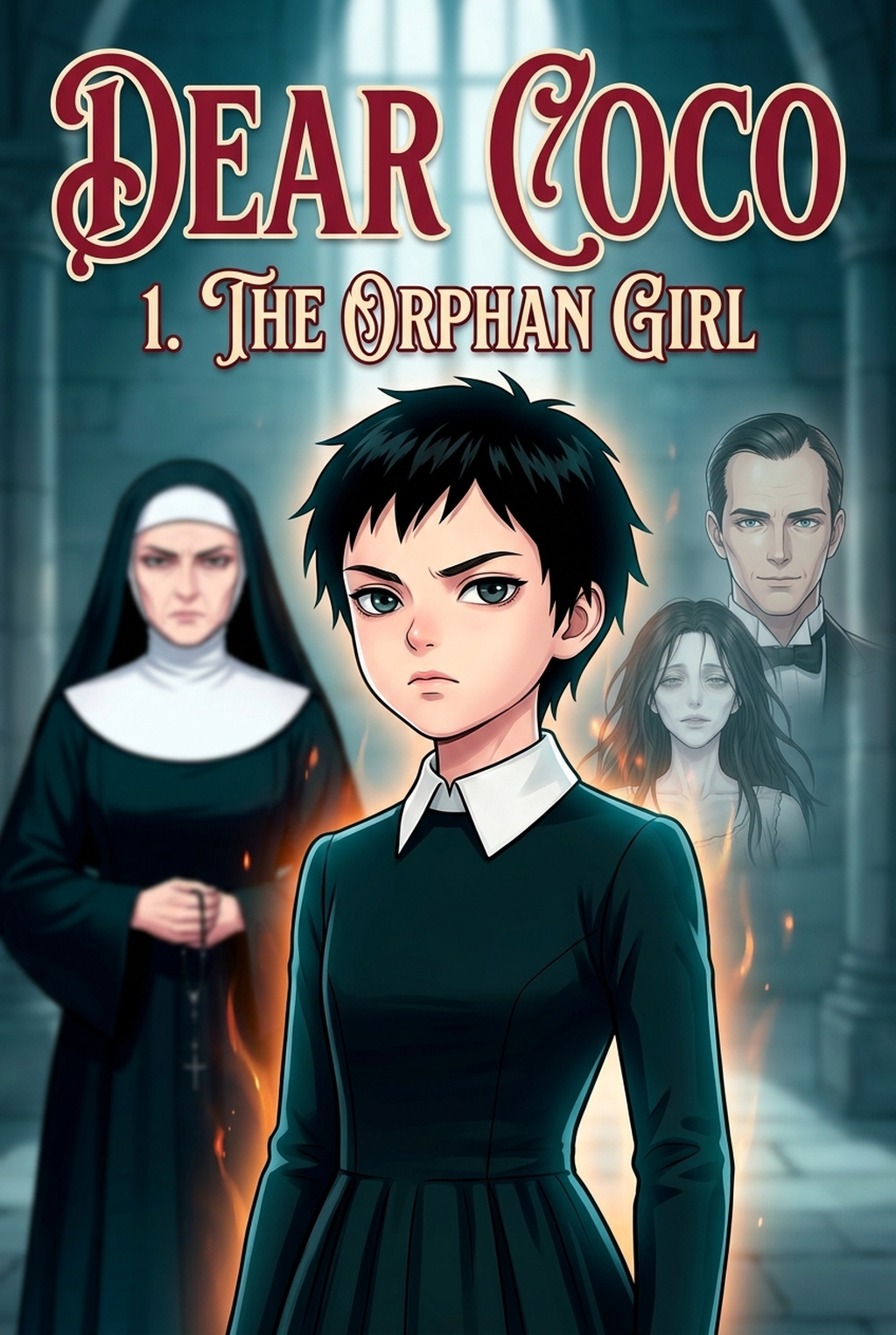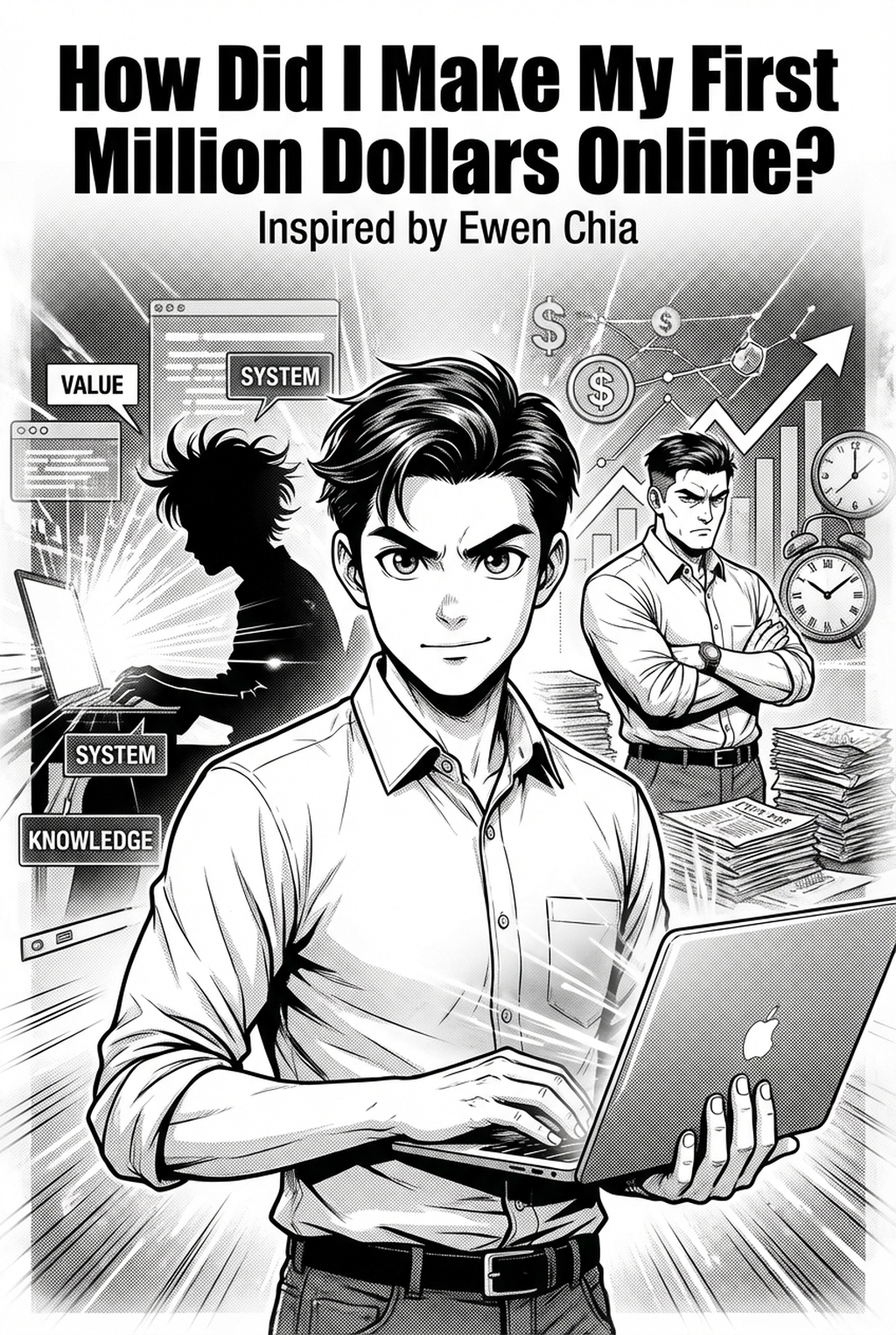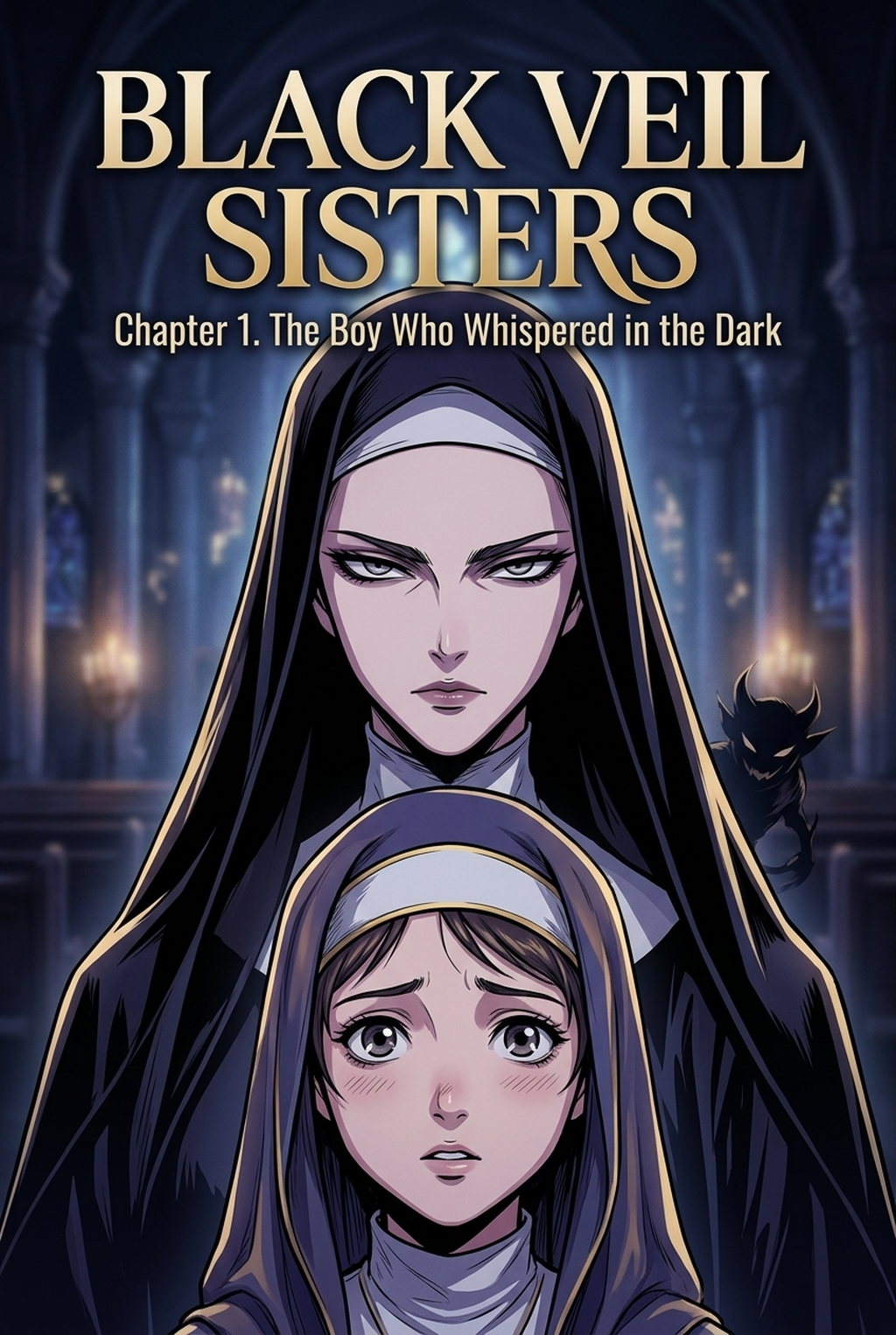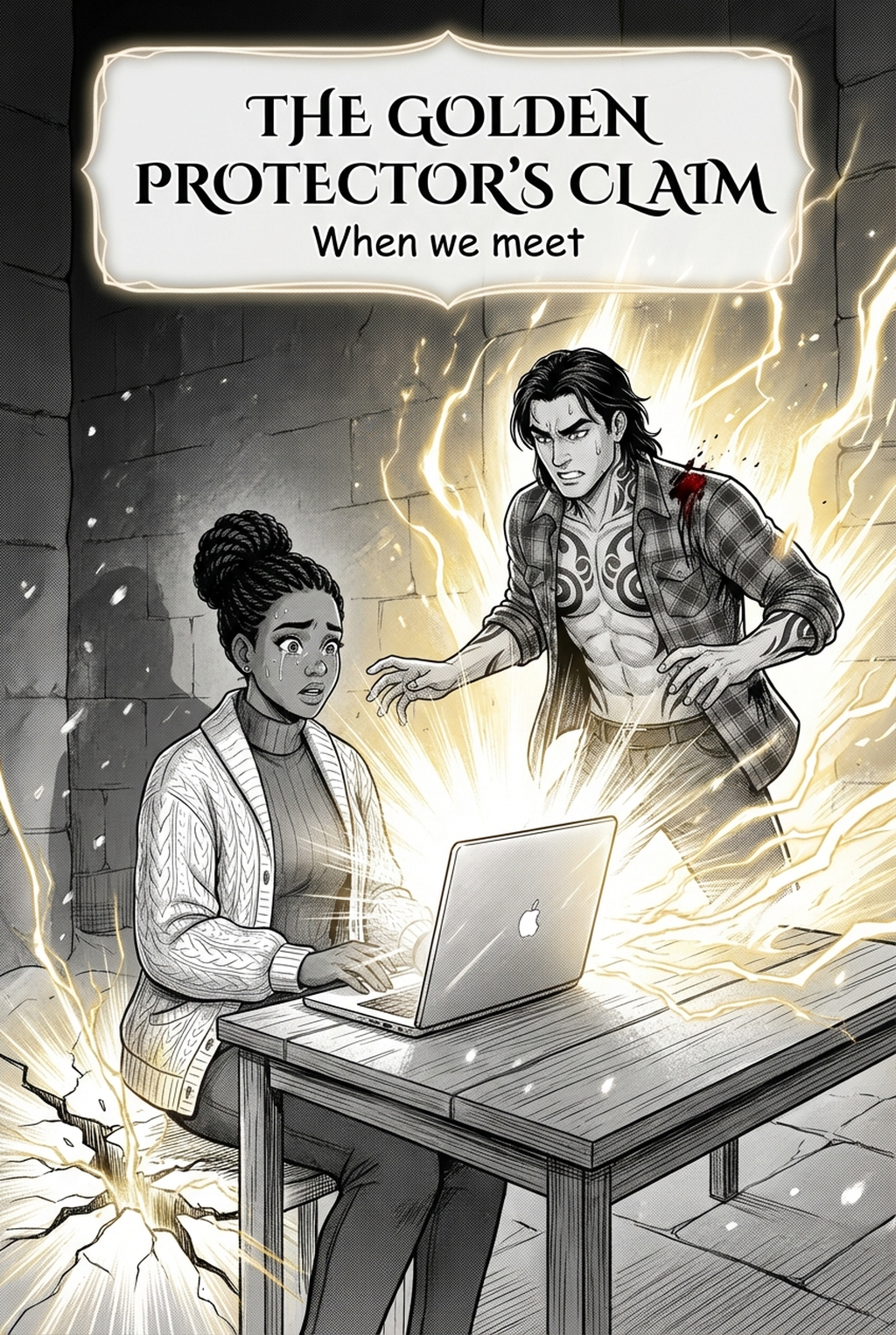
AI Manga Style Transfer: Benefits of High-Contrast Manga Storytelling
Adopting this specific aesthetic helps you guide the reader's eye across the page, ensuring that character reactions are the undisputed focal point. In legal-drama manga, the speed of information delivery is vital; a sharp, high-contrast look minimizes visual noise, allowing dialogue bubbles to interact seamlessly with the character's facial expressions.
- Emotional Pivot Clarity: Consistency in your character model sheets ensures that emotional shifts feel earned. If a character moves from calm composure to a frantic shock, the lack of inconsistent line weights prevents the "uncanny valley" effect that can derail a serious narrative moment. * Speech Bubble Dynamics: This aesthetic supports high-speed dialogue typical of courtroom dramas. By keeping character designs crisp, you open up white space within the frame for sharp, aggressive speech bubbles, which is necessary to maintain the intensity of a fast-paced shonen-style debate. * Panel Readability: You avoid the pitfall of "cluttered composition" by using the Ace Attorney approach to minimize background distractions. This focus keeps the reader locked on the character's reaction, which is the most critical component for maintaining tension in psychological thriller arcs.
How to Use Style Transfer for Courtroom Visuals
Creators can use the Ace Attorney art style with Mangaka to translate rough pencil sketches into professional, finalized inked pages through AI style transfer, maintaining the precise line weights essential to this specific look. The engine references the source context of your provided sketch to ensure that expression-driven features, like widened eyes or sharp jawlines, remain intact during the rendering process.
- Digital Inking Optimization: The tool automatically recalibrates line weight based on the character's distance from the camera, a hallmark of the Ace Attorney visual language. This prevents the common failure of having a character in the background appear heavier or more detailed than the protagonist in the foreground. * Workflow Integration: Instead of manually inking every frame, you import your rough base sketch, select your courtroom-specific parameters, and let the tool generate clean, high-resolution line art that is ready for toning. This process effectively eliminates the time-consuming effort of manual clean-up on complex poses. * Consistency Control: Because the engine treats the entire page as a cohesive composition, it prevents character-proportion drift between panels. You get a uniform look across your entire chapter, regardless of how many times the camera angle changes during a single, drawn-out legal cross-examination.
Strategic Use Cases for Courtroom Aesthetics
Indie manga creators often leverage this style to heighten tension in psychological thrillers where facial expressions are the primary storytelling mechanism. The style is also uniquely suited for high-dialogue sequences where character interaction must remain the focus, even when the scene lacks physical combat.
- Mystery and Thriller Pacing: In a mystery, a single facial twitch can convey more information than a full page of text. The Ace Attorney style excels here, as it is designed to emphasize the smallest micro-expressions during high-stakes revelations. * Game Lore Adaptation: Developers adapting visual novel sprites into traditional comic formats find this style perfect for maintaining fidelity to the source. It ensures that the transition from a character sprite to a manga panel feels authentic to fans of the original courtroom drama experience. * Dialogue-Heavy Sequencing: Use this aesthetic when your narrative focuses on debates or intellectual duels. It is far more effective at supporting a heavy dialogue script than more ornate, detailed styles that would distract from the text-based information flow.
Getting Started with Professional Manga Generation
To begin, you import a source sketch and select your desired artistic parameters within the dashboard. The engine re-renders your input based on the chosen visual style, allowing you to iterate on the composition until you achieve the precise level of "courtroom" sharpness you require for your pages. Upload your rough composition sketch to the tool.
Choose parameters that mimic high-contrast inking and cool-toned shading. Adjust the line weight settings if you find the facial details are too soft for the intensity of your scene. Download your finalized, high-resolution file in either standard print-ready formats like PDF or digital-friendly formats like PNG for vertical comic platforms scrolling.
- Before Export. Creators should compare the generated line art with the original sketch and confirm that facial expressions, props, speed lines, and speech-bubble space still support the scene. A repeatable review pass should cover character consistency, panel readability, background clarity, and whether the final file is ready for coloring, lettering, or editor feedback.
- For Longer Projects. Creators should save approved examples of line weight, face detail, clothing folds, and background density. Those references keep later chapters closer to the intended style. For collaboration, creators should mark which panels are final and which panels still need redraws. Clear status labels prevent an assistant, editor, or colorist from polishing the wrong version.
- For Publishing. Creators should review the page at the actual reading size before export. Small screens expose crowded dialogue, weak silhouettes, and line details that looked fine while zoomed in. For style control, creators should keep a short reference board beside the draft and compare hair shapes, eye details, costume folds, and texture choices before approving the final page.
The Bottom Line
The AI Manga Style Transfer workflow is a powerful, focused tool for creators who prioritize emotional clarity and dynamic, high-contrast character interaction. By leveraging Ace Attorney art style technology, you can significantly reduce the hours spent on manual inking and line-weight correction, allowing you to focus on the narrative pacing of your courtroom-drama manga.
Related articles
Understanding the Chiikawa Art Style: A Creator's Guide 2026
Understanding Rakugo Manga Art Style for Modern Creators
Decoding the Jojos Bizarre Adventure Art Style Evolution