AI Manga Style Transfer: Managing the Noir Aesthetic with Mangaka
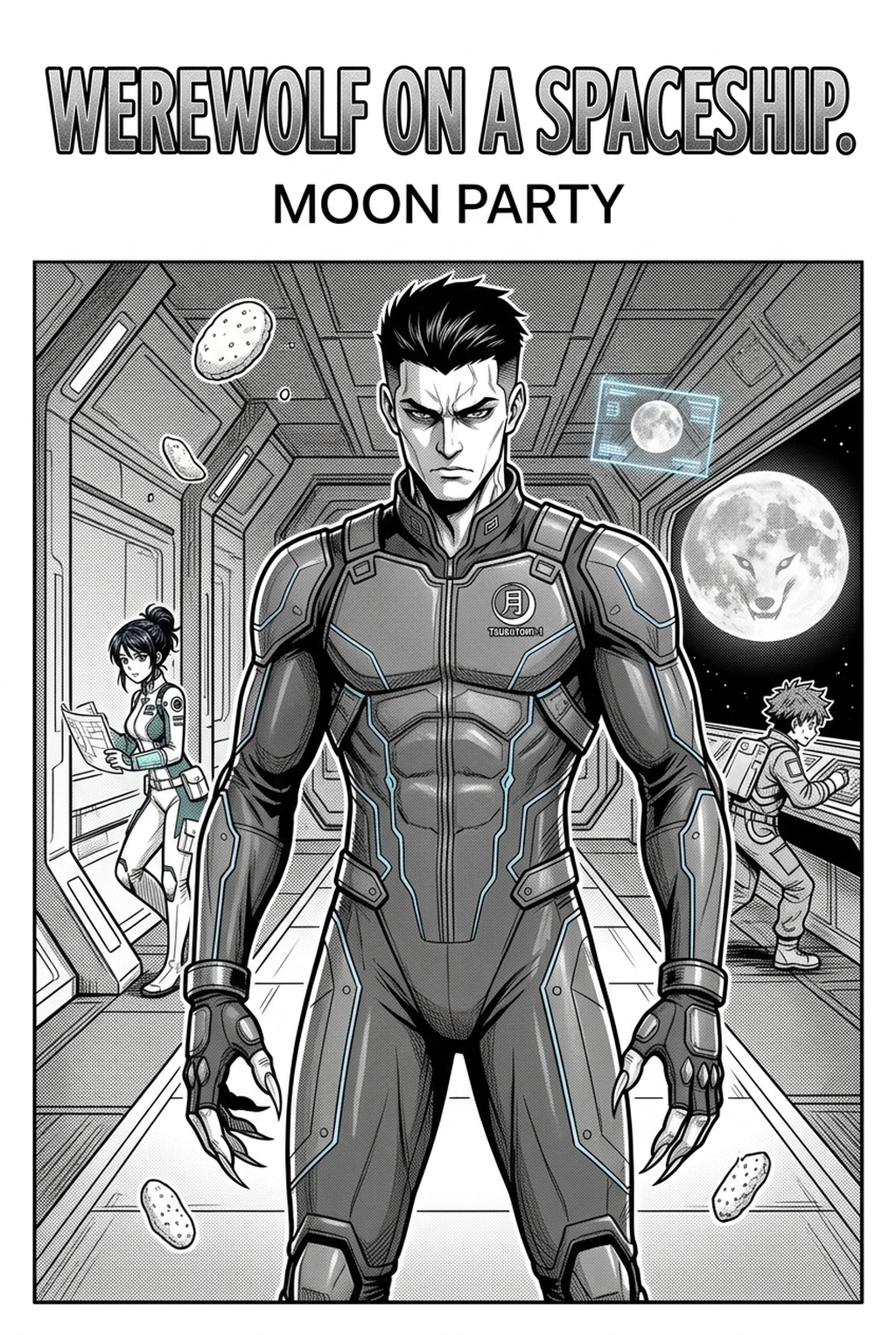
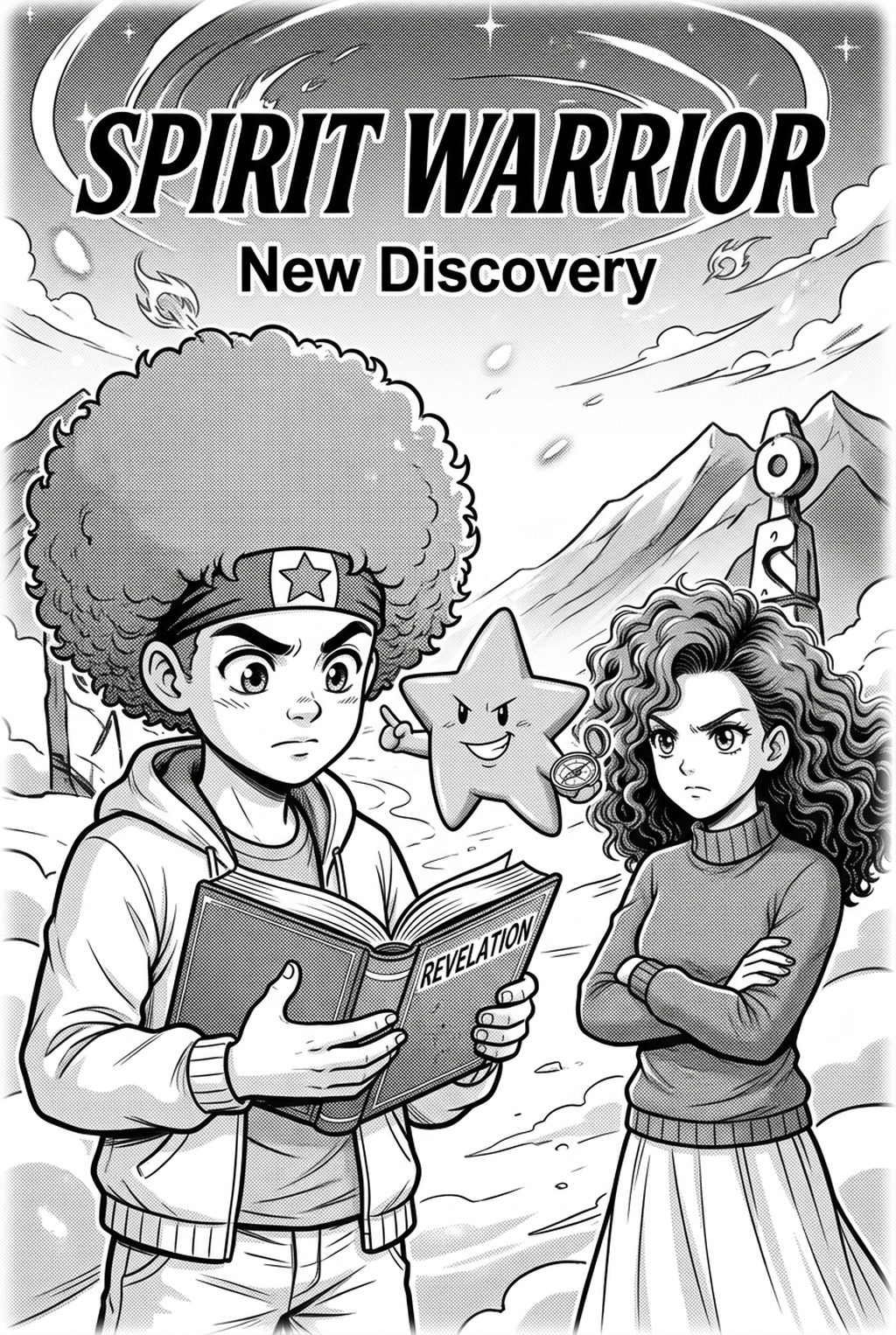
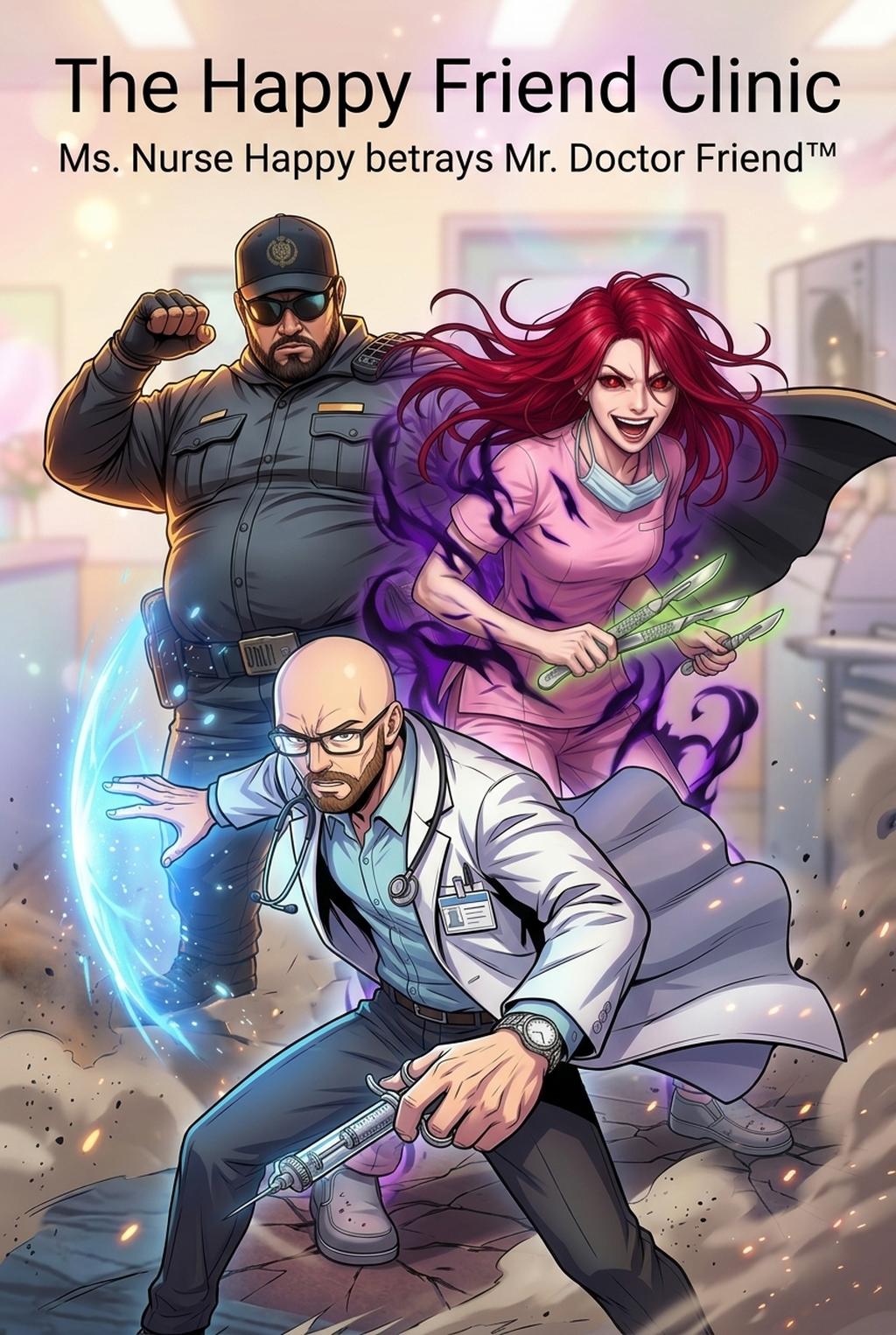
Mangaka automates the most labor-intensive aspects of this style, allowing you to convert your initial rough sketches into high-contrast inked panels in seconds. The tool handles the heavy lifting of professional noir-inspired shading, which would otherwise require hours of manual work to achieve the necessary black-ink density.
- Consistent line weight: Maintains uniform, clean lines that represent the order and logic required for the genre, preventing the unintended drift that occurs with manual inking. * Automated environmental detail: Quickly renders complex cityscapes and interior spaces, ensuring your background art matches the technical quality of your characters. * Standardized delivery format: Ensures every panel adheres to professional noir standards, from the depth of the shadows to the clarity of the highlights.
By offloading the repetitive inking and hatching to AI, you reclaim time for the creative aspects of panel composition and narrative pacing. This keeps the review focused on story intent, line weight, panel readability, and the export quality behind the final AI Manga Style Transfer output.
Archetypes and Visual Composition
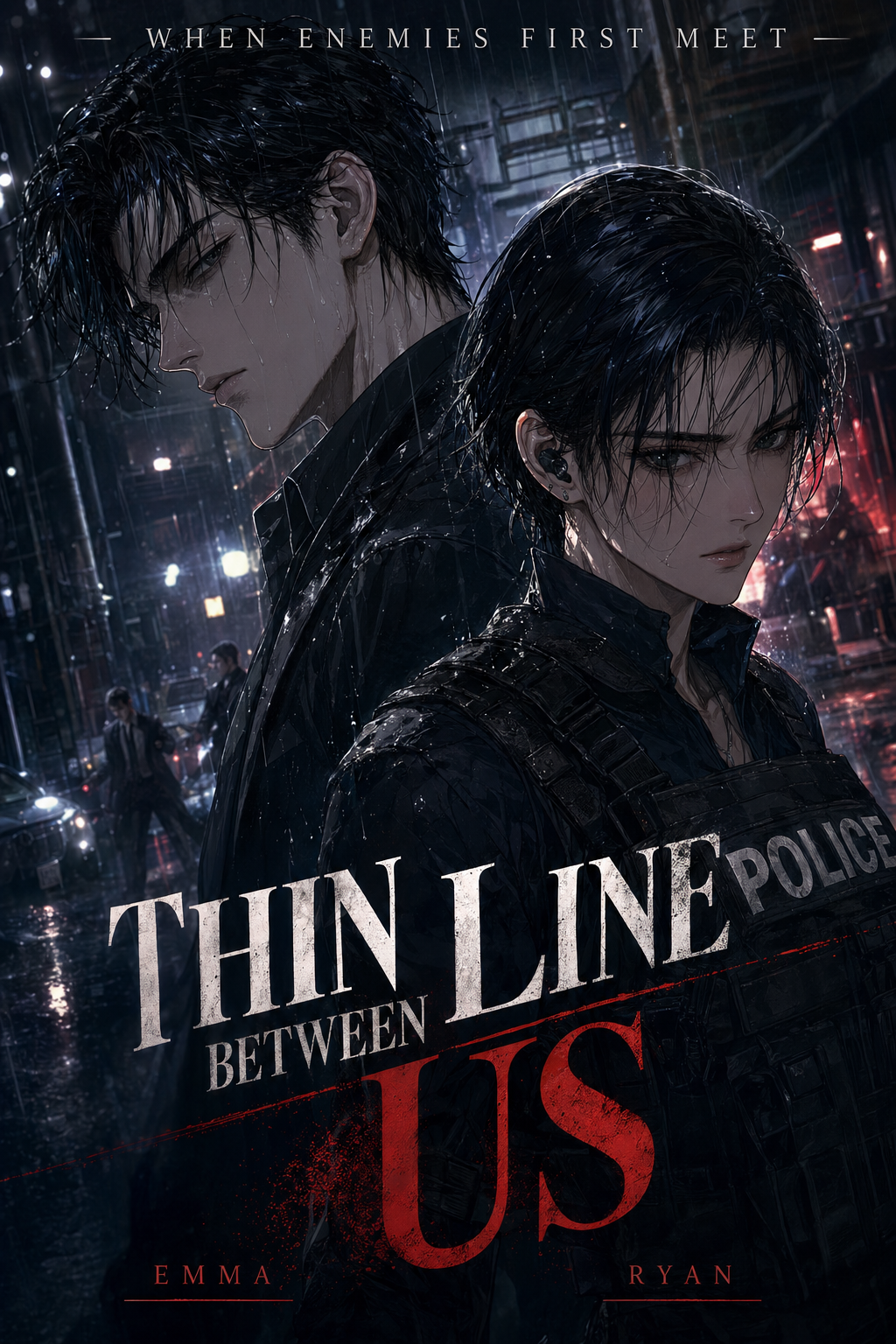
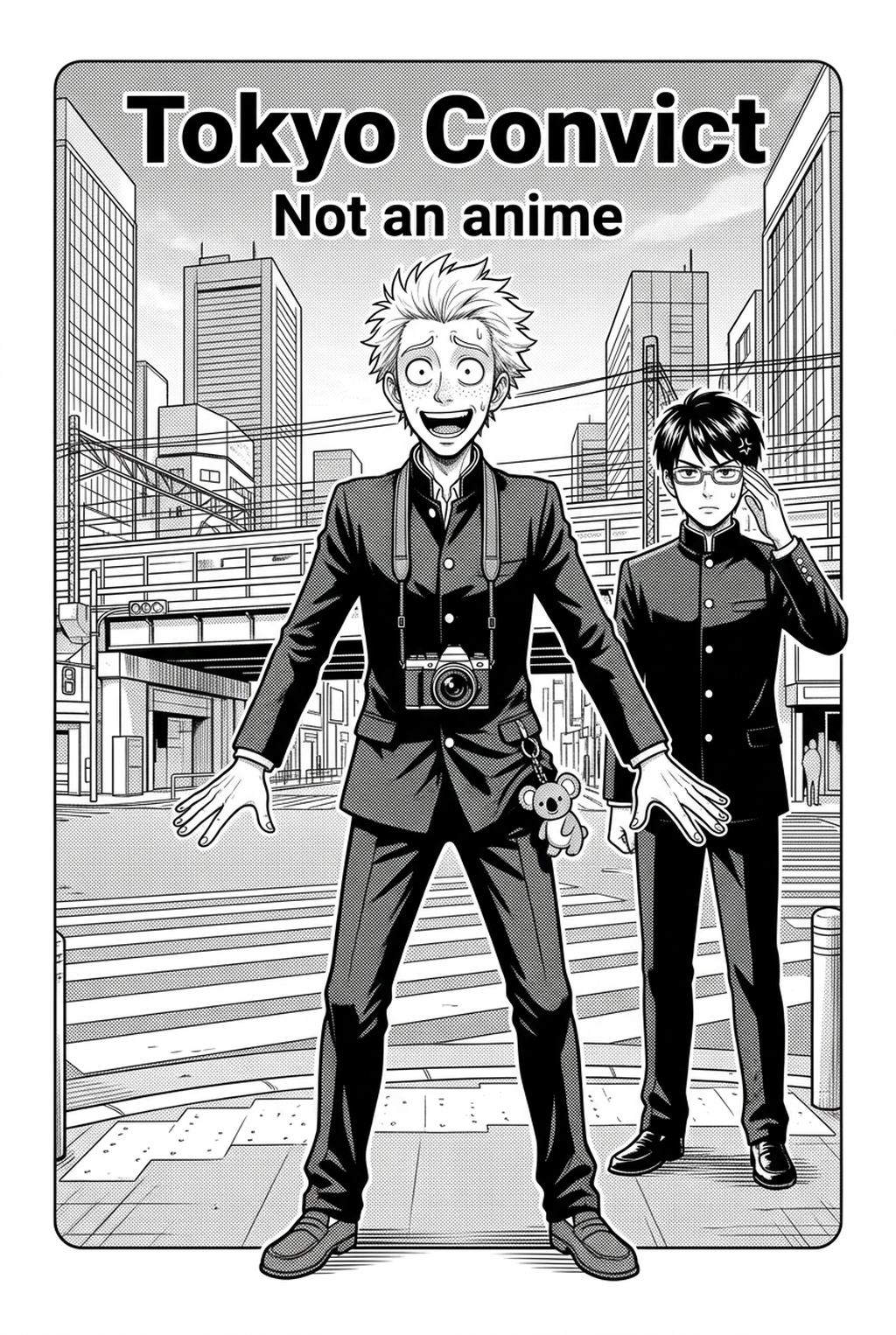
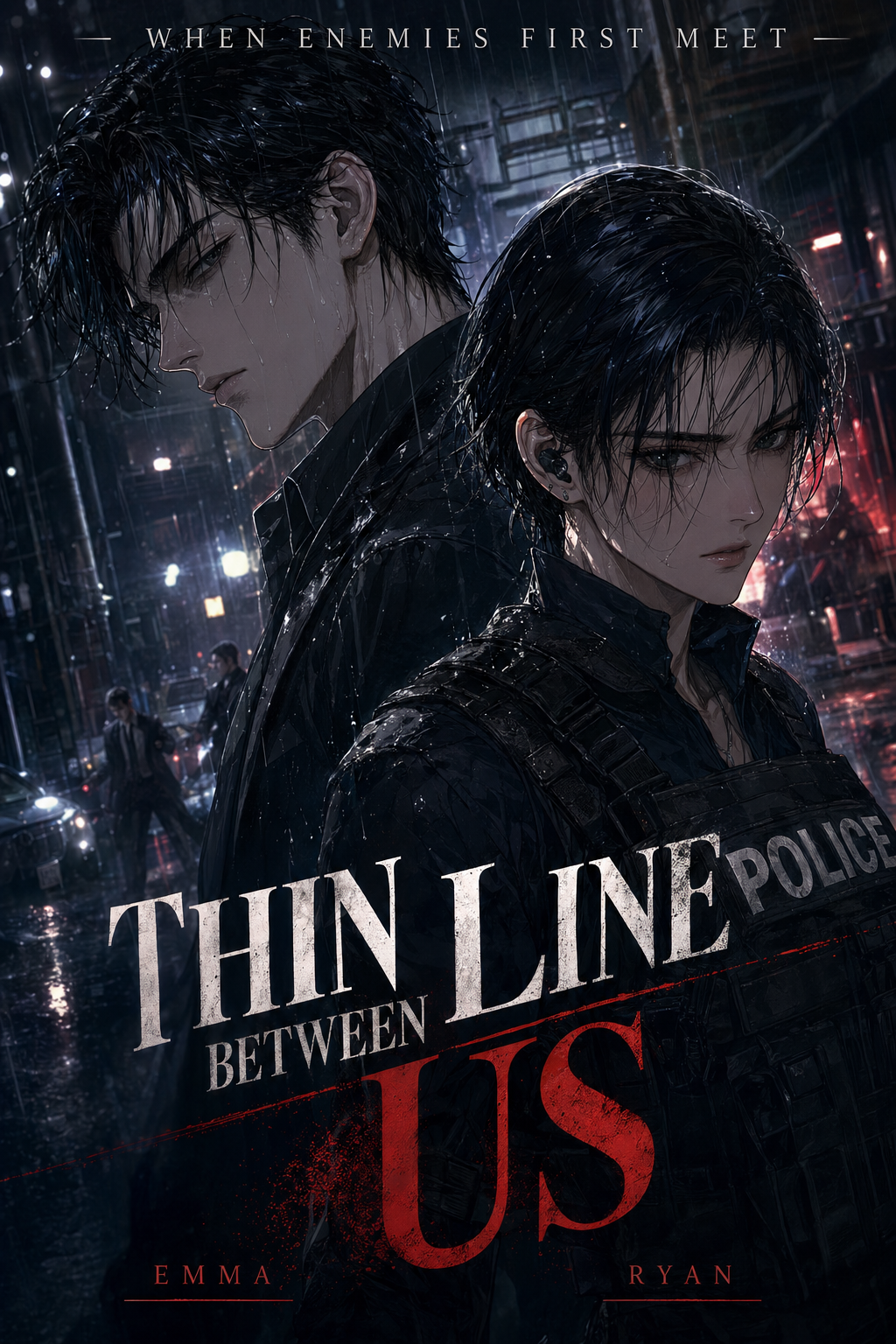
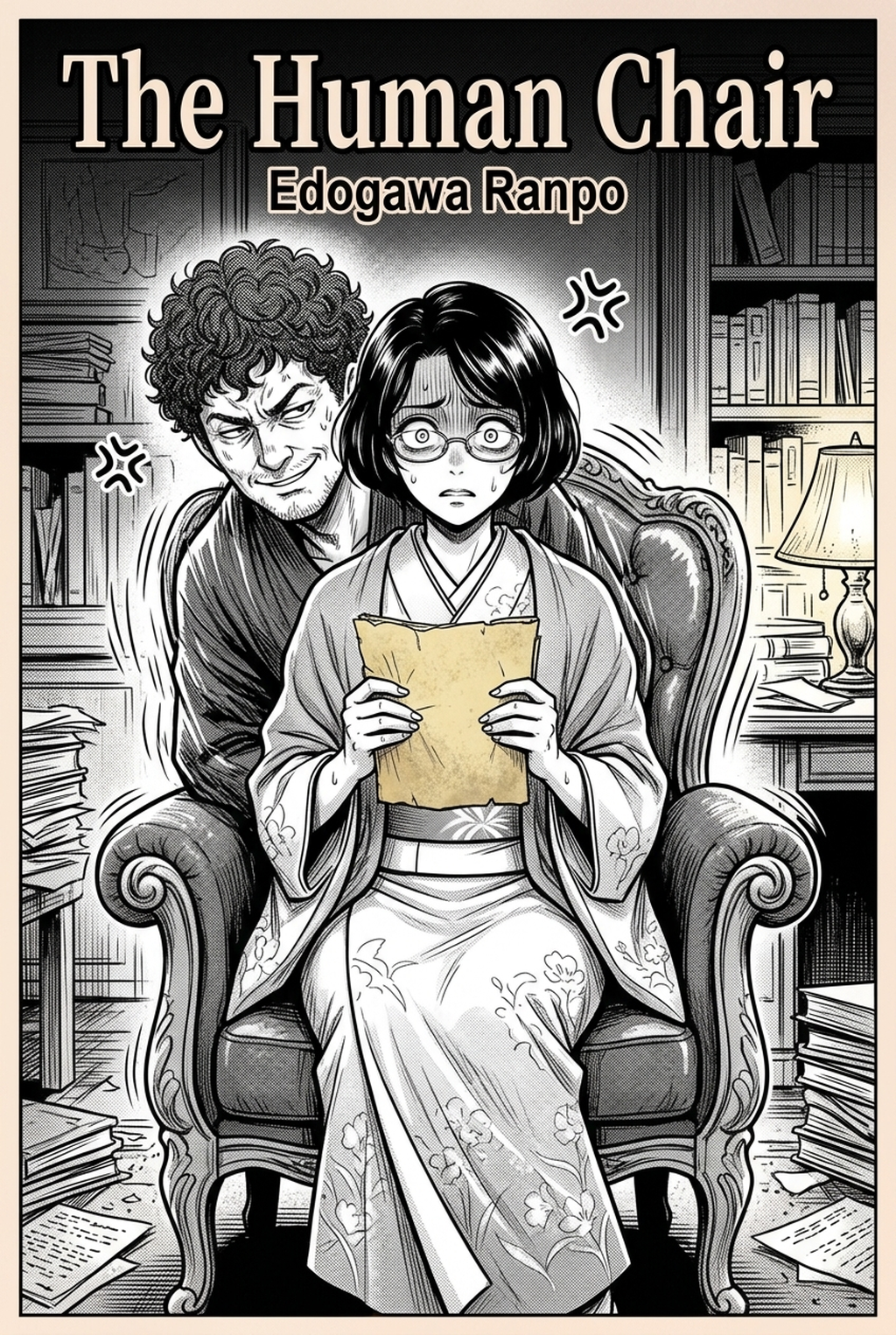
Detective-focused character designs typically emphasize professional attire and sharp facial features to reinforce the investigator archetype. To effectively communicate a character’s internal state, you must balance these rigid elements with the chaotic environments they inhabit.
- Ocular depth: Utilize the 'glint' of light or the deliberate shadow over a character's eyes to denote their psychological state. A hidden eye suggests deception, while a sharp highlight indicates a breakthrough in a case. * Controlled linework: Use uniform, clean, and deliberate lines to suggest professional competence, juxtaposed against the grit and noise of a crime-ridden city. * Lighting presets: Implement cold, directional lighting across your character models to enhance the hard-boiled feel of your mystery scenes.
Consistency is not just about keeping the nose length the same in every panel; it is about maintaining a uniform 'visual DNA' across your entire chapter. If a character appears with soft, rounded shadows in one panel and sharp, aggressive hatching in the next, the reader’s immersion is instantly broken.
Workflow Optimization and Professional Tools
Most professionals working in this genre use industry-standard digital suites, often augmented by automated tools to manage the heavy, repetitive inking tasks that define the noir look. Relying on these tools allows you to maintain a high volume of output without sacrificing the specific, grim atmospheric quality required for a successful detective title. Creative Brief and Source Input.
Creative Brief and Source Input
- Blending genres: You can successfully mix this style with supernatural or cyberpunk elements to create modern 'neo-noir' titles. The high-contrast nature of the detective style works exceptionally well with neon lights or ghostly silhouettes. * Scaling your production: When working on long-form mystery arcs, using AI to manage the baseline ink application ensures that your style remains cohesive from the first page to the last. * Maintaining brush DNA: Keep your brush settings consistent across your project and lean on AI style references to ensure that your line quality remains steady even during complex, high-detail pages.
Creators should compare the generated line art with the original sketch and confirm that facial expressions, props, speed lines, and speech-bubble space still support the scene. A repeatable review pass should cover character consistency, panel readability, background clarity, and whether the final file is ready for coloring, lettering, or editor feedback.
For Longer Projects. Creators should save approved examples of line weight, face detail, clothing folds, and background density. Those references keep later chapters closer to the intended style. When they need a reviewed path from rough sketch to clean manga output.
Creators can evaluate their specific look mid-workflow when they need the product path tied directly to review, refinement, and export. A real test should use the same sketch, character goal, or panel sequence that would otherwise need manual cleanup after generation. Before export, creators should compare the generated line art with the original sketch and confirm that facial expressions, props, speed lines, and speech-bubble space still support the scene.
Generation Review and Export
Small screens expose crowded dialogue, weak silhouettes, and line details that looked fine while zoomed in. Creators can use detective manga art style with Mangaka when they need a reviewed path from rough sketch to clean manga output. Creators can evaluate their work mid-workflow when they need the product path tied directly to review, refinement, and export. A real test should use the same sketch, character goal, or panel sequence that would otherwise need manual cleanup after generation.
Creators can evaluate detective manga art style with Mangaka mid-workflow when they need the product path tied directly to review, refinement, and export. A real test should use the same sketch, character goal, or panel sequence that would otherwise need manual cleanup after generation.
- Chapter cadence. Use the AI pass for pages where speed matters most, such as repeated action poses, transformation beats, or dense speed-line panels. Keep manual cleanup for hero panels where the line style defines the emotional peak.
- Character continuity. Compare the generated lines against the same model sheet, costume notes, and facial-expression range used during sketching. This prevents a fast inking pass from drifting away from the character identity readers recognize.
- Export readiness. Check whether the final manga output can move into lettering, coloring, or final layout without rebuilding panel borders or speech-bubble space. A good manga workflow should save time while keeping the next production step predictable.
The Bottom Line
Mastering this genre requires a precise balance of heavy contrast, environmental detail, and intentional character design that prioritizes sharpness over softness. While the production demands of the noir aesthetic are labor-intensive, you can bridge the gap between your creative vision and professional-grade output by using modern AI-driven tools.
Related articles
Manga Inking Guide: Mastering Professional Line Art in 2026
Creating an Ethereal Fantasy Romance Manga Background 2026
Decoding the Zoids Manga Art Style: A Creator’s Guide 2026