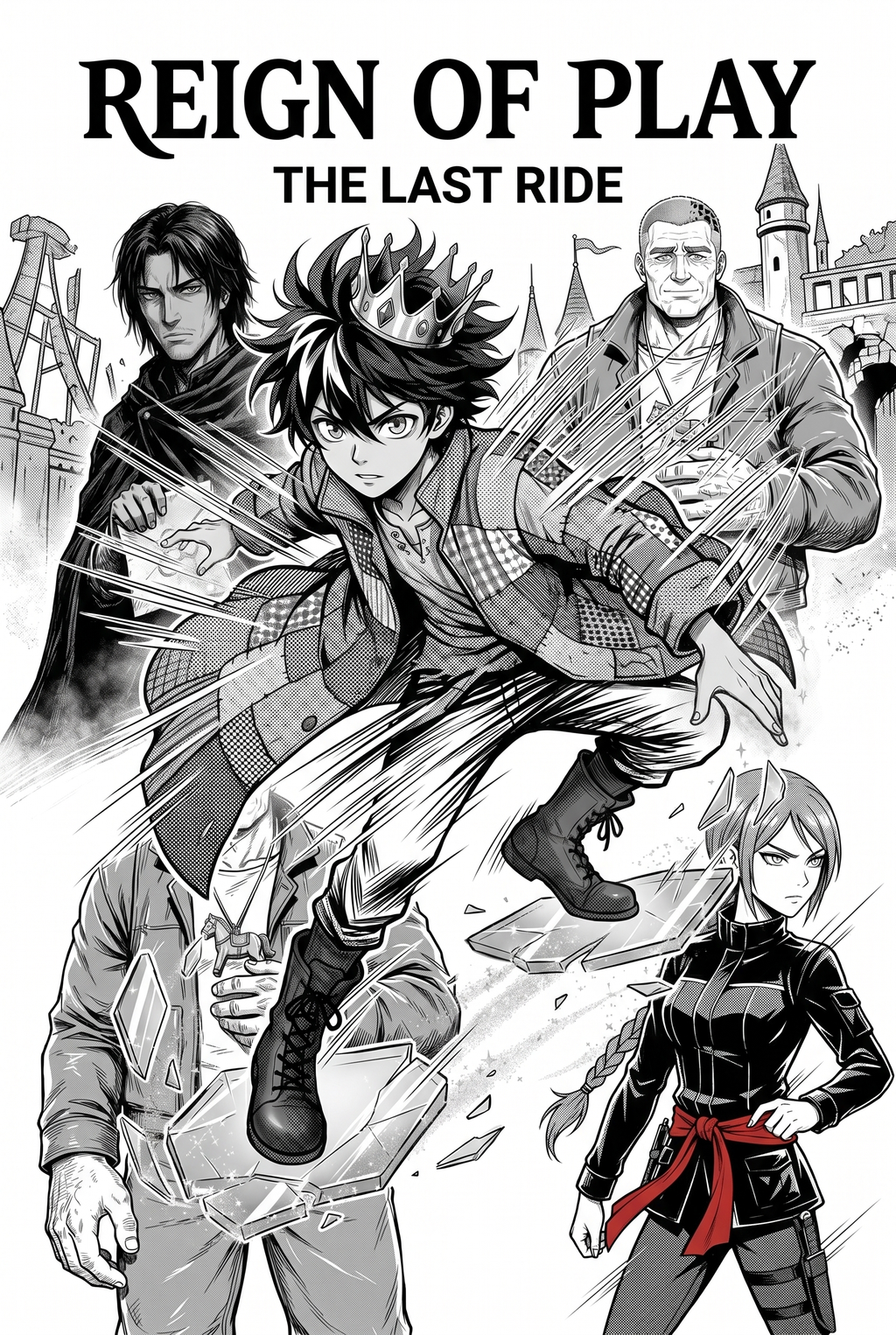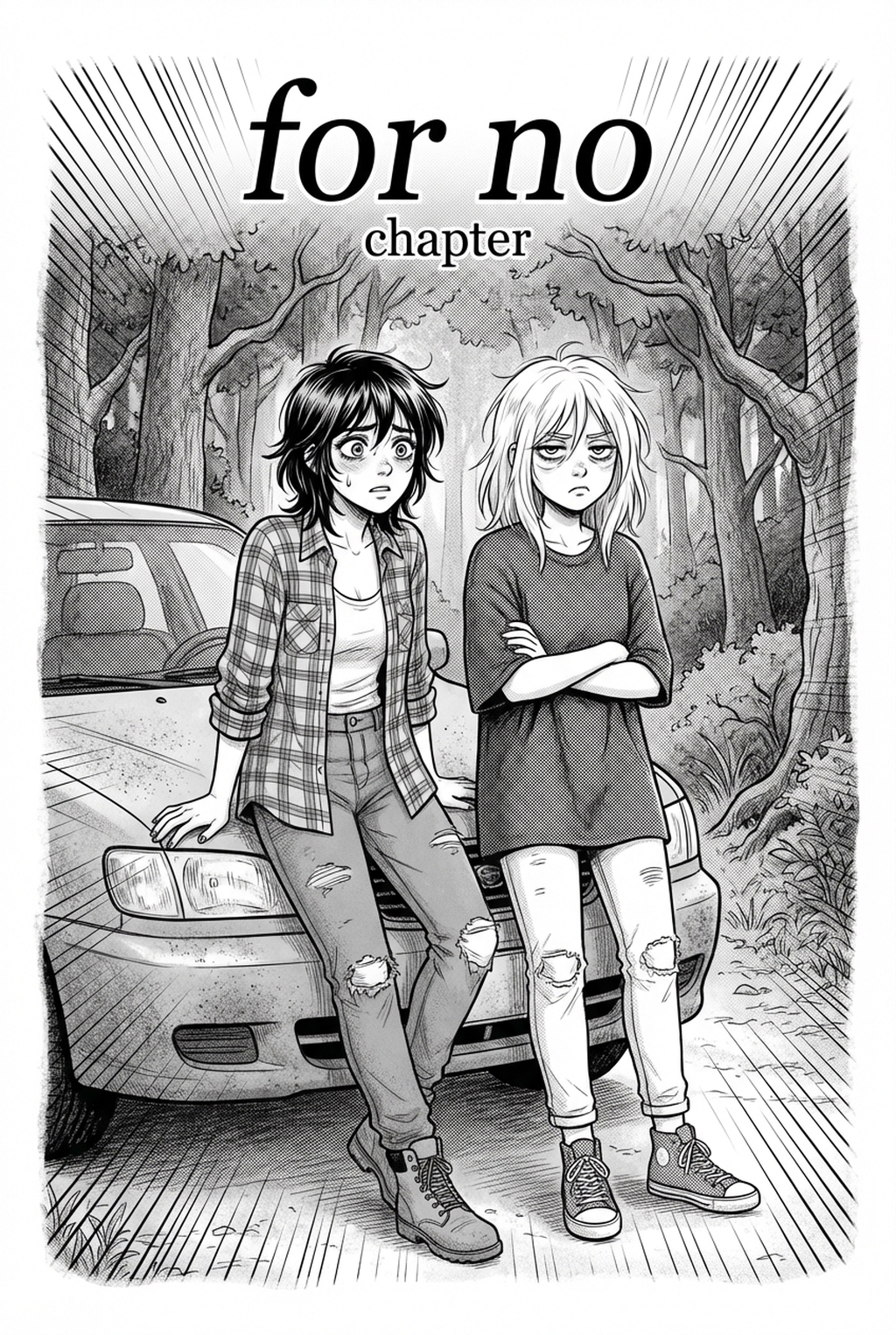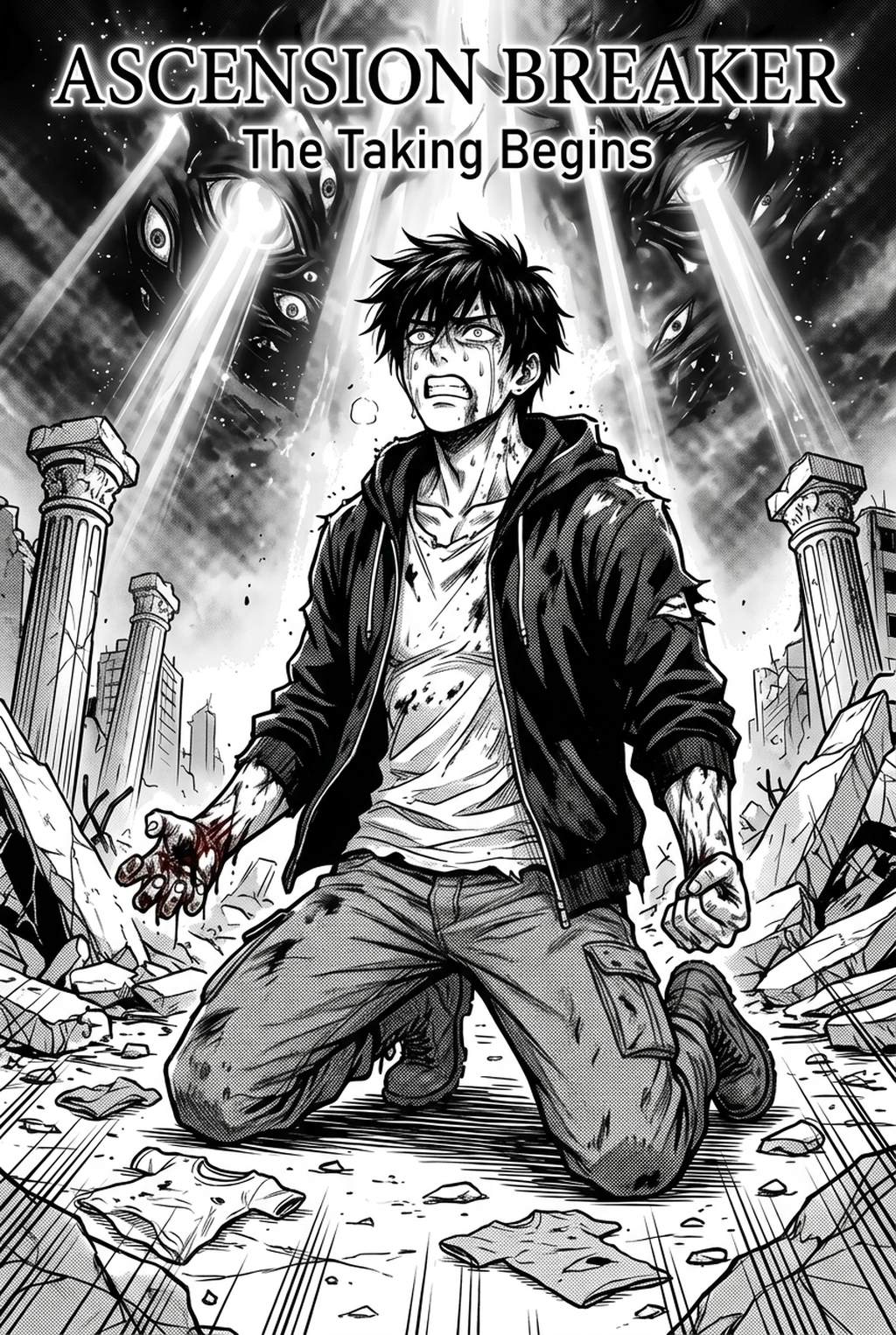
AI Manga Background Artist: Why Setting Quality Matters for Romance Arcs
Consistent, high-quality backgrounds provide the necessary "breathing room" required for pacing, particularly during pivotal romantic revelations. Without a grounded setting, high-fantasy elements like magic systems can feel unanchored and detached from the emotional journey of the cast. A believable world transforms a simple tavern or royal courtyard into a character of its own.
When a reader recognizes the recurring architecture of a castle or the specific flora of a forest, their emotional investment in the setting strengthens, allowing for deeper immersion in the world-building. Environmental art acts as a buffer between high-intensity dialogue panels. By alternating between detailed full-page establishing shots and focused, tighter character panels, you control the reader's heartbeat and the delivery of key emotional beats.
How Mangaka Renders Fantasy Environments
Mangaka simplifies the process of creating complex environments by transforming detailed scene descriptions into high-resolution, style-consistent manga backgrounds, removing the need for manual perspective construction. This workflow allows you to maintain total control over your page composition while offloading the time-intensive tasks of texturing and line-art rendering.
Maintaining Style and Perspective. The primary struggle in environment art is "line-weight drift," where background linework clashes with the character inking style. By using the fantasy romance manga background with Mangaka to generate imagery, you can reference-lock your specific inking style, ensuring the background maintains the same digital or analog pen-pressure aesthetic as your character layers.
Once you establish a key location, such as a dimly lit ballroom, the tool allows you to generate multiple variations—from the same room in sunlight to its appearance during a nocturnal event. This guarantees that your readers never feel confused by architectural inconsistencies, even when the scene shift requires a different camera angle or lighting condition.
Use Cases for Environmental Depth
- Atmospheric Grading: Utilize warm, golden-hour tones to highlight safe spaces during romantic milestones, effectively using color to anchor the reader's mood without needing heavy dialogue narration. * Strategic Framing: Implement negative space near the foreground or center of the panel to ensure your character silhouettes remain the focal point, preventing the environment from "stealing the stage" during intimate sequences. * Refined Detail: Integrate subtle, intricate stone engravings or complex petal patterns that offer visual depth while keeping the overall panel contrast muted, ensuring the character’s features remain the highest-contrast elements.
Getting Started with Consistent Backgrounds
Starting your background workflow with Mangaka allows you to resolve common layout issues early in the production stage. Before you commit to full-page inking, verify that your vanishing points and architectural structures align with your character-proportion sheet. Creative Brief and Source Input.
- Avoid Overwhelming Characters: Focus on keeping the background linework at a lower opacity or thinner weight than your character outlines; this creates a professional, studio-level hierarchy that keeps the reader’s eye moving naturally across the page. * Mastering Perspective: AI tools effectively establish complex vanishing points and spatial relationships that are often difficult to render by hand, saving you hours of ruler-and-pencil drafting for complicated indoor settings. * Style Consistency: Utilize the reference-lock features to ensure that every background generated follows your specific hatching and shading style, keeping the entire chapter feeling like it was drawn by a single hand.
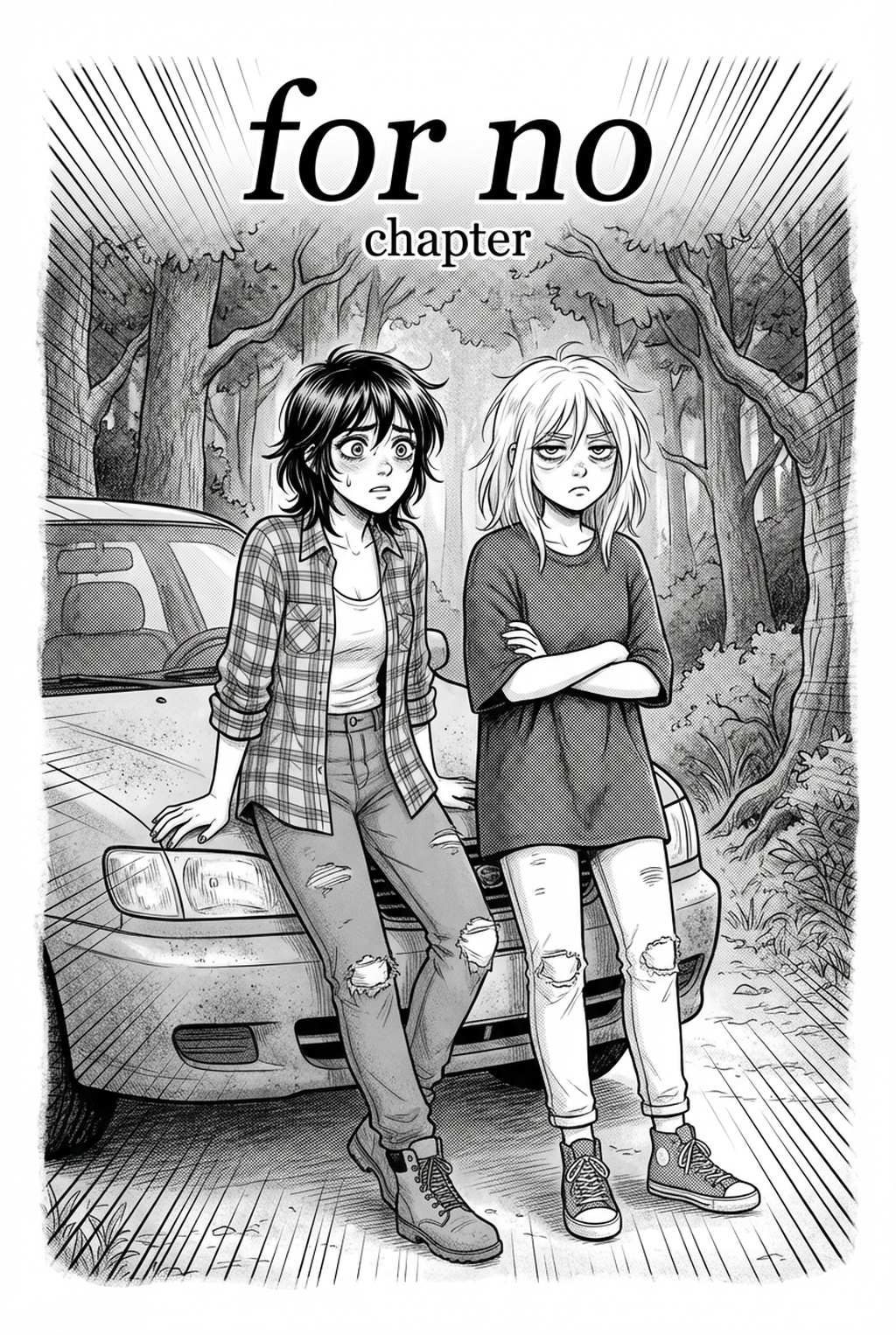
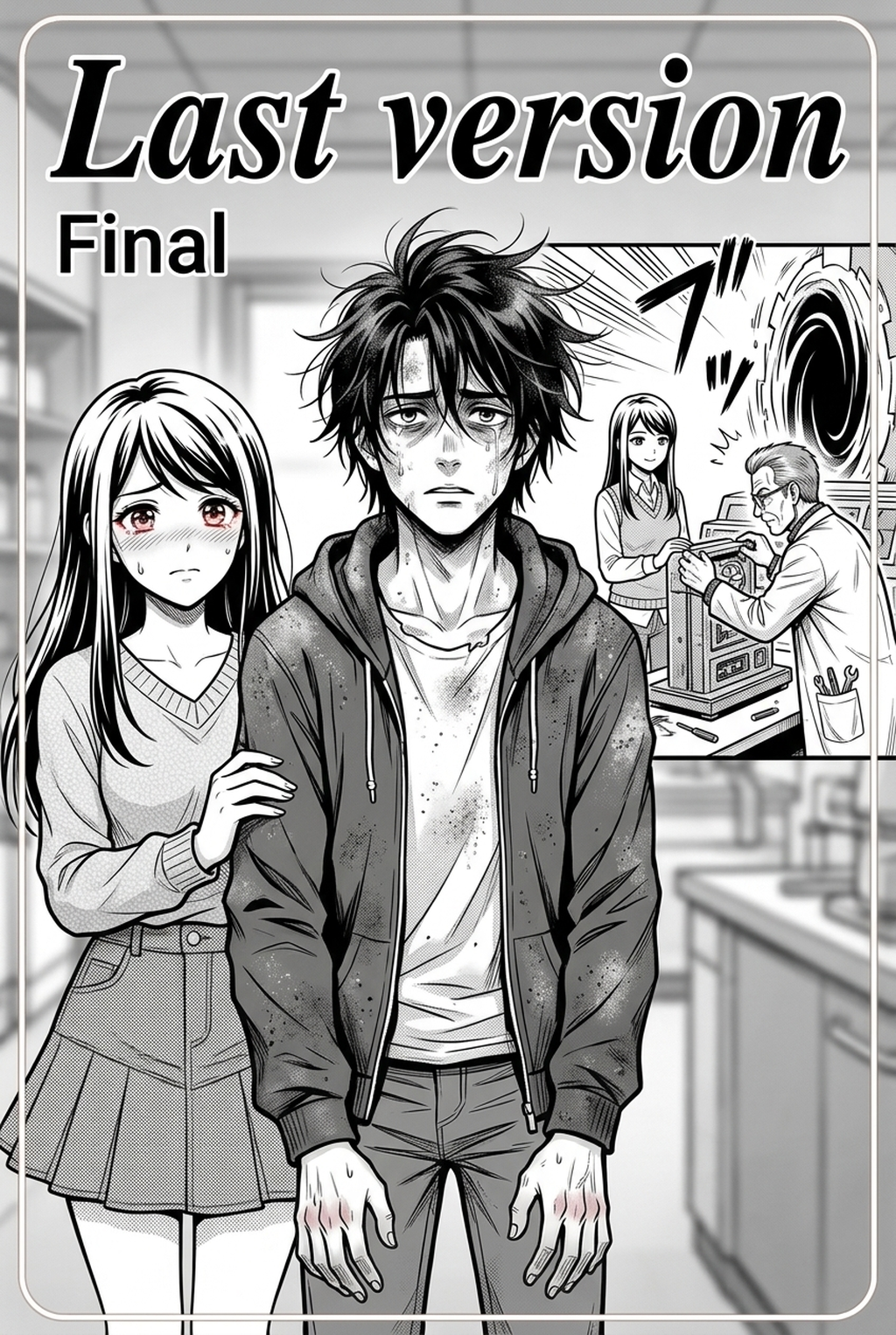
- Before Export. Creators should compare the generated line art with the original sketch and confirm that facial expressions, props, speed lines, and speech-bubble space still support the scene. A repeatable review pass should cover character consistency, panel readability, background clarity, and whether the final file is ready for coloring, lettering, or editor feedback. - For Longer Projects. Creators should save approved examples of line weight, face detail, clothing folds, and background density. Those references keep later chapters closer to the intended style. For collaboration, creators should mark which panels are final and which panels still need redraws. Clear status labels prevent an assistant, editor, or colorist from polishing the wrong version. - For Publishing. Creators should review the page at the actual reading size before export. Small screens expose crowded dialogue, weak silhouettes, and line details that looked fine while zoomed in. This keeps the review focused on story intent, line weight, panel readability, and the export quality behind the final AI Manga Background Artist output.
- Before Export. Creators should compare the generated line art with the original sketch and confirm that facial expressions, props, speed lines, and speech-bubble space still support the scene. A repeatable review pass should cover character consistency, panel readability, background clarity, and whether the final file is ready for coloring, lettering, or editor feedback.
- For Longer Projects. Creators should save approved examples of line weight, face detail, clothing folds, and background density. Those references keep later chapters closer to the intended style. For collaboration, creators should mark which panels are final and which panels still need redraws. Clear status labels prevent an assistant, editor, or colorist from polishing the wrong version.
- For Publishing. Creators should review the page at the actual reading size before export. Small screens expose crowded dialogue, weak silhouettes, and line details that looked fine while zoomed in. This keeps the review focused on story intent, line weight, panel readability, and the export quality behind the final AI Manga Background Artist output.
The Bottom Line
Crafting a professional-grade AI Manga Background Artist workflow is no longer a manual bottleneck that slows down your release schedule. By offloading the technical aspects of environment generation to an intelligent partner, you reclaim time for the creative storytelling that defines your unique voice. fantasy romance manga background and see how quickly your production workflow improves when the art matches your vision perfectly.
Related articles
Decoding the Zoids Manga Art Style: A Creator’s Guide 2026
Manga Inking: The Professional Workflow Guide for 2026
Professional Manga Inking Made Easy with AI Tools in 2026