AI Manga Style Transfer: Characteristics of the Magical Girl Aesthetic
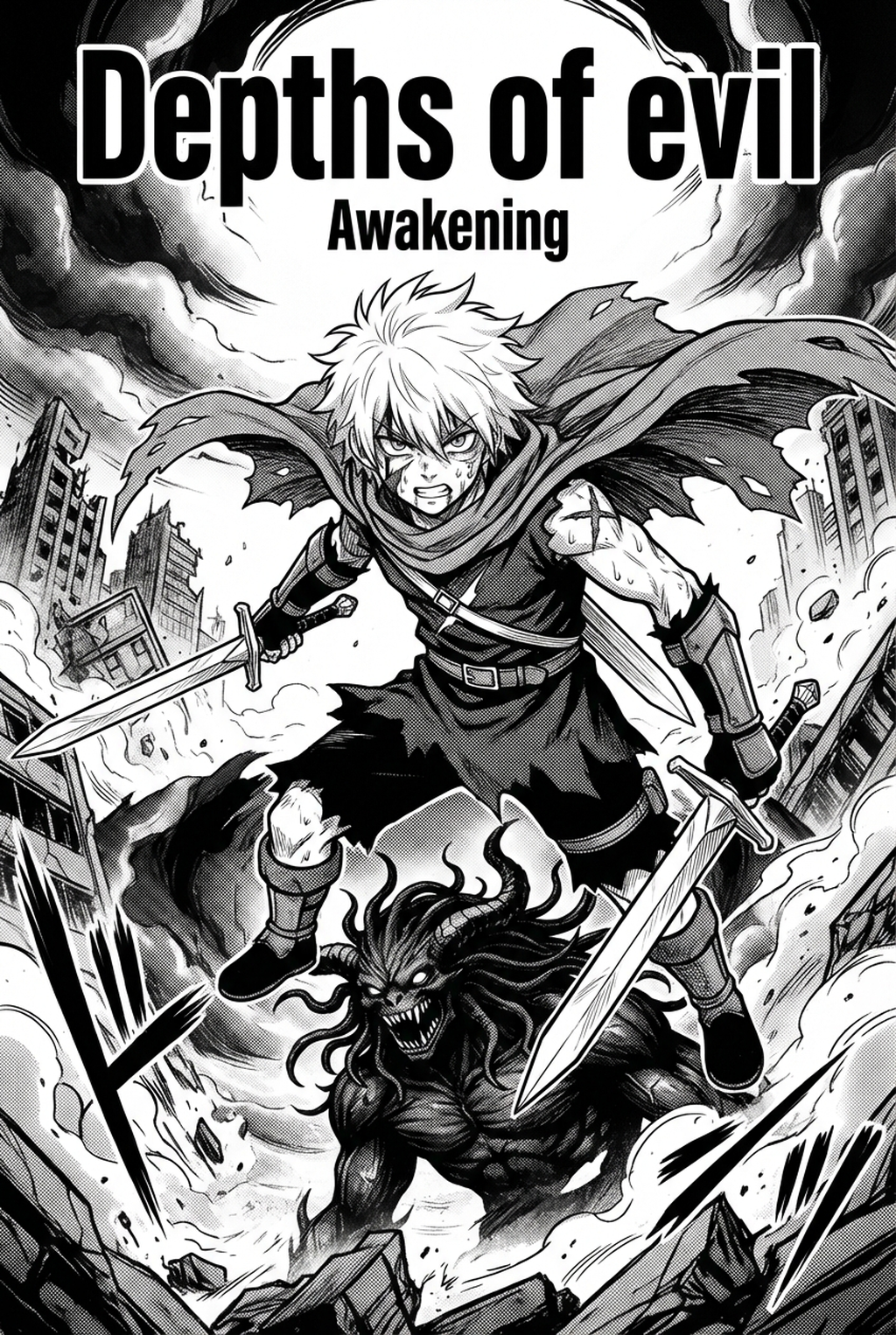
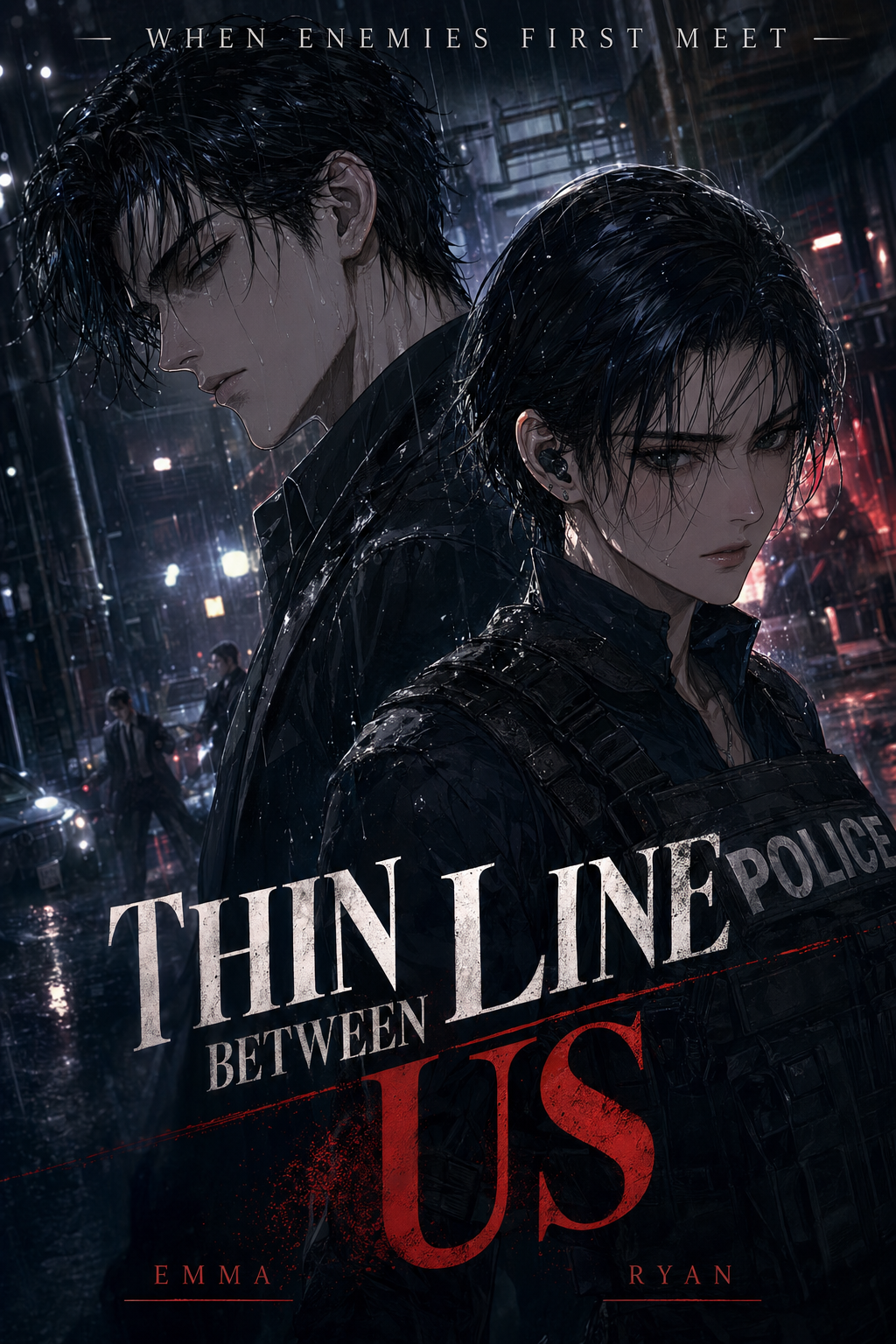
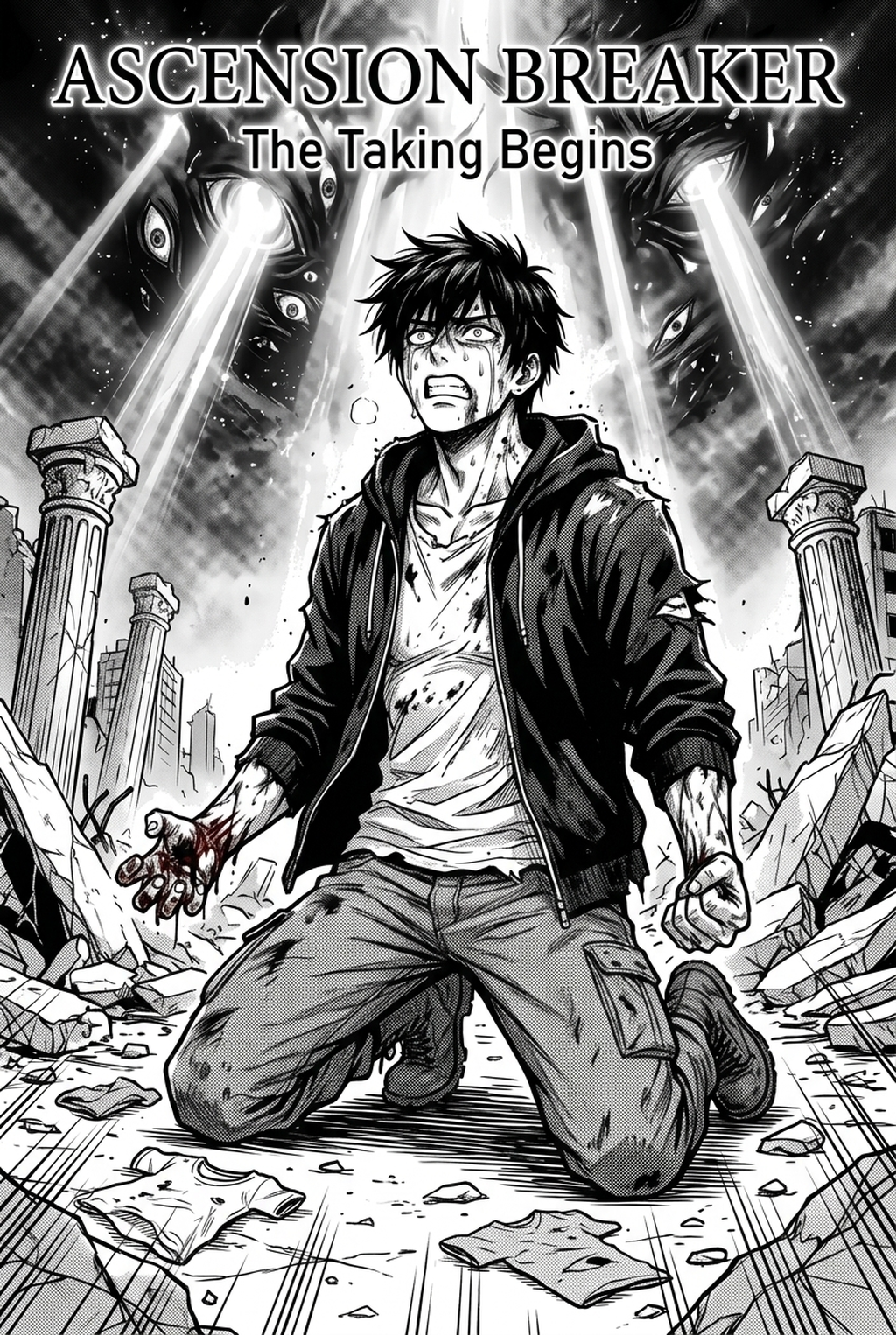
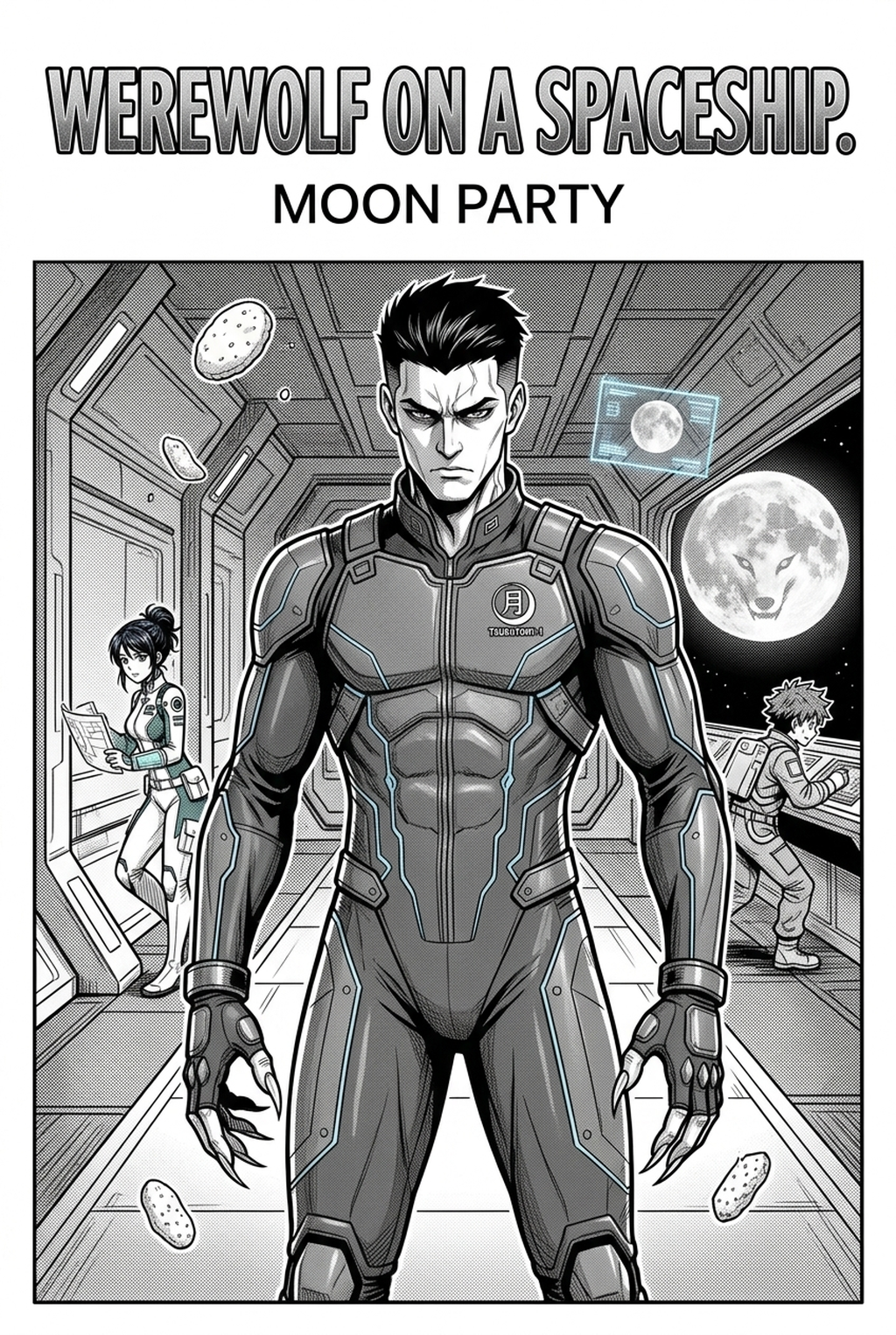
The core of this genre lies in the deliberate contrast between thin, graceful line weights and aggressive, high-contrast emotional panels. An authentic magical girl manga art style relies on expressive eye highlights that function as a secondary emotional palette, allowing for complex narrative beats without extensive dialogue.
- Dynamic Physics and Particles: The "magical" element is physically represented through flowing hair physics and specialized particle brushes that must be mapped to the character’s movement vectors. 1mm line weight for facial features ensures that exaggerated expressions remain sharp and legible even when the panel layout becomes overcrowded.
Importance for Professional Manga Creators
Consistent visual quality is the primary driver of reader immersion, especially during high-emotion transformation sequences where the viewer expects a leap in artistic complexity. For creators aiming for professional publication standards, any drop in character detail or screen-tone density between pages acts as a friction point that breaks the reader's suspension of disbelief.
- Establishing Visual Identity: Developing a unique stylistic signature for your magical girl title acts as your brand, separating your work from mass-market digital comics that lack custom-defined aesthetic benchmarks. * Managing Long-Form Continuity: Maintaining technical uniformity across a 200-page volume is the greatest challenge for solo creators, as small deviations in costume design quickly compound into major errors that necessitate a full re-inking pass. * Professional Output Standards: Adhering to strict grid layouts and consistent black-to-white ratios ensures that your work meets the resolution and readability requirements of industry-standard distribution platforms.
Streamlining Production with AI Transfer
AI style transfer tools allow creators to apply complex, flowing linework to foundational storyboards, ensuring the final output retains the ethereal quality of the genre without the repetitive burden of manual inking. By automating the rendering of intricate lace and sparkling particle effects, you can shift your creative energy toward composition and pacing.
AI tools utilize specialized training to interpret thin, glowing highlights effectively, which allows for the rapid transformation of rough, hand-drawn character sketches into clean, publishable line art. This process eliminates the "hand-tremor" effect often seen in complex lace-work where standard brush settings struggle to maintain uniform density.
When you apply a target style to your input, the model ensures that costume details remain consistent even during fast-paced action scenes. This maintains technical uniformity, preventing the character-proportion drift that typically occurs when an artist attempts to redraw a transformation sequence across five different angles on a single page.
With the heavy lifting of inking and texture application handled by Magical girl manga art style , you gain the ability to iterate on your storyboard pacing. Instead of spending hours detailing a single costume, you can test how different panel densities influence the emotional impact of a scene, using the Magical girl manga art style tool to immediately visualize the resulting aesthetic.
Practical Use Cases for Genre Assets
Creating high-fidelity character sheets is the foundation for a successful magical girl project, as these assets dictate the visual logic of every transformation gear piece. Focus on defining the ethereal silhouettes and customizable uniform elements early so the rendering process remains predictable.
- Character Sheet Integration: Input your core concepts into the tool to generate varying silhouettes that emphasize the flowing, lightweight nature of magical girl fashion. * Dynamic Panel Translation: You can use style-transfer creative briefs to ensure that static, highly detailed concept art translates into dynamic, high-action manga panel scenes without any loss of intricate detail. * Customizable Gear Logic: Define specific lace-heavy uniform designs as part of your character set to ensure the system consistently applies these textures whenever that specific character enters a frame.
- Chapter cadence. Use the AI pass for pages where speed matters most, such as repeated action poses, transformation beats, or dense speed-line panels. Keep manual cleanup for hero panels where the line style defines the emotional peak.
- Character continuity. Compare the generated lines against the same model sheet, costume notes, and facial-expression range used during sketching. This prevents a fast inking pass from drifting away from the character identity readers recognize.
- Export readiness. Check whether the final manga output can move into lettering, coloring, or final layout without rebuilding panel borders or speech-bubble space. A good manga workflow should save time while keeping the next production step predictable.
Implementation Steps for Creators
The primary hurdle for most artists is the transition from a messy, low-fidelity sketch to a professional page, which is why utilizing a specialized rendering tool is essential for efficiency. This keeps the review focused on story intent, line weight, panel readability, and the export quality behind the final AI Manga Style Transfer output.
AI tools use specific, high-resolution training on particle physics to interpret thin, glowing highlights as intentional visual elements rather than noise. Yes, the system re-renders your input sketches directly into a refined manga style, maintaining the specific line-weight conventions of the magical girl genre. While the aesthetic originated in shojo, it is currently utilized in dark fantasy and crossover genres to provide a jarring, high-contrast visual that heightens the impact of horror or tension-filled story segments.
Creators should compare the generated line art with the original sketch and confirm that facial expressions, props, speed lines, and speech-bubble space still support the scene. A repeatable review pass should cover character consistency, panel readability, background clarity, and whether the final file is ready for coloring, lettering, or editor feedback. For longer projects, creators should save approved examples of line weight, face detail, clothing folds, and background density. Those references keep later chapters closer to the intended style.
The Bottom Line
Mastering the creator workflow requires a disciplined combination of delicate linework and bold, emotionally resonant visual effects that, when managed correctly, create a powerful reader experience. By leveraging the advanced rendering capabilities of Magical girl manga art style to handle the technical heavy lifting, you bridge the gap between initial creative storyboards and the polished, professional aesthetic required for success in the genre.
Related articles
Mastering Manga Inking Style: A Guide for Digital Artists
How to Create Pro Manga Background Scenes in 2026
Mastering Your Manga Action Scene Storyboard in 2026