Defining the Visual Landscape of Grand Line Environments
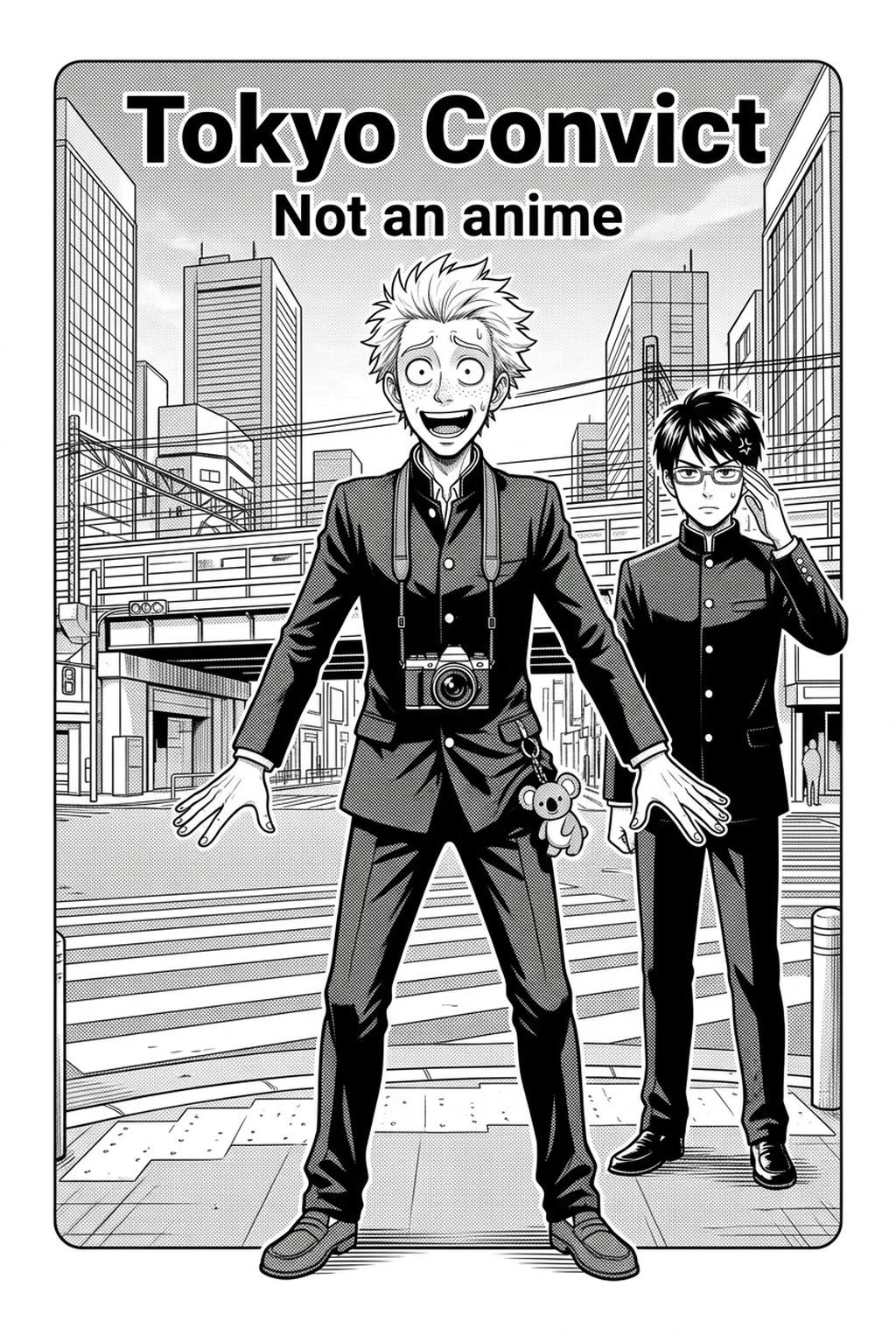
A signature One Piece manga background functions less like a set piece and more like a silent, antagonistic character that dictates the physical stakes of every arc. These environments are defined by a distinct "fish-eye" perspective distortion, which pulls the viewer into a sense of impossible scale while keeping cluttered, mechanical textures like rigging, cannons, and overlapping architectural sprawl in sharp focus.
- Worldbuilding Density: Unlike standard Seinen backgrounds that prioritize clean minimalism, this style demands a high saturation of cultural markers and industrial debris. * Contrast Architecture: The visual hierarchy relies on juxtaposing small, cartoon-proportioned protagonists against imposing, high-contrast urban landscapes or ship cross-sections. * Dynamic Spatial Distortion: Artists utilize extreme wide-angle lenses to squeeze massive cities or naval fleets into single panels, forcing the viewer to constantly recalibrate their sense of depth.
One specific failure mode in this style is the Vanishing Point Drift," where the geometric foundations of a ship or cityscape shift slightly across a multi-panel fight sequence. This lack of architectural integrity disrupts the reader's spatial awareness, making action sequences feel floaty rather than grounded in a physical space.
Why Structural Context Matters for Page Pacing
Backgrounds serve as the essential spatial anchor that prevents your storyboards from feeling flat or disconnected during high-impact sequences. When a creator fails to maintain consistent environmental rendering, the transition between close-up character reactions and wide-shot action becomes jarring, effectively killing the reader's suspension of disbelief.
- Impact-to-Effort Ratio: Independent creators often burn out by trying to hand-draw 20+ hours of architectural detail into a single 20-page chapter. * Reader Immersion: Consistent screentone density and line weight across background elements ensure that your character art, which typically carries the emotional weight, doesn't disappear into a messy, unrefined environment. * Stakes and Scale: Without the massive, detailed architecture characteristic of epic Shonen, the stakes of an encounter often feel smaller and less threatening to the audience.
If your production schedule requires a monthly release, the labor required to draw nautical rigging and complex maritime machinery from scratch creates a production bottleneck. Failing to automate this stage leads to Background Clipping," where characters appear to float on top of a scene because their perspective lines do not actually align with the environment they occupy.
How Mangaka Integrates into Your Workflow
Mangaka streamlines your production process by shifting the labor-intensive act of rendering architectural geometry from manual pen-work to creative brief-driven generation. By leveraging a high-fidelity One Piece manga background with Mangaka , you generate complex environmental line art directly from your specific scene descriptions, bypassing the need for tedious manual perspective grids or redundant tracing.
- Professional Line Art Fidelity: The tool automates the inking and hatching process, ensuring that the final output maintains the crisp, high-contrast aesthetic required for professional print or digital publication. * Alignment Control: By generating backgrounds that are pre-aligned with standard perspective rules, you solve the problem of perspective drift before the inking phase begins. * Efficiency Gains: You can now generate a complex island landscape or ship interior in minutes, rather than spending days struggling with the structural integrity of complex architecture.
a creator working on a 15-panel chapter of a nautical adventure can generate a "detailed pirate ship deck with complex rigging and high-density wooden planks" in a single session. This result is then layered beneath their existing character sketches, allowing the artist to focus on the expressive facial work and inking rather than the underlying deck perspective.
Common Pitfalls in Environmental Drafting
The most frequent point of failure for beginners attempting a nautical, high-detail style is the mismatch between background line weight and character character design. When the environment is drawn with thinner, shakier lines than the characters, the final page looks like a collage rather than a unified piece of manga art.
- Style Uniformity: You must ensure that the screentone density of the background does not compete with the foreground action. * Clipping Failures: Avoid the common error of placing characters in an environment where the floor plane does not match their feet, causing them to look like they are sliding off the panel. * Over-Crowding: Using high-density detail in every single panel of a page will cause the reader's eye to fatigue; utilize simpler backgrounds for dialogue-heavy sequences to maintain proper visual pacing.
Use automated perspective alignment during the early drafting process to ensure that your character proportions do not drift out of place when the background is added. If your characters look small in a cavernous room, that spatial relationship must be mathematically accurate to maintain the intended dramatic tension.
Creators should compare the generated line art with the original sketch and confirm that facial expressions, props, speed lines, and speech-bubble space still support the scene. A repeatable review pass should cover character consistency, panel readability, background clarity, and whether the final file is ready for coloring, lettering, or editor feedback. For longer projects, creators should save approved examples of line weight, face detail, clothing folds, and background density. Those references keep later chapters closer to the intended style.
The Bottom Line
Replicating a professional, high-density look is no longer restricted to those with years of formal architectural drawing training or infinite production hours. By prioritizing efficient, AI-assisted worldbuilding, you effectively reclaim your creative bandwidth to focus on what matters most: your characters, their emotional arcs, and the kinetic energy of your story. Visit One Piece manga background today to see how simple generating high-fidelity background art can be for your next chapter.
Related articles
Decoding the Grand Blue Manga Art Style: A 2026 Guide
Mastering the Fairy Tale Manga Art Style: A 2026 Guide
Creating an Immersive Gourmet Manga Background: 2026 Guide