AI Manga Style Transfer: Importance for Visual Immersion
Period accuracy builds reader immersion by establishing an immediate connection to the cultural gravity of the samurai class. When your audience recognizes the correct way to depict a sashimono or the specific bracing of a kabuto helmet, they trust your narrative enough to accept the hyper-stylized action that follows.
Consistent visual terminology prevents the "uncanny valley" effect during critical combat scenes. If an artist fails to maintain the correct placement of katanas or the logical structure of period-accurate banners, the reader is instantly pulled out of the story. High-quality historical action relies on the internal logic of its setting; by using recognizable motifs, you elevate your series from generic period fantasy to a grounded, recognizable historical action piece that respects the source material.
Workflow Integration with Mangaka
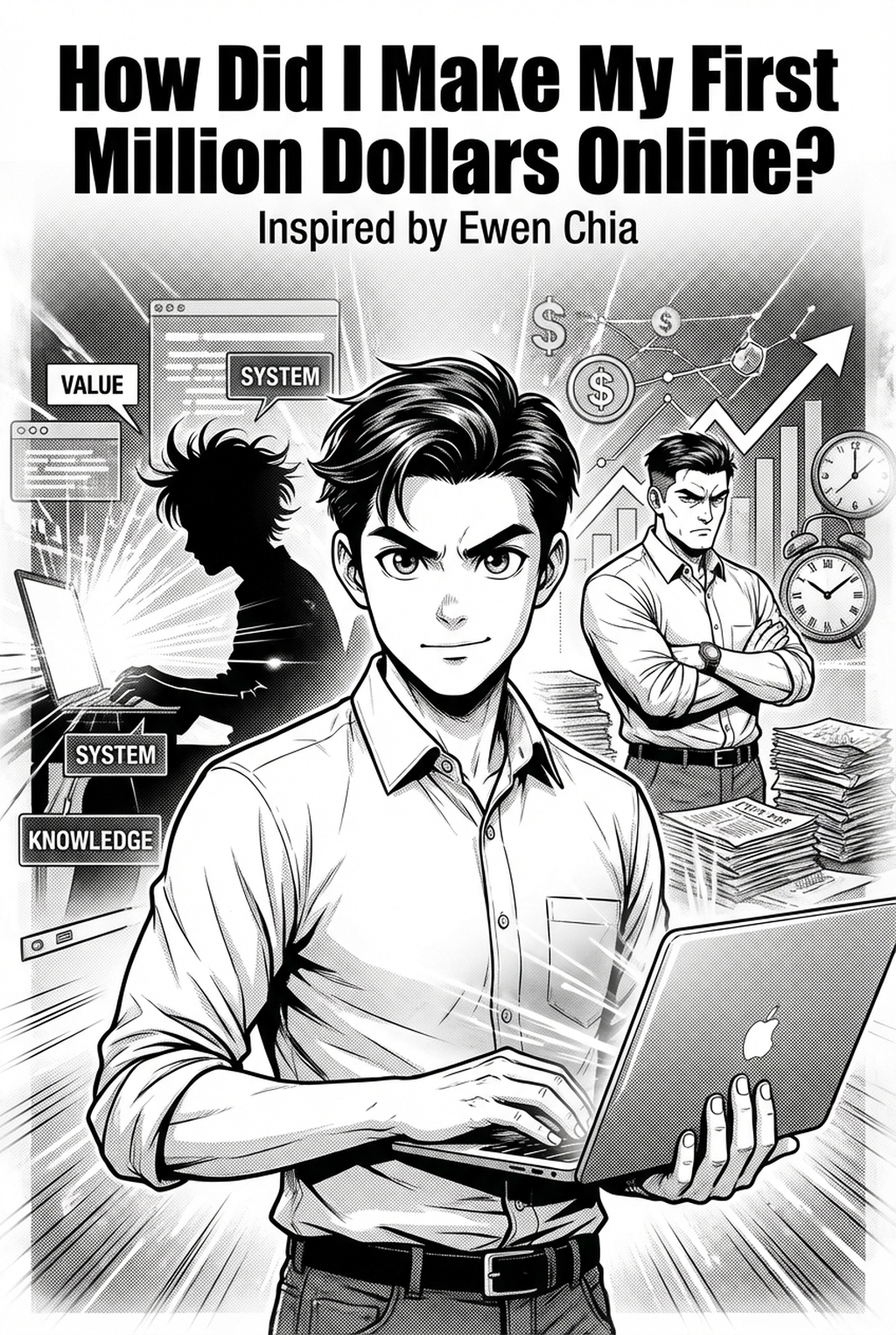
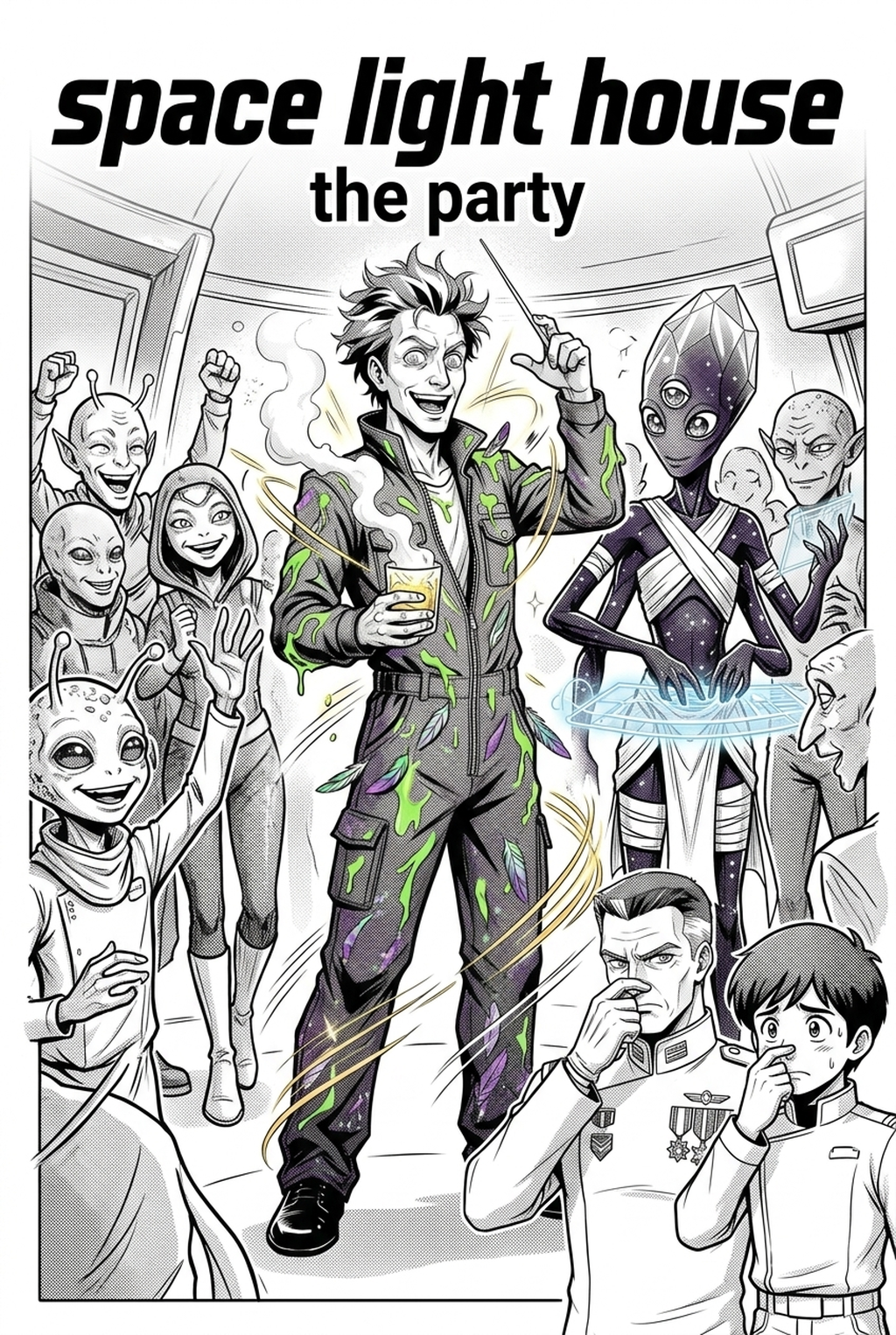
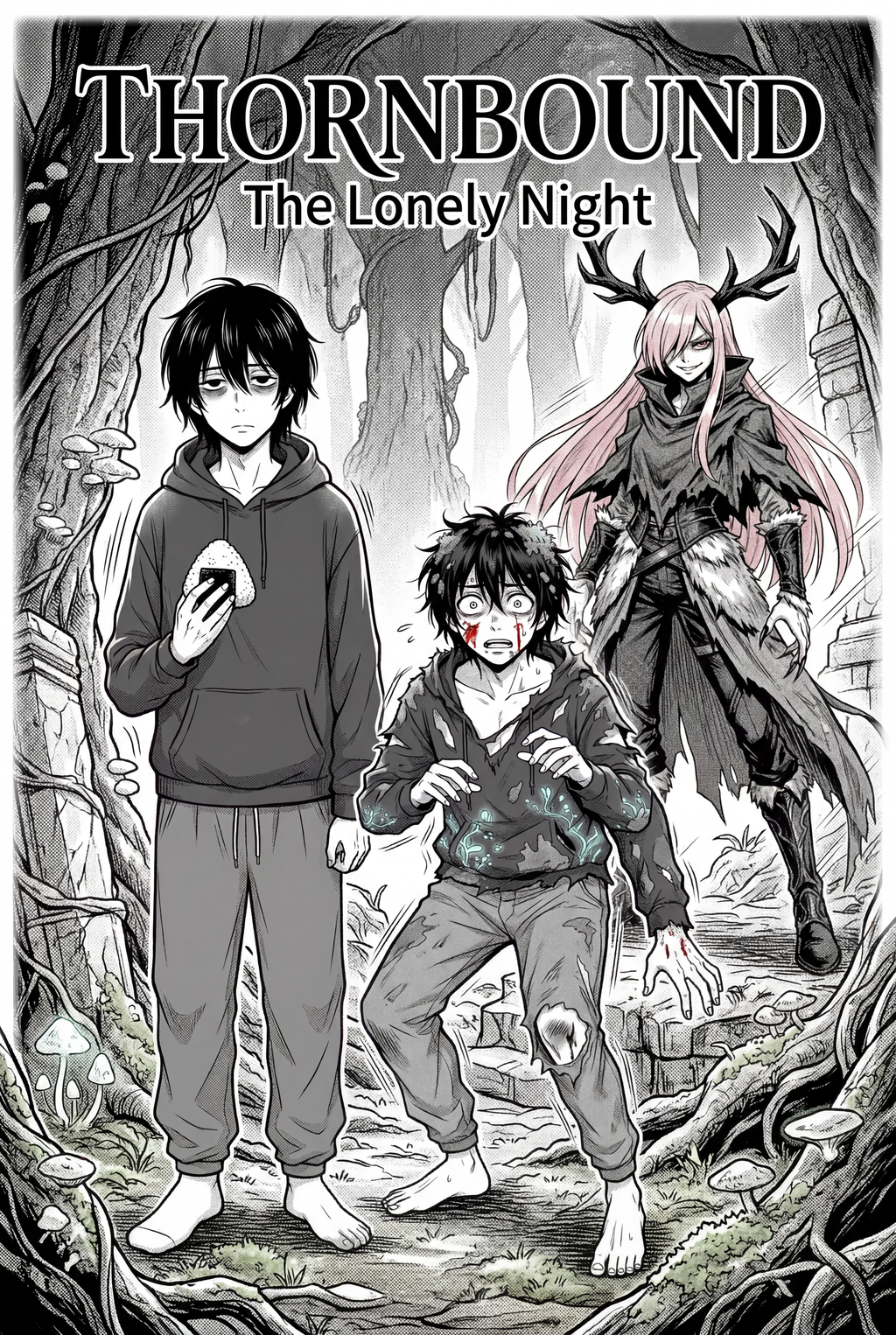
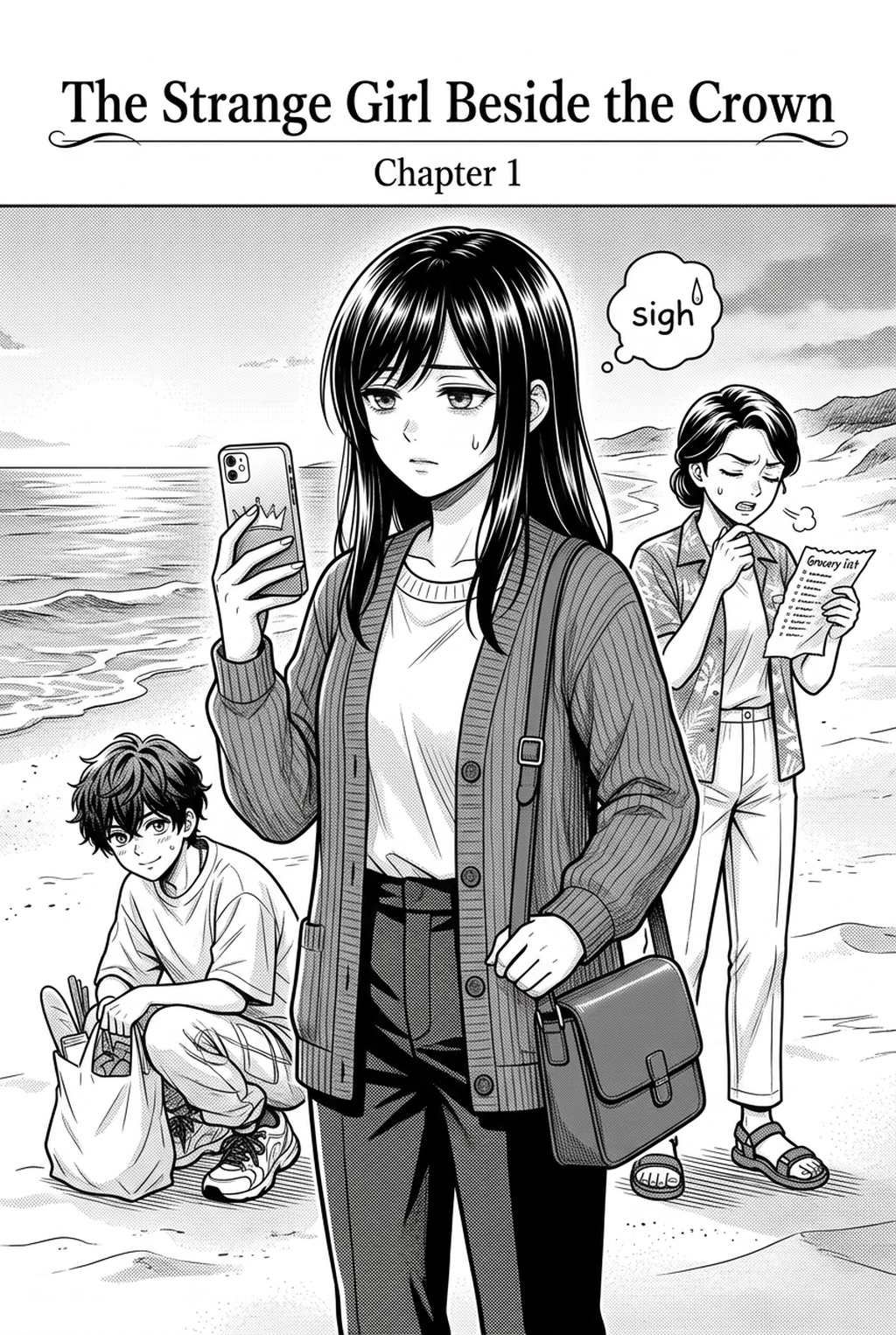
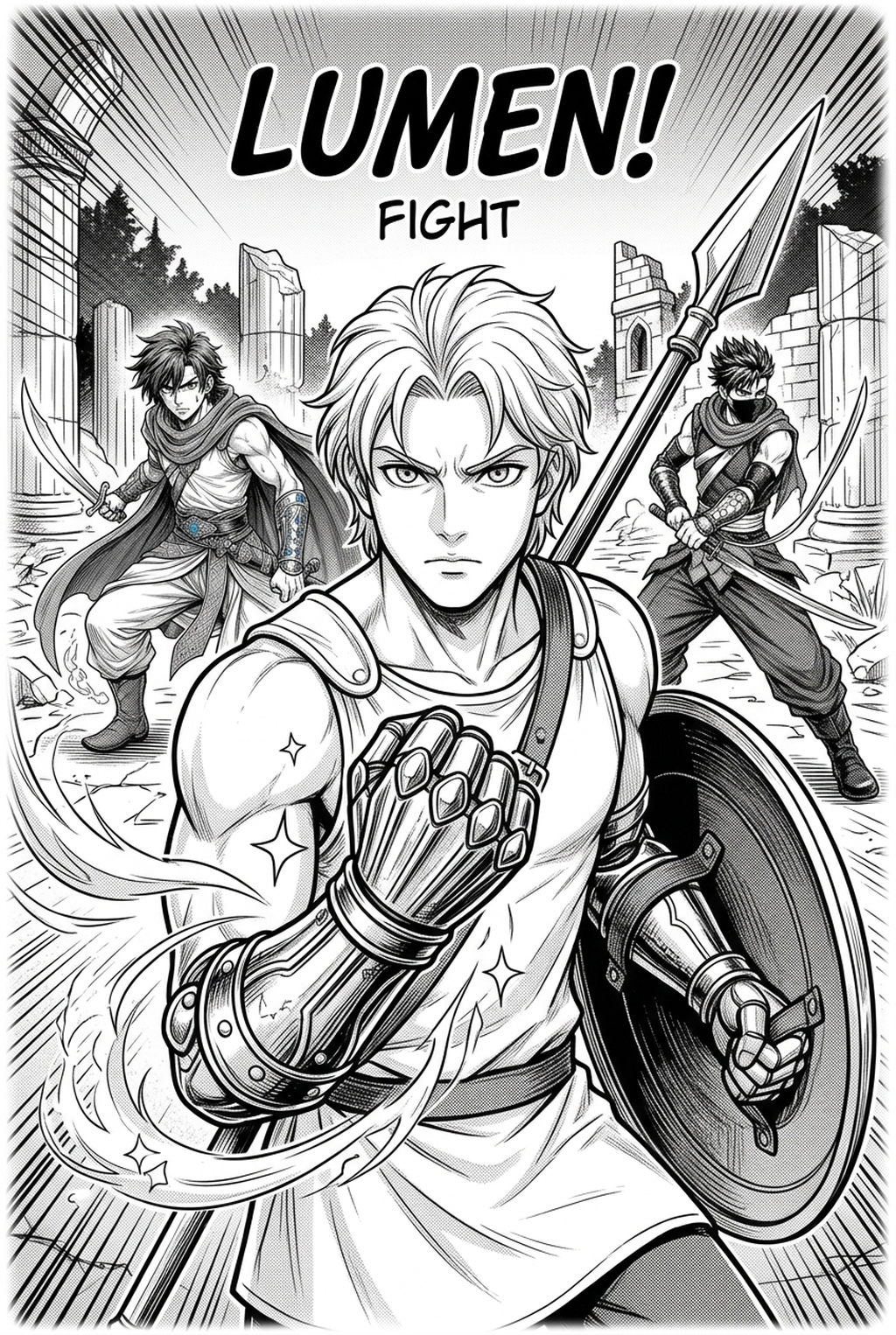
Mangaka acts as an AI-powered assistant that applies professional-grade ink and historical texture directly to your rough hand-drawn sketches through style transfer. Instead of manually cleaning up thousands of lines, you can now focus on the emotional weight of your narrative while the system handles the technical burden of line-weight intensity.
When depicting complex sword-drawing techniques like iaido, the speed of the strike is communicated through line intensity. The system processes these motion-heavy sketches to ensure that the "slash" is rendered with the necessary dramatic shadowing, removing the need for hours of manual cross-hatching. This automation ensures your line-art fidelity remains high even during rapid, gestural sketching phases.
By feeding your rough storyboard directly into Samurai manga art style with Mangaka , you shift your focus toward complex panel composition. The tool takes a base sketch—which might be a messy 500x700 pixel draft—and renders it into a clean, high-resolution aesthetic suitable for print-ready page layouts. This preserves your original composition while upgrading the line quality to a standard expected in modern seinen manga.
- Chapter cadence. Use the AI pass for pages where speed matters most, such as repeated action poses, transformation beats, or dense speed-line panels. Keep manual cleanup for hero panels where the line style defines the emotional peak. - Character continuity. Compare the generated lines against the same model sheet, costume notes, and facial-expression range used during sketching. This prevents a fast inking pass from drifting away from the character identity readers recognize. - Export readiness. Check whether the final manga output can move into lettering, coloring, or final layout without rebuilding panel borders or speech-bubble space. A good manga workflow should save time while keeping the next production step predictable.
- Chapter cadence. Use the AI pass for pages where speed matters most, such as repeated action poses, transformation beats, or dense speed-line panels. Keep manual cleanup for hero panels where the line style defines the emotional peak.
- Character continuity. Compare the generated lines against the same model sheet, costume notes, and facial-expression range used during sketching. This prevents a fast inking pass from drifting away from the character identity readers recognize.
- Export readiness. Check whether the final manga output can move into lettering, coloring, or final layout without rebuilding panel borders or speech-bubble space. A good manga workflow should save time while keeping the next production step predictable.
Tactical Application in Combat Panels
Action panels in this style must balance the explosive speed of the strike with the stillness of the practitioner. This use of Ma" (negative space) allows the reader’s eye to rest, making the subsequent collision feel significantly more impactful. Blade geometry is a crucial anchor point in every action sequence. Because a katana represents the soul of the warrior, Mangaka ensures that the steel reflects light and movement accurately even when you are working from very loose, gestural sketches. This allows you to avoid the common pitfall of "warping" blades that look rubbery or imprecise during high-speed movement.
Effective use of speed lines should complement the natural flow of the blade rather than obscuring the period-accurate details of your character's armor. If your speed lines are too dense, they bleed into the intricate textures of the dō, creating a chaotic image that fails to tell the story of the strike. The system helps you calibrate this balance, ensuring that the visual "noise" of combat never hides the core details of your character design.
Launching Your First Project
To begin, visit the Mangaka platform and upload your primary pencil sketches or rough storyboards to the creation interface. Select the 'Samurai' or 'Historical' preset to initiate the style transfer, which immediately refines your line weights and adds that characteristic high-contrast shading required for the genre.
You can manually adjust parameters for 'ink density' and 'historical texture' to match your specific narrative tone. For a grittier, more desperate story, lean into higher ink density to darken the shadows; for a more refined, court-focused drama, prioritize the clarity of armor textures and fine line work. Once you are satisfied with the result, export your refined panels for final page layout in your preferred software, ensuring all speech bubbles and sound effects are layered correctly on top of the newly finished artwork.
Creators should compare the generated line art with the original sketch and confirm that facial expressions, props, speed lines, and speech-bubble space still support the scene. A repeatable review pass should cover character consistency, panel readability, background clarity, and whether the final file is ready for coloring, lettering, or editor feedback. For longer projects, creators should save approved examples of line weight, face detail, clothing folds, and background density. Those references keep later chapters closer to the intended style.
The Bottom Line
The AI Manga Style Transfer workflow is a marriage of historical precision and raw, emotive line work that demands both technical discipline and stylistic consistency. By integrating tools like Mangaka, creators can offload the technical labor of inking and texture-matching, allowing for a faster production workflow without sacrificing the grit required for period-piece storytelling. Start your next project by focusing on your core narrative, and use the Samurai manga art style transfer to bring your vision to life.
Related articles
What Does a Manga Colorist Do? A 2026 Workflow Guide
How a Manga Colorist Workflow Is Evolving with AI in 2026
AI Manga Inking: A Modern Guide for Faster Serialization