What Is AI Manga Inking?
AI manga inking utilizes neural networks to interpret the precise stroke intent of your pencil sketches, effectively smoothing jagged lines and closing gaps while retaining the unique nuances of your original art style. Unlike generic image filters that blur detail, this specialized technology recognizes essential comic conventions, including variable line weight, cross-hatching density, and the placement of complex environmental shadows.
The technology functions as a digital assistant that offloads the most tedious phases of the production cycle, specifically line cleanup and gap-closing. By focusing on the structural data of your sketches, the model distinguishes between foreground characters and background elements, ensuring that your heavy-weight main subject lines remain distinct from the finer detail lines used in landscapes or internal settings.
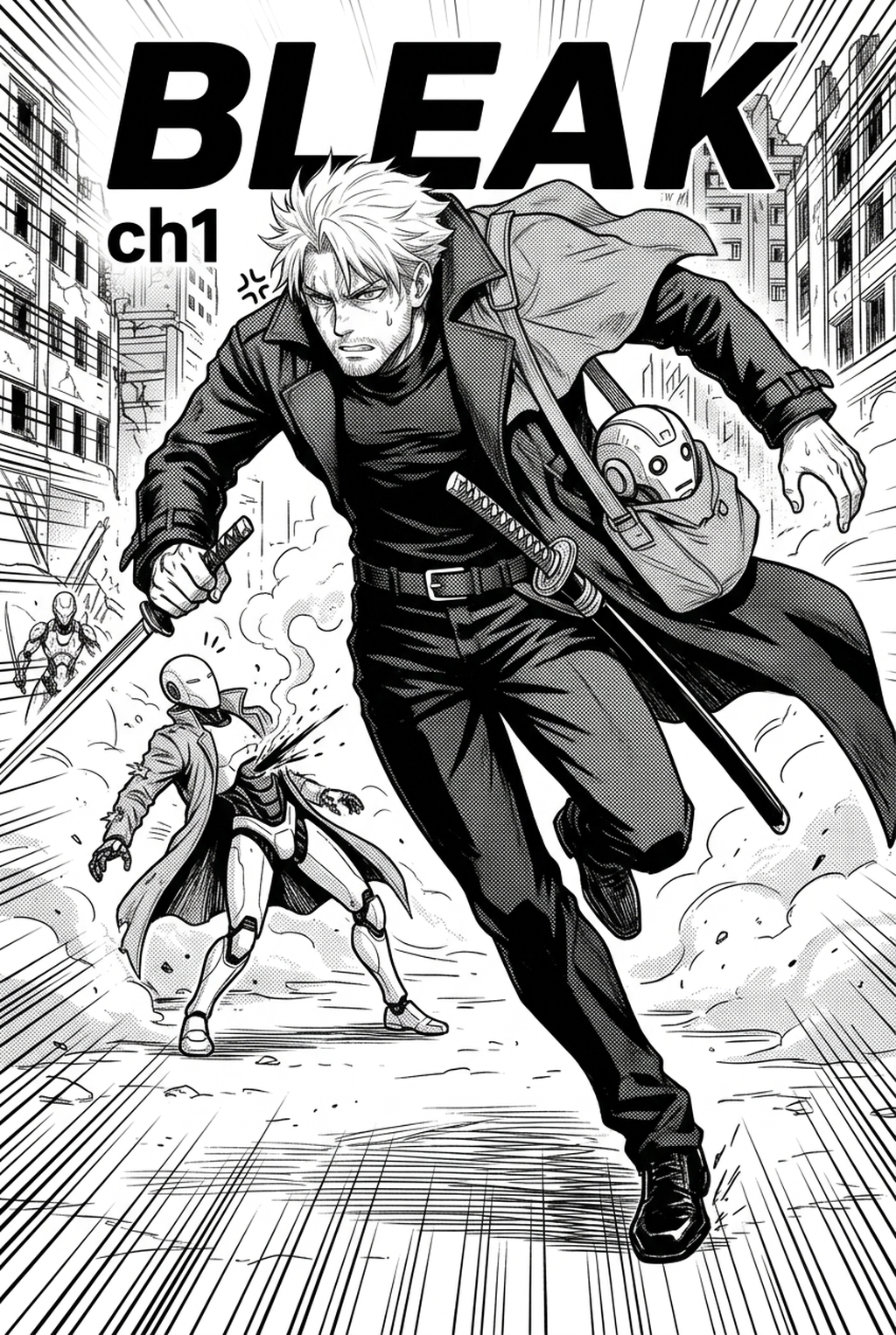
Traditional digital tools often result in "flat" lines, but current AI models are specifically tuned to identify the aesthetic markers that define professional-grade manga. The engine preserves the visual rhythm of your pen work, meaning the transition from thick, expressive contour lines to thinner interior detail lines is mathematically calculated to mimic the behavior of a physical G-pen on paper.
Why AI Manga Inker Matters for Manga Creators
Automated inking directly interrupts the classic mangaka burnout cycle, which typically occurs when the pressure of high-volume serialization prevents the proper refinement of every panel. By compressing the cleanup phase from hours to minutes, you gain significant time for higher-level creative tasks like narrative flow adjustments and complex panel layout design.
Maintaining Consistent Line Quality. AI assistance ensures that the character-proportion drift that often arises from manual fatigue is minimized, as the model applies a consistent artistic standard to every frame, ensuring that your lead characters look identical in Chapter 50 as they did in Chapter 1.
Check character consistency, panel readability, line quality, and export readiness before publishing. Creators should also record why the page passed review, which panel details still need manual cleanup, and which export format the next collaborator will use. That makes the subsection useful instead of leaving a short checklist under a large heading.
Critics often argue that automation replaces the artist, but the reality is that the mangaka remains the primary director of the page. You retain full control over delicate facial expressions, specific emotional markers in the eyes, and unique stylistic flourishes, while the engine handles the high-volume, repetitive architectural grids or background foliage that provide atmosphere but offer little narrative impact.
How AI Manga Inking Works with Mangaka
The production process begins when you upload a high-resolution scan of your hand-drawn draft, which serves as the fundamental source context for the model. Mangaka then processes this data to generate clean, high-contrast vectors or bitmaps, which essentially digitize the artist's initial intent into a production-ready format.
Maintaining a clean separation between your line art and background layers is critical for downstream tasks like digital screentone application and color grading. By exporting files with preserved layer-based integrity, you ensure that editors can easily manipulate specific elements of the page without destroying the underlying line work, facilitating a professional, non-destructive workflow.
When you use AI manga inking , the engine analyzes the source context of your pencil pressure to determine line weight distribution. This automatic conversion eliminates the need for manual erasing or line-gap filling, providing you with a clean, printer-ready output that meets the high-resolution standards required for physical tankōbon publication.
Use Cases for AI Manga Inker
To achieve the best results with automated tools, it is vital to use bold, deliberate pencil pressure for your primary characters, which helps the AI distinguish foreground elements from potential background noise. Organizing your panels within standard delivery formats, such as PSD or PNG, further assists the engine in identifying the structural boundaries of each frame.
High-volume creators can utilize automated batch processing to ink entire chapters in a fraction of the time required by manual methods. This workflow leaves the artist with the necessary time for final-touch reviews, where you can perform a quick visual oversight to ensure the AI output aligns with your overarching tone and narrative requirements.
Professional manga editors expect specific file standards, and the tool ensures your exports are compatible with these industry norms. By providing high-contrast, scalable outputs, the engine guarantees that your files will reproduce clearly on both high-definition digital platforms and lower-cost physical print media, mitigating the risk of pixelation or ink bleed during production.
How to Get Started with Mangaka
Integrating automated tools into your existing cycle does not mean handing over your aesthetic choices; instead, it is about shifting your effort toward high-value directorial work. The specialized models are trained to render environmental lines, such as complex building architecture, with high precision, allowing you to focus on the expressive elements of your character design.
The final aesthetic control and directorial decisions always remain firmly in your hands as the mangaka. The tool acts as a technical extension of your hand, and any generated file can be manually refined in your primary software to ensure that unique, unconventional artistic choices remain intact.
Every generated asset is created with professional printing requirements in mind, providing high-resolution files that handle scaling for different print formats. Whether you are aiming for a compact magazine release or a large-format trade paperback, the output remains sharp and professional, adhering to the standard line art specifications of modern publishing.
The Bottom Line
A creator workflow represents a pivot point in modern production, enabling creators to achieve professional-grade finishes while drastically reducing the time spent on manual cleanup. By integrating this technology into your existing workflow, you can maintain a sustainable schedule without compromising the artistic quality your audience expects. Start your first page conversion today at AI manga inking to see how your sketches translate into professional-grade line art.
Related articles
What Does a Manga Colorist Do? A Guide for Modern Artists
How to Generate Professional AI Manga Background Art 2026
How to Generate AI Manga Background Art for Your Series 2026