AI Manga Style Transfer: Visual Components of Fighting Game Aesthetics
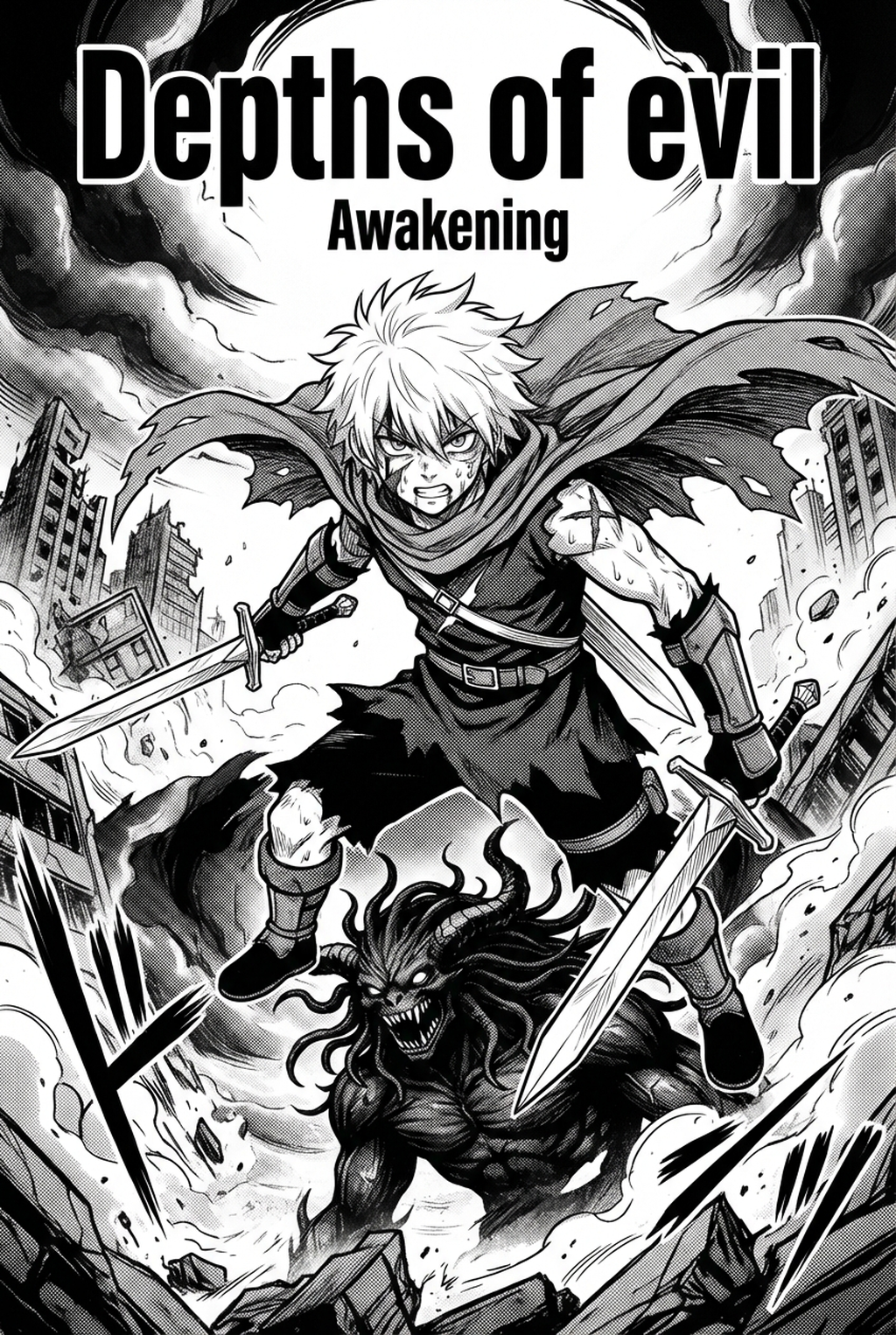
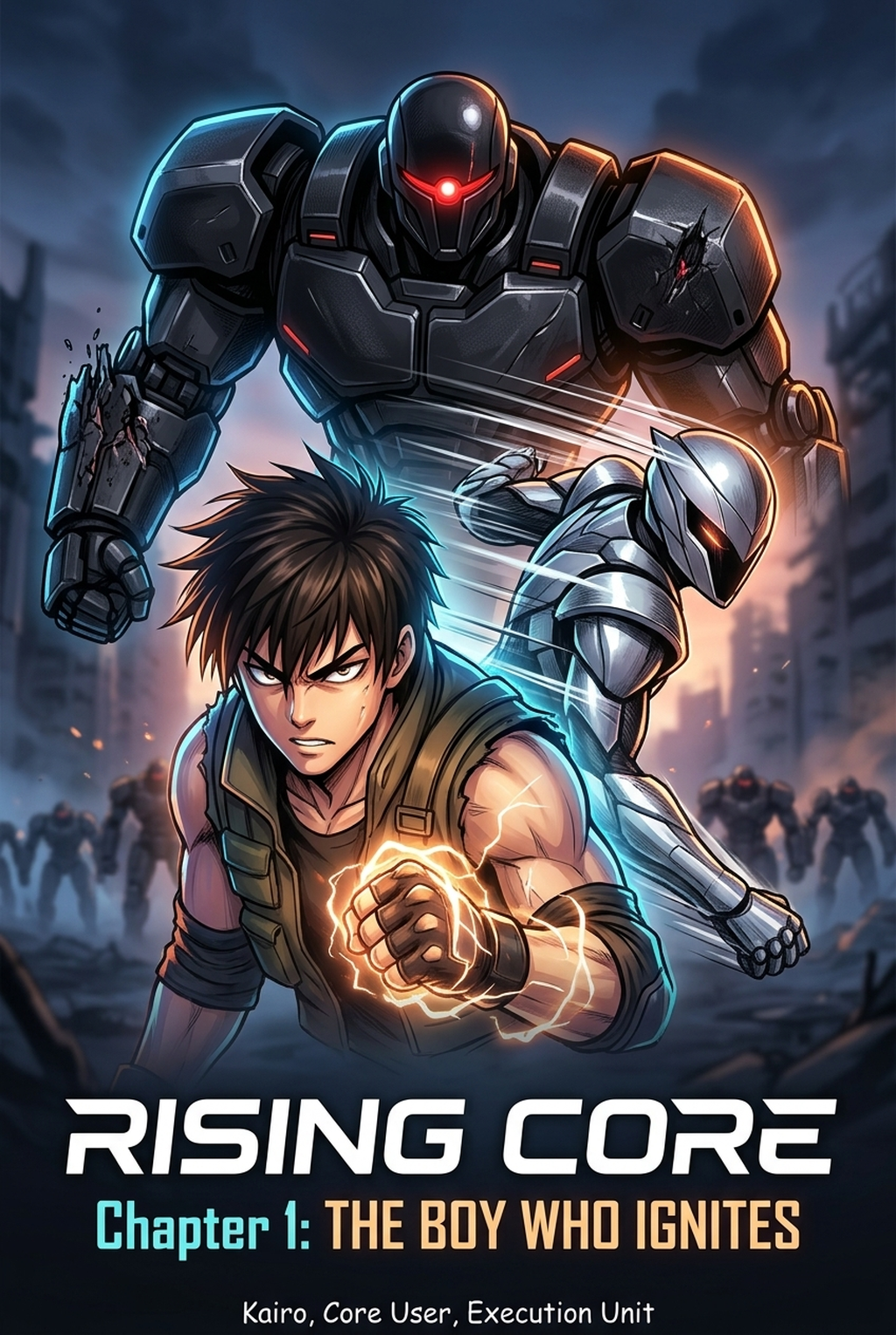
Unlike the fine, hair-thin lines used in slice-of-life manga, these lines must maintain consistent weight across the entire silhouette to ensure the character remains legible even when shrunk for mobile reading formats. Creators prioritizing this style focus on large, readable shapes that communicate power rather than realistic proportions. You should design your character’s primary gesture so the silhouette remains distinct even when the figure is overlapping with background elements or other fighters. This ensures that in a 10-panel combat sequence, the reader never loses track of the protagonist's limb placement during an attack.
This shading method removes subtle gradients in favor of high-contrast black-and-white areas, which defines the physical volume of a character instantly. By stripping away mid-tones, you eliminate the visual clutter that plagues many complex action panels, allowing your audience to track the point of impact rather than guessing at the source of a light refraction.
Why This Aesthetic Improves Combat Readability
The Street Fighter art style forces a more deliberate panel layout because the characters require more "negative space" to showcase their explosive posing without looking cramped. This aesthetic acts as a visual shorthand for strength; when a character occupies a panel with these thick, aggressive lines, the reader immediately recognizes them as a primary threat, reducing the need for expository dialogue boxes that clutter the composition.
Impact frames—those single-panel moments of extreme deformation and high-contrast lines—become the anchor points of your pacing. By using this style, you can transform a standard punch into a visceral, page-turning event, forcing the reader’s eye to move rapidly across the page to keep up with the physical intensity of the scene.
High-intensity brawls often suffer from "line creep," where too much hatching makes it impossible to distinguish between a character's arm and an opponent’s guard. This style’s refusal to use excess detail means that even when two characters are locked in a grapple, the viewer sees two clear, interlocking geometric shapes rather than a messy, incomprehensible tangle of inked lines.
How Mangaka Integrates This High-Impact Format
Mangaka streamlines the production process by allowing you to Street Fighter art style directly from your initial layout sketches. You no longer need to worry about line-weight drift or character-proportion inconsistencies during your primary inking phase. When you upload your rough layout, the tool analyzes the gesture and automatically applies the specific Street Fighter-inspired 'action' filter to your character lines. It identifies the muscle groups in your rough drawing and scales them to meet the required "fighter" archetype proportions, while simultaneously thickening your primary outlines to match the expected high-contrast delivery format.
You can test five different body types for a single villain character in the time it would usually take to complete one ink pass. This flexibility lets you adjust a character’s shoulders, leg stance, or arm reach without manually erasing and redrawing; simply adjust your input sketch and re-render to see how the change impacts the character’s perceived power and physical presence on the page.
Use Cases for High-Impact Character Design
Use this style specifically for full-page splash shots to emphasize the raw power of a character’s signature move. When an opponent is knocked back, the bold shadow-work highlights the point of physical connection, making the force of the strike feel visceral rather than merely implied.
Apply this aesthetic to your antagonist’s character sheets to give them a physically imposing presence that contrasts with the thinner, more agile lines of your protagonist. This provides an immediate visual distinction that tells the reader who the "power house" is before the fight even begins.
The block-shadow technique clearly demarcates the "center of gravity" for the panel. This keeps the reader focused on the action center rather than the surrounding environmental detail, which is essential for maintaining the pacing of a fast-paced sequence.
How to Get Started with the Platform
You do not need a background in professional inking or anatomy to achieve a high-energy result. The platform bridges the skill gap, allowing you to focus on the story-board composition while it handles the complex technical requirements of anatomy-focused line work.
Can I apply this style to only specific characters in my story? Yes, you can use object-level control to ensure your main fighters maintain the aggressive, bold-line aesthetic while background characters are rendered with more traditional, subdued line weights.
Check character consistency, panel readability, line quality, and export readiness before publishing. Creators should also record why the page passed review, which panel details still need manual cleanup, and which export format the next collaborator will use. That makes the subsection useful instead of leaving a short checklist under a large heading.
While the style draws inspiration from fighting games, using it for manga results in a unique, high-energy blend that fits the vertical comic platforms and traditional print markets perfectly. It gives your panels the punchy, vibrant feel of a modern digital comic without forcing you to abandon your own narrative voice. Before export, creators should compare the generated line art with the original sketch and confirm that facial expressions, props, speed lines, and speech-bubble space still support the scene.
The Bottom Line
Mastering the creator workflow gives you an undeniable edge in delivering high-intensity, readable combat sequences that keep your audience engaged. By leveraging the Street Fighter art style for your inking and anatomical adjustments, you can deliver professional-grade results without compromising your production schedule or narrative flow.
Related articles
Drawing Manga Food Scene Backgrounds: A 2026 Creator's Guide
Mastering Action Manga Combat Storyboard Techniques in 2026
Mastering Gourmet Manga Background Art for Food Scenes 2026