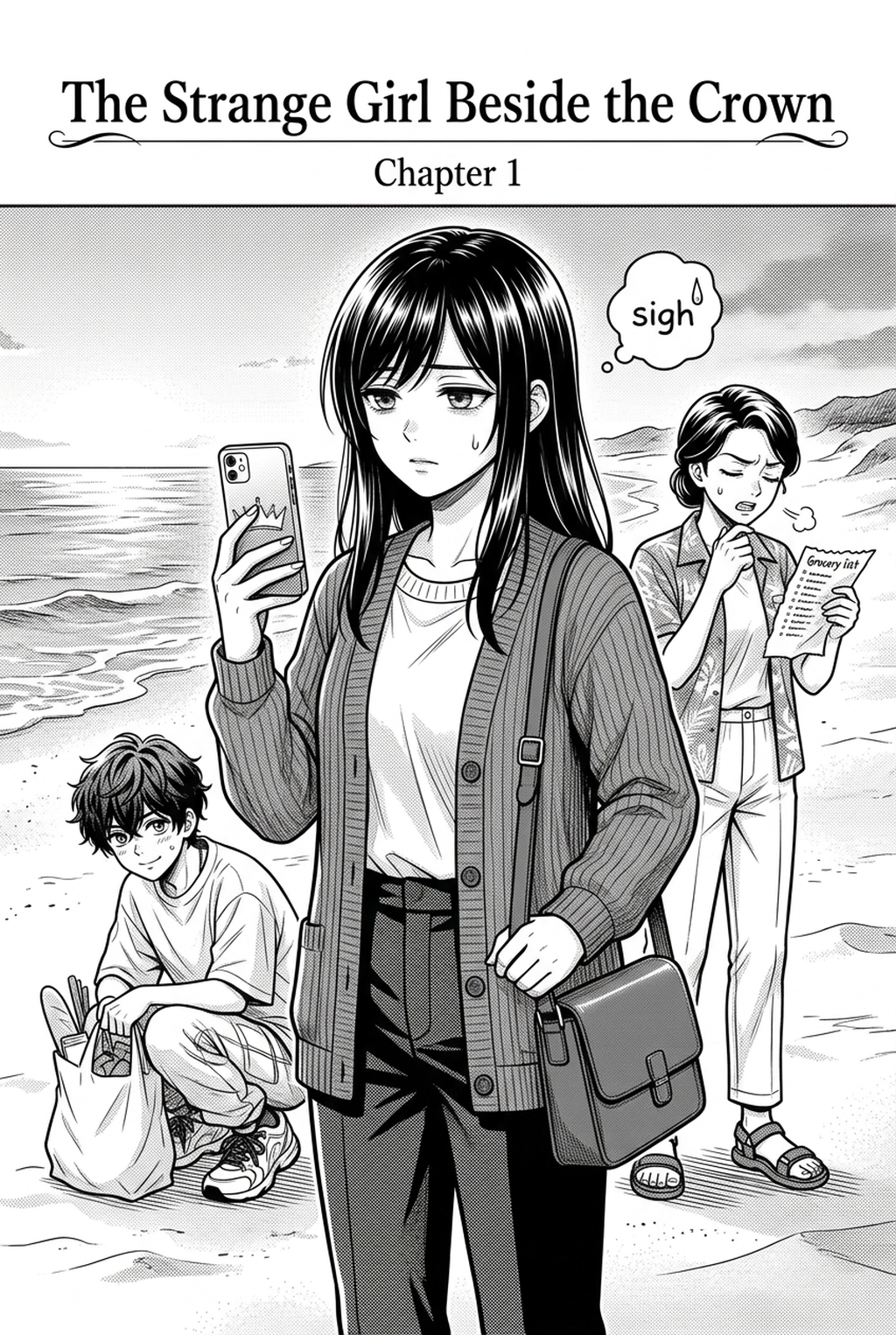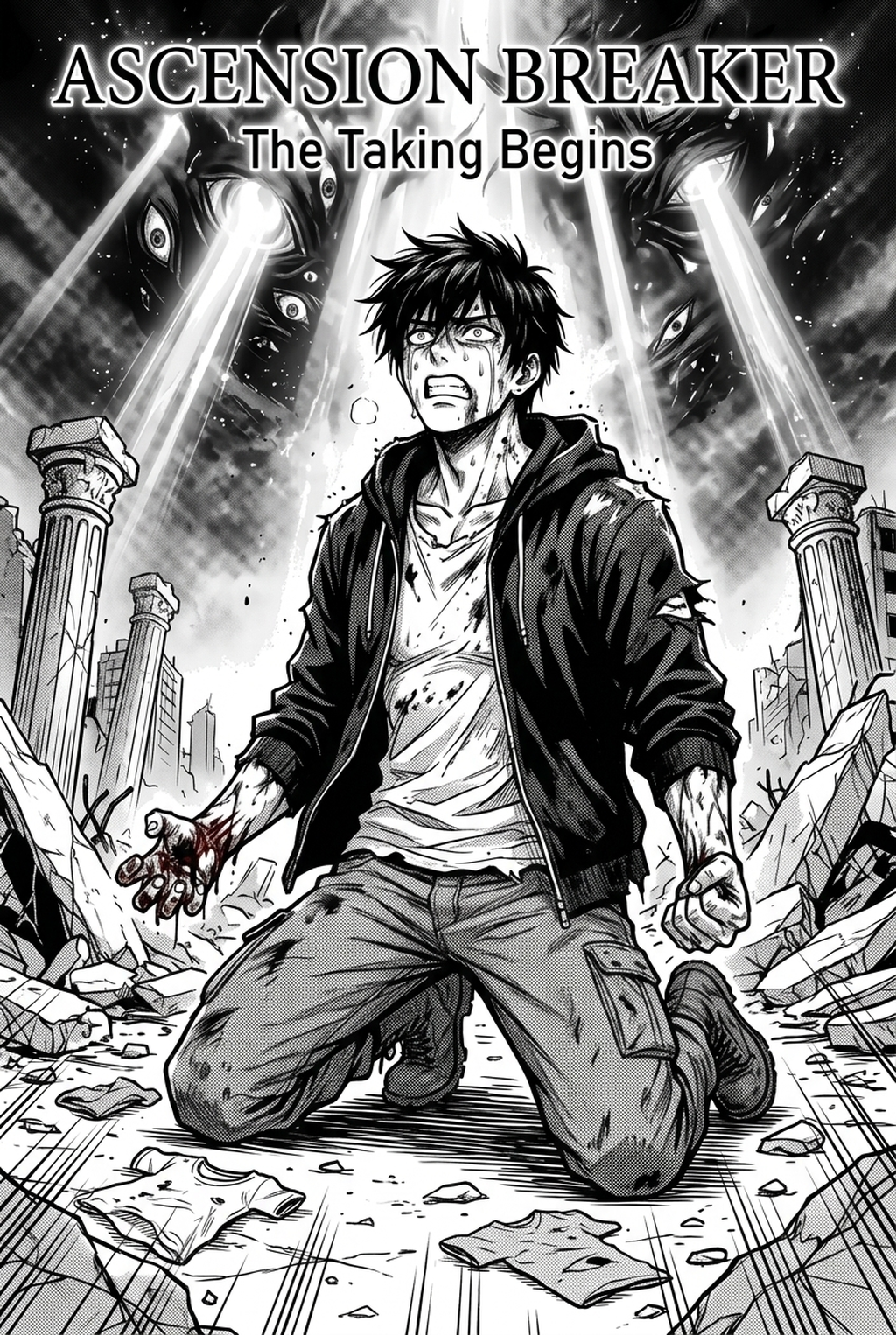
What Is Manga Food Scene Backgrounds?
Creating high-quality dining environments involves more than just drafting a table and chairs; it requires an intentional blend of architectural perspective and texture to anchor the reader. Authentic settings rely on precise line weight to distinguish between the soft edges of steaming ramen and the rigid, structural geometry of the restaurant’s wooden counter.
- Appetite-Inducing Textures: Use varied line density to make food items look tangible, ensuring that the reader’s eye is drawn to the meal before settling on the character's reaction. * Architectural Perspective: The background must adhere to a strict vanishing point to prevent the "floating character" effect where the subject appears detached from their physical surroundings. * Atmospheric Composition: Avoid clutter by choosing a focal point; the furniture and decor should provide context, not compete with the character’s emotive posing for the reader's attention.
A common pitfall is over-rendering the background, which can cause the reader to lose focus on the character’s facial expressions—the core of any successful scene. Keeping the background distinct from the character in terms of line weight is essential for maintaining proper panel hierarchy and readability.
Why AI Manga Background Artist Matters for Manga Creators
Detailed culinary environments serve as the backbone of 'Iyashikei' storytelling, providing the physical weight necessary to make a character’s internal growth feel grounded. When a reader sees a character eating in a consistent, well-rendered space, the setting ceases to be a mere backdrop and becomes an active participant in the scene’s tone.
- Storytelling Grounding: A recurring cafe or kitchen location builds a sense of familiarity, making the reader feel like a frequent guest in your character’s daily life. * Viral Visuals: Food-centric panels with high-fidelity detail often perform significantly better on social media, where the visual "tastiness" of a well-drawn meal captures attention quickly. * Emotive Contrast: You can reinforce the mood of a scene by modulating the background’s lighting; a lonely, late-night snack in a dark, sparse shop emphasizes character isolation more effectively than a crowded, brightly lit feast.
How Manga Food Scene Backgrounds Works with Mangaka
manga food scene backgrounds solves the common bottleneck of manual perspective drawing by converting descriptive text into ready-to-use manga panels. You can move past the limitations of traditional rulers and vanishing point grids, allowing the engine to handle the complex geometry of a bustling urban café or a quiet home kitchen while you prioritize character posing.
- Thematic Alignment: Access specific presets for diverse dining environments, such as traditional ramen stalls or sleek, futuristic cyberpunk eateries, to match your specific narrative sub-genre. * Productivity Gains: By automating the architectural foundation, you save hours of manual inking, redirecting that time toward perfecting character facial expressions and emotive page layout. * Export Fidelity: Every output is designed for high-resolution integration into your professional workflow, allowing for clean overlays of your own characters onto the generated environment.
a creator working on a 20-page chapter can use the tool to generate a 3-point perspective view of a restaurant. This keeps the review focused on story intent, line weight, panel readability, and the export quality behind the final AI Manga Background Artist output.
Use Cases for AI Manga Background Artist
Food scenes offer the perfect "visual breath" after high-intensity action arcs, allowing for a change in pacing that keeps the narrative from becoming exhausting. You can utilize these moments to transition between plot beats, signaling a shift in the status quo through the environment.
- Pacing Shifts: Insert a quiet, detailed dining scene after a major confrontation to let the reader process the narrative shift alongside your characters. * Mood Signaling: Use harsh, high-contrast shadows to denote a tense business lunch or warm, soft gradients to represent a comforting family dinner. * Social Scale: Quickly build out large-scale feasts or crowded social gatherings that would otherwise require prohibitive amounts of manual labor, ensuring the background never looks sparse during important group interactions.
How to Get Started with Mangaka
Getting started involves integrating the tool into your existing creative brief, where you input specific stylistic modifiers to match your manga's unique aesthetic. The platform is built to handle the technical heavy lifting, meaning your focus remains on narrative flow rather than complex geometric calculations.
- Architectural Precision: The engine provides robust control over architectural styles, letting you match the environment to your specific sub-genre—whether you are working on a gritty Seinen thriller or a lighthearted Shonen comedy. * Spatial Depth: Because the system automatically manages vanishing points and spatial depth, you do not need to be an expert in traditional perspective drawing to achieve a professional finish. * Commercial Freedom: All content you produce is fully licensed for professional use, ensuring that your commercial manga project remains free of rights-related hurdles during the publication phase.
Creators should compare the generated line art with the original sketch and confirm that facial expressions, props, speed lines, and speech-bubble space still support the scene. A repeatable review pass should cover character consistency, panel readability, background clarity, and whether the final file is ready for coloring, lettering, or editor feedback.
The Bottom Line
Effective food scene backgrounds are no longer limited to those who have mastered complex architectural drawing; tools like Mangaka make this level of detail accessible to every solo creator. Prioritizing high-quality environmental art allows you to build stronger connections with your audience, turning simple dining scenes into memorable, iconic moments that define your narrative. You can start generating your own professional-grade environments today by visiting manga food scene backgrounds and integrating high-fidelity backgrounds into your next manga chapter.
Related articles
Mastering Action Manga Combat Storyboard Techniques in 2026
Mastering Gourmet Manga Background Art for Food Scenes 2026
How to Build a Magical Girl Manga Storyboard: A 2026 Guide