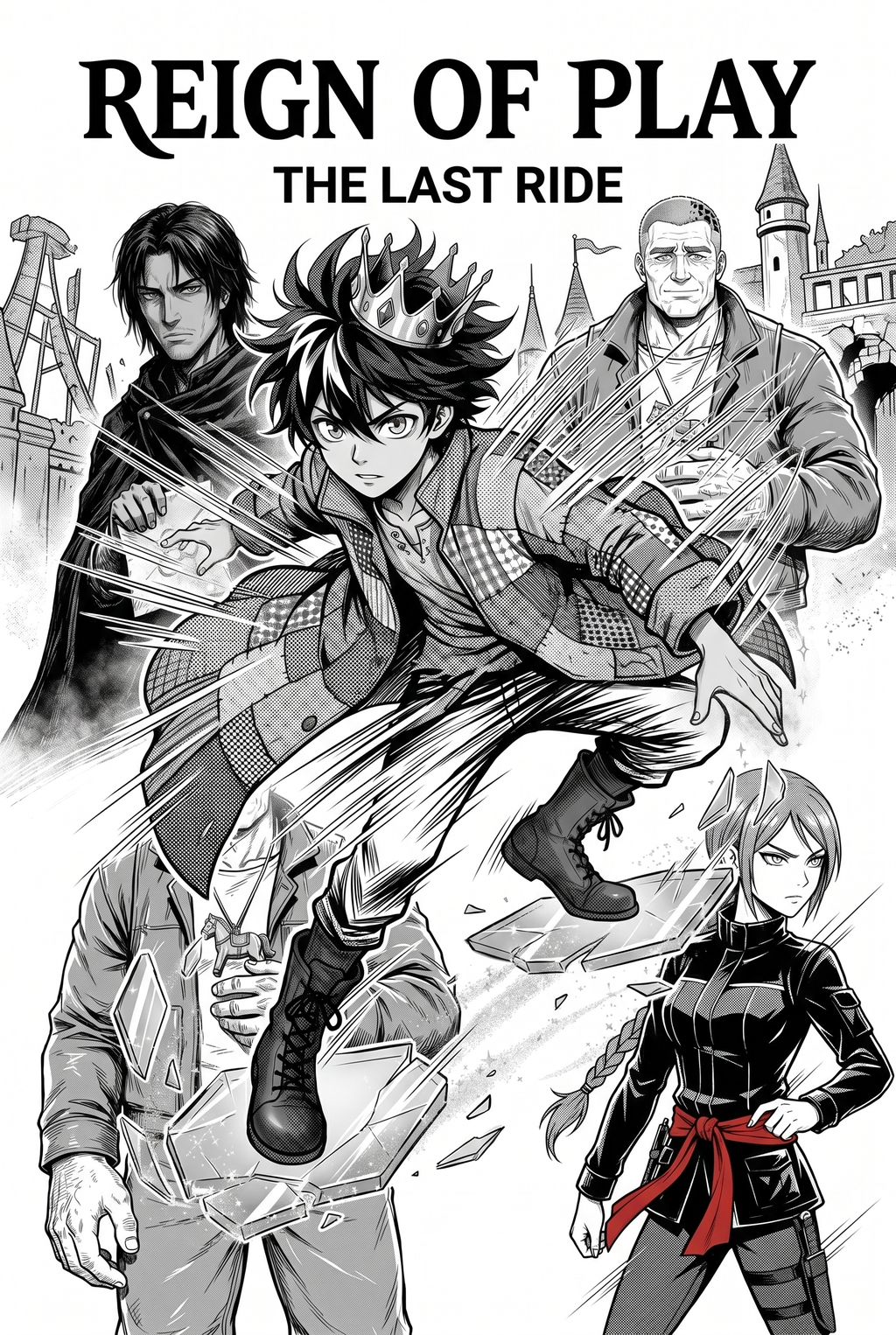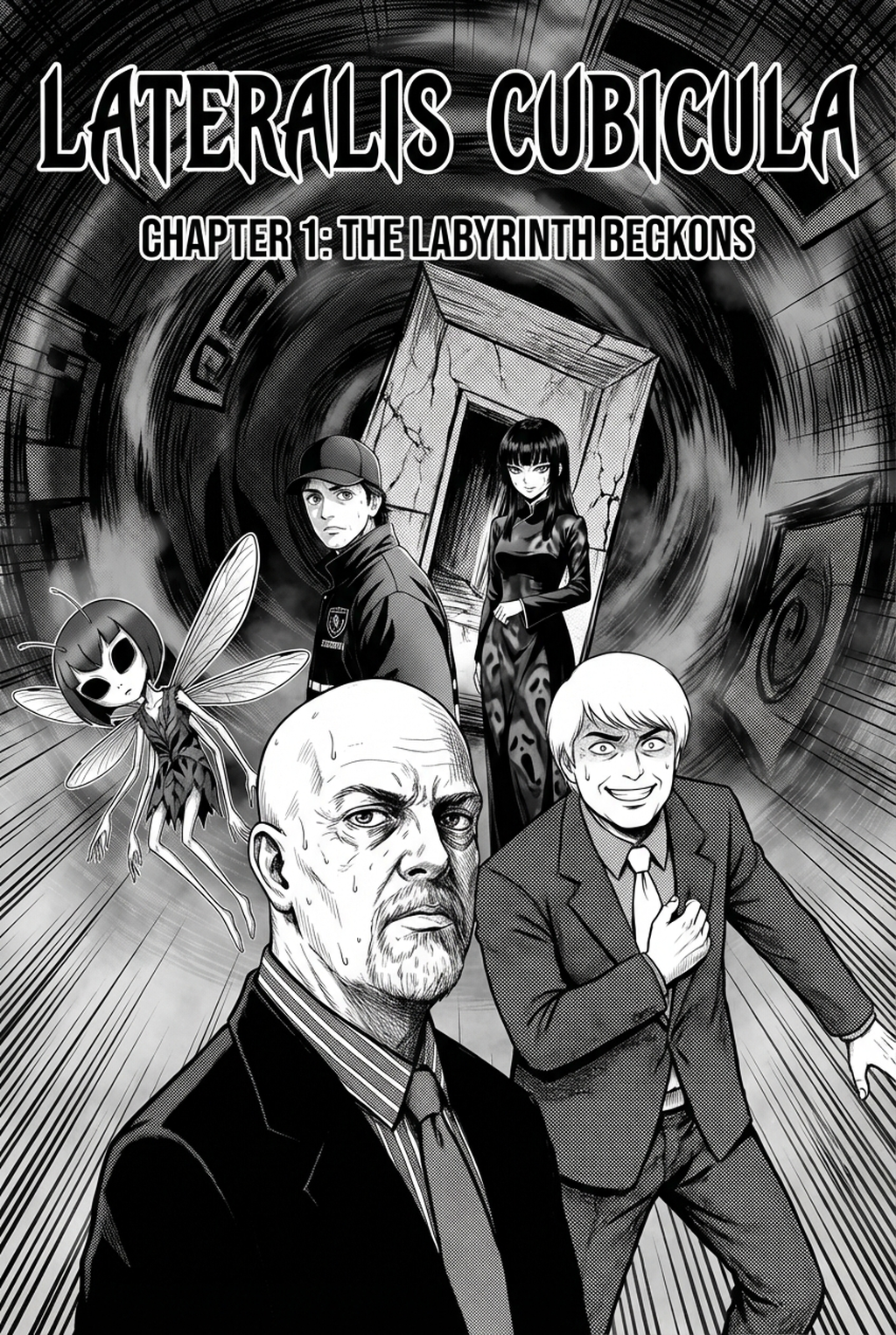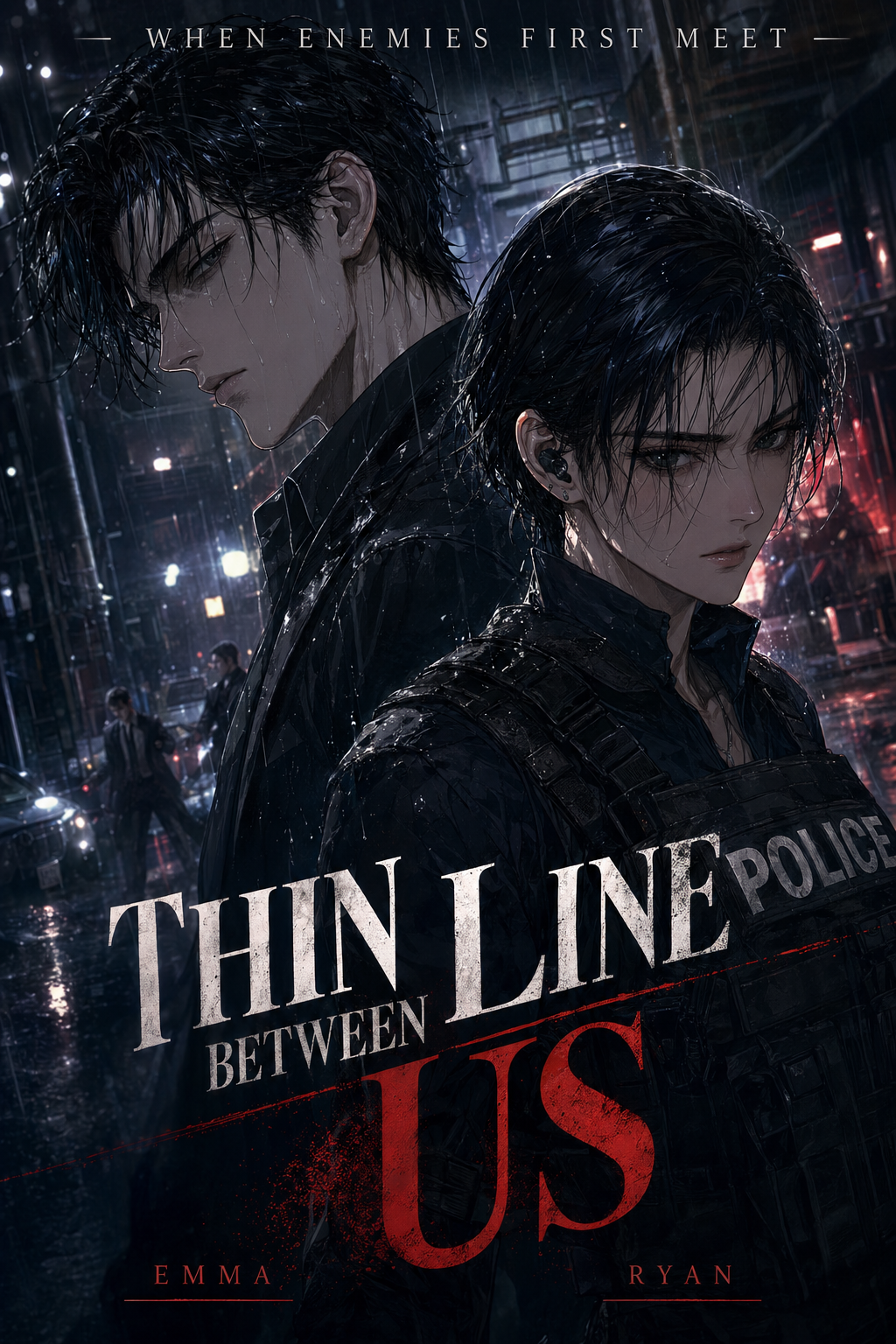
AI Manga Storyboard Builder: What a Launch Board Fixes Before Page One Is Drawn
You are planning a series that does not exist yet, so the board records founding decisions, not just one chapter's pages. A launch board cannot improvise a costume or street name; chapter six inherits both.
- Founding premise — the one-sentence series promise
- Hook panel — the first striking panel readers remember
- Inciting incident — the event forcing the protagonist to act
- Seeded payoff — a planted detail with a planned reveal
- Arc climax — the peak chapter ending the first arc
Those records become source context for later chapters, covering character consistency, outfit design, and world terminology. Skip the record and proportion drift reaches print unnoticed. This keeps the review focused on story intent, line weight, panel readability, and the export quality behind the final AI Manga Storyboard Builder output.
Why Chapter One Carries the Whole Series Launch
Chapter one does three jobs at once for creators: hook the reader, introduce the protagonist and world, and promise a series worth following. Clean inking cannot rescue ten pages of opening backstory.
- Exposition opening — lore fills the first pages while the hook slips past
- Full-cast introduction — everyone appears at once and nobody stays memorable
- Flat chapter ending — no cliffhanger earns the chapter-two read
Treat those numbers as working formulas checked every chapter. Creators can use each revision decision to clarify panel readability, character consistency, and export quality before publishing or sharing.
How Mangaka Builds a Launch Board and Arc Map
You lock the founding documents first, map beats across the whole first arc, and only then board pages in detail. When you supply script beats and bible notes, Mangaka orders thumbnails into a readable sequence before ink exists, directly attacking the exposition opening above. Creators can drag a hook from page 9 to page 2 while pages remain cheap thumbnails.
Your bible is one record holding the logline, core cast, protagonist want, the single world rule the series never breaks, tone, and delivery format. Creators write it before chapter one is boarded, and later chapters get boarded against it. Skip it and a chapter-four location quietly permits what chapter one forbade.
The beat map gives each arc chapter one job, one reveal, and one ending cliffhanger, so the arc escalates instead of repeating chapter-one beats. ) as a PDF before inking began. That extra context helps the reader connect the creative choice to character consistency, composition, speech-bubble space, and final file format.
Every planted object, line, or background figure enters a ledger with its seed panel, planned payoff chapter, and status. Creators read it like balance sheets for promises: seeds opened and closed must reconcile, or readers collect one payoff twice and another never. One review owner signs it before art starts, because a figure seeded on page 31 is what a busy chapter-five board forgets.
Core cast members enter in different chapters, each with one defining panel showing them in action. A rival arriving in chapter three with one decisive panel stays memorable longer than five faces in a chapter-one group spread. Creators keep dialogue there under ten words and take each entrant's locked design and want from the bible.
Launch Moments That Earn a Chapter-Two Read
You board four launch moments differently from ordinary pages, because each decides whether a reader reaches chapter two. One enlarged panel outperforms three explanatory panels here, and your own chapter-one reading will test that claim.
- Opening hook pages — a striking action panel first, world information through the protagonist's next move
- Protagonist first appearance — one enlarged panel making the hero's want readable instantly
- First world-rule reveal — one enlarged panel proving the rule instead of a caption explaining it
- Chapter cliffhangers — a reveal, arrival, or decision the arc map prepared
Board each cliffhanger as a seeded-payoff moment, not a surprise invented on the final page. Continuing then feels like collecting a promise.
First Steps and a Stable Delivery Format
Creators start by treating the launch bible, chapter-one board, and seeding ledger as permanent source context, boarded against for every new chapter. Give one review owner this launch checklist per chapter: For manga creators, the practical value comes from reducing redraw loops before the artwork reaches a reader-facing page or reusable asset.
- Terminology consistency — world-rule and technique names match the bible
- Design consistency — character designs and outfits match the founding sheets
- Payoff status — seeded payoffs opened or closed match the ledger
- World-state changes — every change logged before pages are generated
That owner runs the list as a compliance pass and signs off a bundle of board, ledger extract, and checklist, handled like audit packets, before art is generated. Before export, creators should compare the generated line art with the original sketch and confirm that facial expressions, props, speed lines, and speech-bubble space still support the scene.
A repeatable review pass should cover character consistency, panel readability, background clarity, and whether the final file is ready for coloring, lettering, or editor feedback. For longer projects, creators should save approved examples of line weight, face detail, clothing folds, and background density. Those references keep later chapters closer to the intended style.
Creators can evaluate new manga series storyboard planning with Mangaka mid-workflow when they need the product path tied directly to review, refinement, and export. A real test should use the same sketch, character goal, or panel sequence that would otherwise need manual cleanup after generation.
The Bottom Line
A complete launch plan, fixed before chapter one is drawn, holds a series launch bible, a chapter-one hook budget, a first-arc beat map, and a payoff seeding ledger. That set separates launch planning from single-chapter boarding, because future chapters depend on its designs, world rules, and planted details. You can new manga series storyboard planning today by writing down your premise, your protagonist's want, and the one world rule your series will never break.
Related articles
How to Build a Historical Mystery Manga Storyboard in 2026
Manga Ending Storyboard Planning for Creators 2026
Steins Gate Science Adventure Storyboard for Creators 2026