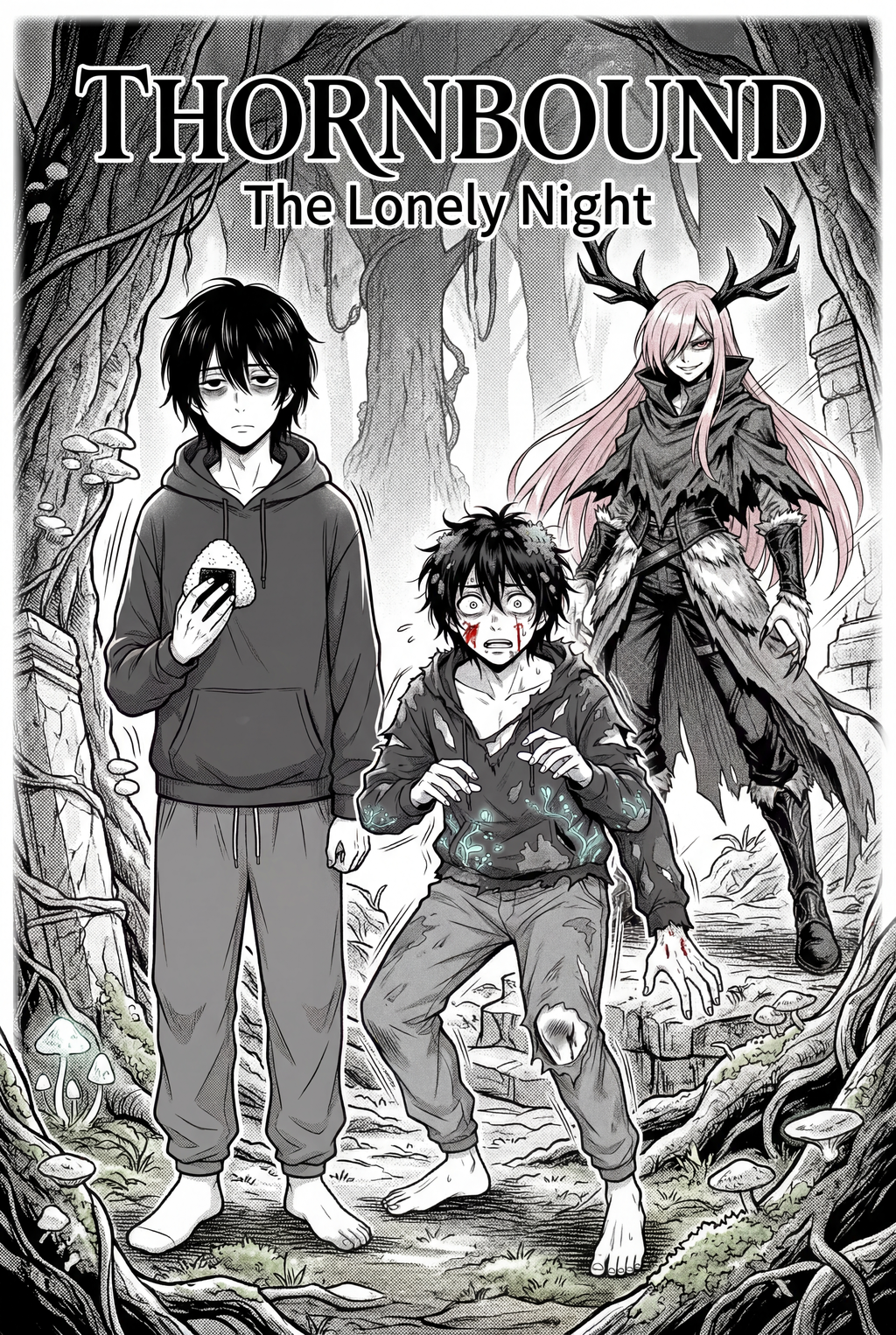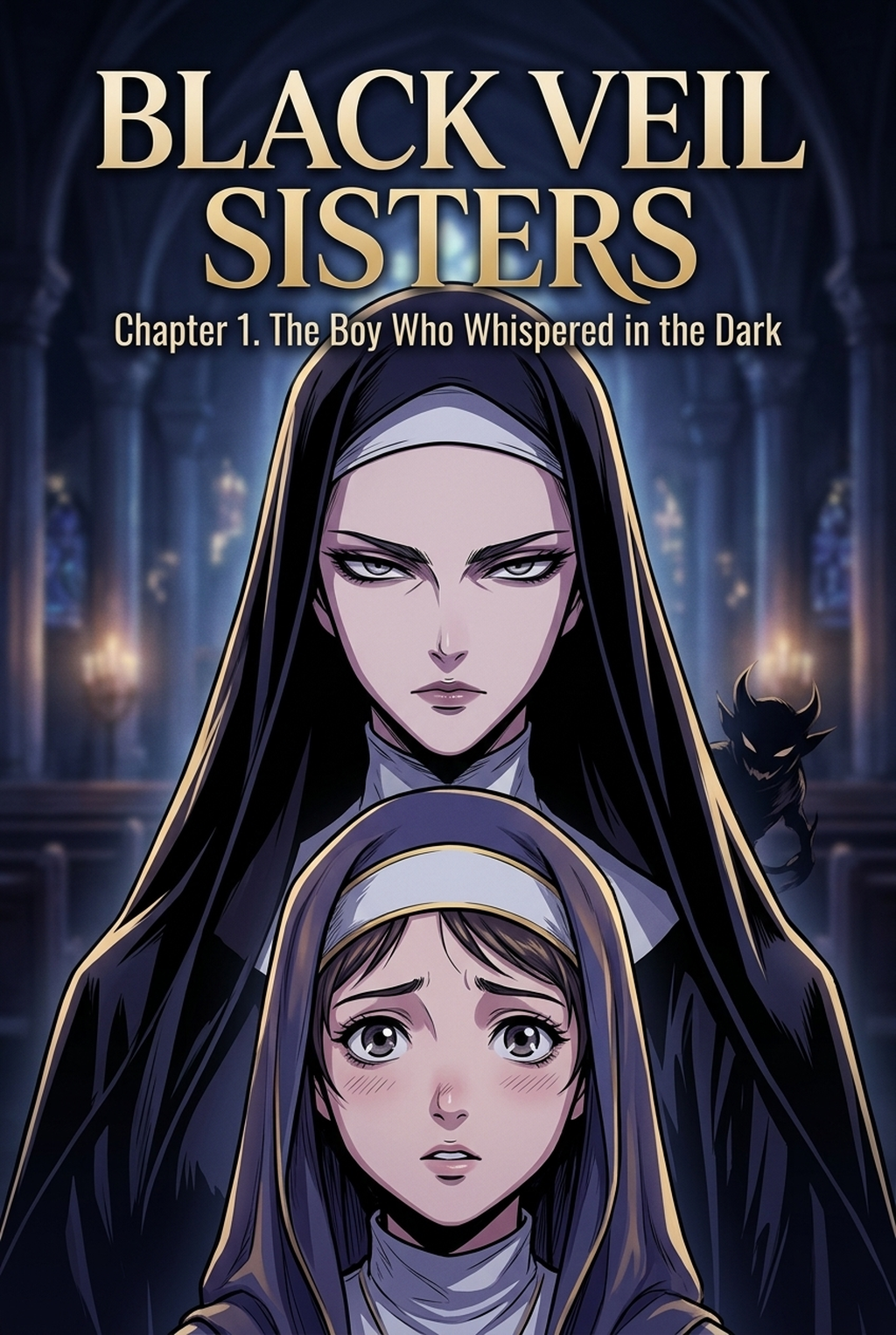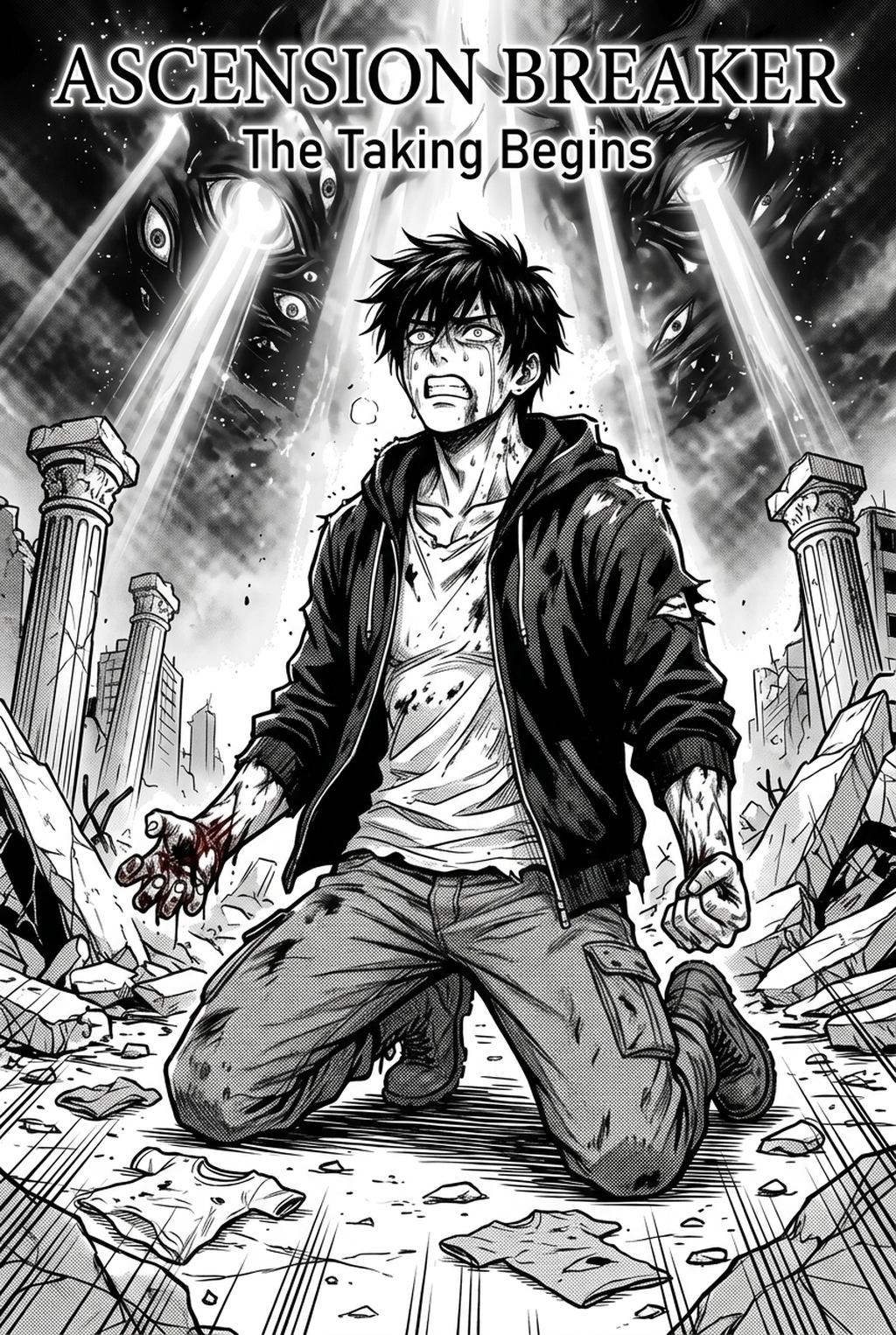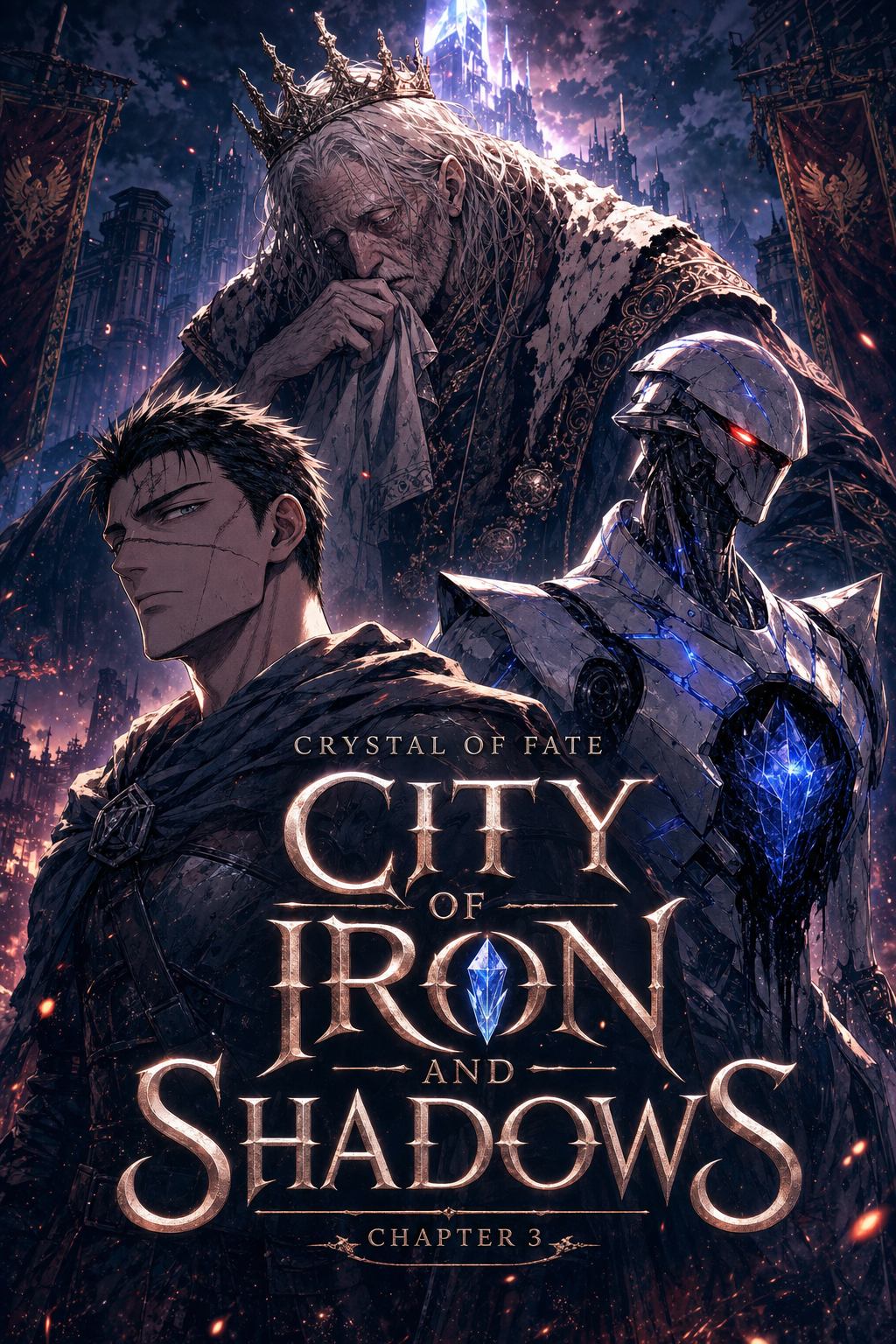
AI Manga Storyboard Builder: Emotion First, Dialogue Second in Shojo Boards
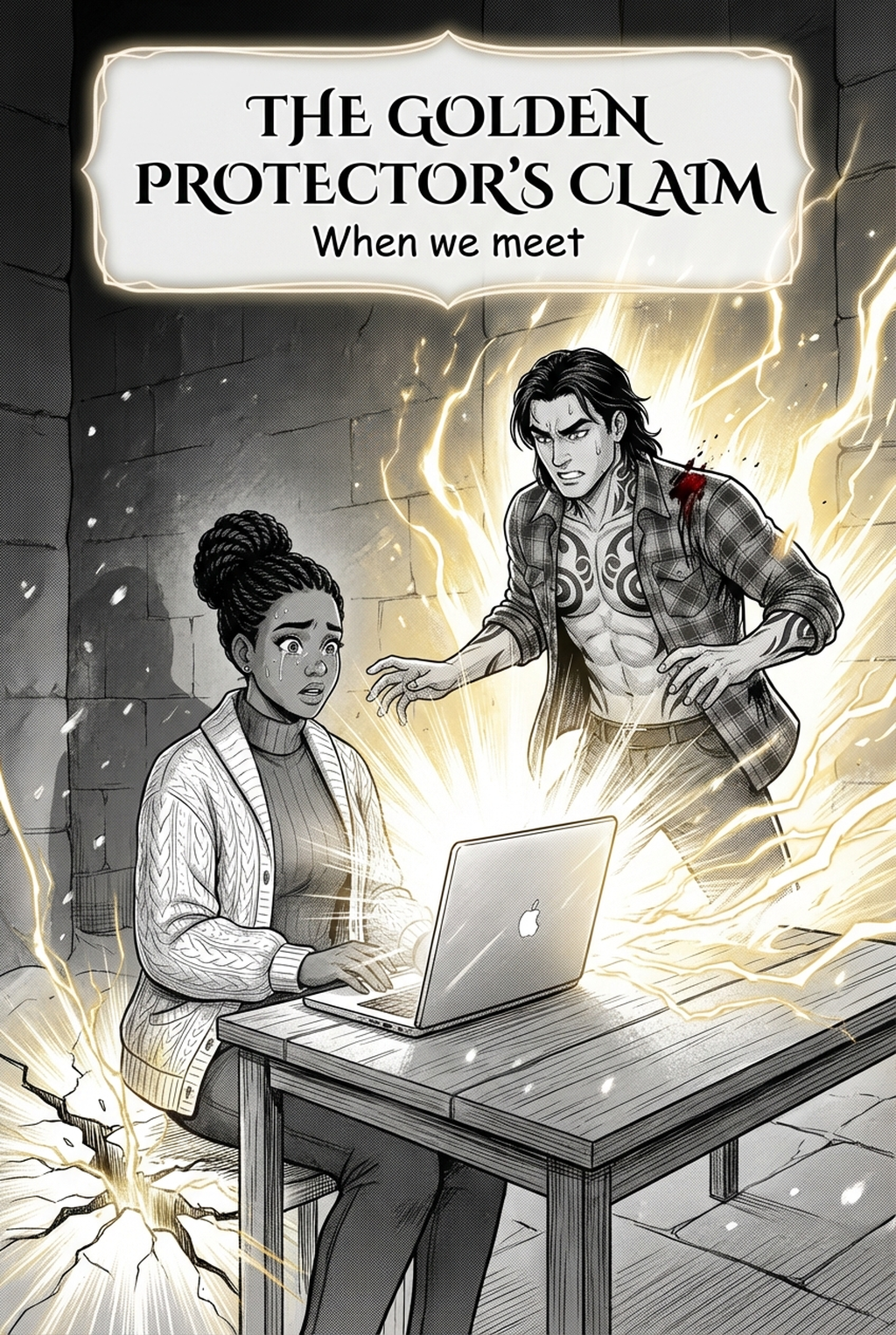
A shojo board is an emotion map first and a shot list second, because each panel marks how a feeling changes rather than who speaks next. Equal-sized panels for every line read colder than panels letting embarrassment or longing expand.
- Beat: the smallest shift in feeling, such as hope tipping into doubt
- Panel flow: the order and size progression telling readers where to linger
- Interior monologue panel: a panel carrying private thought through ribbons, diary handwriting, or unsent texts
- Reaction close-up: a tight face or eye panel after dialogue, often larger than the speaking panel
Unlike action boards built around wide establishing views, shojo boards use fewer establishing panels and more overlapping, transparent, and borderless panels, letting a present moment and a remembered touch share one page. This keeps the review focused on story intent, line weight, panel readability, and the export quality behind the final AI Manga Storyboard Builder output.
Heartbeat Pacing and Flattened First Love
Pacing here is measured in heartbeats, not hits, because stretching a brief moment makes it feel romantic or painful. Generic pacing breaks shojo scenes first, since rushed reactions turn first love, friendship rupture, and self-discovery into flat exposition. Delay is a concrete planning tool during a confession. Board three to five small panels of hands fidgeting, breath catching, and an eye glance sideways before one large eye close-up, and the postponed line builds doki-doki tension rather than arriving as information.
Hidden feelings need a visible layer when spoken lines stay polite. Thought ribbons, diary entries, and text-message overlays sit above the dialogue layer, so readers see longing underneath a casual greeting. Without that layer, subtext gets invented later as an exaggerated expression.
Panel Flow Before Art in Mangaka
Panel size, shape, and white space communicate feeling before a word is read, with large empty areas reading as loneliness and crowded overlaps as overwhelm. Mangaka sequences beats listed in text into sized panels before artwork is drawn, so rhythm can be judged and reordered while changes stay cheap in its shojo manga storytelling storyboard with Mangaka .
Move from distance toward intimacy: open wide on two characters separated by desks, tighten to hands and eyes, break the border at the peak, then rest in a silent panel. Note decorative coding on the board itself, since flowers, sparkles, lace, and screentone signal joy, nostalgia, or embarrassment.
Take a 120-word classroom script where Aoi tells Ren that club sign-ups close on Friday. Boarded for information, it uses six panels, one fact per panel, a timetable among the embedded images, and page breaks before the next lesson.
Re-board it for a crush and the page drops to four panels: Ren two desks away, Aoi's thumb worrying her notebook edge, a borderless memory of a shared umbrella overlapping the present, then a silent reaction close-up taking forty percent of the page. Same dialogue and export format, yet the second board tells a love story while the first delivers a notice.
Classroom, Confession, and Friendship Scenes
Romance, friendship, and school scenes gain differently when beats are boarded before drawing begins. Testing a near-confession layout without finished art shows whether delay feels tender or merely slow. Creators begin by pasting a scene or script, marking the emotional peak, naming the review owner, and setting the delivery format before generation.
- Enlarged reaction panel: give the noticed glance more page area than its triggering line
- Silent close-up conversion: replace explanatory dialogue when a face carries the answer
- Overlapping memory panel: let a past moment press into the present scene
- Locked character designs: keep hair, uniform, and proportions stable while beats reorder
Two friends after an argument often need only a quiet two-panel silence to suggest repair, while school chapters can board texts and diary pages as panels for rhythm. The builder arranges flow, but subtext, motifs, and withholding a reveal remain the creator's calls.
Getting Started with a Single Turning Scene
One scene is the right starting size, because a whole chapter hides the moment an arc turns. Write that arc in one sentence, then board only that moment. Assign each device one job: overlapping panels for intruding memory, sparkles for idealized perception, silent panels for feelings too large for dialogue.
- Step 1: List beats by feeling, such as hope, embarrassment, doubt, and resolve
- Step 2: Assign one panel per beat and mark which panel is largest
- Step 3: Add interiority and motif notes beside relevant beats
- Step 4: Read the board in order before inking starts
Confirm terminology stays consistent, source context and subtext survive, a review owner is assigned, and the export format matches print or vertical scroll. Common first failures are too many dialogue panels, no silent beat, and a peak in the smallest frame.
Creators should compare the generated line art with the original sketch and confirm that facial expressions, props, speed lines, and speech-bubble space still support the scene. A repeatable review pass should cover character consistency, panel readability, background clarity, and whether the final file is ready for coloring, lettering, or editor feedback. For longer projects, creators should save approved examples of line weight, face detail, clothing folds, and background density. Those references keep later chapters closer to the intended style.
The Bottom Line
Most shojo pages need fewer panels than action pages, because larger reaction and atmosphere panels carry the story. If your next scene turns on a glance, a withheld reply, or an almost-confession, you can shojo manga storytelling storyboard and test its pacing before inking.
Related articles
Survival Action Manga Storyboard: Tension and Terrain 2026
Curse Revenge Manga Storyboard: The 2026 Creator Guide
AI Manga Storyboard Builder for Shonen Manga in 2026