What the Panel Plan Actually Maps
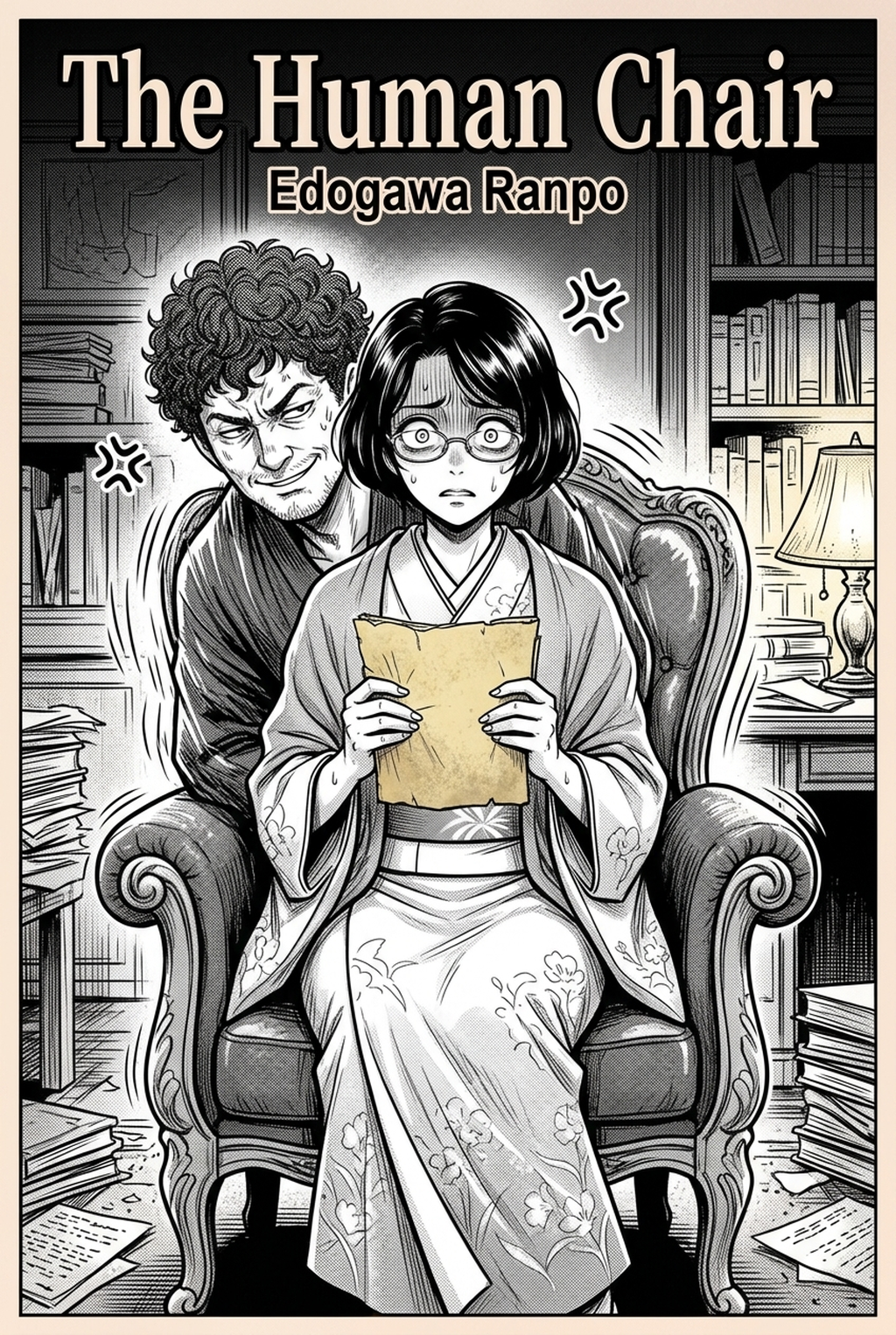
A historical mystery manga storyboard is the page-by-page arrangement where beats, panel flow, and the reveal page get locked before art begins. Beats are the story events that survive the final cut: the crime, each interrogation, the false arrest, the twist.
Panel flow is the reading order across tiers — a timing instrument that decides the exact panel where a reader's eye first lands on a clue. The reveal page is the spread where the detective explains everything, usually inside the chapter's final quarter.
What separates this from a generic action storyboard is its second job: it doubles as a clue ledger, logging each planted clue against its payoff page. The falsifiable part: a chapter averaging fewer than one genuine clue per eight pages will read as rigged, however sound the final explanation. Readers forgive a slow middle; they never forgive a solution built from evidence they were not shown.
Why the Era and the Ledger Decide the Genre
The era is not decoration. A misplaced costume seam, a rickshaw wheel drawn a century wrong, or a shop sign in the wrong script pulls readers out before the clue even registers. This keeps the review focused on story intent, line weight, panel readability, and the export quality behind the final AI Manga Storyboard Builder output.
Build an era-consistency sheet beside the storyboard: one reference row per recurring prop, outfit, and location, tied to the exact frames where each appears. Treat it like a compliance document: a museum archive, period photograph, or reference book backs every row — never a guess. A prop with no source on the sheet does not enter the chapter.
Then assign a review owner for period accuracy with an explicit veto before inking. Skip the role and the failure is concrete: the anachronism reaches ink, and you redraw finished pages or ship a mistake that genre readers will screenshot. A storyboard check takes an afternoon; a redrawn chapter takes a week.
How Panel Flow Gets Locked Before Art
In Mangaka, the AI Manga Storyboard Builder arranges your panels into reading order before any finished art exists — the stage where clue placement and reveal pacing get decided. Moving a clue here costs nothing; moving it after inking means redrawing pages and re-lettering every balloon that referenced them.
Every deduction beat must pair with the earlier panel that planted its evidence, and the arranged flow is where you confirm those pairings read in the right order. Then budget misdirection with working formulas: roughly one red-herring panel for every two to three genuine-clue panels, shifting suspicion between suspects without cheating the reader. Push past that ratio and the genre punishes you precisely — devote more than a third of the chapter's panels to false leads and readers stop trusting the genuine clues too, a worse outcome than a predictable ending.
Tier-spanning panels and full splashes are the loudest tools in the chapter, so ration them. Spend the only splash on the opening murder and you broadcast the ending's scale before the mystery starts, leaving the reveal nowhere to escalate.
Reserve the big panels for the twist and the reveal spread where the detective connects the board. One more demand: a clue object in both plant and payoff panels — a torn ticket, a chipped seal — must hold the same size, angle, and wear in both, or readers will call it a different object.
Scene-Level Moves the Storyboard Makes
Three storyboard-level moves do most of the heavy lifting: clue pacing, an evidence-board spread, and balanced suspect focus. Plant the first real clue inside the opening pages so readers know the game is fair. Stack two to three more through the middle, each implicating a different suspect, and hold the decisive piece for the reveal. Even tension is the goal: front-loading every clue reads as a lecture, saving everything reads as a trick.
Give the detective an evidence-board spread — one page of case notes and connected strings readers can study — then rotate suspect scenes so no character dominates the panel count. In a 45-page Long-format chapter: page 4 hides a torn train ticket in panel 3 of 5; pages 12–14 give three suspects exactly four panels each, because a suspect with six gets solved by panel-count arithmetic instead of deduction; pages 40–41 carry the reveal spread with the detective holding the same ticket. Before: rough unlettered thumbnails. After: inked, toned pages exported as a 300-dpi PDF, the ticket identical in size, angle, and tear in both panels.
Running Your First Chapter Through the Storyboard Pass
Starting is a checklist problem: lock the era, lock the clues, then let the arrangement follow. These passes catch nearly everything that breaks the genre at the art stage while fixes are still cheap. Creators can use each revision decision to clarify panel readability, character consistency, and export quality before publishing or sharing.
- Period-accuracy pass — every prop, garment, vehicle, and written sign must plausibly exist in the story's year, checked against the era-consistency sheet. - The three classic anachronisms — modern body language, contemporary slang in dialogue balloons, and architecture that postdates the setting — the three most common storyboard-level failures. - Format-logged fixes — log each fix against the delivery format you will ship, print pages or vertical scroll, since a clue illegible at the shipped text size is decoration, not evidence. Run the review the way audit packets work: each clue row carries its planted page, payoff page, and a check mark.
Creators can evaluate historical mystery manga storyboard with Mangaka mid-workflow when they need the product path tied directly to review, refinement, and export. A real test should use the same sketch, character goal, or panel sequence that would otherwise need manual cleanup after generation.
The Bottom Line
Plan the chapter on the storyboard, not at the inking desk. Pair every deduction with its planted panel, keep false leads outnumbered by real evidence, save the splash pages for the reveal, and give a review owner veto power over the era.
Do that and the chapter reads fair, feels period-true, and needs no expensive redraws. Open historical mystery manga storyboard with Mangaka and lock the ledger before your first finished page. That extra context helps the reader connect the creative choice to character consistency, composition, speech-bubble space, and final file format.
Related articles
Manga Ending Storyboard Planning for Creators 2026
Steins Gate Science Adventure Storyboard for Creators 2026
Detective Crossover Manga Storyboard for Creators 2026