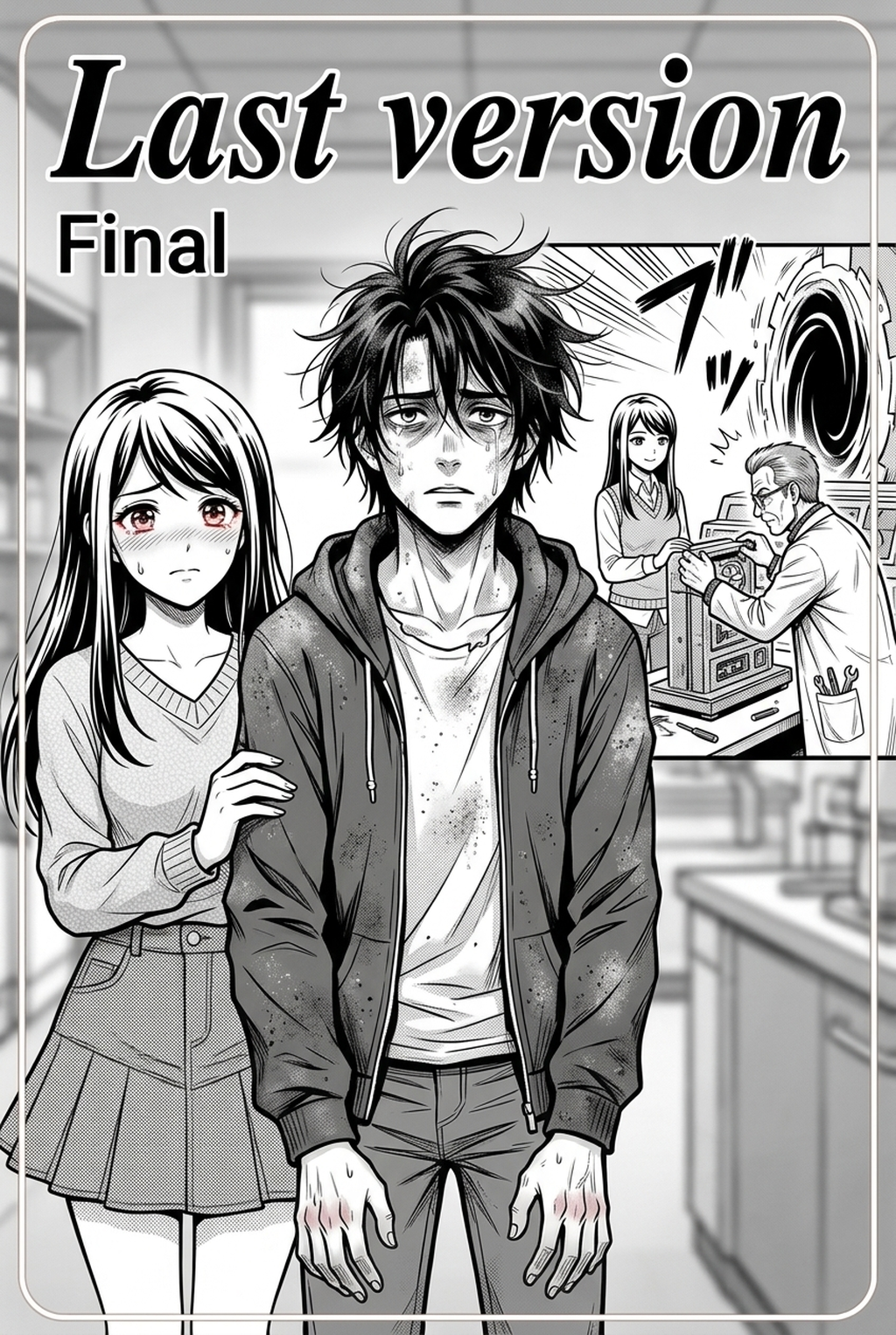
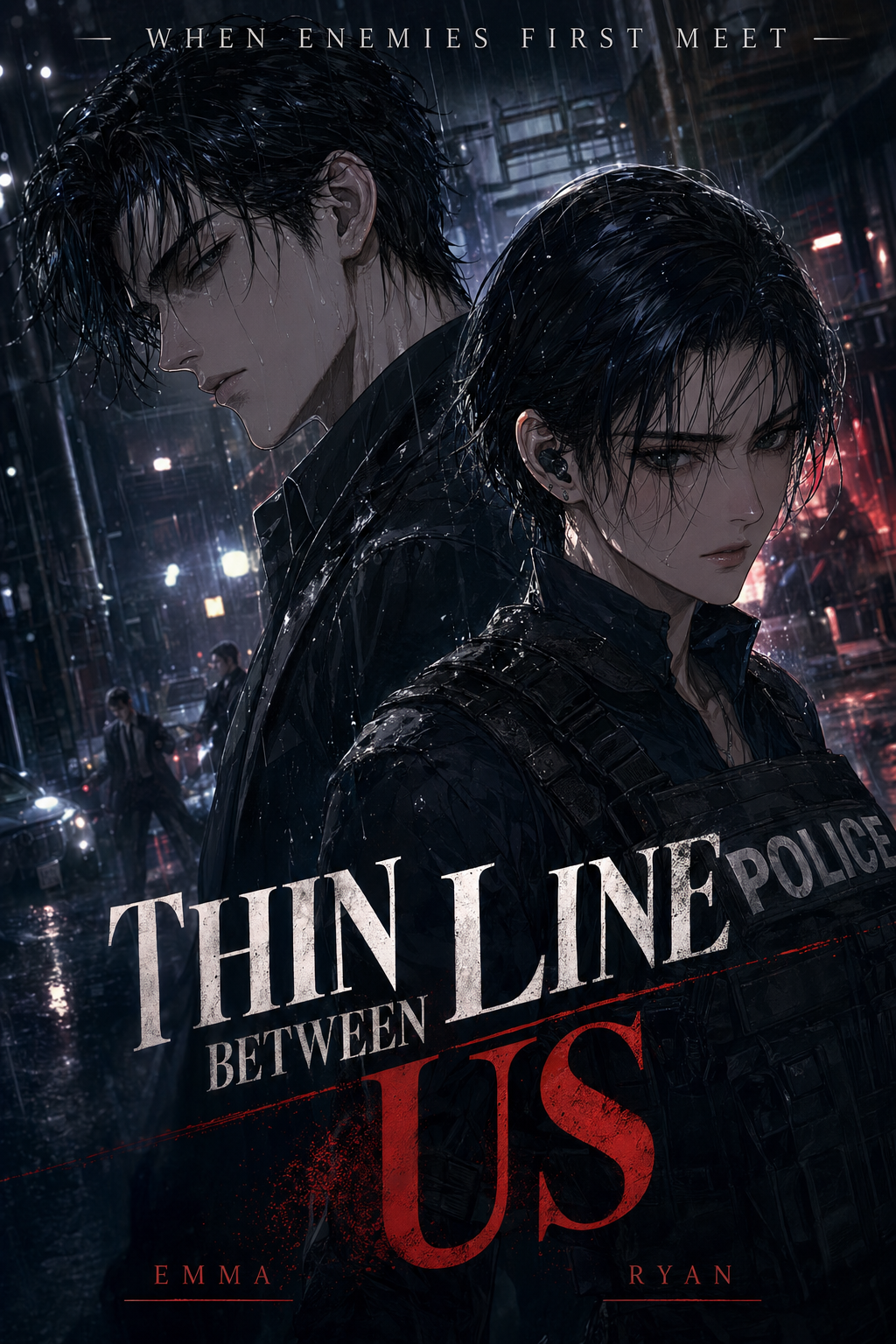
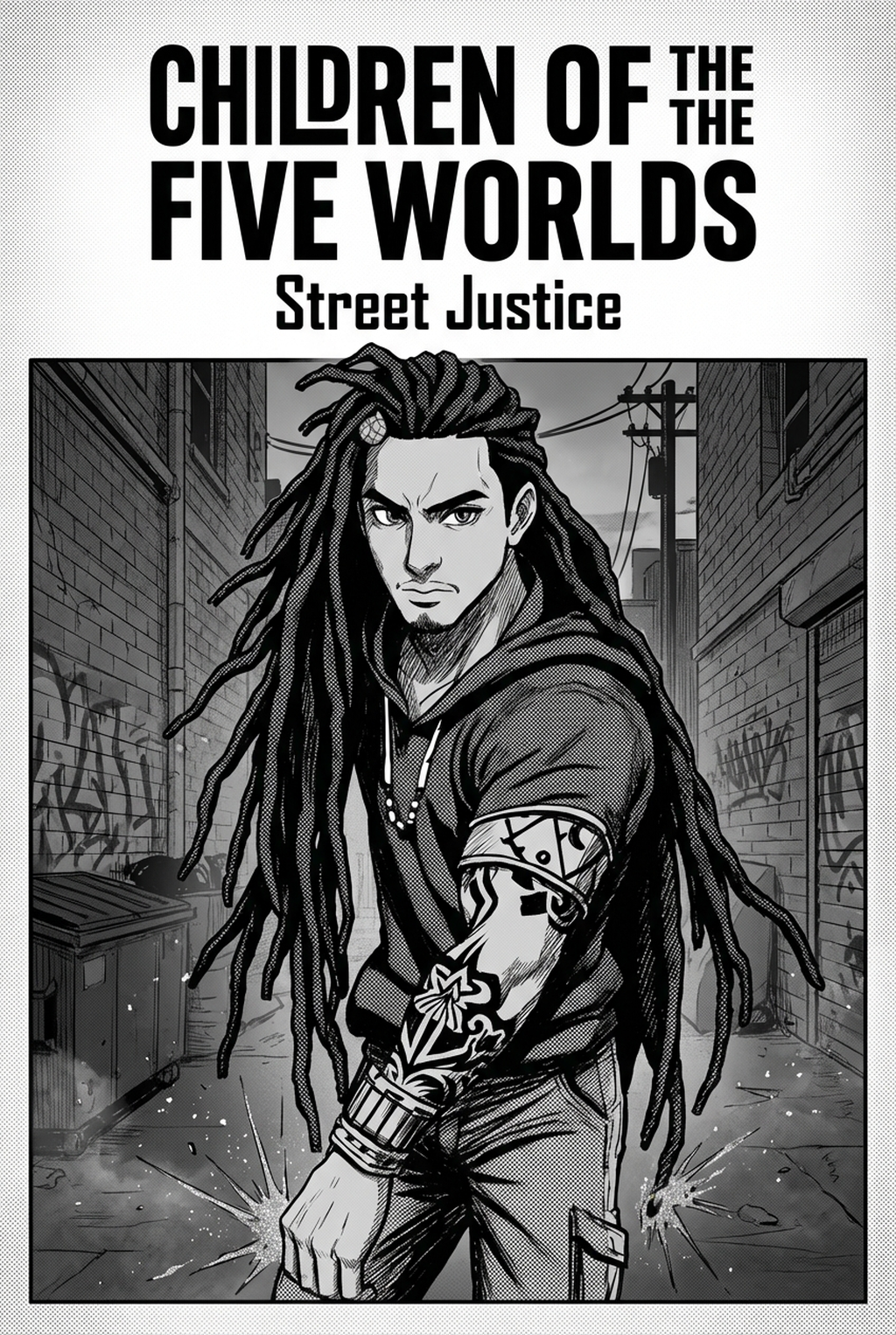
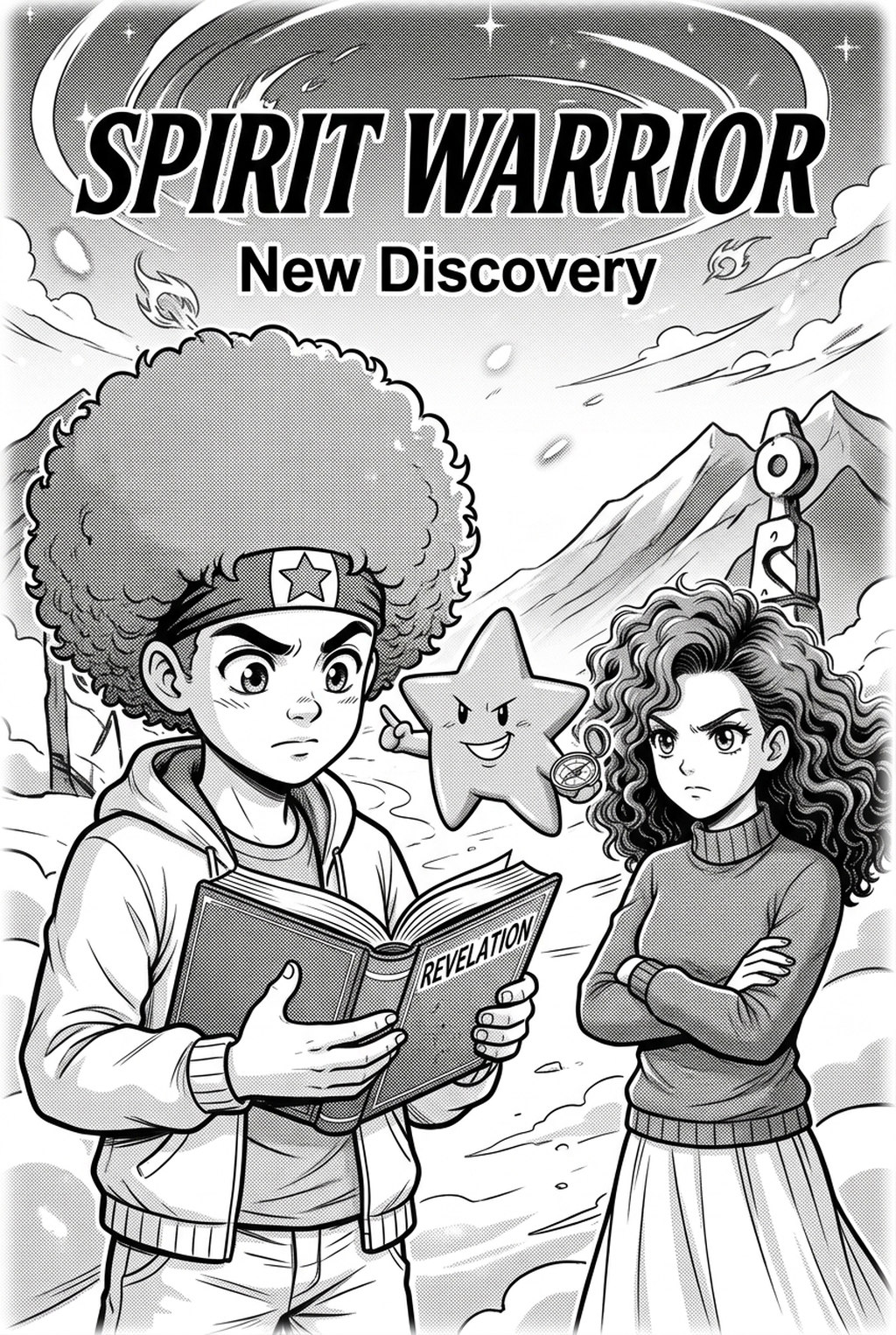
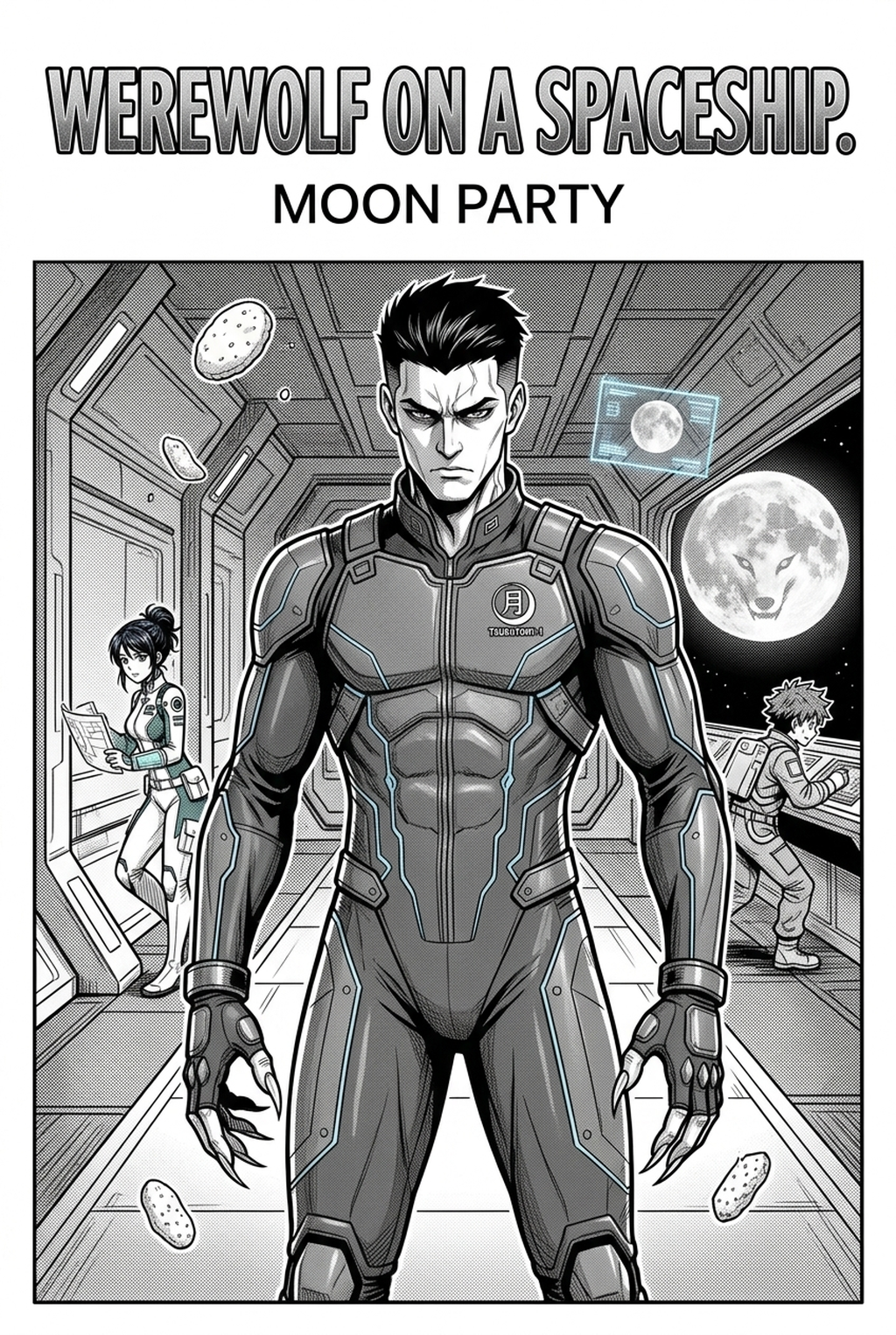
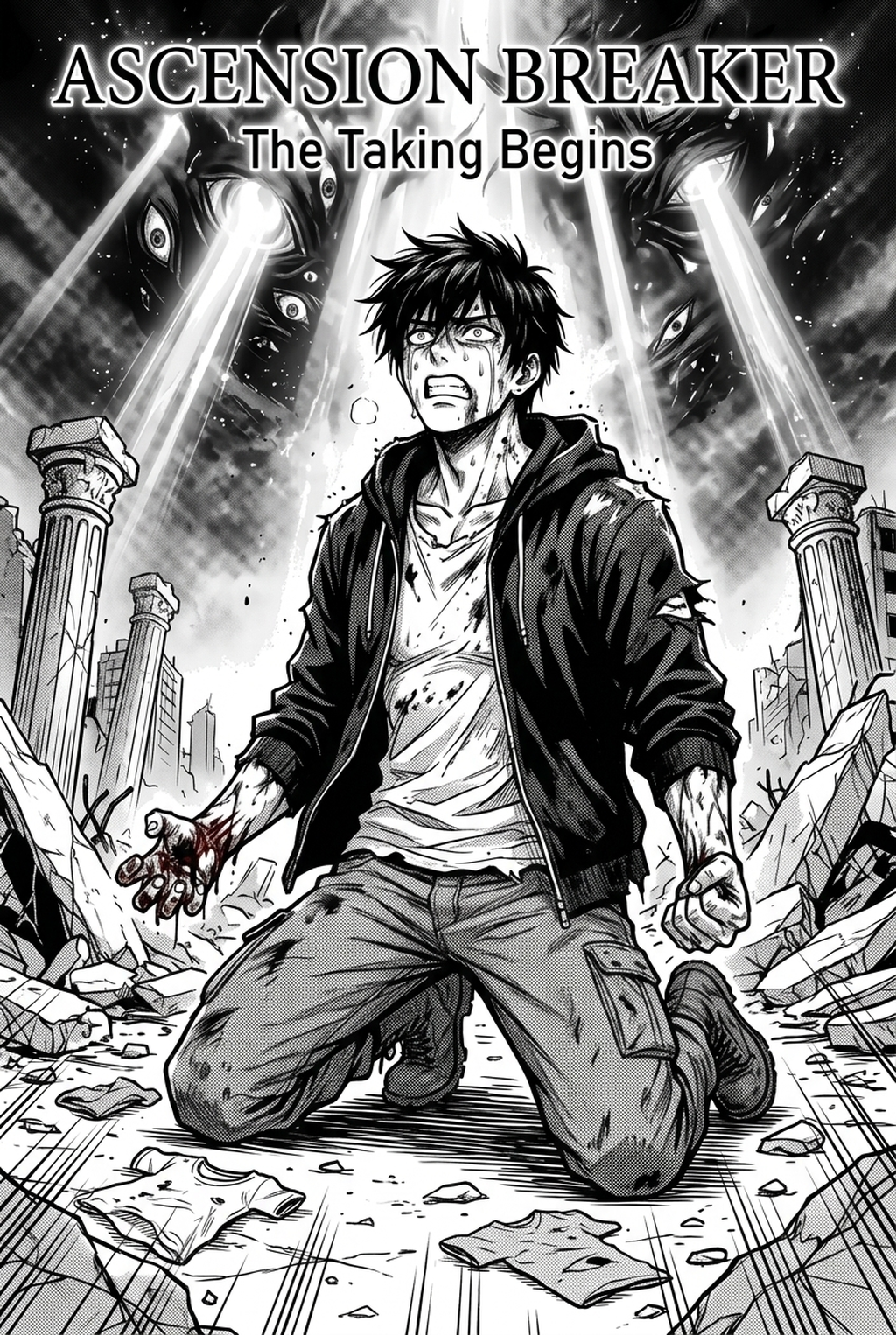
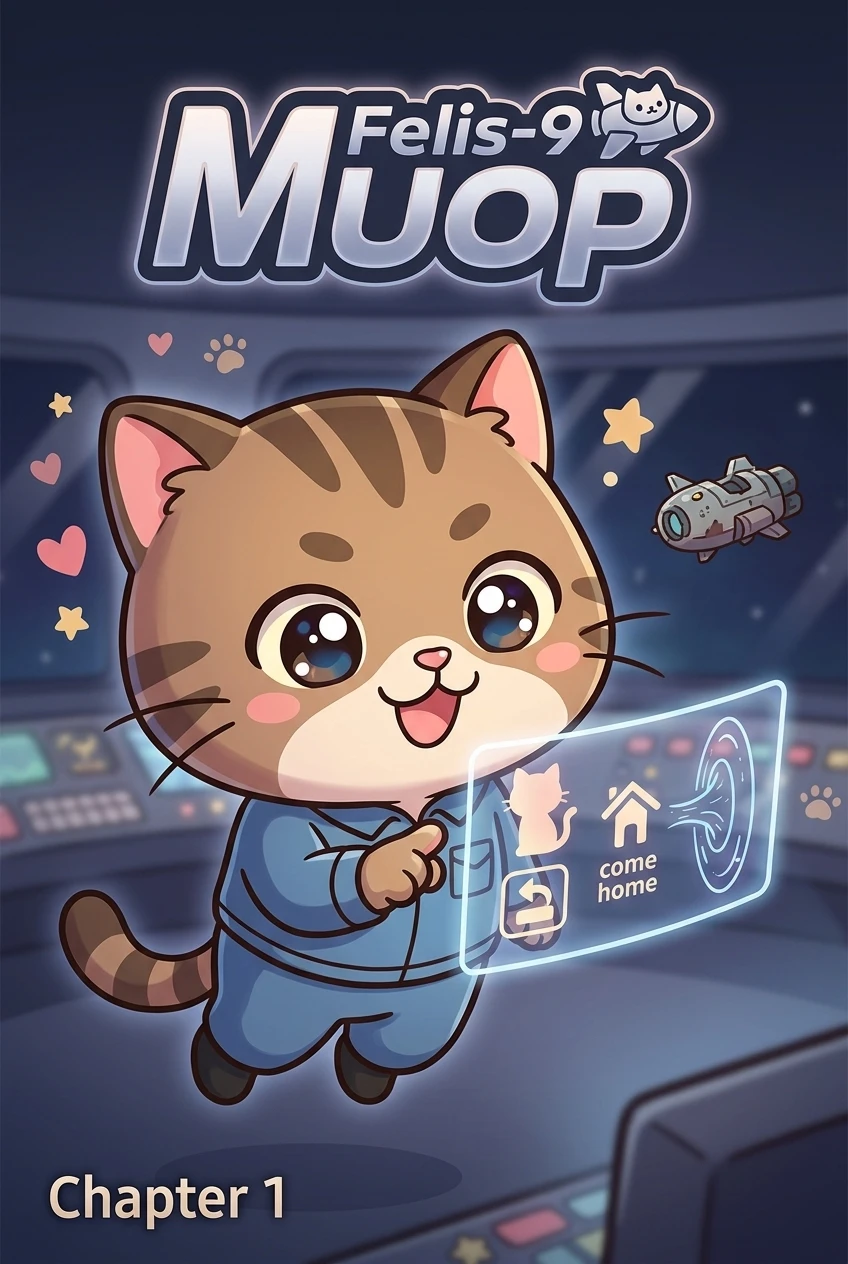
Text to Manga AI: Turn Written Stories into Visual Episodes in 2026
Published on October 7, 2026 | Comprehensive Technical Guide for Web Novelists, Manga Creators & Visual Storytellers
TL;DR (Executive Summary)
Modern text to manga AI provides an end-to-end automated creative pipeline that converts written text—ranging from raw web novel manuscripts and light novel chapters to cinematic screenplays—directly into structured, publication-grade multi-panel manga pages. Instead of struggling with manual panel layout composition, laborious pencil drafting, complex perspective foreshortening, and time-consuming screentone application, platforms like Mangaka leverage neural natural language decomposition to translate narrative beats, dialogue, and character staging into cohesive sequential art. By maintaining seed-level character identity locks across dynamic camera shots, synthesizing authentic mechanical screentone frequencies, and automatically positioning collision-aware vector speech balloons, an integrated text-to-manga workflow reduces episodic production cycles from 30 days down to under 24 hours without sacrificing artistic nuance.
! Text to Manga AI Complete Production Workflow Figure 1: Automated text to manga AI storyboard and page rendering pipeline inside Mangaka.
1. Introduction: The Generative Shift from Written Prose to Sequential Art
The conversion of written narrative prose into serialized visual sequential art has historically stood as one of the most grueling, capital-intensive bottlenecks in global entertainment. For decades, ambitious storytellers, light novel authors, and serialized web fiction writers on platforms like Webnovel, Royal Road, and Wattpad encountered an insurmountable barrier when attempting to adapt their prose into visual manga or webtoons. Transforming a single 50,000-word story arc into serialized manga chapters conventionally demanded a dedicated art studio consisting of a storyboard designer (ne-me artist), lead penciller, background perspective assistant, inker, screentone specialist, and digital typesetter. For independent creators in emerging digital creative hubs—such as India, Southeast Asia, Latin America, and Western indie communities—funding and managing such a multi-disciplinary team was economically unfeasible.
In 2026, the breakthrough in multimodal generative architectures and sequential reasoning models has democratized this landscape through dedicated text to manga AI systems. Unlike general-purpose text-to-image models that generate isolated, static illustrations without sequential awareness, specialized manga generation pipelines treat narrative text as an executable visual storyboard. These architectures analyze narrative pacing, emotional character arcs, camera blocking, eye-tracking trajectories, and spatial continuity, translating raw paragraphs directly into publication-standard multi-panel comic spreads.
Fundamental Differences: Generic Diffusion Models vs. Dedicated Text-to-Manga Pipelines
To understand why dedicated text-to-manga engines represent an evolutionary leap forward, creators must examine the architectural differences between generic generative platforms and specialized sequential engines:
- Semantic Narrative Decomposition: Generic diffusion tools treat prompts as arbitrary bags of visual descriptive keywords. In contrast, text-to-manga neural pipelines decompose scenes into narrative beats, character state vectors, ambient lighting conditions, dialogue tags, and kinetic action cues.
- Deterministic Character Seed Locking: Generic models suffer from immediate character drift: facial geometry, eye shape, hairstyle volume, and costume details mutate unpredictably between consecutive prompts. Dedicated manga pipelines anchor high-dimensional identity embeddings (identity seeds) across hundreds of consecutive panels.
- Manga Syntax & Panel Flow (Koma-wari): Professional sequential storytelling relies on intentional reading direction (traditional right-to-left for tankobon or vertical continuous scroll for digital webtoons), gutter margins, and dynamic panel hierarchy. Dedicated engines mathematically balance panel proportions according to emotional intensity.
- Authentic Mechanical Screentone Synthesis: Generic models generate muddy grayscale gradients that cause severe moiré patterns and banding when printed or viewed on high-density mobile screens. Dedicated manga systems simulate true mechanical screentone frequencies (ranging from 60-line to 85-line dot halftones, crosshatching, and beta-nuri black fills).
- Integrated Vector Lettering & SFX Composition: Dedicated engines extract written dialogue and automatically generate collision-aware speech balloons with tailored typography, eliminating the need to manually typeset hundreds of text boxes in external graphic design software.
2. Technical Architecture: How Text-to-Manga AI Works
Understanding the multi-stage neural architecture underlying text-to-manga conversion enables creators, narrative designers, and indie publishers to structure manuscripts and prompts for maximum compositional fidelity. The modern text-to-manga workflow consists of four interlocking computational layers:
[ Raw Narrative Text / Novel Manuscript / Script ]
                         │
                         ▼
┌────────────────────────────────────────────────────────┐
│  Phase 1: NLP Beat Parsing & Scripting Engine          │
│  - Semantic Entity & Character State Extraction        │
│  - Dialogue Tagging & Internal Monologue Separation    │
│  - Pacing Analysis & Panel Break Allocation            │
└──────────────────────────┬─────────────────────────────┘
                           │
                           ▼
┌────────────────────────────────────────────────────────┐
│  Phase 2: Algorithmic Storyboard & Layout Grid         │
│  - Dynamic Panel Sizing Hierarchy (Koma-wari)          │
│  - Shot Variety Allocation (Wide, Medium, Close-up)    │
│  - Eyeline & Reading Trajectory Vector Calculation     │
└──────────────────────────┬─────────────────────────────┘
                           │
                           ▼
┌────────────────────────────────────────────────────────┐
│  Phase 3: Multi-Layer Neural Image Rendering           │
│  - Persistent Identity Latent Conditioning             │
│  - Multi-Perspective Background Projection             │
│  - High-Contrast G-Pen Inking & Screentone Halftoning  │
└──────────────────────────┬─────────────────────────────┘
                           │
                           ▼
┌────────────────────────────────────────────────────────┐
│  Phase 4: Vector Lettering & SFX Composition           │
│  - Collision-Aware Balloon Placement & Tail Directing  │
│  - Dynamic Sound Effect (Onomatopoeia) Glyphs          │
│  - Print (600 DPI PDF) & Webtoon (Vertical Strip)      │
└────────────────────────────────────────────────────────┘
! NLP Script Breakdown and Multi-Panel Generation Figure 2: Text parsing engine automatically tagging dialogue and determining panel layout hierarchy.
Detailed Breakdown of Computational Stages
Phase 1: Natural Language Processing & Beat Extraction
When raw manuscript prose is ingested into the system, fine-tuned transformer models specialized in dramatic literature and sequential screenwriting execute multi-tier semantic analysis:
- Character Staging & Presence: The parser queries the internal story database to recognize all active entities within the scene, tracking their physical orientation, emotional state, and active inventory items.
- Atmospheric & Temporal Classification: Environmental context is categorized by time of day, weather parameters, interior architectural motifs, and illumination sources.
- Narrative Beat Weighting: Sentences are evaluated for dramatic friction. A quiet introspection is flagged for intimate, tightly framed panels, while sudden plot revelations or martial clashes trigger wide establishing splash panels.
Phase 2: Algorithmic Panel Division (Koma-wari)
The engine constructs the structural wireframe for each page adhering to professional sequential art conventions:
- High-tension climactic beats receive dominant focal panels occupying between 40% and 65% of the total page canvas area.
- Conversational dialogue beats are arranged into rhythmic horizontal sequences with consistent eye-level transitions to maintain visual cadence.
- Gutter dimensions are calculated dynamically: vertical gutters are constricted (typically 3mm to 4mm) to preserve uninterrupted temporal flow between simultaneous beats, whereas horizontal gutters are expanded (6mm to 8mm) to indicate significant temporal progression.
Phase 3: Identity-Locked Latent Diffusion
During the visual synthesis stage, character consistency is enforced through specialized control adapters and latent conditioning vectors:
- Cross-Attention Identity Preservation: Facial bone structure, hair volume, eye specular highlights, and costume silhouettes remain locked across dynamic three-dimensional perspectives.
- Contour Inking Synthesis: Mathematical line-weight algorithms simulate genuine dip-pen ink dynamics (G-pen, kabura-pen, and maru-pen), introducing subtle tapered stroke endings and organic line variations.
- Frequency-Accurate Halftone Shading: Instead of blending pixels into continuous gray blurs, the engine calculates true dot-pitch halftone matrices, ensuring pristine reproduction across high-resolution displays and offset print presses.
Phase 4: Vector Lettering and Onomatopoeia Layout
Dialogue strings extracted during Phase 1 are transformed into vector typographical elements:
- Spatial collision detection maps character faces, dynamic action lines, and focal points to ensure speech balloons never obstruct critical artistic elements.
- Dialogue tails automatically orient toward the speaking character's mouth vector.
- Integrated sound effects (giongo and gitaigo) are synthesized with stylized lettering geometry that visually mirrors the acoustic weight of the action (e.g., heavy bold gothic fonts for industrial explosions, delicate brush lettering for gentle breezes).
3. Step-by-Step Production Guide: Converting a Novel Chapter into Manga
Creators seeking to serialize their web fiction or original stories can follow this step-by-step production blueprint using the dedicated suite on Mangaka Studio :
Step 1: Manuscript Pre-Processing and Formatting
While modern text-to-manga AI engines are capable of parsing dense prose paragraphs, formatting your source text into clear scene blocks drastically increases cinematic output precision:
[SCENE START]
SCENE SETTING: Cyberpunk Neo-Mumbai Industrial Rooftop, Midnight Monsoon, Neon Billboard Glare.
CHARACTERS PRESENT: KAVAN (24, cybernetic trench coat, unruly black hair, glowing blue ocular cyber-eye), ARYA (22, sleek tactical nanosuit, intense determined expression).

[PANEL 1 - WIDE ESTABLISHING SHOT]
Camera: High-angle bird's eye view gazing down into rain-slicked concrete rooftops.
Visual Content: Towering holographic billboards cutting through misty downpour; steam curling from ventilation shafts. Kavan stands poised near the parapet.
Narrative Caption: "The monsoon downpour washed away the physical tracks, but the digital signatures remained indelibly burned into the grid."

[PANEL 2 - MEDIUM CLOSE-UP FOCUS]
Camera: Eye-level Dutch angle centered on Kavan.
Visual Content: Raindrops beading across Kavan's synthetic cheekplate; blue ocular lens flaring with tactical telemetry data.
Kavan (Dialogue): "You tracked me across three sectors, Arya. You should have turned back at the perimeter."

[PANEL 3 - LOW ANGLE KINETIC ACTION]
Camera: Extreme low-angle worm's-eye perspective looking upward.
Visual Content: Arya draws her dual plasma daggers; kinetic speed lines radiate violently toward the viewer.
Arya (Dialogue): "The Syndicate doesn't leave loose threads. Surrender the data core."
Sound Effect: *SHZZZZT* (Crackling high-voltage plasma hum)
[SCENE END]
! Character Consistency Model Calibration Figure 3: Multi-angle character seed sheet ensuring facial and costume fidelity across panels.
Step 2: Character Anchor Registration inside Mangaka
Prior to compiling visual chapters, authors establish persistent character profiles within the platform's Character Consistency Hub:
- Upload or Synthesize Reference Turnarounds: Provide or generate four canonical views (front profile, three-quarter angle, side view, and high-intensity close-up).
- Assign Unique Identifier Tokens: Tag character models with distinct naming tokens (e.g.,
#Kavan_Cybernetic,#Arya_Infiltrator). - Establish Screentone Palette Standards: Lock specific grayscale percentage values for hair tones, skin shading, and costume accents to ensure uniform contrast across daytime and nighttime sequences.
Step 3: Storyboard Rough Review and Compositional Refinement
Once the text parsing module delivers the initial rough storyboard layout (ne-me):
- Review panel sequencing to verify narrative tension and pacing.
- Utilize Mangaka's intuitive drag-and-drop panel borders to alter gutter widths or expand climactic panels into full splash pages.
- Adjust camera focal depths directly using interactive perspective grid controllers.
Step 4: High-Resolution Rendering and Typography Verification
Execute the final rendering pass at production specifications:
- Select 600 DPI for physical tankobon print production or 300 DPI for vertical mobile webtoon distribution.
- Fine-tune speech balloon text wrapping and font sizing to guarantee effortless legibility on mobile screens.
- Inspect screentone density to verify that delicate crosshatching patterns remain crisp without artifacting.
4. In-Depth Comparative Analysis: Workflow Efficiency & Economics
Transitioning from traditional manual studio workflows or fragmented generative workflows to an integrated text-to-manga pipeline fundamentally redefines creative productivity:
| Workflow Metric | Traditional Comic Studio | Disconnected Image AI (Midjourney / SD) | Mangaka Dedicated Text-to-Manga Engine |
|---|---|---|---|
| Input Format | Exhaustive script, thumbnailed pencils | Fragmented descriptive prompts per panel | Raw manuscript prose, novel chapter, or screenplay |
| Character Fidelity | High (100% manual artist maintenance) | Very Low (unpredictable facial and costume drift) | High (>98% consistent via persistent latent seed locks) |
| Panel Layout Engine | Manual hand drafting on bristol board | None (requires external Photoshop compositing) | Automated dynamic panel generation with custom guttering |
| Screentone Precision | Authentic mechanical tones (adhesive sheets/CSP) | Muddy grayscale pixels (severe print moiré) | High-definition algorithmic 60-85 line frequency dot halftones |
| Typesetting & Lettering | Manual digital typesetting & bubble drawing | None (incomprehensible text artifacts in images) | Intelligent collision-aware vector balloon typesetting |
| Production Speed (20-Page Chapter) | 3 to 4 weeks (team of 3 to 5 artists) | 40 to 60 hours of tedious prompt tuning | Under 24 hours (single creator workflow) |
| Estimated Cost Per Chapter | $1,500 – $4,000 USD | $80 – $200 USD (plus numerous third-party apps) | Accessible credit-based tier on Mangaka Pricing |
! Automated Dialogue and Lettering Layout Engine Figure 4: Vector speech balloon auto-placement optimizing dialogue readability without obstructing character faces.
5. Masterclass Prompting Strategies for Cinematic Manga Composition
While the automated text-to-manga engine natively parses natural language, incorporating established manga directorial vocabulary into your descriptive passages dramatically elevates the visual impact:
Cinematographic Camera Staging Terminology
- Low-Angle Heroic Perspective (Aori):
- Directs the camera upward from ground level, exaggerating character stature and imparting a commanding, heroic presence.
- Sample Prompt Extension:
"Extreme low-angle aori shot, upward perspective on warrior drawing blade, dramatic foreshortening of outstretched gauntlet, intense dynamic speed lines radiating from bottom-center vanishing point."
- High-Angle Tactical View (Fukan):
- Positions the camera high above the scene looking downward, establishing intricate spatial relationships across crowded cityscapes or battlefields.
- Sample Prompt Extension:
"High-angle bird's-eye fukan camera framing sprawling cyberpunk marketplace, meticulous architectural two-point perspective grid, dense crowd silhouettes, crisp screentone shading."
- Climactic Emotional Macro (Kime-goma):
- Frames an intense, tightly cropped close-up on a character's facial features to convey psychological climax, shock, or realization.
- Sample Prompt Extension:
"Macro extreme close-up kime-goma framing character's wide eyes, fractured specular iris highlights, heavy beta-flash speed lines, dense psychological crosshatching."
Authentic Inking & Atmospheric Texturing Terms
- Dynamic Shonen Inking: Employs bold, variable-width G-pen linework with aggressive speed lines (kakeami) and energetic kinetic impact flares.
- Atmospheric Shojo Linework: Features delicate, razor-thin maru-pen contours, soft screen dot gradients, ambient light bokeh, and open, breathable gutter borders.
- Gritty Seinen Realism: Utilizes dense black fills (beta-nuri), heavy hatching, realistic architectural perspective grids, and textured atmospheric decay.
6. Real-World Case Studies: Transforming Web Fiction into Hit Visual Series
Case Study 1: Serialized Web Novel to Webtoon Phenomenon
- Creator: Rohan Sharma, independent author of the urban fantasy web novel Monsoon Shadows.
- Background: Rohan had published over 150 serialized chapters across four years, accumulating a loyal text readership. However, inquiries to adapt the story into a webtoon stalled due to prohibitive studio quotes exceeding $30,000.
- Implementation: Utilizing Mangaka , Rohan fed his opening novel arc into the text-to-manga AI engine. Over a five-day sprint, he generated, curated, and lettered an initial 80-panel vertical webtoon prologue and three complete episodes.
- Performance Results: Released on WEBTOON Canvas and Mangaka Discovery, the series secured over 25,000 monthly active readers within six weeks, unlocking direct sponsorship deals and Patreon membership revenue.
Case Study 2: Indie Game Narrative Prototyping
- Studio: Vertex Interactive, an indie game development collective based in Mumbai.
- Challenge: The narrative team needed to pitch a branching visual novel concept to investors, requiring over 100 cinematic narrative panels illustrating character dialogues and alternate branching choices.
- Solution: The lead writer input the raw branching Twine dialogue scripts into Mangaka's text-to-manga pipeline. The system generated cohesive visual storyboards and animatic panels within 48 hours.
- Outcome: The studio successfully secured seed funding, crediting the visual clarity and professional panel flow of the manga prototype with conveying the emotional depth of their game concept.
! Episodic Manga Chapter Multi-Format Export Figure 5: One-click export options supporting high-DPI print PDFs, Webtoon vertical scrolls, and digital tankobon spreads.
7. Search Engine & AI Discovery Optimization (GEO) for Manga Creators
In 2026, publishing your generated manga is only the first step. To ensure your visual stories reach millions of potential fans, creators must implement Generative Engine Optimization (GEO) and technical SEO standards across their web distribution portals:
1. Implementation of Structured Schema Markup
Integrate standardized Schema.org JSON-LD microdata on every episodic landing page to ensure AI search engines (Google SGE, ChatGPT Search, Perplexity) correctly understand your creative work:
- CreativeWorkSeries: Defines the overarching story universe, author credentials, and thematic genres.
- ComicStory / ComicIssue: Encapsulates specific chapter numbers, panel counts, and character rosters.
- FAQPage: Clarifies reading order, update schedules, and canon lore details.
2. Comprehensive Alt Text & Dialogue Transcripts
AI search crawlers cannot index visual panel artwork without textual metadata. By pairing every panel image with descriptive alt tags that recount character actions and spoken dialogue, creators ensure their episodes rank for long-tail narrative character queries.
3. Canonical Link Architecture
When syndicating preview chapters across social platforms or third-party webcomic portals, always maintain clear canonical links pointing back to your primary series hub on Mangaka Discovery to concentrate search authority and drive user subscriptions.
8. Navigating Copyright, Intellectual Property & Platform Monetization
As text-to-manga generative pipelines become standard industry tools, creators must understand the evolving legal landscape surrounding synthetic sequential art in 2026:
Copyright Ownership and Authorship Standards
Under current international guidelines established by the United States Copyright Office (USCO), the World Intellectual Property Organization (WIPO), and emerging intellectual property courts across Asia:
- Substantial Creative Input: Human creators who conceive original written narrative prose, structure detailed scene layouts, select camera angles, edit visual pacing, and write original dialogue retain comprehensive copyright protection over the resulting serialized comic work as an integrated derivative compilation.
- Protection of Original Lore & Characters: Original character identities, unique world-building mythologies, and written scripts remain the exclusive intellectual property of the author, regardless of the technological tools utilized to render the final visual art.
Commercial Monetization Pathways
Generated manga created on licensed commercial platforms like Mangaka can be monetized across numerous channels:
- Direct physical book printing and distribution at conventions (Comic Con India, Anime Expo, Comiket).
- Serialized ad-revenue sharing on digital platforms including WEBTOON Canvas, Tapas, and Mangaka.
- Exclusive early-access chapter releases via Patreon, Ko-fi, and creator subscription tiers.
- Licensing original IP rights to film, animation, and video game production houses.
9. Frequently Asked Questions (FAQ)
What is text to manga AI?
Text to manga AI is a specialized multimodal generative pipeline that ingests written prose, novel manuscripts, or screenplays and automatically converts them into fully storyboarded, multi-panel manga pages. The system automates narrative beat parsing, panel division (koma-wari), camera composition, character consistency maintenance, screentone shading, and vector speech balloon typesetting.
How does text to manga AI maintain identical character faces across panels?
Platforms like Mangaka utilize persistent latent identity seed conditioning and multi-angle reference adapters. By creating a character profile token before generation, the engine locks facial features, hair geometry, costume details, and color tone values across hundreds of consecutive panels regardless of camera perspective.
Can text to manga AI parse unformatted prose from novels?
Yes. Dedicated manga engines are equipped with advanced Natural Language Processing (NLP) models trained specifically on dramatic literature. The system automatically identifies spoken dialogue, emotional subtext, environmental context, and character actions, partitioning raw paragraphs into sequential visual panels without requiring manual scripting.
Do I need prior illustration or drawing skills to use text to manga tools?
No drawing or digital painting skills are necessary. The platform handles all technical illustration tasks including pencil drafting, line inking, architectural background rendering, screentone halftone synthesis, and lettering. Creators focus entirely on storytelling, pacing, dialogue, and creative direction.
Can I export generated manga for commercial physical printing?
Yes. Mangaka supports high-resolution 600 DPI CMYK/grayscale exports in standard publication formats (TIFF, PNG, PDF) configured with proper bleed margins for Japanese B6 and A5 tankobon volumes, as well as lossless vertical PNG slices optimized for digital webtoon mobile distribution.
How does text-to-manga AI differ from general AI art generators like Midjourney?
General AI art tools produce single, disconnected images designed for standalone illustration. They lack the capacity to maintain character identity across varying angles, cannot organize sequential panel layouts with dynamic gutters, do not simulate authentic screentone print halftones, and cannot automatically generate typeset dialogue speech balloons.
10. External References & Authoritative Documentation
For creators, narrative researchers, and digital publishers seeking authoritative technical standards and industry research, consult these verified resources:
- W3C Web Standards for Digital Publishing & Layout Architecture
- MDN Web Docs: Responsive Graphics, CSS Grid & Image Optimization
- Wikipedia: Manga History, Production Pipelines & Sequential Layouts
- Wikipedia: Sequential Art Theory & Comic Grammar
- WEBTOON Canvas Official Creator Portal & Formatting Specifications
- Schema.org: Official Specification for FAQPage & Structured Data
11. Conclusion: The Future of Storytelling Is Sequential and Accessible
The emergence of text to manga AI represents a monumental democratization of visual creative expression. Creative writers, light novel authors, and independent storytellers no longer need to see their most imaginative story worlds languish in text obscurity due to overwhelming studio production costs or technical art barriers. By combining human narrative depth with intelligent, automated sequential generation, anyone with a compelling story can produce serialized graphic novels of professional studio caliber.
Whether you are preparing an original epic for digital serialization or converting an existing novel archive into a visual masterpiece, the tools to realize your creative vision are here today. Visit Mangaka to turn your written stories into captivating visual episodes.
<script type="application/ld+json"> { "@context": "https://schema.org", "@type": "FAQPage", "mainEntity": [ { "@type": "Question", "name": "What is text to manga AI?", "acceptedAnswer": { "@type": "Answer", "text": "Text to manga AI is a specialized multimodal generative pipeline that ingests written prose, novel manuscripts, or screenplays and automatically converts them into fully storyboarded, multi-panel manga pages complete with character consistency, dynamic camera angles, screentone shading, and typeset speech bubbles." } }, { "@type": "Question", "name": "How does text to manga AI maintain identical character faces across panels?", "acceptedAnswer": { "@type": "Answer", "text": "Platforms like Mangaka utilize persistent latent identity seed conditioning and multi-angle reference adapters to lock facial features, hair geometry, costume details, and color tone values across hundreds of consecutive panels regardless of camera perspective." } }, { "@type": "Question", "name": "Can text to manga AI parse unformatted prose from novels?", "acceptedAnswer": { "@type": "Answer", "text": "Yes. Dedicated manga engines are equipped with advanced Natural Language Processing models trained specifically on dramatic literature to automatically partition raw paragraphs into sequential visual panels without requiring manual scripting." } }, { "@type": "Question", "name": "Do I need prior illustration or drawing skills to use text to manga tools?", "acceptedAnswer": { "@type": "Answer", "text": "No drawing or digital painting skills are necessary. The platform handles all technical illustration tasks including pencil drafting, line inking, architectural background rendering, screentone halftone synthesis, and lettering." } }, { "@type": "Question", "name": "Can I export generated manga for commercial physical printing?", "acceptedAnswer": { "@type": "Answer", "text": "Yes. Mangaka supports high-resolution 600 DPI CMYK/grayscale exports configured with proper bleed margins for Japanese B6 and A5 tankobon volumes, as well as vertical PNG slices optimized for digital webtoon mobile distribution." } }, { "@type": "Question", "name": "How does text-to-manga AI differ from general AI art generators like Midjourney?", "acceptedAnswer": { "@type": "Answer", "text": "General AI art tools produce single, disconnected images designed for standalone illustration without character consistency across panels, dynamic gutter layouts, authentic screentone print halftones, or automated dialogue typesetting." } } ] } </script>