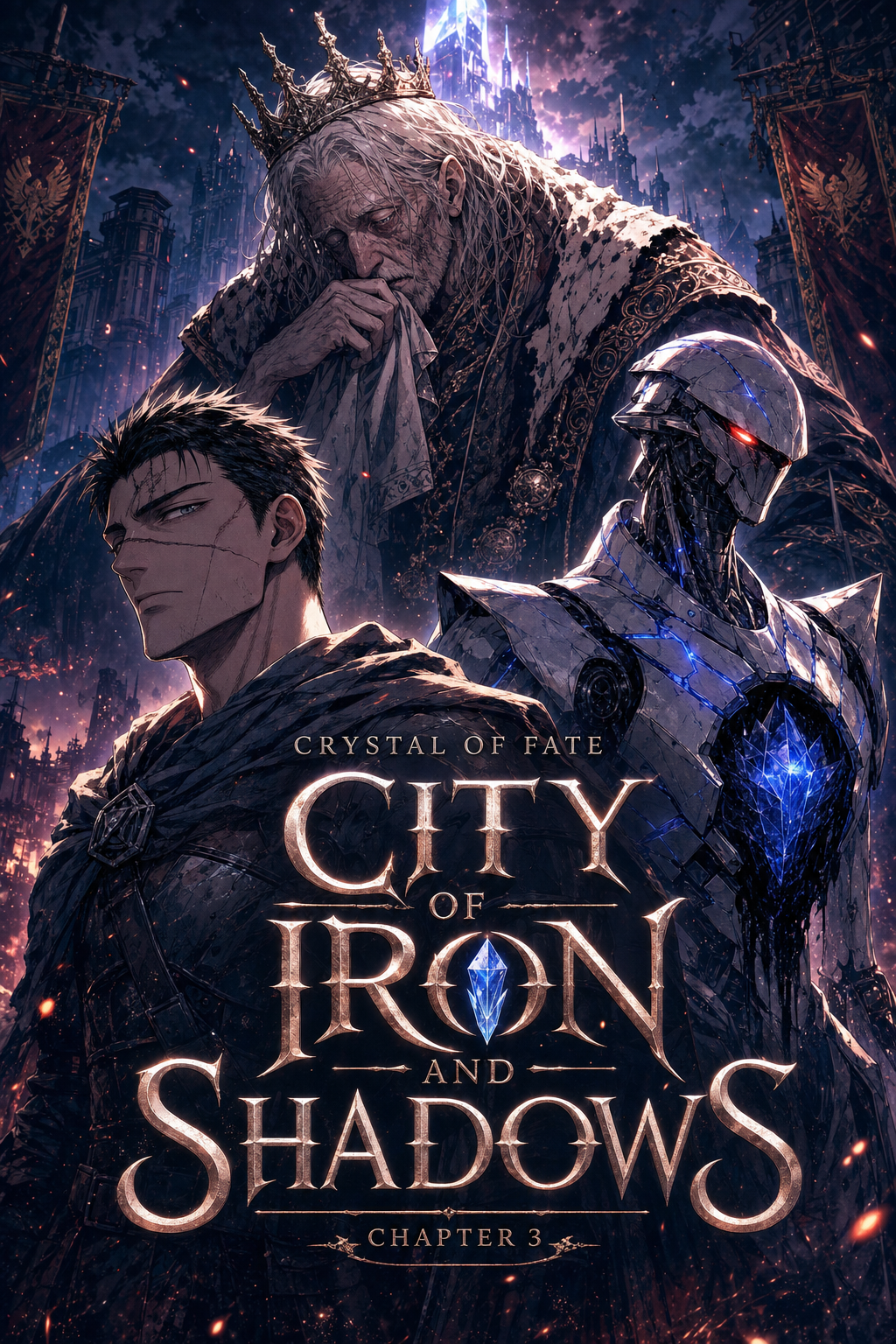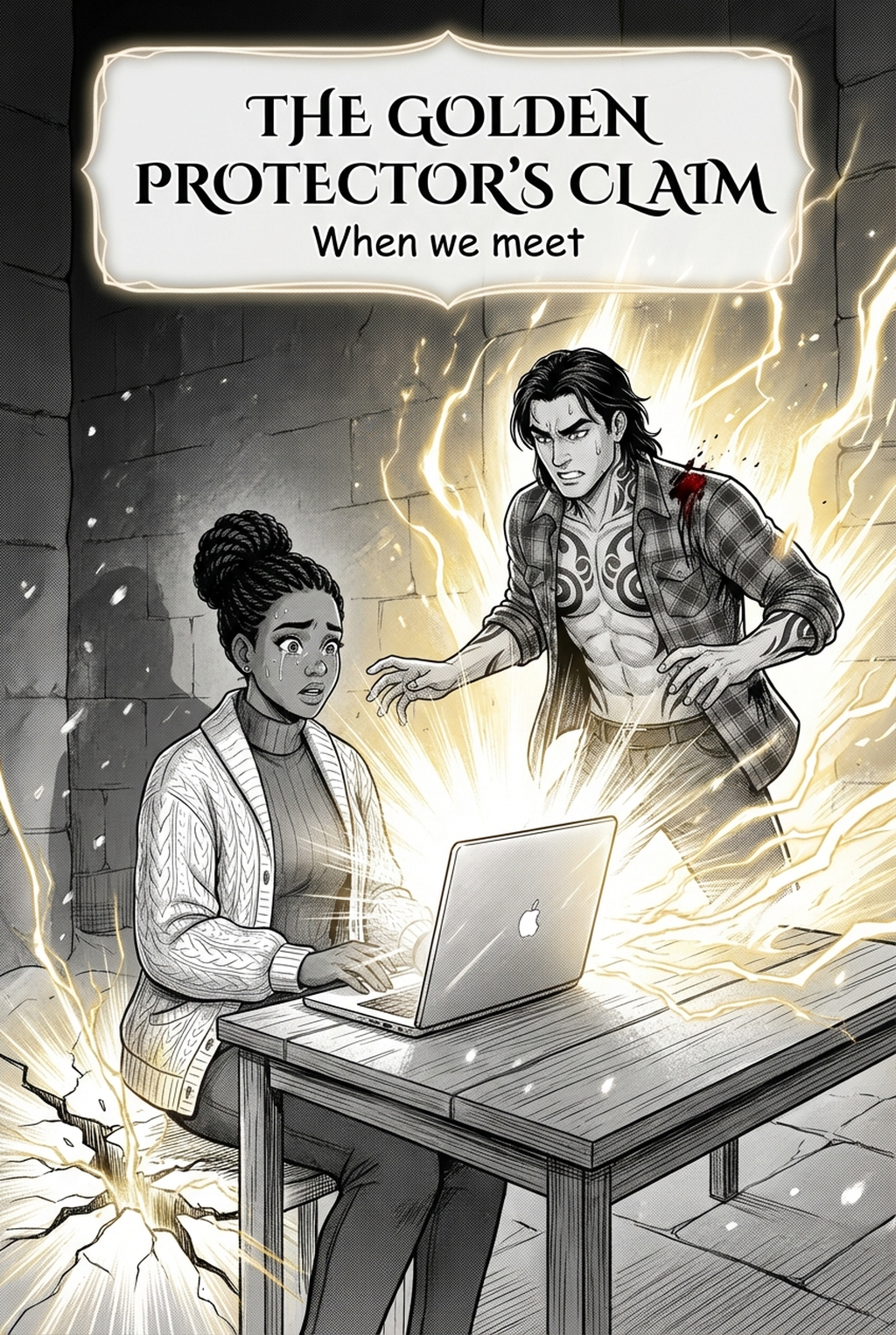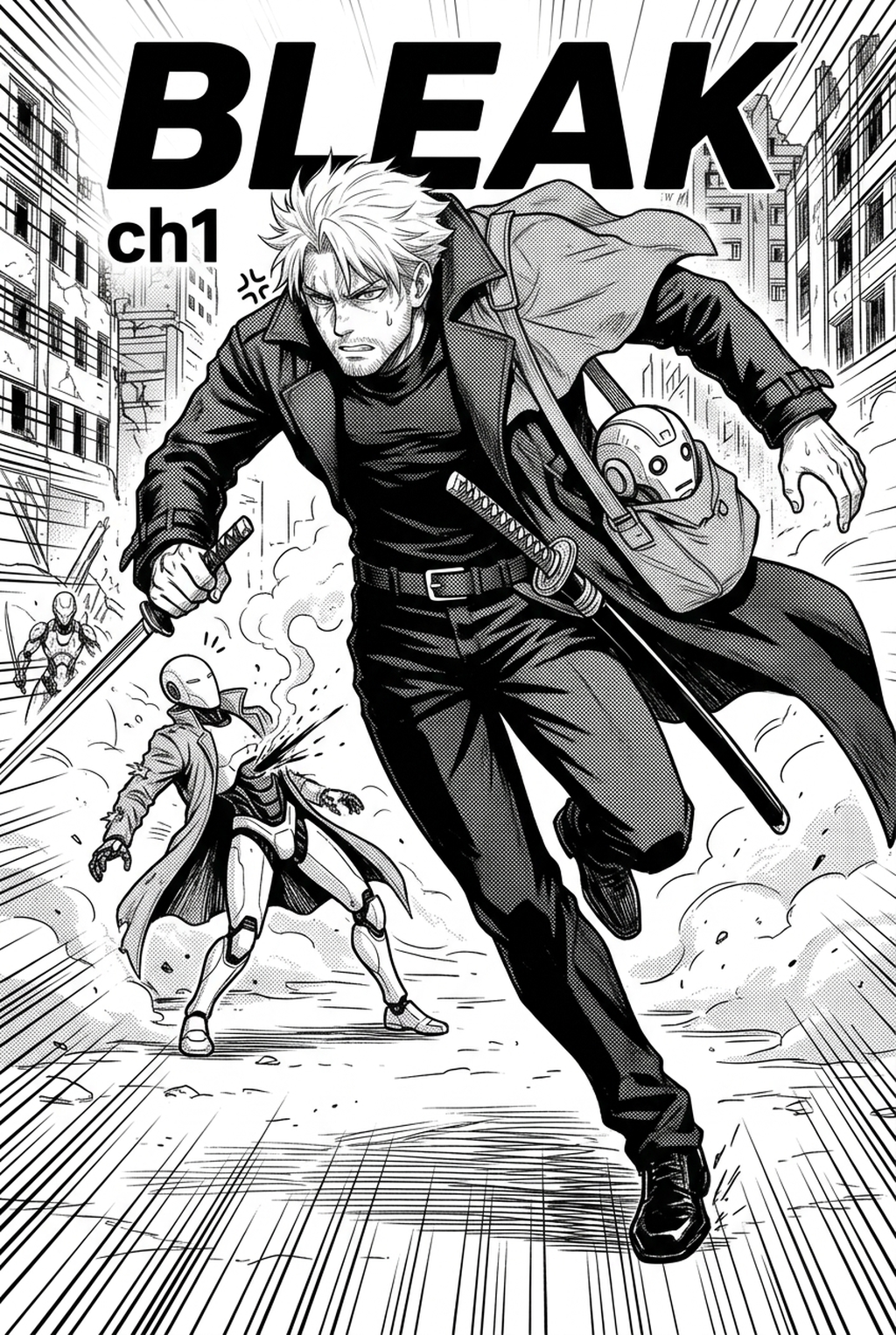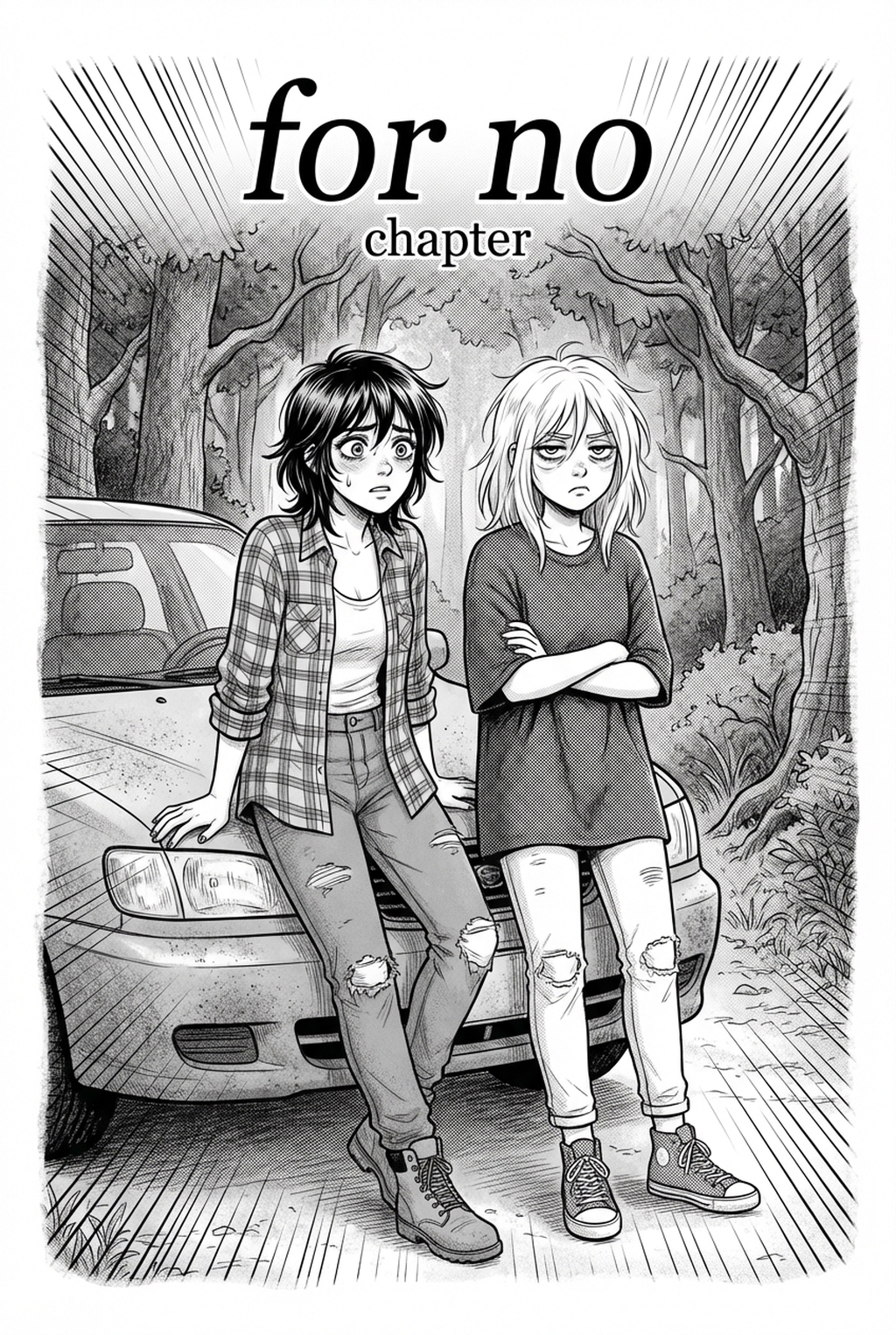
AI Manga Style Transfer: Why AI Manga Style Transfer Matters for Manga Creators
Adopting this visual language functions as a structural bridge between slice-of-life realism and the simmering narrative tension required for professional seinen manga. It provides a visual shorthand that signals to your audience that your work maintains a level of thematic maturity and environmental depth.
When your story relies on dialogue-heavy "talking head" panels, the style acts as a anchor, ensuring that the characters remain visually consistent even as their emotional states shift rapidly throughout a debate. By grounding the characters in a realistic, texture-heavy environment, you prevent the visual drift that often plagues long-form seinen projects where backgrounds become too sparse to hold the reader’s focus.
How Oishinbo Art Style Works with Mangaka
Mangaka enables you to apply the signature visual weight of Oishinbo-style ink to your rough sketches with a single click, effectively automating the most time-consuming aspects of the inking phase. By leveraging your personal character models as the source context, the AI interprets your original intent while overlaying the textural assets required to mimic classic seinen grit.
| Feature | Manual Inking | Mangaka Transfer |
|---|---|---|
| Line Weight | Hand-drawn variation | Automated depth map |
| Texture Detail | Hours of cross-hatching | One-click density layer |
| Consistency | High risk of drift | Model-based fidelity |
Instead of spending days manually cross-hatching to define shadows on a character’s face, you act as the review owner, iterating on the AI’s output to ensure the final delivery format matches your story’s tone. This shift allows you to focus on the composition of your panels and the precision of your speech-bubble layout, ensuring that the technology serves the narrative rather than constraining your creative choices.
Use Cases for AI Manga Style Transfer
You should deploy this aesthetic specifically for high-impact culinary sequences where the sensory quality of the food—the steam, the glazing, the texture of the ingredients—is as important as the dialogue. When a panel requires the reader to feel the heat or taste of a dish, the Oishinbo style provides the necessary visual fidelity to make those elements pop.
Beyond culinary scenes, this style is ideal for intense, character-driven confrontations where micro-expressions reveal hidden motivations. Integrating these elements into your contemporary settings adds a layer of gritty, grounded realism that elevates even mundane office or kitchen environments.
How to Get Started with Mangaka
Getting started requires a move away from the assumption that AI replaces traditional training; rather, it functions as a highly sophisticated assistant that empowers you to iterate faster. Many creators wonder if the style is strictly limited to food, but it is actually a versatile framework for any story needing grounded anatomical realism and sharp inking patterns.
Workflow Fit for Creator Output
Workflow Fit for Creator Output. Workflow Fit for Creator Output. The AI is trained on diverse visual languages, ensuring high artistic fidelity when transferring your sketches into the target style. You remain the final authority on every panel, as you possess the ability to tweak the density and weight of the linework before finalizing your export for publication.
- Before Export. Creators should compare the generated line art with the original sketch and confirm that facial expressions, props, speed lines, and speech-bubble space still support the scene. A repeatable review pass should cover character consistency, panel readability, background clarity, and whether the final file is ready for coloring, lettering, or editor feedback. - For Longer Projects. Creators should save approved examples of line weight, face detail, clothing folds, and background density. Those references keep later chapters closer to the intended style. For collaboration, creators should mark which panels are final and which panels still need redraws. Clear status labels prevent an assistant, editor, or colorist from polishing the wrong version. - For Publishing. Creators should review the page at the actual reading size before export. Small screens expose crowded dialogue, weak silhouettes, and line details that looked fine while zoomed in. This keeps the review focused on story intent, line weight, panel readability, and the export quality behind the final AI Manga Style Transfer output. - For Style Control. Creators should keep a short reference board beside the draft and compare hair shapes, eye details, costume folds, and texture choices before approving the final page. For revision planning, creators should separate art fixes from story fixes. Line cleanup, panel order, dialogue clarity, and character acting each need a different review question. - For Solo Creators. The most useful workflow is one that keeps rough ideas editable until the final pass. That reduces rework when the scene mood changes after the first read-through. Creators can use each revision decision to clarify panel readability, character consistency, and export quality before publishing or sharing.
Review Controls Before Export
Creators should compare the generated line art with the original sketch and confirm that facial expressions, props, speed lines, and speech-bubble space still support the scene. This keeps the review focused on story intent, line weight, panel readability, and the export quality behind the final AI Manga Style Transfer output.
A repeatable review pass should cover character consistency, panel readability, background clarity, and whether the final file is ready for coloring, lettering, or editor feedback. For longer projects, creators should save approved examples of line weight, face detail, clothing folds, and background density. Those references keep later chapters closer to the intended style.
The Bottom Line
Mastering this classic aesthetic provides a robust framework for professional-grade seinen storytelling, emphasizing both emotional depth and environmental realism. By integrating these specific visual markers into your production workflow via Oishinbo art style , you can achieve a professional finish while reclaiming the weeks typically lost to manual inking and cross-hatching. Use the Oishinbo art style and see how high-fidelity style transfer transforms your rough sketches into finished, industry-ready pages today.
Related articles
Action Manga Background Design: A 2026 Creator Guide
Tougen Anki Character Design: A Deep Dive into Style in 2026
Action Manga Character Design: A Guide to Dynamic Motion