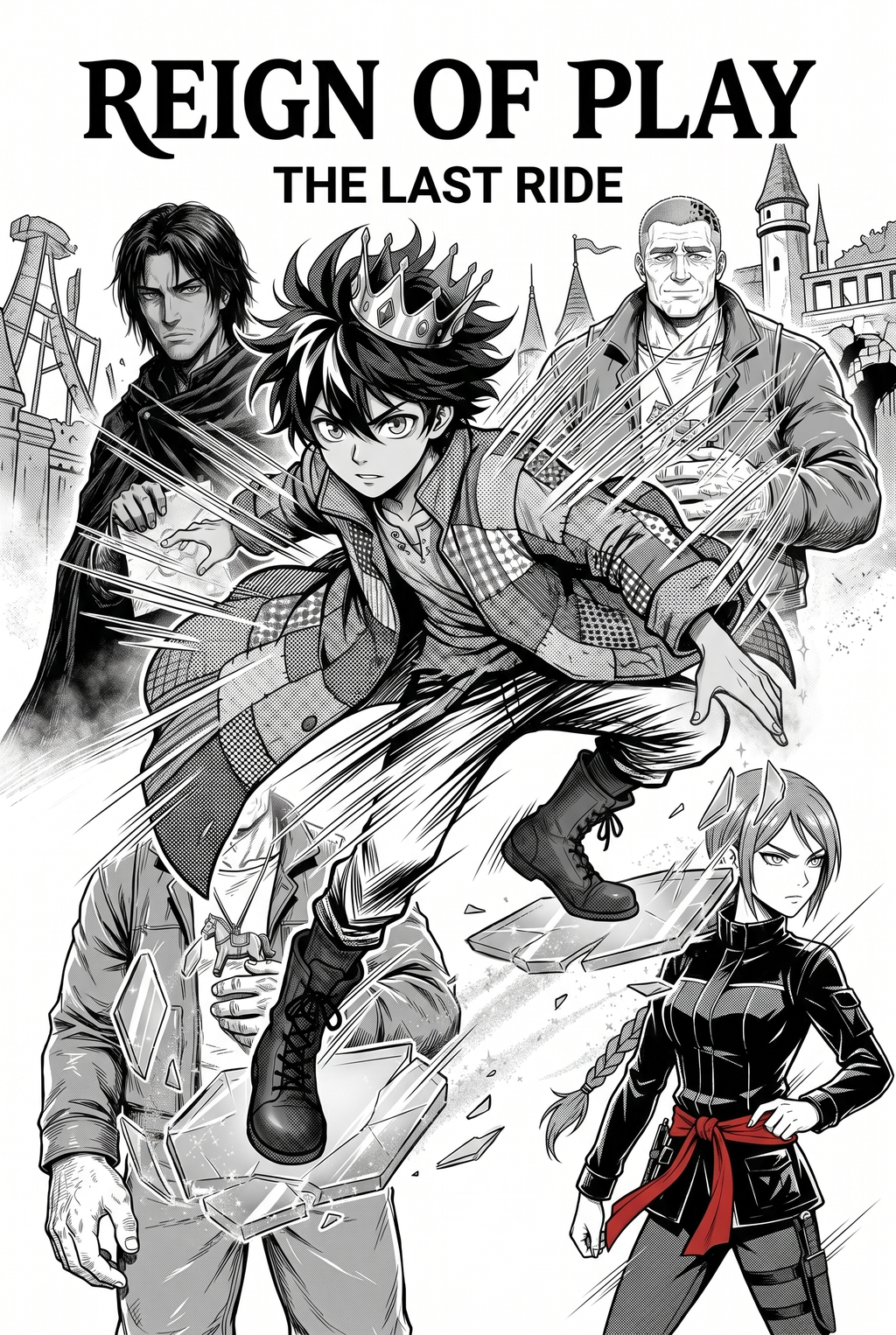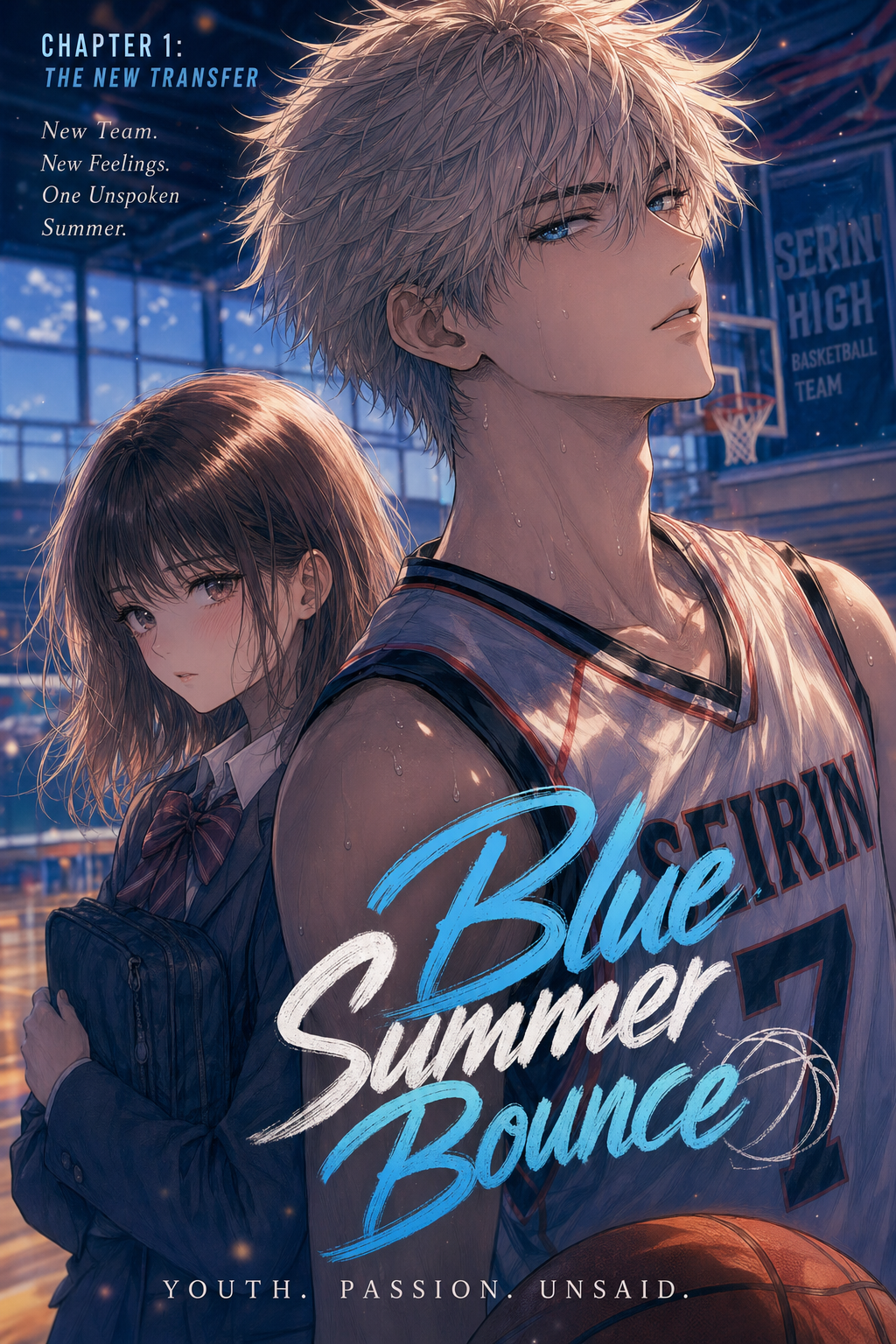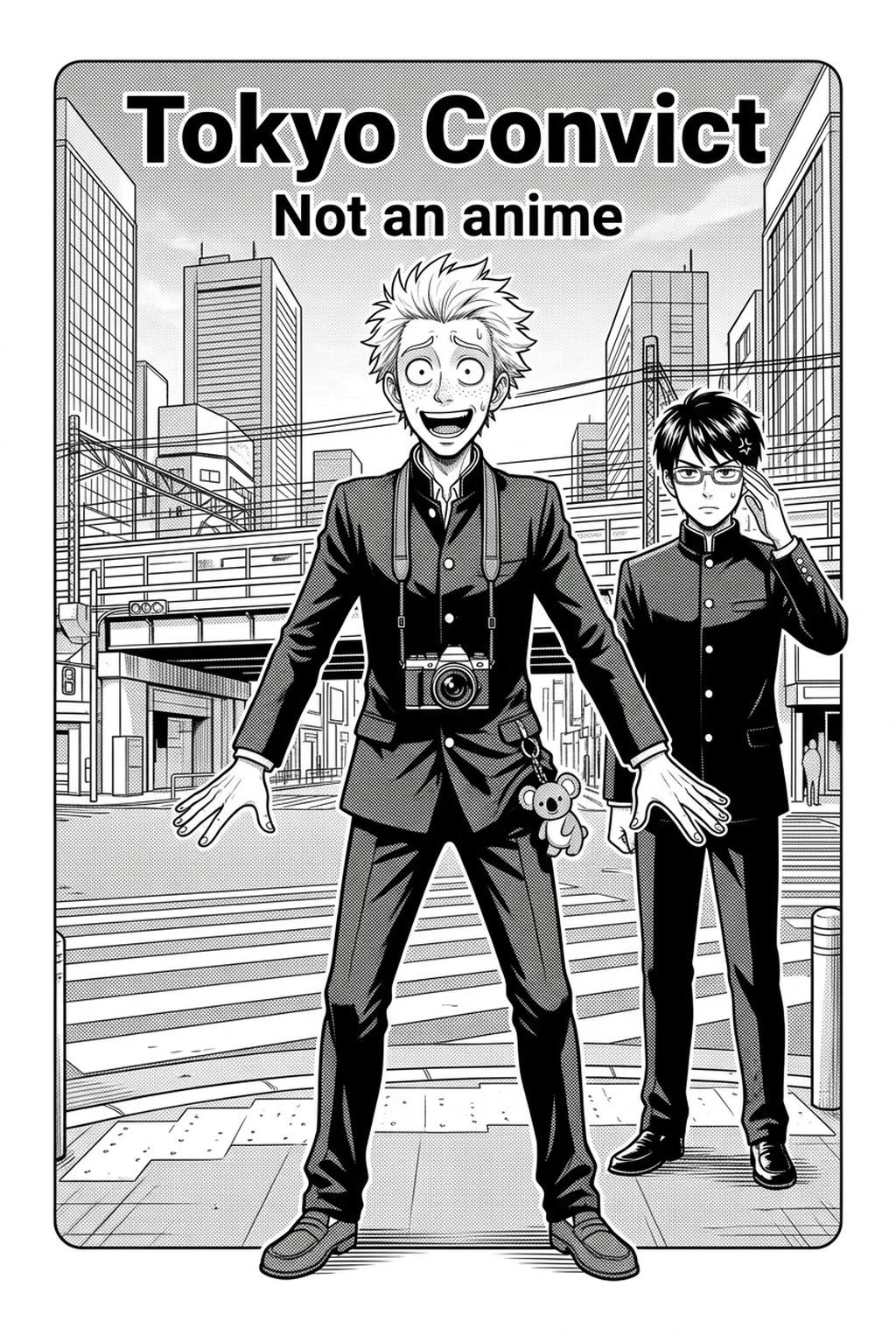
AI Manga Character Designer: Impact on Manga Production Workflows
Standardizing your character models using design-led parameters reduces the need for constant oversight by ensuring every page adheres to the same source context. Without a set of standardized profiles, you risk spending hours on "page cleanup," where you must manually re-ink faces because a character’s proportions deviated during the rough-sketch phase.
Proportion drift occurs when an artist subconsciously alters a character's height or shoulder-to-head ratio while moving from a wide-angle splash page to a close-up reaction shot. By adopting a "model-sheet-first" philosophy, you establish a locked reference set that dictates the specific volume of hair and the exact fit of clothing across every scene. This rigidity is the secret to high-volume output; when your source context is mathematically locked, your inking team—or your automated tools—can interpret the characters correctly every time, regardless of the panel angle.
Using a structured profile ensures that every accessory, from a specific belt buckle to a unique pattern on a cape, is preserved through every chapter. This prevents the "lost detail" phenomenon that occurs when creators stop drawing intricate character features because they become too difficult to track manually over dozens of issues.
Implementation with Mangaka Tools
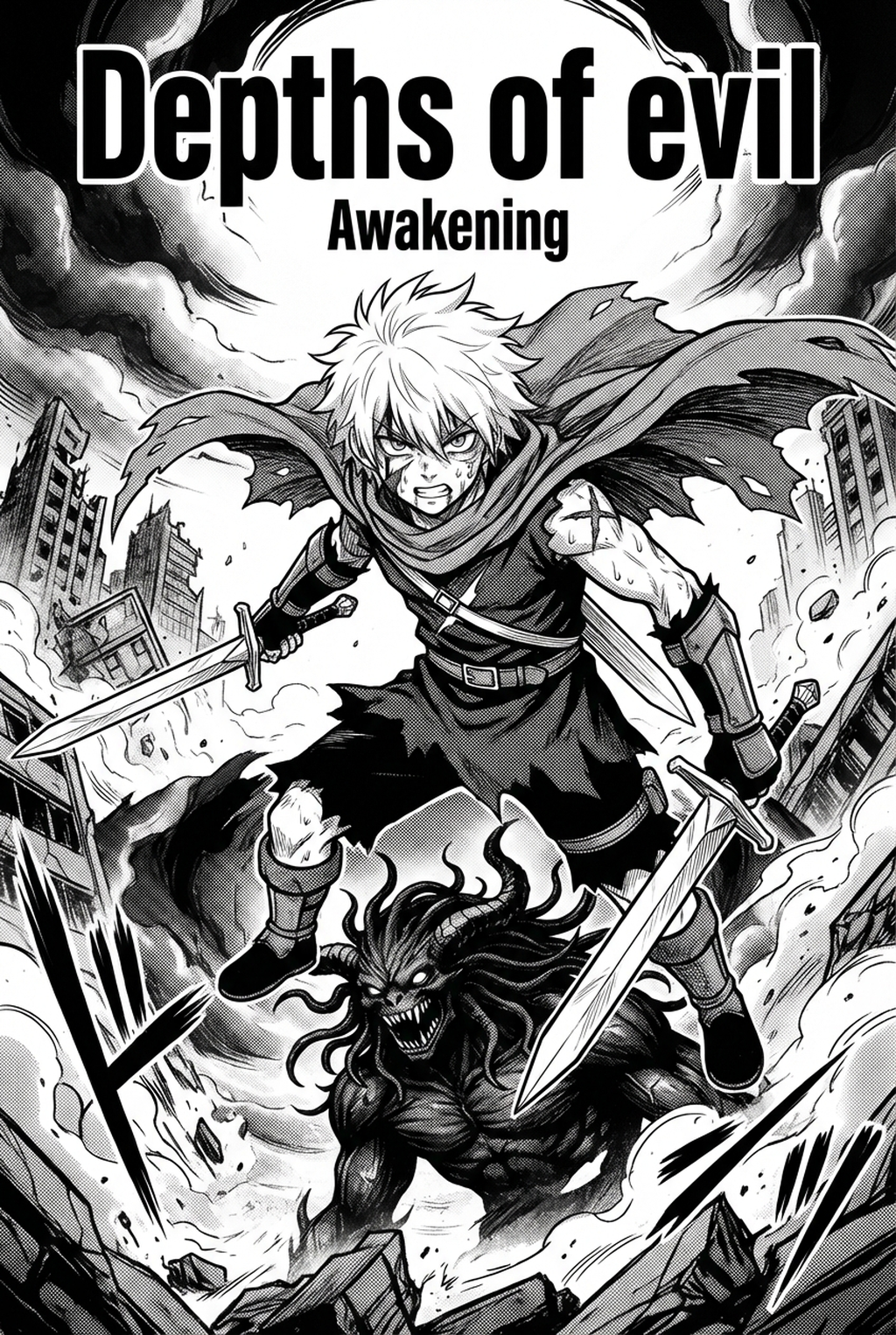
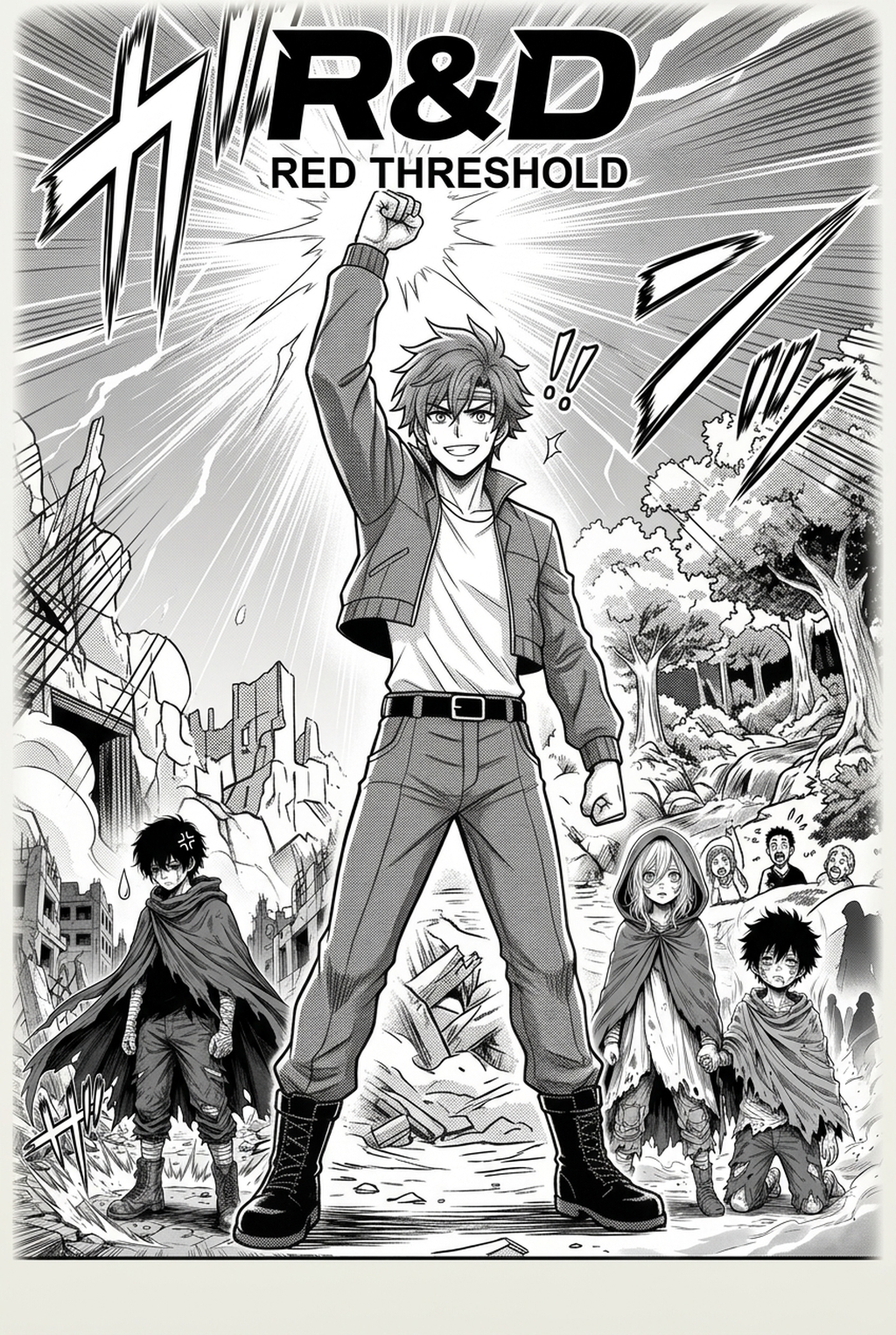
Mangaka functions as a creative engine that synthesizes your initial design concepts into high-fidelity models that maintain their appearance across entire storyboard sequences. By inputting specific descriptive traits—such as eye shape, clothing texture, or hair volume—the system generates a consistent base that serves as the visual anchor for your entire project.
The platform allows you to lock in the "source context" of a character, which bridges the gap between static sketches and complex, inked pages. Once the core geometry is defined, the tool manages the transition from simple 2D concepts into printable, high-resolution panels. You no longer need to rely on manual trace-overs or tedious layer-by-layer adjustments to maintain the integrity of a character’s face during a high-speed chase or a dialogue-heavy scene.
The tool automates the delivery of complex assets, letting you pivot from initial character design to final page layout without worrying about style consistency. For those looking to see the tool in action, you can VTuber character design with Mangaka and observe how the system handles complex line work and consistent coloring. This ensures your output remains professional-grade while significantly reducing the hours previously spent on manual re-drawing and asset review.
Practical Applications for Modern Creators
Different manga formats demand unique approaches to character design, but all benefit from the stability of a VTuber-inspired workflow. Whether you are producing for vertical-scroll mobile apps or traditional print, the goal is to maximize visual impact while maintaining strict adherence to your character profile. Creative Decisions and Export Quality.
- Vertical Scrolling: Emphasize bold line weights and high-contrast color fills that remain clear on small, backlit mobile screens. * Indie Manga Production: Use standardized character profiles to create a design library, ensuring that any external help can quickly replicate the established look. * Alt-Outfit Development: Use the designer to generate battle-gear or casual-wear variations while keeping the underlying facial geometry and signature features locked.
Creators should compare the generated line art with the original sketch and confirm that facial expressions, props, speed lines, and speech-bubble space still support the scene. A repeatable review pass should cover character consistency, panel readability, background clarity, and whether the final file is ready for coloring, lettering, or editor feedback.
Creators should save approved examples of line weight, face detail, clothing folds, and background density. Those references keep later chapters closer to the intended style. For collaboration, creators should mark which panels are final and which panels still need redraws. Clear status labels prevent an assistant, editor, or colorist from polishing the wrong version.
- Before Export. Creators should compare the generated line art with the original sketch and confirm that facial expressions, props, speed lines, and speech-bubble space still support the scene. A repeatable review pass should cover character consistency, panel readability, background clarity, and whether the final file is ready for coloring, lettering, or editor feedback. For longer projects, creators should save approved examples of line weight, face detail, clothing folds, and background density. Those references keep later chapters closer to the intended style.
- For Collaboration. Creators should mark which panels are final and which panels still need redraws. Clear status labels prevent an assistant, editor, or colorist from polishing the wrong version. For publishing, creators should review the page at the actual reading size before export. Small screens expose crowded dialogue, weak silhouettes, and line details that looked fine while zoomed in.
- For Style Control. Creators should keep a short reference board beside the draft and compare hair shapes, eye details, costume folds, and texture choices before approving the final page. For revision planning, creators should separate art fixes from story fixes. Line cleanup, panel order, dialogue clarity, and character acting each need a different review question.
- For Solo Creators. The most useful workflow is one that keeps rough ideas editable until the final pass. That reduces rework when the scene mood changes after the first read-through. This keeps the review focused on story intent, line weight, panel readability, and the export quality behind the final AI Manga Character Designer output.
The Bottom Line
Adopting VTuber-inspired design principles provides a robust framework for visual consistency that is essential for modern, high-volume manga production. By automating the technical overhead of character stability, you are free to focus on narrative pacing and complex storytelling rather than repetitive re-drawing. To get started with a professional workflow, VTuber character design and lock in your character’s visual context today.
Related articles
Mastering the Shonen Manga Art Style: A Creator's Guide 2026
Mastering Sci-Fi Manga Character Design: A Creator's Guide
Designing a Fantasy Courtroom: A Manga Background Guide 2026