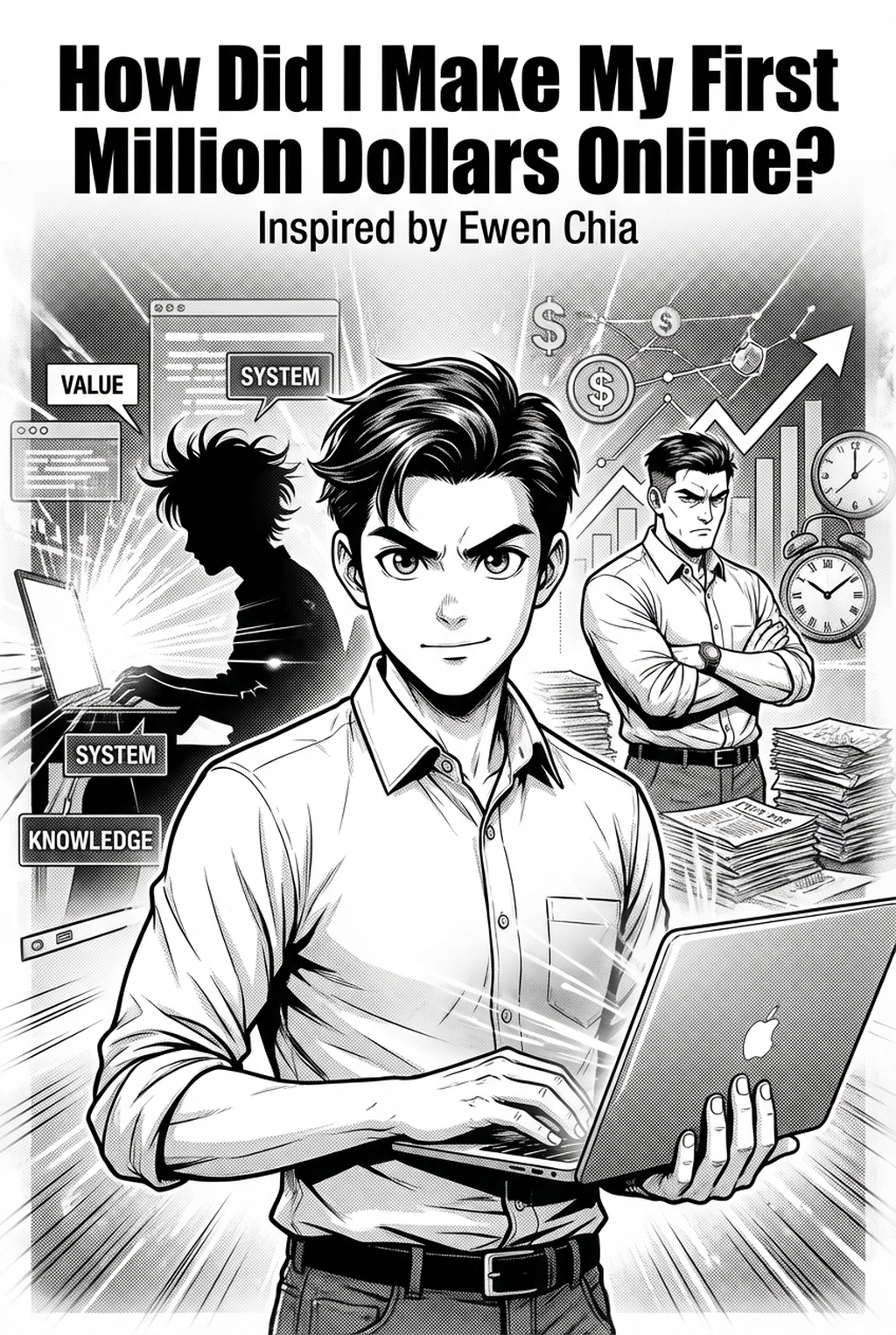
Primary Functions of a Professional Colorist
A manga colorist is responsible for selecting color palettes that maintain the narrative tone of the original ink work. By carefully choosing hues that reflect the mood—cool blues for nocturnal settings or high-contrast, warm tones for intense combat panels—they guide the reader's eye through complex layouts without obscuring the artist's original intent.
- Flatting: Establishing base color regions to separate characters, background elements, and foreground objects for easier shading. * Cell Shading: Defining form by placing hard-edged shadows, which maintains the classic manga aesthetic compared to soft, realistic gradients. * Atmospheric Effects: Integrating bloom, lens flares, or particle glows to elevate the visual impact of special abilities and high-action panels.
The primary technical challenge for artists is preserving the integrity of the original line art during the painting process. If a colorist works on a flattened single layer, the line weight can easily bleed or wash out, resulting in a muddy image that loses the sharp contrast characteristic of professional print-ready manga.
Why Colorist Workflow Matters for Creators
AI tools allow creators to automate tedious flatting tasks, effectively moving the artist from manual labor to high-level aesthetic management. By delegating the base work to a machine, an independent artist can now meet weekly serialization cadences that were previously only possible for large-scale Japanese studios with massive production teams.
Current AI technology enables non-destructive workflows where the base line work remains untouched in its original vector or high-res raster format. This is a critical departure from traditional software, which often requires manual masking or painstaking "fill" selection that consumes precious hours. When you rely on automated systems to handle the base layers, you retain the ability to perform surgical edits on character eyes, highlights, and glints without risking the underlying ink boundaries.
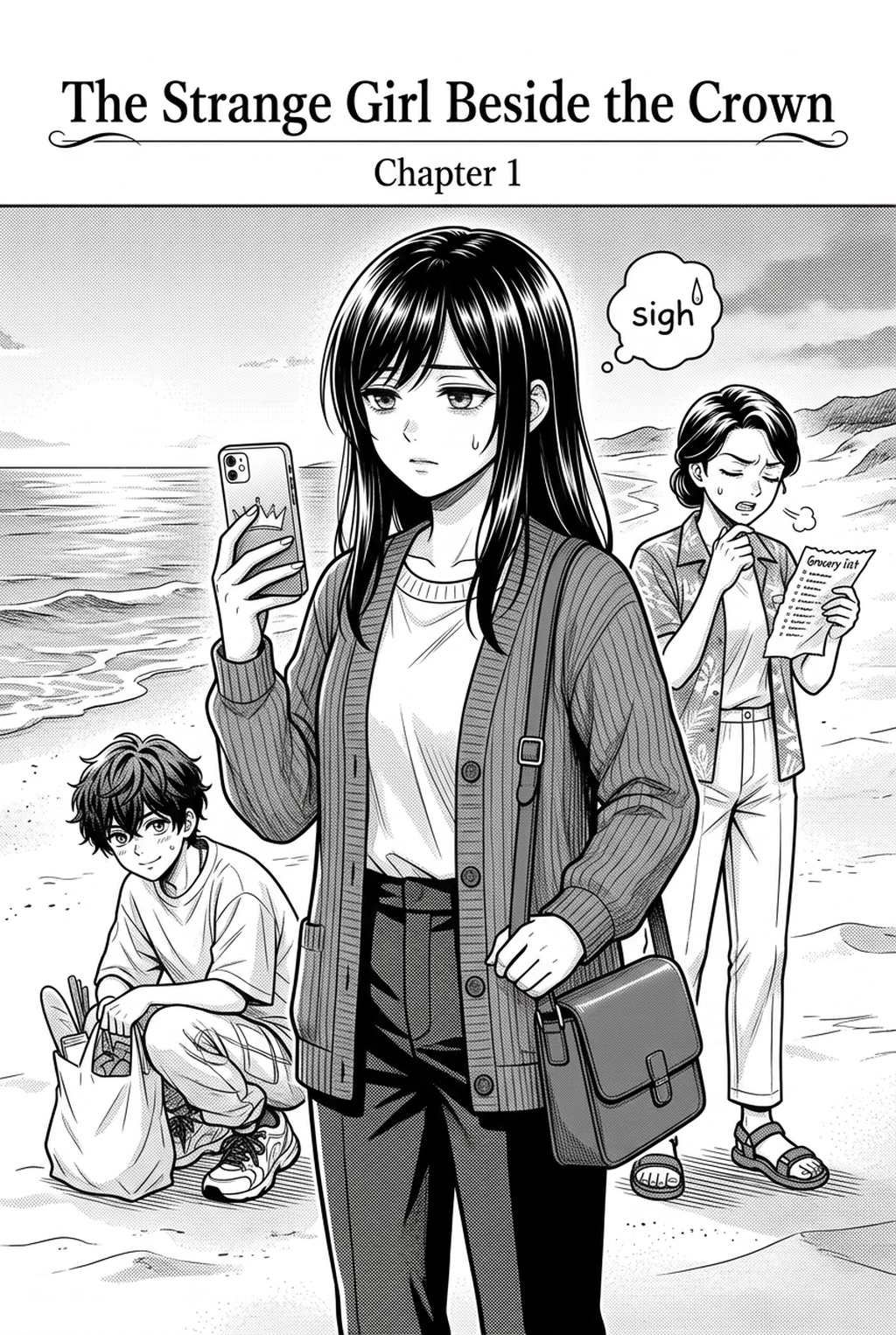
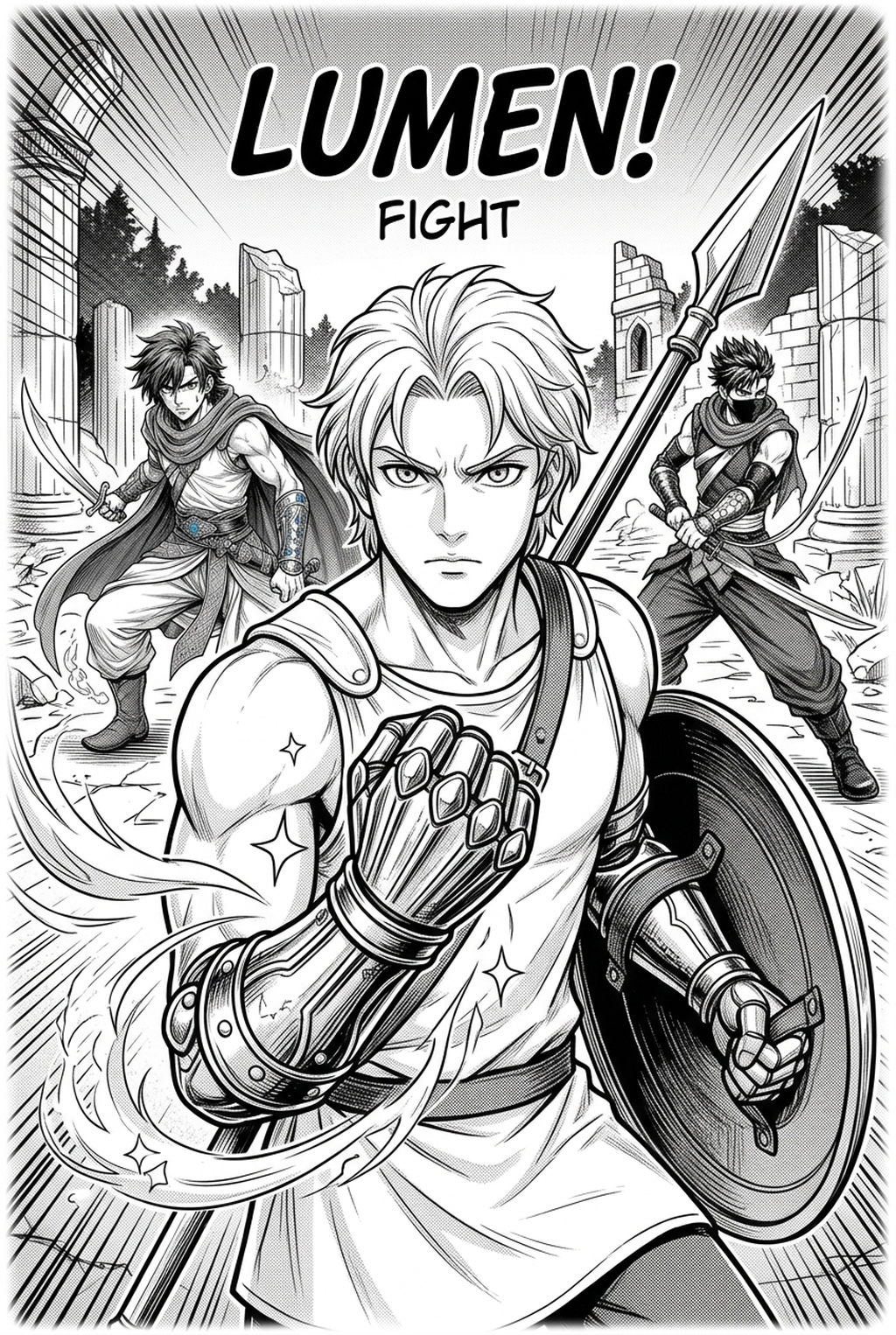
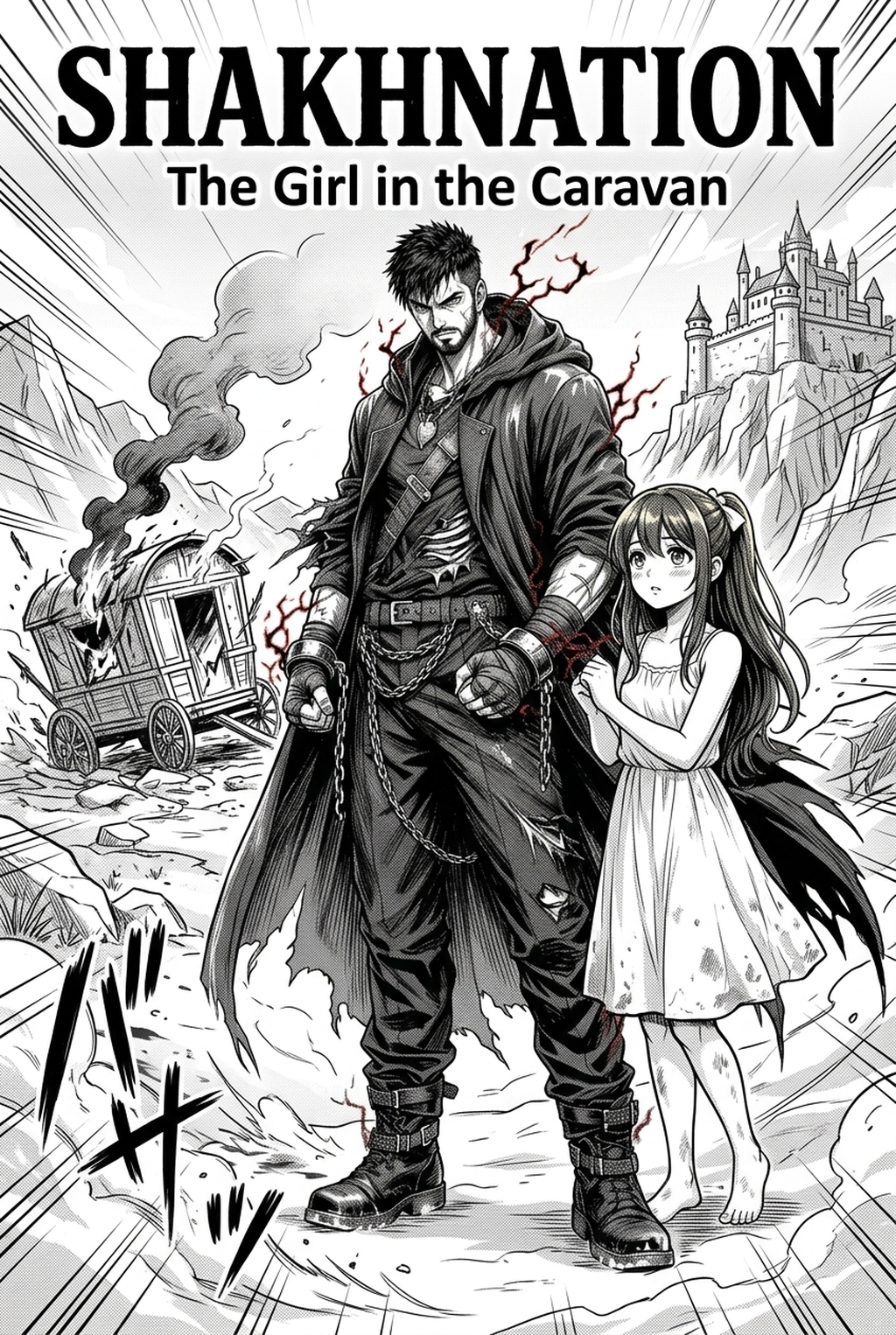
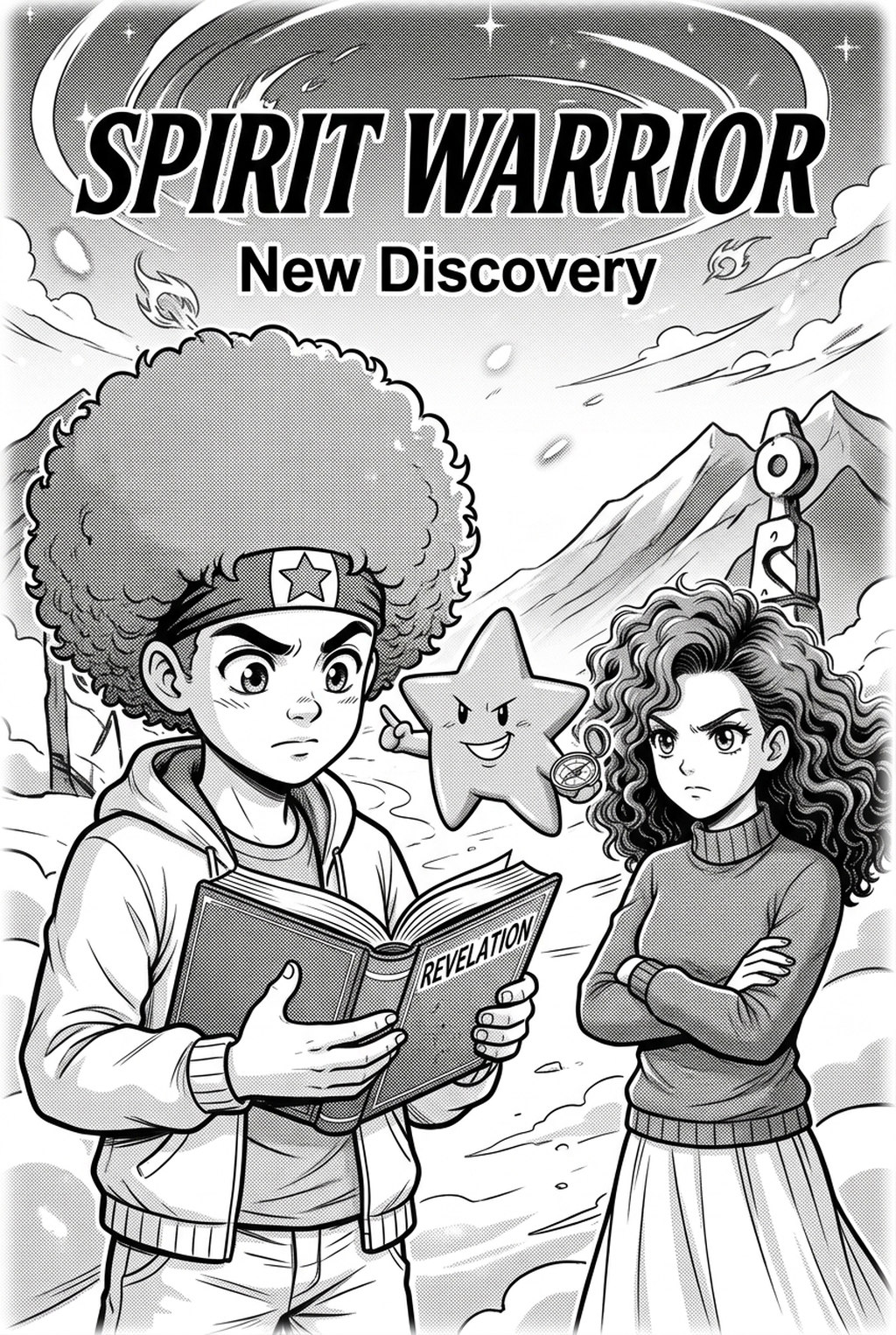
- Chapter cadence. Use the AI pass for pages where speed matters most, such as repeated action poses, transformation beats, or dense speed-line panels. Keep manual cleanup for hero panels where the line style defines the emotional peak.
- Character continuity. Compare the generated lines against the same model sheet, costume notes, and facial-expression range used during sketching. This prevents a fast inking pass from drifting away from the character identity readers recognize.
- Export readiness. Check whether the final manga output can move into lettering, coloring, or final layout without rebuilding panel borders or speech-bubble space. A good manga workflow should save time while keeping the next production step predictable.
How Colorist Logic Works with Mangaka
The main risk of AI colorists is "style wash," which happens when standard models ignore the unique, idiosyncratic brushwork of the mangaka. To avoid this, creators must utilize systems that treat lines as a sacred, essential layer.
Use layer-masking techniques to lock line art segments, ensuring the AI only processes the "fill" areas within the inked boundaries. The best AI assistants provide adjustable opacity controls, allowing artists to blend their manual hand-painted textures with AI-generated gradients. For example, if you are drawing a complex shonen transformation, you can use the AI to generate consistent ambient glow colors for the aura while you hand-paint the high-saturation sparks over the top. This keeps the work feeling hand-crafted while drastically reducing the time required to complete a 20-page chapter.
Use Cases for Your Colorist Strategy
Prepare high-contrast line art by cleaning stray pixels and ensuring closed-loop shapes to prevent "bleeding" colors during the automated fill process. If your lines have "gaps" or broken junctions, the color information will leak into adjacent background segments, forcing a manual clean-up phase that wastes the time the AI was meant to save.
Establishing Visual Cohesion. Define a Color Strategy Document" for your story, establishing consistent palettes for recurring characters and environment presets to ensure visual cohesion across chapters. In a 100-page volume, having a set color profile for a character’s hair or gear ensures they do not drift in tone, a common issue when coloring pages months apart. You can use the manga colorist with Mangaka interface to perform global color adjustments while manually painting in final highlights on character eyes, providing the perfect synthesis of speed and detail.
How to Get Started with Mangaka
Can an AI AI AI Manga Colorist workflow workflow replace a human artist? No, it acts as a force multiplier for a human artist, not a replacement for creative direction. Your role as a creator shifts from a manual painter to an art director who curates the output of the machine to match your specific narrative vision.
Modern tools use layer-based processing to keep original line work distinct from the color layer, ensuring that your ink density remains sharp. By using the product’s Global Palette Lock" feature to apply the same color profile to character traits throughout the story, you prevent shifts in hair or costume tones. Always export in 300-600 DPI, typically as a layered PSD or high-resolution PNG, to ensure that the color depth matches the precision of your original inked panels. Apply Atmospheric Depth" settings to background panels, which helps differentiate them from the character layers and improves visual readability in fast-paced scenes.
Creators should compare the generated line art with the original sketch and confirm that facial expressions, props, speed lines, and speech-bubble space still support the scene. A repeatable review pass should cover character consistency, panel readability, background clarity, and whether the final file is ready for coloring, lettering, or editor feedback.
The Bottom Line
The role of the professional colorist is evolving from tedious manual labor into an art-director-style position empowered by intelligent automation. Tools like Mangaka offer the perfect middle ground for creators who want the speed of automation without sacrificing the unique, hand-crafted feel of their original panels. If you are ready to modernize your workflow and produce high-quality pages in half the time, manga colorist today.
Related articles
How to Create a Professional Manga Background Fast in 2026
Use Our AI Manga Colorist to Brighten Your Pages Instantly
How to Create an Action Manga Background That Pops in 2026