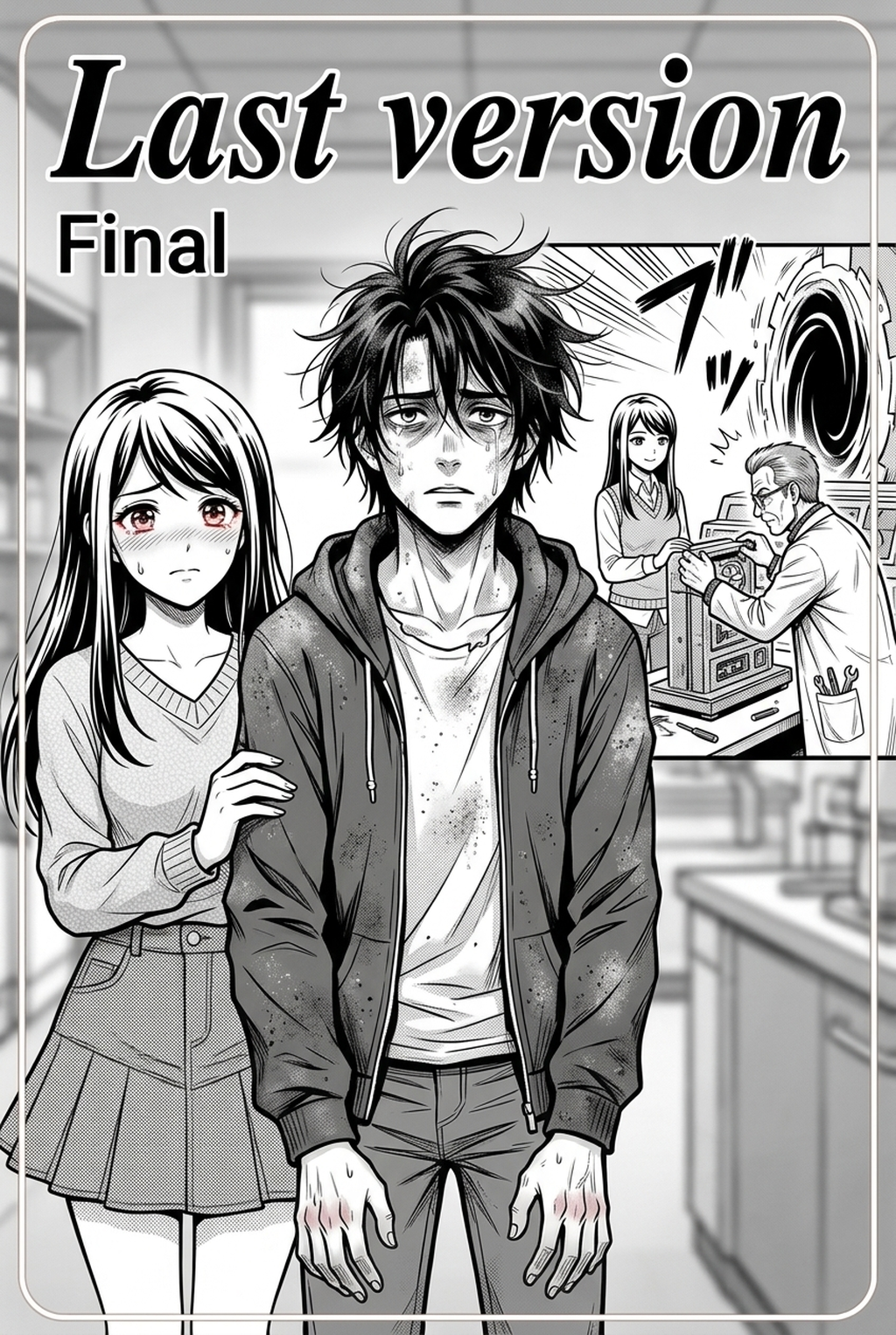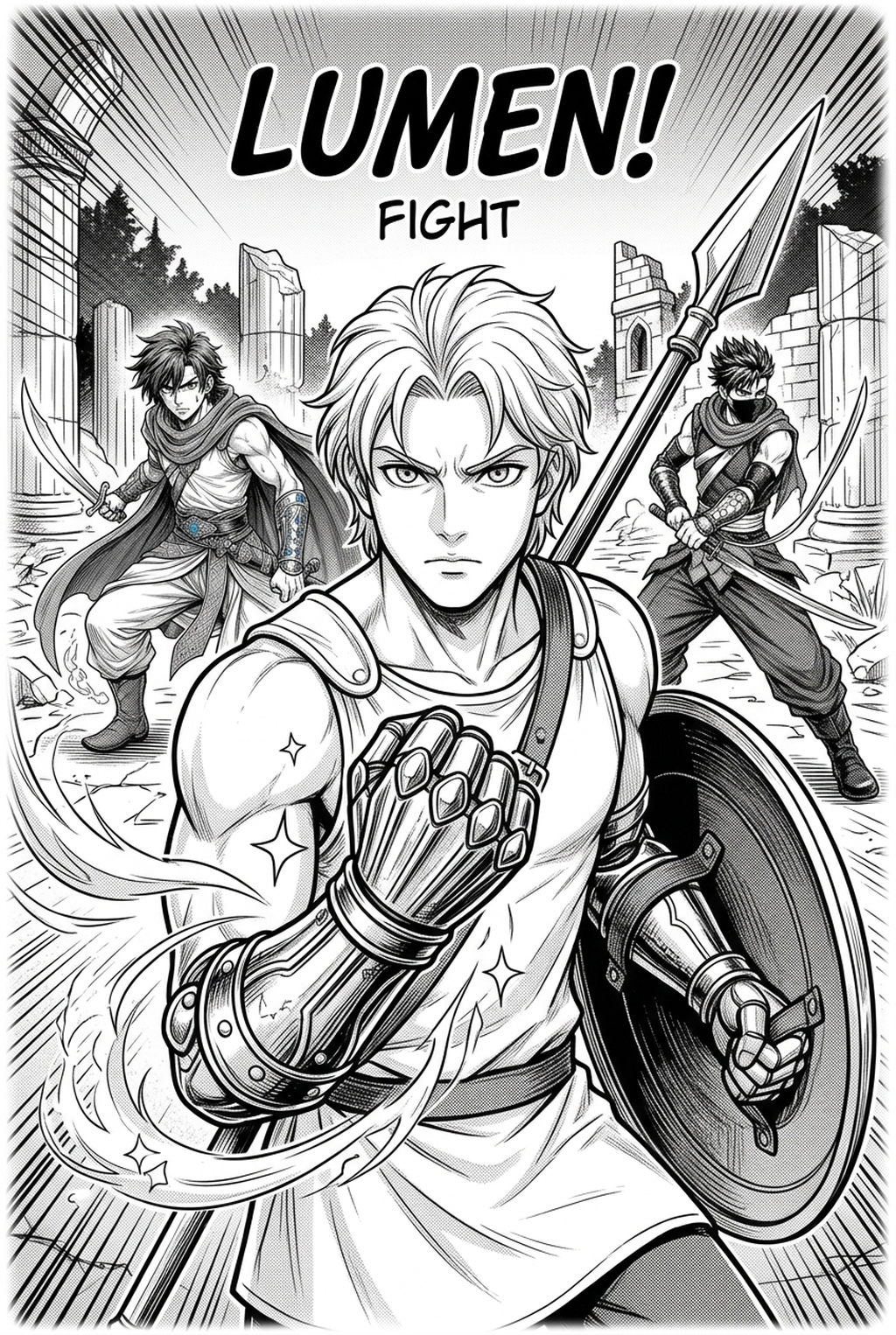
The Nature of the Four-Panel Strip
4-koma manga is a rigid comic strip format that features exactly four panels stacked vertically, designed to tell a self-contained story through the Kishōtenketsu structure. This narrative cycle—Ki (introduction), Shō (development), Ten (twist), and Ketsu (conclusion)—is the backbone of the format, forcing creators to distill humor or observations into a sparse, high-impact sequence. Unlike long-form serialized manga that utilizes extensive double-page spreads for immersion, this format relies on the reader's ability to grasp the joke or situational hook within seconds.
The structural discipline of this format is not merely a stylistic choice; it is a technical constraint that dictates how you block your characters. Because you are working with a vertical orientation, you must ensure that your character silhouettes remain distinct across all four panels to avoid the common trap of "visual drift," where character heights and feature placements subtly shift between the second and third panels.
Why the Format Matters for Manga Creators
The 4-koma structure provides a constrained creative framework that forces absolute clarity, making it the ideal delivery format for rapid consumption on social media platforms. By limiting your canvas to four specific zones, you inherently avoid the "dead air" that can plague overly descriptive panels in longer works, ensuring every line of ink serves a specific purpose.
- Pacing Precision: The 4-panel count prevents over-explanation, ensuring the 'Ten' or twist panel provides the maximum emotional impact. * Engagement Velocity: Readers process these strips significantly faster than standard chapters, leading to higher shareability on platforms like X or Instagram. * Creative Focus: With the page layout pre-defined, you spend more time on character expression and comedic timing rather than plotting complex, multi-page storyboards. * Low Barrier to Output: You can maintain a daily or weekly publication schedule without the labor-intensive requirements of full-page inking and background rendering.
Production Mechanics with Mangaka
Mangaka automates the technical heavy lifting of 4-koma production, transforming a single punchline idea into a complete, panel-ready strip through integrated model training. The tool handles the complex requirements of character consistency—such as maintaining exact eye shape and costume details across all four panels—so you never have to manually re-align layers or perform tedious "cleanup" passes on your ink work.
When you input a conceptual sketch, the system processes your character references and adapts them to the specific panel-pacing required for the twist. You retain full control over the visual output, using the system to iterate through different expressions or ink weights until the composition feels balanced. This method ensures that your final PNG or PSD export maintains professional-grade line quality while eliminating the hours of manual inking typically required to keep character proportions stable between individual cells.
Strategic Use Cases for the Strip
Mastering the 'Ten' panel is vital, as this is where your narrative stakes must be upended to trigger humor. If your 'Ten' panel is too crowded, the reader will lose the momentum before they reach the final 'Ketsu' punchline. Aim to keep background elements minimal—using broad, simple tones or negative space—to ensure the reader's eye is pulled toward the character’s reaction in the twist.
- Silhouette Integrity: Keep character poses unique and readable even when scaled down for small mobile displays, avoiding overlapping limbs that clutter the frame. * Narrative Economy: Use the first two panels exclusively to ground the setting and the characters, leaving the final two for the setup-twist-delivery sequence. * Text Clearance: Maintain at least a 10% margin around speech bubbles to ensure your dialogue doesn't fight for visual dominance with your character designs. * Emotional Contrast: Shift the character's facial expression drastically in the third panel to emphasize the sudden narrative pivot.
Starting Your First Comic Project
You should view the Kishōtenketsu structure as a tool for pacing rather than a legalistic requirement that limits your creative voice. If you find yourself struggling to start, use AI-generated storyboards as a scaffold for human finalization, which allows you to test three different punchline delivery styles before you commit to the final rendering.
- Panel Count vs. Page Count: Unlike standard chapters which rely on varying panel sizes to guide the eye, this format mandates a uniform vertical flow that minimizes reader fatigue.
- Standardizing the Workflow: By generating your initial panels through 4-koma manga with Mangaka , you can skip the tedious "rough-to-ink" cycle and immediately jump into the creative review phase.
- Iterative Design: Experiment with the visual weight of your lines—perhaps using thinner, more delicate lines for early panels and bolder, high-contrast ink for the climax.
- Reviewing Consistency: Check your character's height against the panel borders in each of the four cells to ensure the "anchor point" for their feet or head hasn't drifted upward or downward during the generation process.
Creators should compare the generated line art with the original sketch and confirm that facial expressions, props, speed lines, and speech-bubble space still support the scene. A repeatable review pass should cover character consistency, panel readability, background clarity, and whether the final file is ready for coloring, lettering, or editor feedback.
The Bottom Line
Mastering this format is one of the most effective ways for indie creators to build an audience while refining their comedic timing and visual storytelling. By blending traditional structural knowledge with AI-assisted production, you can bridge the gap between initial concepts and final, high-quality comics without the fatigue of manual inking. Start your own project today by using the 4-koma manga to generate your first professional-grade layout.
Related articles
Mastering Manga Background Settings for 2026
Best Manga Colorist AI: Top Tools for Mangaka in 2026
Professional Manga Inking Tool: Clean Lines in 2026