Understanding the Pillars of Environmental Design
Manga background settings rely on the harmony of three technical foundations to guide the reader’s eye and establish the mood of a sequence. You must master these to ensure your panels communicate spatial depth rather than just flat illustration: This keeps the review focused on story intent, line weight, panel readability, and the export quality behind the final AI Manga Background Artist output.
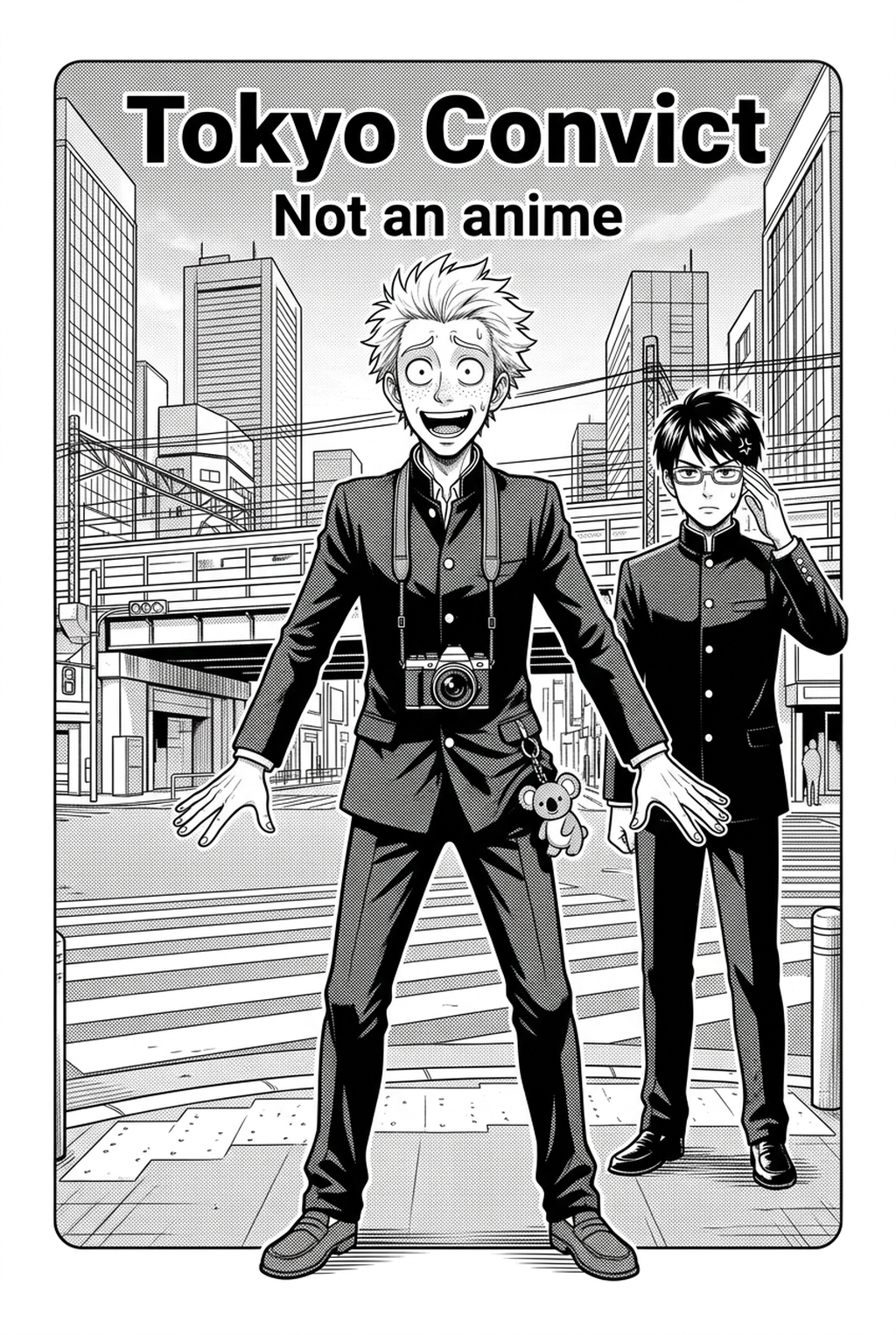
- Perspective Geometry: Every scene requires a fixed vanishing point structure to prevent architectural distortion, especially when managing complex interior shots like busy high school classrooms or cramped urban apartments. * Line Density for Texture: The thickness and frequency of your linework must differentiate between a smooth, modern glass facade and the weathered, organic textures of a traditional rural shrine. * Atmospheric Tone: Through the strategic use of screentones, gradients, and white space, you can dictate the emotional weight of a location, shifting from high-contrast urban tension to soft, airy rural serenity.
When deciding which settings to prioritize, you must account for your final delivery format. A background that looks exquisite on a 10-inch tablet screen often suffers from "muddy" illegibility in print or on mobile scrolling platforms, where fine lines disappear or bleed together.
Why Environmental Cohesion Drives Reader Immersion
Perspective provides the structural frame for character action, ensuring the setting supports rather than distracts from the narrative flow. Readers subconsciously rely on the consistency of architectural layouts to build their internal map of your story’s world; when a hallway changes length or a window moves between panels, the suspension of disbelief is shattered.
Atmospheric depth created through intentional shading establishes the "world-building" feel necessary for long-running series. Without this consistency, characters lack a tangible sense of place, making action sequences feel detached from reality. By establishing a set of visual rules for every recurrent location, you ensure the environment acts as a stable container for your character’s emotional arc, which is the primary driver of reader retention.
Integrating AI Tools into Your Drafting Workflow
Generative tools like Mangaka automate the transformation of text-based scene descriptions into high-fidelity architectural assets, effectively removing the need for manual perspective grid construction. You can use these tools to generate complex, multi-layered environments that function as the under-drawing for your panels, allowing you to focus your limited time on inking, facial expressions, and complex character interactions.
| Feature Category | Manual Drafting Approach | AI-Assisted Workflow |
|---|---|---|
| Perspective Grids | Hand-drawn guides | Automated geometry |
| Recurring Assets | Tracing templates | creative brief-driven consistency |
| Line Art Finish | Manual inking | Style-mapped overlays |
By leveraging AI, you can generate a base that fits your desired stylistic constraints—such as specific inking weights or hatching patterns—which can then be adjusted in post-processing. This allows for a professional-grade visual standard even when your production schedule is constrained by strict weekly or monthly serialization deadlines. You can visit manga background settings with Mangaka to see how these generated assets integrate directly into standard page layout software.
Strategic Deployment of Environmental Templates
Define a set of "visual rules" for each recurring location to keep your background art aligned across entire story arcs. By using standardized descriptive creative briefs for common spots like a train station, a rooftop, or a protagonist's bedroom, you ensure the geometry remains anchored.
- Baseline Consistency: Create a master template for every hero location in your story, recording the specific creative brief variables that define its lighting, line weight, and tone density. * Layer Separation: Treat backgrounds as distinct layers from your character work; this enables you to apply a light blur to deep-distance elements to pull focus toward the foreground subject. * Modular Asset Libraries: Build a repository of common furniture, props, and architectural details that can be dropped into any scene, ensuring your world feels populated and lived-in without requiring a full redraw for every panel.
Essential Steps for Efficient Panel Production
The most effective way to start with this workflow is to prioritize your "hero" backgrounds—the full-page spreads or half-page panels that establish a new location’s atmosphere. Reserve your highest resolution for these moments, and use simpler, more suggestive backgrounds for smaller, dialogue-heavy panels where character legibility is the primary priority.
Focus high-resolution, high-contrast linework on the character layers while applying subtle noise or digital filters to background elements. This natural separation helps prevent the "cluttered" look that often happens when complex architecture competes with character hair or costume details for the reader’s visual attention.
Check character consistency, panel readability, line quality, and export readiness before publishing. Creators should also record why the page passed review, which panel details still need manual cleanup, and which export format the next collaborator will use. That makes the subsection useful instead of leaving a short checklist under a large heading.
You can process AI-generated backgrounds through your software’s filter chain to match the specific ink brush settings of your primary character layer. If you use a rough, dry-brush style for your ink, apply a corresponding grain effect to your generated backgrounds so the art feels like it originated from the same artistic hand.
Creators should compare the generated line art with the original sketch and confirm that facial expressions, props, speed lines, and speech-bubble space still support the scene. A repeatable review pass should cover character consistency, panel readability, background clarity, and whether the final file is ready for coloring, lettering, or editor feedback. For longer projects, creators should save approved examples of line weight, face detail, clothing folds, and background density. Those references keep later chapters closer to the intended style.
The Bottom Line
Mastering these background techniques is about finding the optimal balance between high-end narrative immersion and the hard reality of your production timeline. By combining traditional design principles with advanced tools, you can produce cinematic panels that define your world without compromising your artistic vision. Streamline your production production process and start creating professional-grade environments for your manga today by visiting manga background settings .
Related articles
Best Manga Colorist AI: Top Tools for Mangaka in 2026
Professional Manga Inking Tool: Clean Lines in 2026
Mastering the Detective Manga Art Style in 2026