AI 4-Koma Strip Maker: Structure of the Four-Panel Arc
The 4-koma format is defined by a strictly limited, four-panel delivery system that relies on a precise logical progression to function. If you deviate from this sequence, your punchline will fail to land because the reader’s internal expectation for the Ten" (twist) will be misaligned.
- Ki (Introduction): The first panel establishes the baseline, character roles, or setting without wasting space on exposition. * Sho (Development): The second panel builds on the initial premise, deepening the context or introducing a secondary action. * Ten (Twist): The third panel introduces an unexpected turn or a complication that disrupts the established expectation of the reader. * Ketsu (Conclusion): The fourth panel serves as the final punchline, resolving the tension created by the twist with either humor or a slice-of-life emotional resonance.
Why AI 4-Koma Strip Maker Matters for Manga Creators
Success in this medium is entirely dependent on timing and the efficiency of your visual shorthand within the fourth panel. Unlike long-form serialized manga, you do not have the luxury of multi-page buildup to establish emotional investment; you must achieve instant reader engagement through brevity and clarity.
| Feature | Long-form Manga | 4-Koma Strip |
|---|---|---|
| Pacing | Gradual | Accelerated |
| Character Focus | Development over chapters | Instant recognition |
| Layout | Fluid, variable panels | Static, vertical alignment |
To master the balancing act between Gag-manga" physical comedy and Slice-of-life" beats, you must treat your panel spacing as a rhythmic tool. If the transition between panel two and three is too slow, the reader loses the momentum required for the final punchline, resulting in a flat response. Conversely, if your characters suffer from proportion drift—where a head size or hair volume changes between panels—the visual consistency collapses, destroying the illusion of continuity.
How 4-Koma Manga Works with Mangaka
AI 4-Koma Strip Maker workflow with Mangaka streamlines your production process by generating coherent character layouts and panel compositions from your specific punchline inputs. Instead of spending hours on manual storyboarding, you can dedicate your time to refining the narrative Ten" or polishing character dynamics while the tool handles the layout constraints. Accelerating the Gag Workflow.
- Rapid Prototyping: Use creative brief-to-panel features to A/B test your humor, allowing you to see how different visual punchlines look before committing to final inking. * Panel Consistency: The tool maintains identical character traits across all four panels, preventing the common, frustrating drift in limb length or facial features that often plagues manual drafting. * Layout Automation: Bypass the tedious setup of panel gutters and speech-bubble placement, as the system generates the optimal orientation for your target platform.
Use Cases for AI 4-Koma Strip Maker
Strong character identity is the most vital asset for short-form content, as the reader must recognize your cast instantly within a constrained visual space. You need a "visual shorthand"—a combination of distinct silhouettes, specific color palettes, and recurring expression marks—that remains legible even when viewed on a small mobile device.
When drafting, you must ensure that your character attributes remain fixed. For instance, if a character has a specific accessory or hairstyle, that detail must persist across all expressions and action shots. If you change a character's defining feature midway through the four panels to "make the joke work," you risk confusing the reader. AI-driven consistency features allow you to lock these attributes, ensuring your characters feel like a cohesive cast regardless of the specific action depicted in the strip.
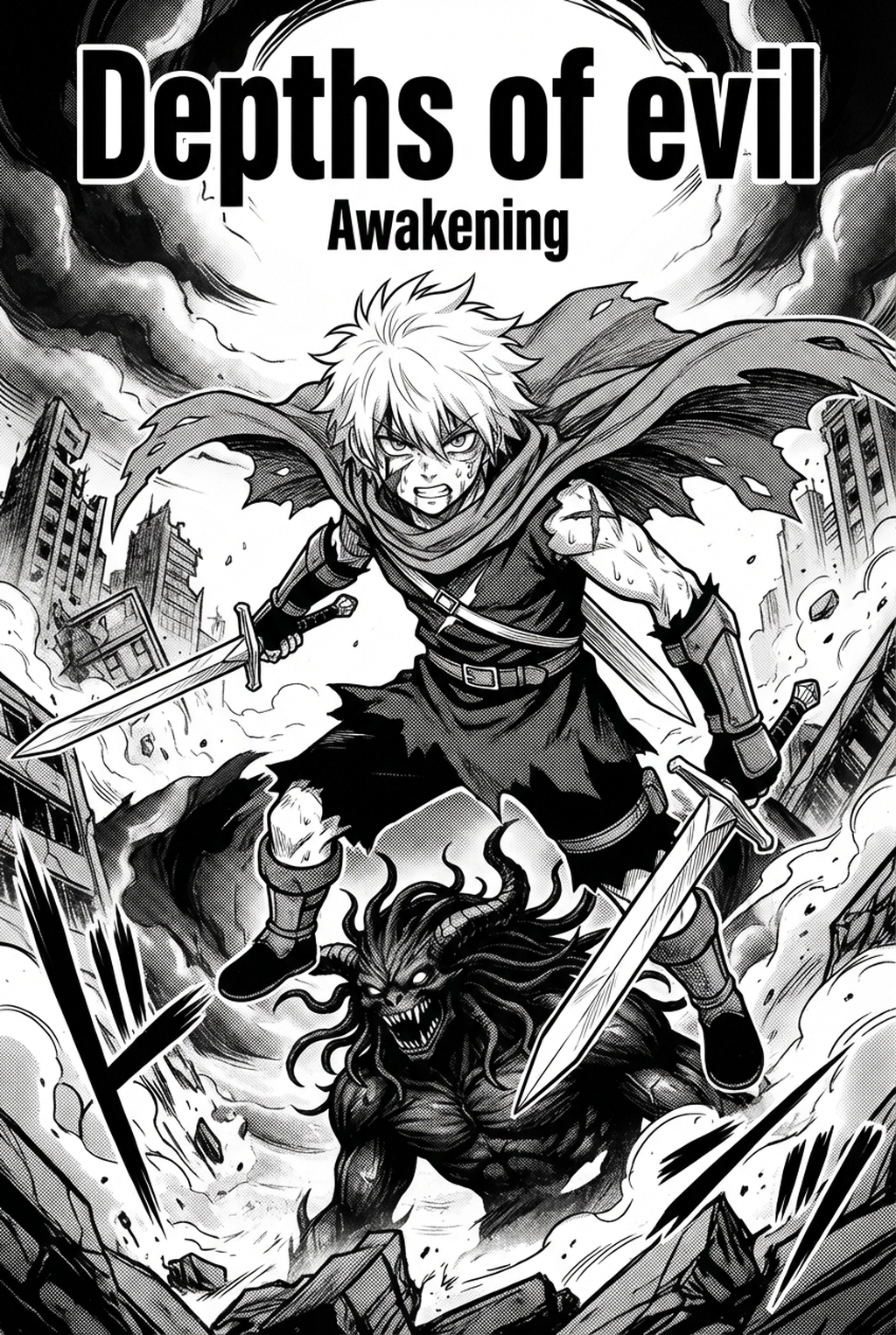
- Chapter cadence. Use the AI pass for pages where speed matters most, such as repeated action poses, transformation beats, or dense speed-line panels. Keep manual cleanup for hero panels where the line style defines the emotional peak.
- Character continuity. Compare the generated lines against the same model sheet, costume notes, and facial-expression range used during sketching. This prevents a fast inking pass from drifting away from the character identity readers recognize.
- Export readiness. Check whether the final manga output can move into lettering, coloring, or final layout without rebuilding panel borders or speech-bubble space. A good manga workflow should save time while keeping the next production step predictable.
How to Get Started with Mangaka
Getting started with professional-grade strips is now more accessible than ever, even if you lack a background in traditional inking. The standard orientation for traditional, print-based 4-koma is a strict vertical stack, but modern web-based creators often experiment with horizontal strips to better suit infinite-scroll layouts.
- Initial Drafting: Always start by defining your Ten" or twist; if the twist is weak, no amount of technical rendering will save the strip. * Coloring Efficiency: Modern tools can automatically apply shading and flat colors to your line art, which is particularly useful for web-based strips that benefit from high-contrast palettes. * Episodic Storytelling: Because you are not bound by long-term plot threads, treat every strip as a standalone unit, focusing on building an audience through high-frequency, consistent releases rather than complex lore.
Creators should compare the generated line art with the original sketch and confirm that facial expressions, props, speed lines, and speech-bubble space still support the scene. A repeatable review pass should cover character consistency, panel readability, background clarity, and whether the final file is ready for coloring, lettering, or editor feedback.
Creators should save approved examples of line weight, face detail, clothing folds, and background density. Those references keep later chapters closer to the intended style. For collaboration, creators should mark which panels are final and which panels still need redraws. Clear status labels prevent an assistant, editor, or colorist from polishing the wrong version.
The Bottom Line
The creator workflow format remains one of the most effective ways for new artists to build a dedicated audience through punchy, consistent, and highly readable storytelling. By integrating intelligent design tools into your creative workflow, you can lower the barrier to entry and focus your energy on narrative quality rather than manual layout constraints. Use the Mangaka 4-koma strip maker to generate your next comic sequence and maintain perfect character consistency throughout your work.
Related articles
Mastering Cooking Manga Art Style: A Creator's Guide 2026
AI-Assisted Manga Background Art: A Creator’s Guide 2026
Best AI Manga Colorist Tools: 2026 Comparison Guide