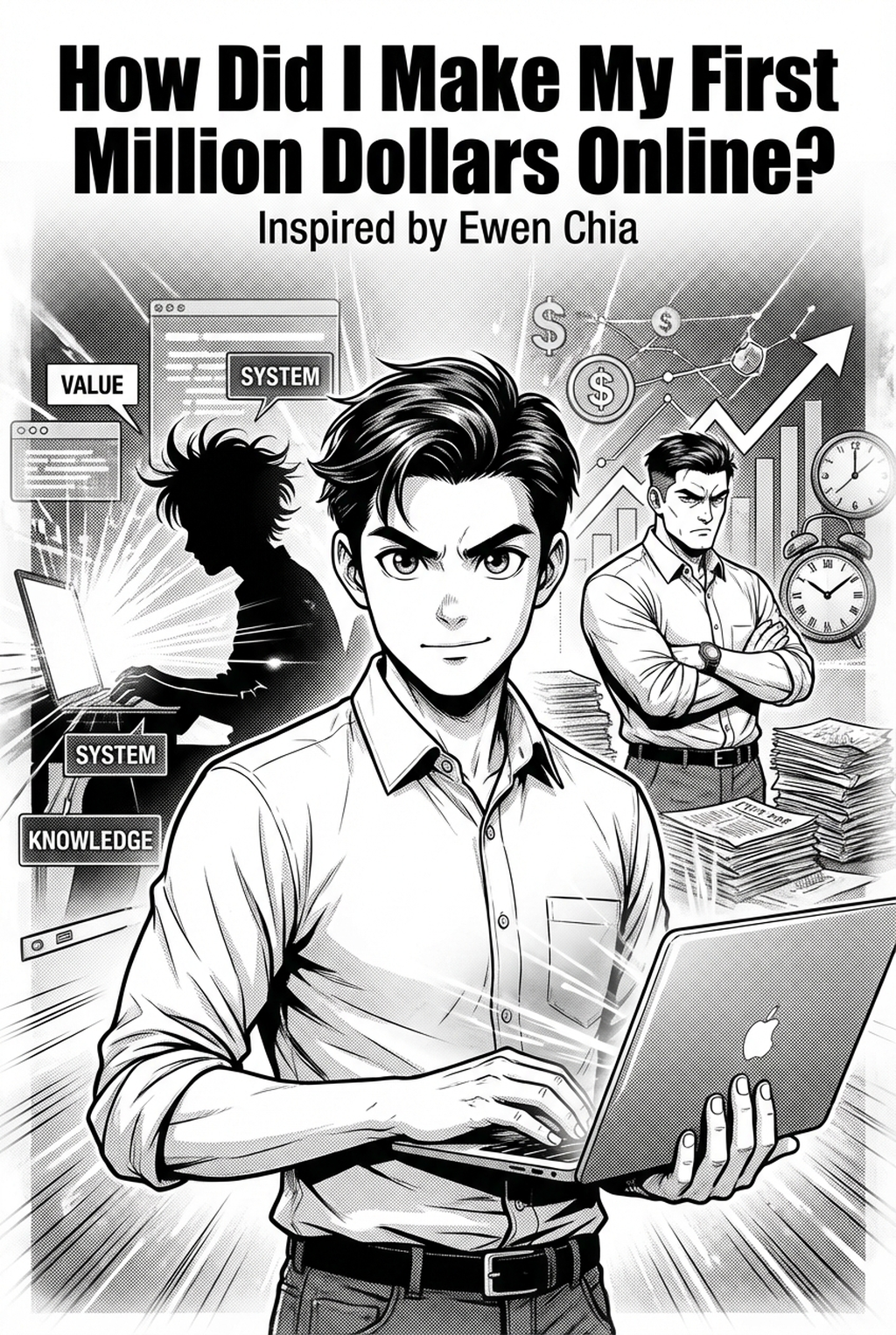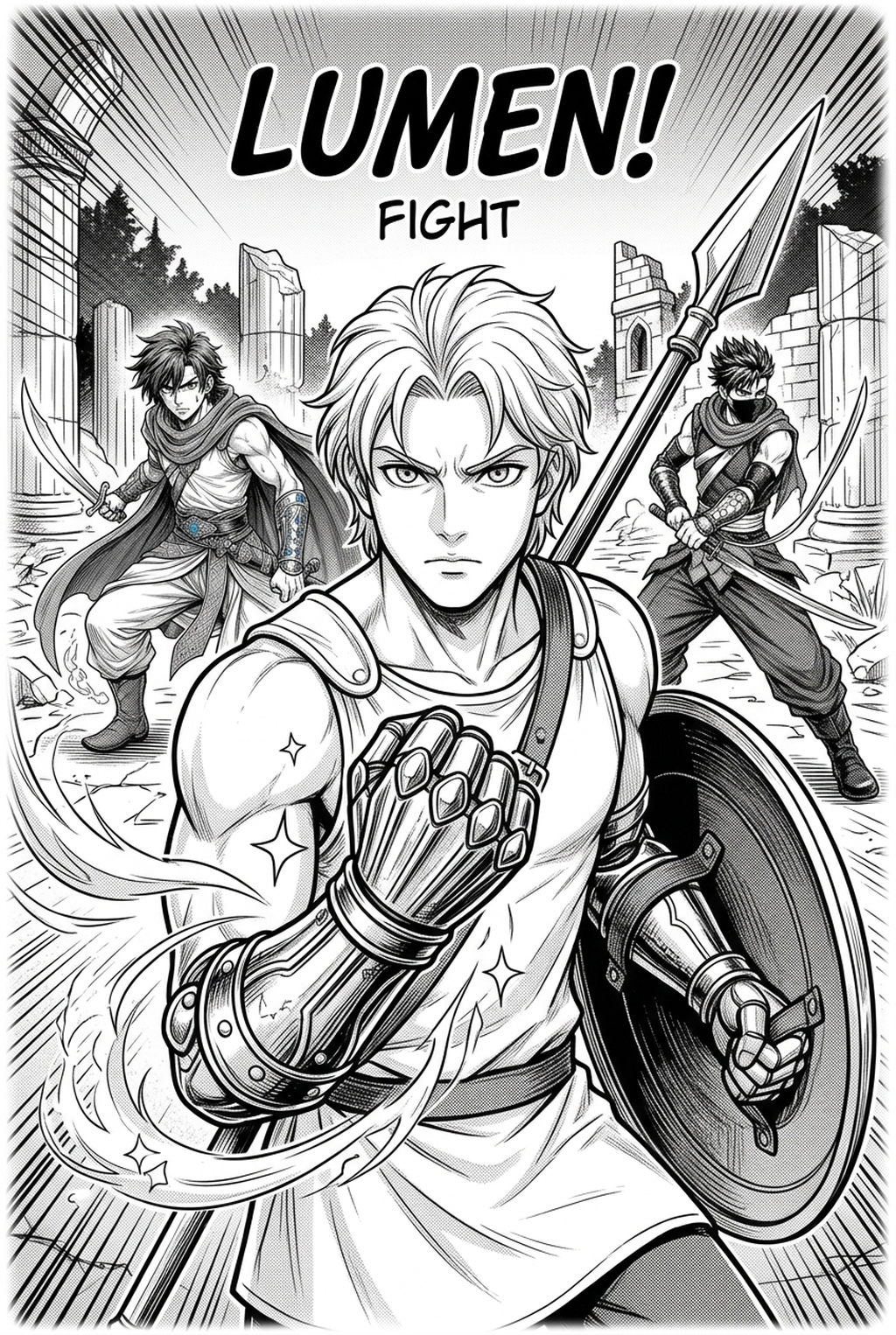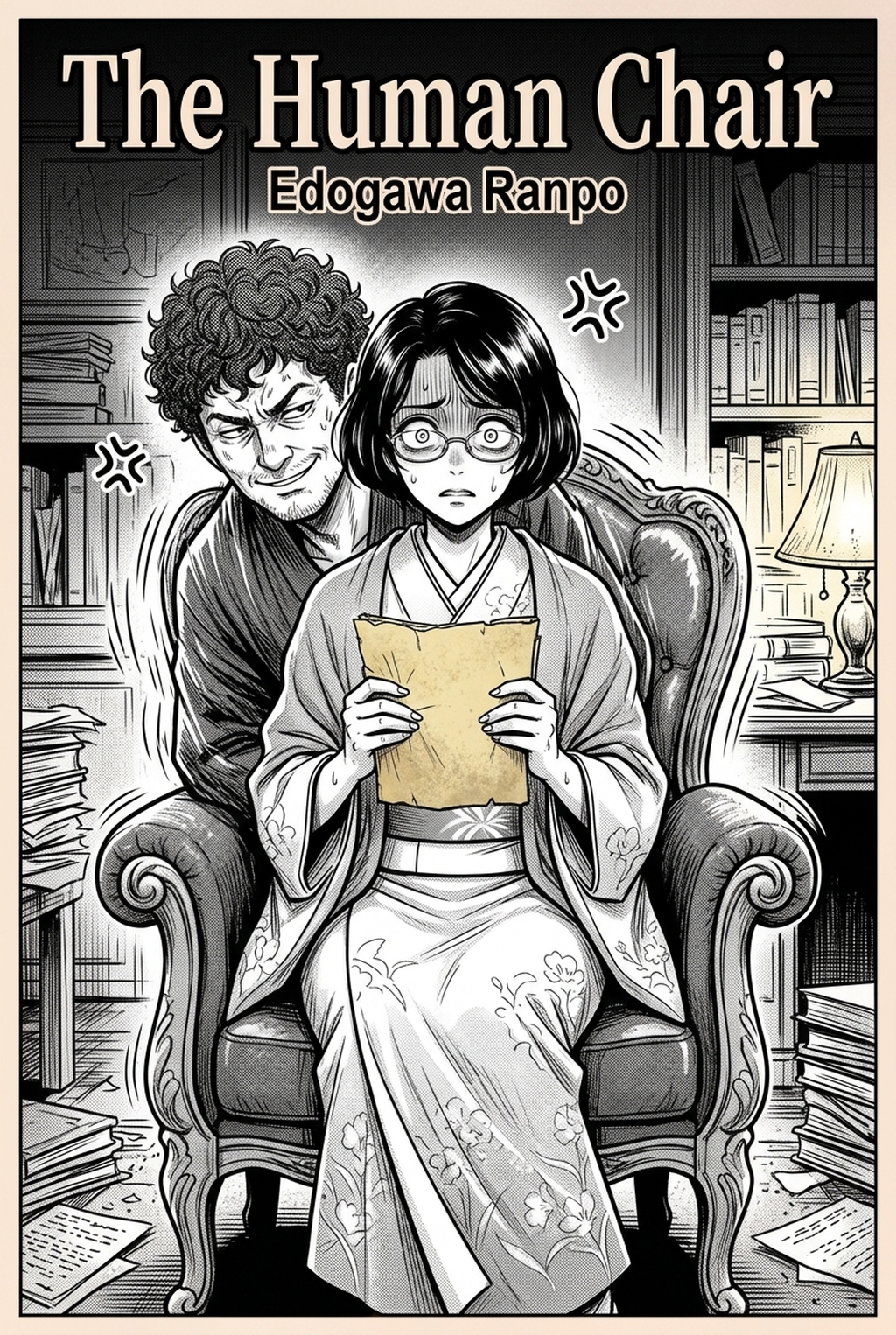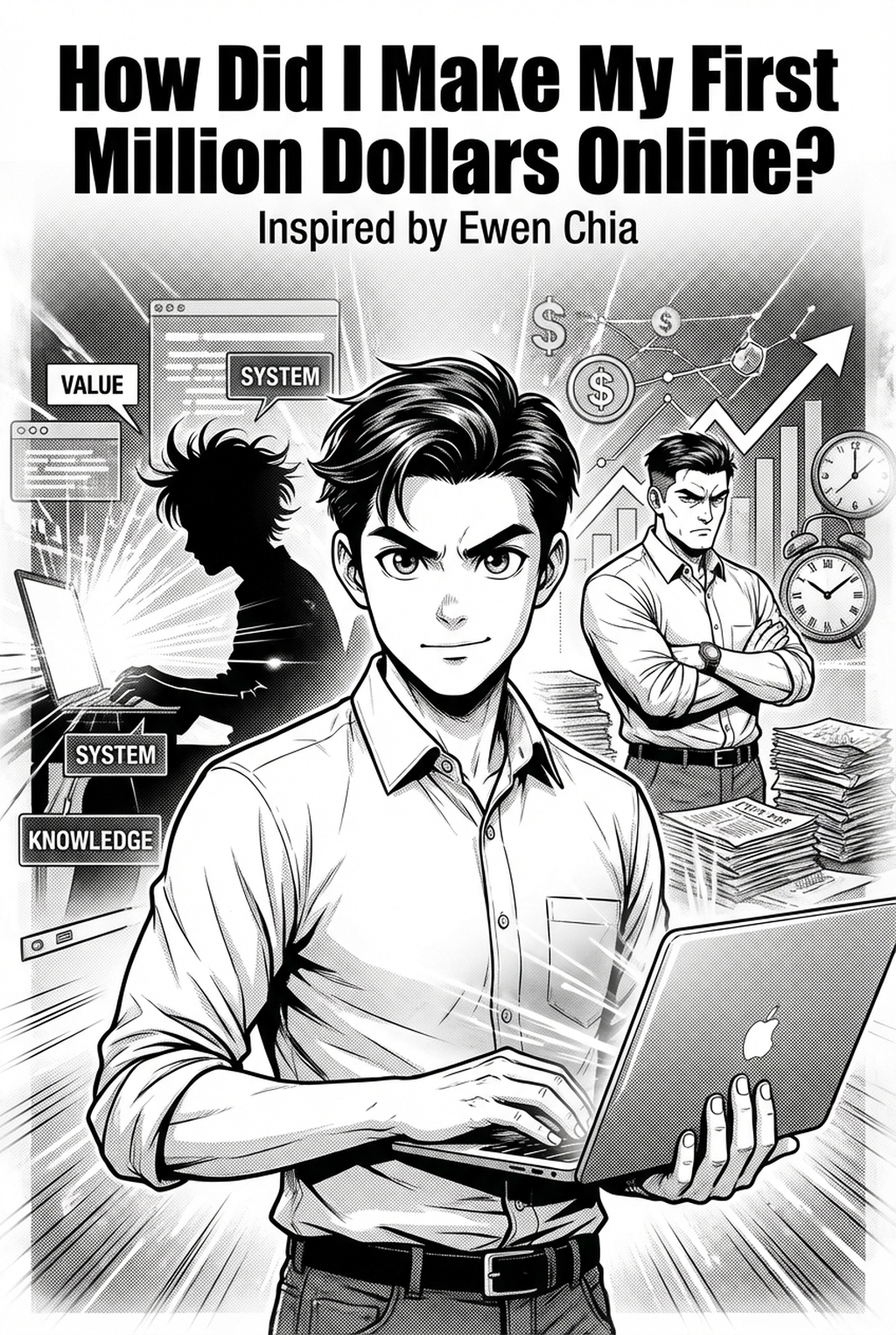
AI Manga Background Artist: Solving the Industry Production Bottleneck
Detailed background work is the primary cause of stalling for indie manga creators, often consuming 60-70% of total page production time. When you are forced to spend three days drafting a single, dense cityscape for a double-page spread, your capacity for character development and script refinement is significantly diminished.
The struggle to balance high-fidelity architectural details with essential character interaction limits the scope of world-building in episodic releases. Frequent hiatuses are often the result of this repetitive labor, which requires precision that is difficult to sustain on a weekly or bi-weekly cycle. Automating these environments allows you to:
- Reduce repetitive inking time: Delegate the labor-intensive architectural linework to your assistant tools. * Maintain release consistency: Ensure your publication schedule remains steady, even during high-dialogue or action-heavy chapters. * Scale complex scenes: Incorporate larger, more cinematic panel compositions without the fear of ballooning your production budget or time requirements.
Implementing the Production Workflow
The creation process begins with inputting a detailed scene description—known as the source context—that defines the specific perspective, time of day, and environmental clutter. Instead of drawing from scratch, you use these tools to generate base layouts that match your existing panel composition and technical ink-line terminology.
Once the initial generation is complete, the final step involves the review owner tweaking the AI output to harmonize lighting or add specific 'manual touch' signatures that match your character art. The output is then typically exported as a PSD or high-resolution PNG, allowing you to layer it directly under your character line art for final inking and lettering. If you need to adhere to specific contract clauses or ensure confidentiality in your production production process, using localized, high-performance tools provides better security than open-web solutions that may leak your storyboards.
Applications for Dense World-Building
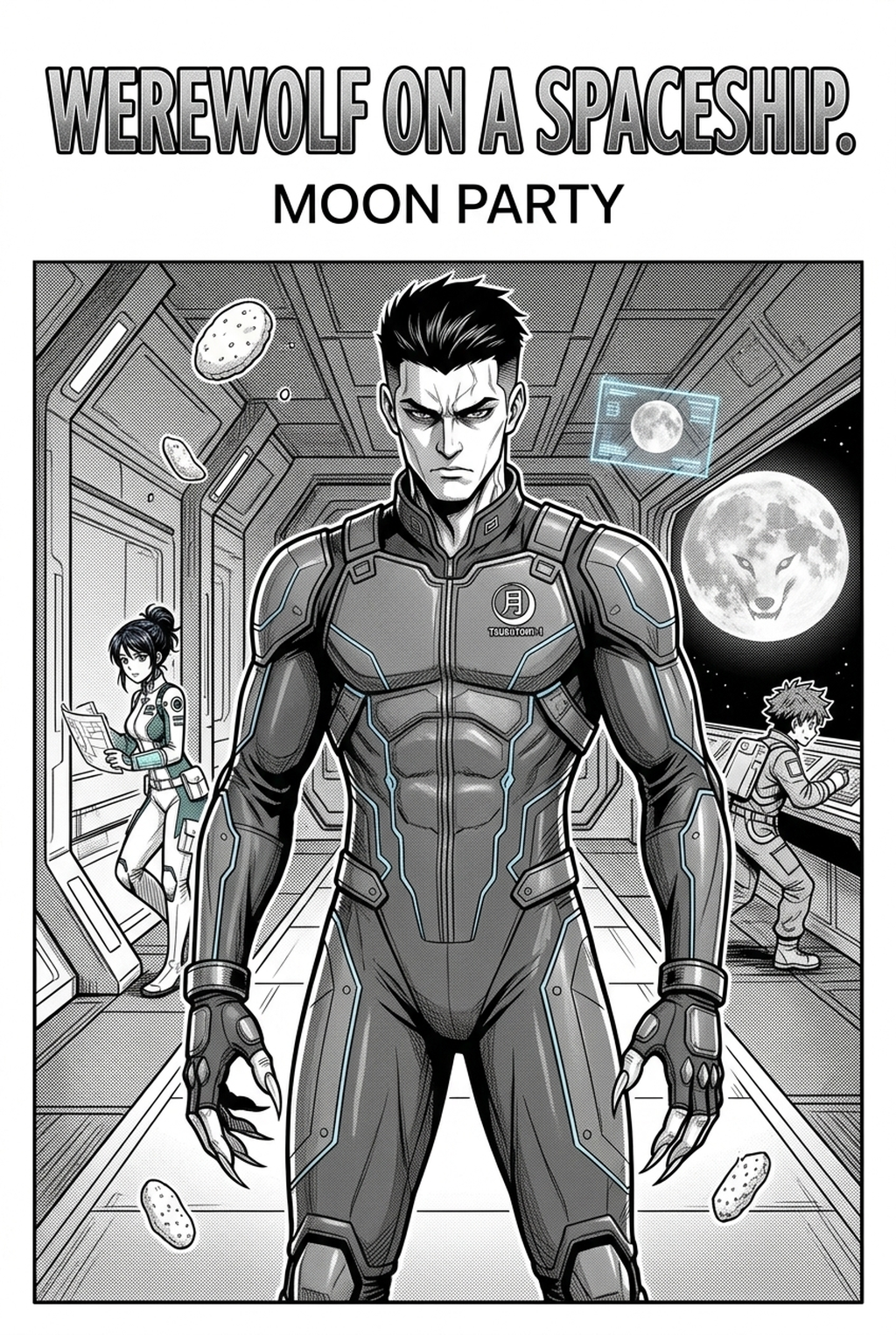
AI tools are most effective when applied to environments that require technical rigor and repetitive geometric patterns. The following use cases highlight how this technology serves your creative needs: This keeps the review focused on story intent, line weight, panel readability, and the export quality behind the final AI Manga Background Artist output.
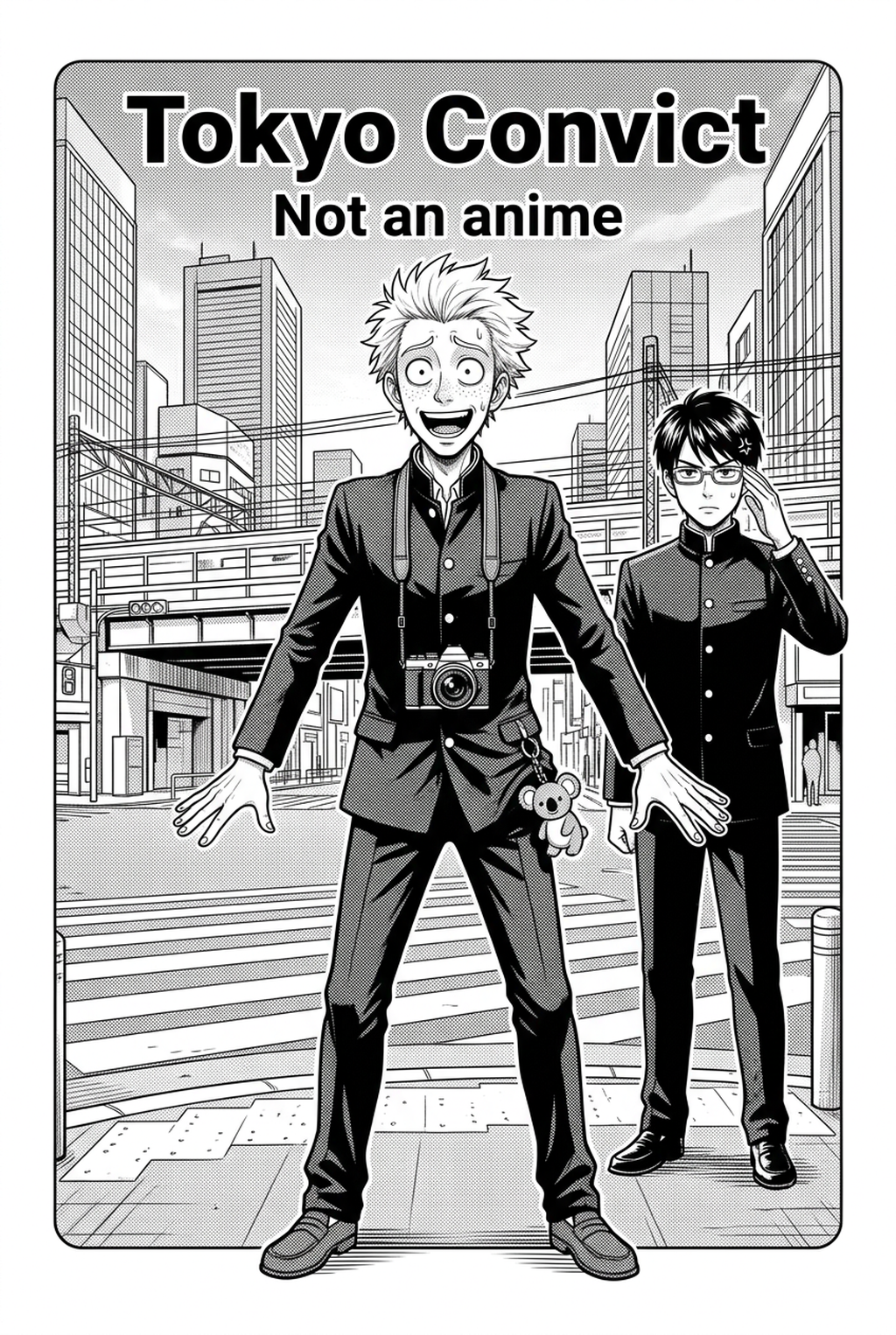
- Urban setting generation: Rapidly construct complex cityscapes and street scenes that would otherwise require manual drafting of thousands of window frames and power lines. * Interior spatial consistency: Maintain accurate room layouts across multiple chapters, ensuring that furniture placement and spatial geometry do not drift between panel angles. * Atmospheric mood iteration: Quickly test various weather conditions, lighting effects, and time-of-day settings to see which best enhances the emotional tone of a scene before committing to final inking.
Integrating New Tools into Your Process
When deciding to adopt a tool like AI-assisted manga background art with Mangaka , you must focus on whether the tool respects your specific aesthetic signature rather than imposing a generic look. A common concern is that the results will look "flat," but modern models allow for layer-based adjustments where you can manually tweak the ink intensity to match your traditional brushes.
Creative Brief and Source Input
Creative Brief and Source Input. Using AI for backgrounds does not replace your artistic intent; rather, it shifts your labor from drafting to creative direction. You remain the primary editor, approving each panel for readability and ensuring the composition supports the flow of the dialogue. By refining the output, you protect the 'manga feel' of your series while reclaiming hours of manual labor that would otherwise be spent on non-narrative elements.
- Before Export. Creators should compare the generated line art with the original sketch and confirm that facial expressions, props, speed lines, and speech-bubble space still support the scene. A repeatable review pass should cover character consistency, panel readability, background clarity, and whether the final file is ready for coloring, lettering, or editor feedback. - For Longer Projects. Creators should save approved examples of line weight, face detail, clothing folds, and background density. Those references keep later chapters closer to the intended style. For collaboration, creators should mark which panels are final and which panels still need redraws. Clear status labels prevent an assistant, editor, or colorist from polishing the wrong version. - For Publishing. Creators should review the page at the actual reading size before export. Small screens expose crowded dialogue, weak silhouettes, and line details that looked fine while zoomed in. Creators can use each revision decision to clarify panel readability, character consistency, and export quality before publishing or sharing.
Generation Review and Export
Creators should compare the generated line art with the original sketch and confirm that facial expressions, props, speed lines, and speech-bubble space still support the scene. This keeps the review focused on story intent, line weight, panel readability, and the export quality behind the final AI Manga Background Artist output.
A repeatable review pass should cover character consistency, panel readability, background clarity, and whether the final file is ready for coloring, lettering, or editor feedback. For longer projects, creators should save approved examples of line weight, face detail, clothing folds, and background density. Those references keep later chapters closer to the intended style. For collaboration, creators should mark which panels are final and which panels still need redraws. Clear status labels prevent an assistant, editor, or colorist from polishing the wrong version.
The Bottom Line
AI-assisted background creation has moved past the experimental phase and is now a critical tool for maintaining a competitive, sustainable weekly release schedule. By offloading the mechanical burden of architectural drafting to an automated assistant, you reclaim your focus for character development and storytelling. If you are ready to modernize your production cycle while keeping your unique artistic voice intact, AI-assisted manga background art to see how these automated workflows can sustain your long-term serial production.
Related articles
Best AI Manga Colorist Tools: 2026 Comparison Guide
4-Koma Manga Creation: A Guide to Mastering Short Stories
What Is 4-Koma Manga? A Beginner’s Guide to 2026 Art