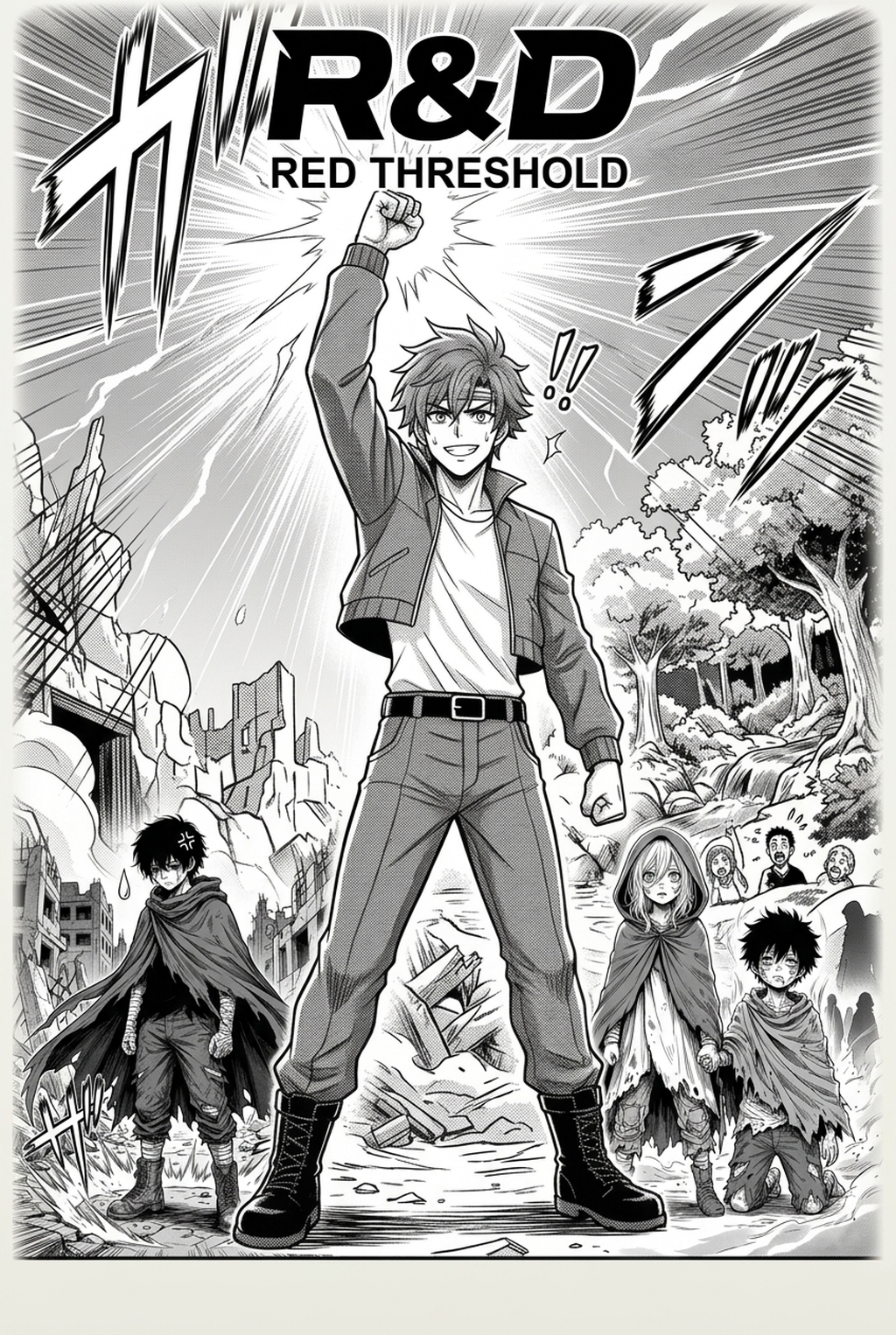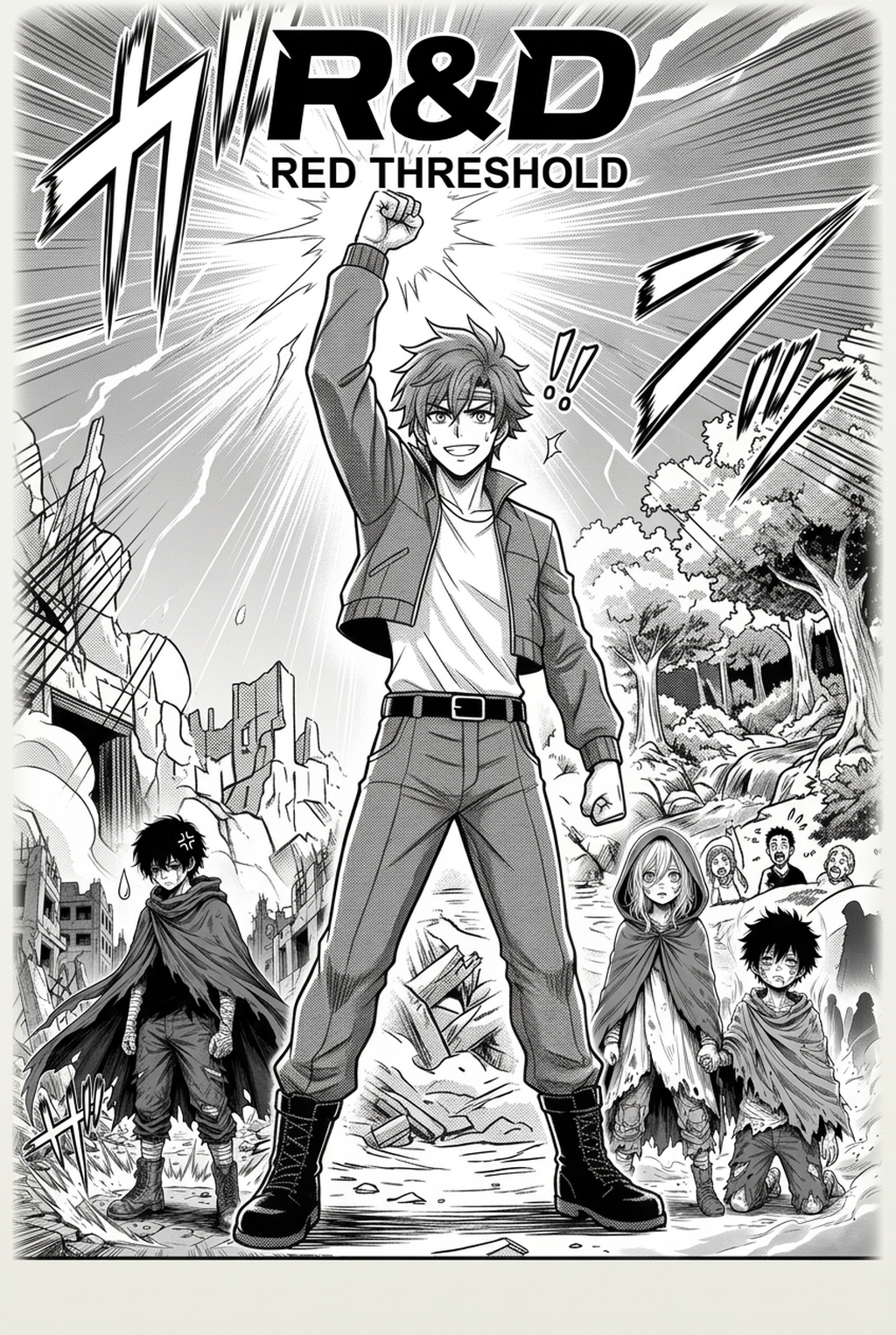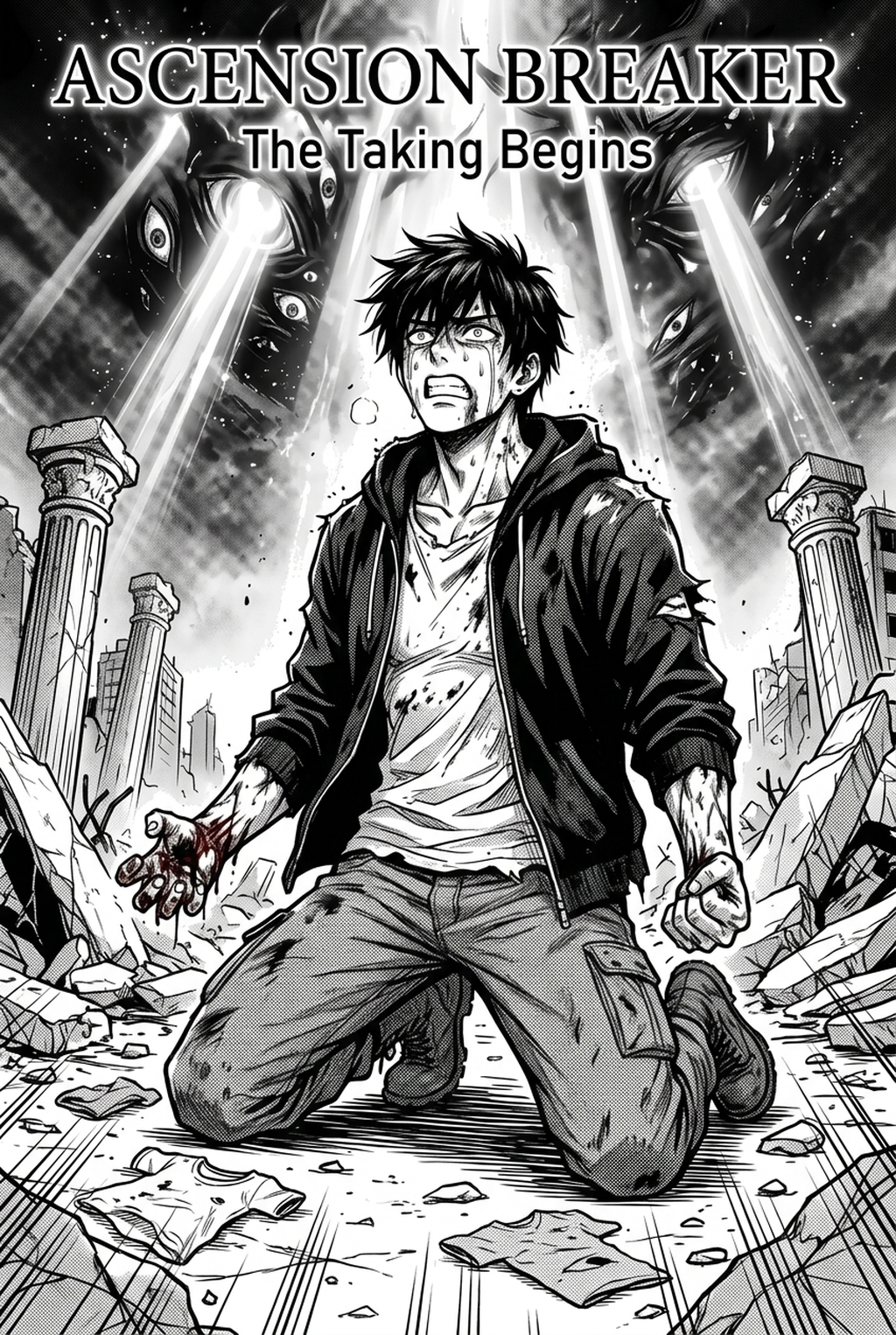
Essential Framing and Narrative Pacing
A manga storyboard serves as the fundamental structural blueprint for a chapter, emphasizing the rhythmic distribution of panels rather than aesthetic minutiae. It functions as a visual roadmap that guides the reader’s eye across the page in a deliberate, logical, and right-to-left flow.
Professional artists utilize this stage to balance gutter spacing with the intensity of dialogue to regulate the reader’s perception of time. For example, a tight sequence of small, narrow panels can accelerate the feeling of a high-speed chase, whereas a single, wide, full-page bleed provides a necessary "breath" that emphasizes the emotional weight of a character's realization. If you ignore the gutter weight, your action-heavy sequences will often lose their kinetic impact, turning a visceral fight into a confusing jumble of lines.
Importance of Structural Flow for Creators
Effective panel arrangement functions as a cinematic tool, dictating exactly when a reader should pause for a dramatic reveal or speed through a combat transition. Strategic layout decisions prevent visual fatigue by ensuring that primary characters remain distinct from background architecture, even during chaotic Shonen-style brawl panels.
By planning your layouts early, you anticipate the emotional payload of a spread, placing your most significant visual "punch" exactly where the eye lands after traversing a series of smaller, setup panels. This foresight prevents the common mistake of overcrowding a page, which is a frequent cause of poor engagement metrics in serialized publications. When you treat the storyboard as a high-fidelity planning document, you eliminate the risk of discovering that your speech bubbles are blocking essential visual storytelling after the inking is already complete.
Automated Frameworks with Mangaka
Mangaka streamlines the technical constraints of framing, allowing you to prioritize the narrative arc over manual measurement tasks. By using an AI storyboard builder, you offload the complex geometry of panel positioning while maintaining full creative control over the final output.
The system utilizes intelligent composition algorithms to propose layouts that adhere to industry-standard reading flow principles. If you are struggling with a complex action sequence, the tool can suggest variations that maximize the "readability" of each panel, ensuring that your final exported PNG or PSD file requires minimal adjustment before you begin your line-art stage.
| Feature | Manual Sketching | AI-Assisted Builder |
|---|---|---|
| Panel Arrangement | Manual measurement | Auto-proportional layout |
| Pacing Control | Trial and error | Algorithmic spacing logic |
| Export Format | Hand-drawn scan | Layered [PSD/PNG] files |
- Algorithmic Panel Spacing: By delegating the grid-math, you prevent the common "line-weight drift" that occurs when panels are manually drawn at inconsistent scales throughout a chapter. * Composition Speed: Instead of spending hours defining the page geometry, you can iterate through five different layout variations for a single page in under ten minutes. * Narrative Focus: Since the tool handles the "visual skeleton," you stay focused on character expressions and script-to-panel translation rather than measuring gutter distances.
Visit manga storyboard with Mangaka to test how automated framing improves your creative rhythm and keeps your chapter delivery on schedule. This keeps the review focused on story intent, line weight, panel readability, and the export quality behind the final AI Manga Storyboard Builder output.
Addressing Common Workflow Bottlenecks
Solo creators frequently encounter "layout fatigue," a state where the sheer labor of sketching dozens of panel versions leads to lower creative output. Maintaining consistent perspective and depth across a twenty-page chapter requires significant technical overhead that often distracts from the core character-driven storytelling.
Integrating an AI-assisted storyboard stage ensures that the writer's source script is translated into precise visual geometry before any ink touches the paper. This workflow keeps your focus on the emotional stakes of the scene rather than the technical burden of "ruler-and-pen" geometry. When you use a digital framework to define your panels, you reduce the probability of misaligned speech bubbles that often clutter the final page, ensuring that the dialogue serves the story rather than masking the art.
Getting Started with Professional Frameworks
Many creators assume that AI tools require a total departure from traditional drawing techniques, but the reality is that the technology is designed to integrate into your existing studio setup. You maintain your creative direction while the software handles the repetitive, rigid aspects of building the page.
- Genre-Specific Logic: Advanced builders apply different composition rules for genres like Seinen or Shonen, ensuring that your layout matches the expected level of grit or kinetic speed for your specific target audience. * Creative Customization: The frameworks provided act as a high-quality baseline, which you can modify or manually overwrite to suit your specific artistic vision for a scene. * Artist Requirements: You do not need to be a coding expert or a technical drafter; if you have a clear script and a vision for the page's "beat," the software translates those intent inputs into professional-grade panel blocks.
Creators should compare the generated line art with the original sketch and confirm that facial expressions, props, speed lines, and speech-bubble space still support the scene. A repeatable review pass should cover character consistency, panel readability, background clarity, and whether the final file is ready for coloring, lettering, or editor feedback.
The Bottom Line
The AI AI Manga Storyboard Builder workflow Builder workflow is the most critical stage for narrative success, transforming a raw, text-based script into a readable, impactful, and visually engaging sequence of panels. While traditional, paper-based methods remain valid for some, leveraging modern tools allows independent creators to scale their output significantly without sacrificing professional quality. If you want to optimize your production process and ensure that every page lands with the intended impact, manga storyboard .
Related articles
Manga Storyboard Guide: Master Narrative Flow and Layouts
Manga Storyboard Guide: How to Plan Your Pacing Like a Pro
How to Create a Shounen Manga Storyboard for Action Scenes