AI 4-Koma Strip Maker: Production Workflow with Mangaka
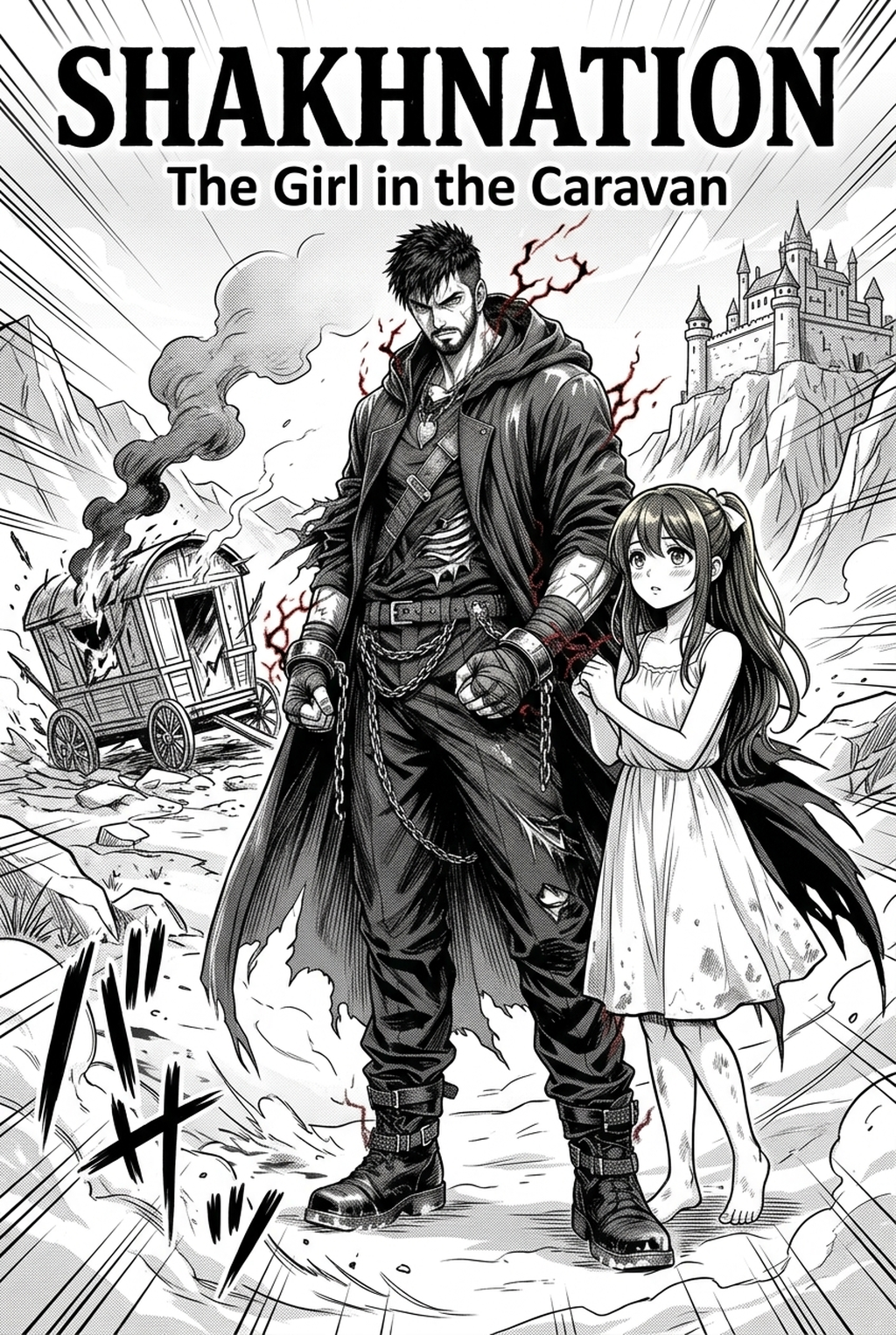
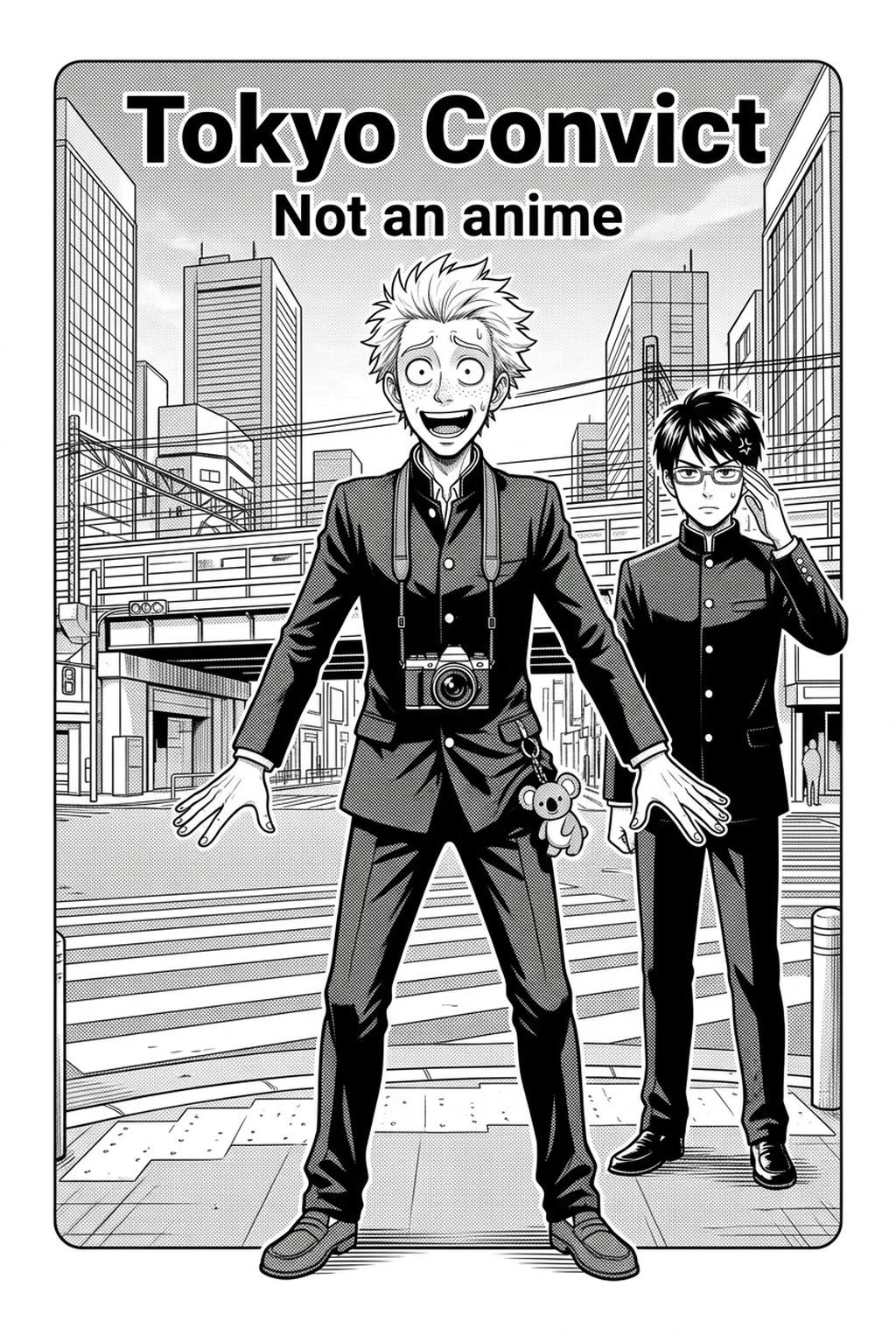
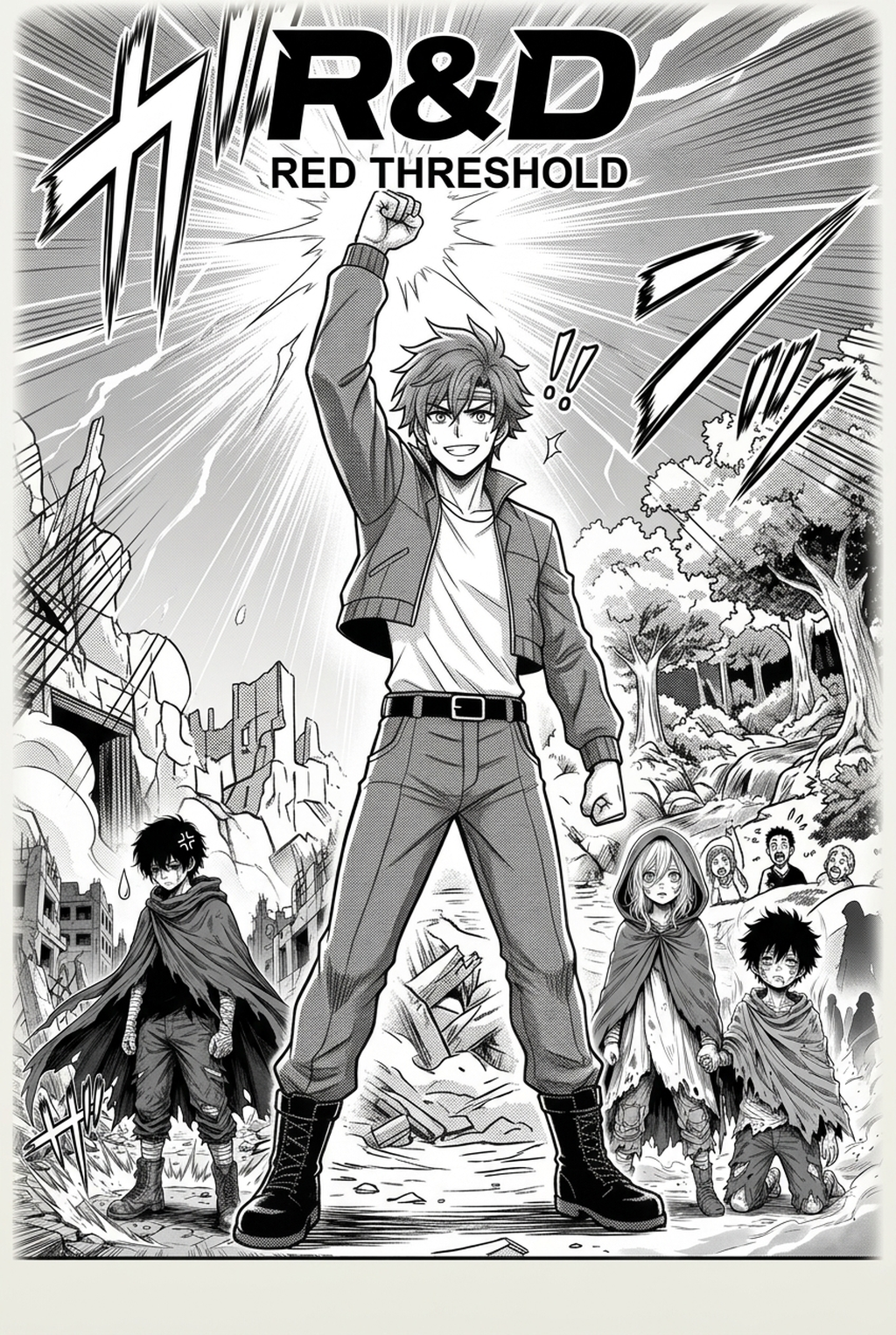
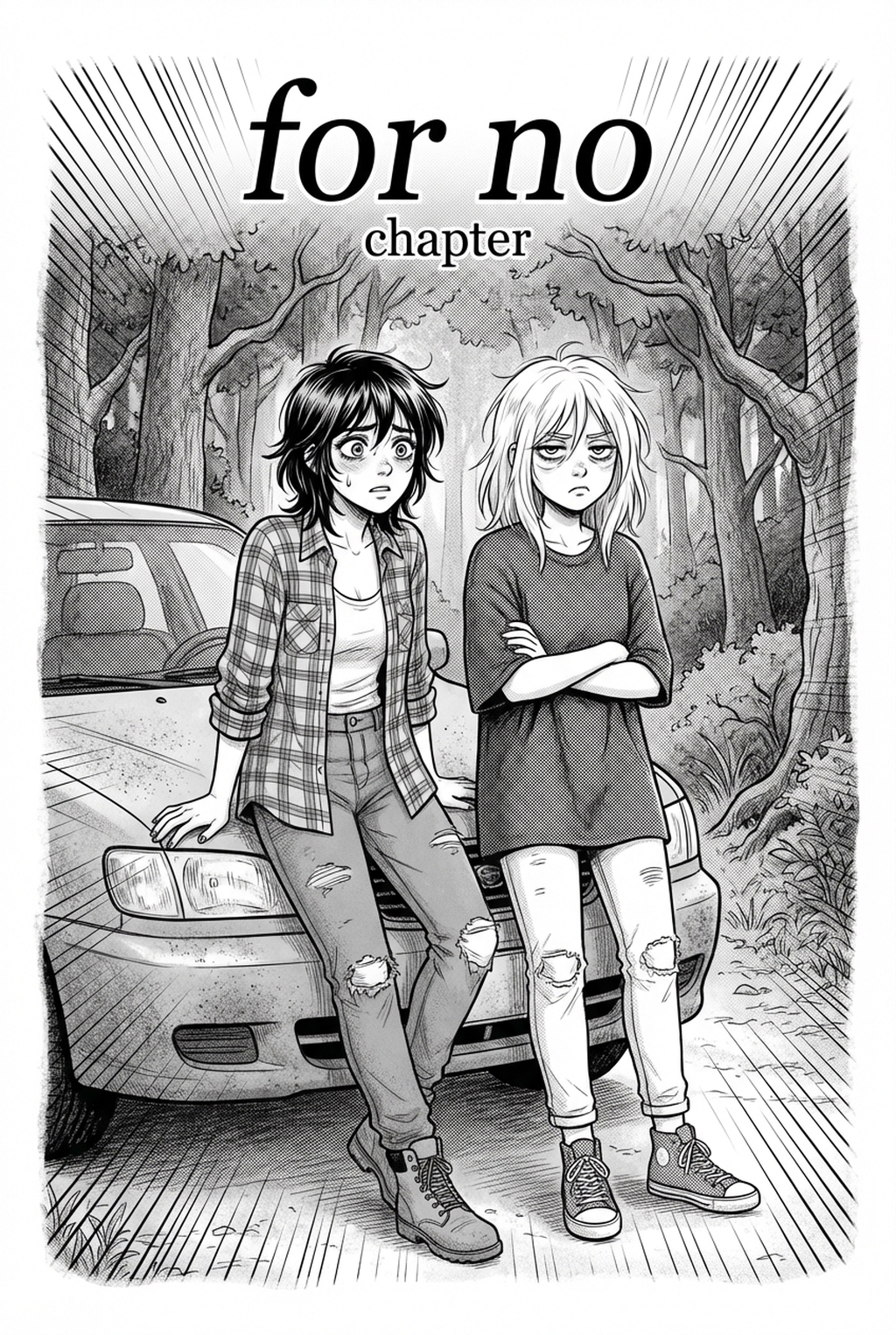
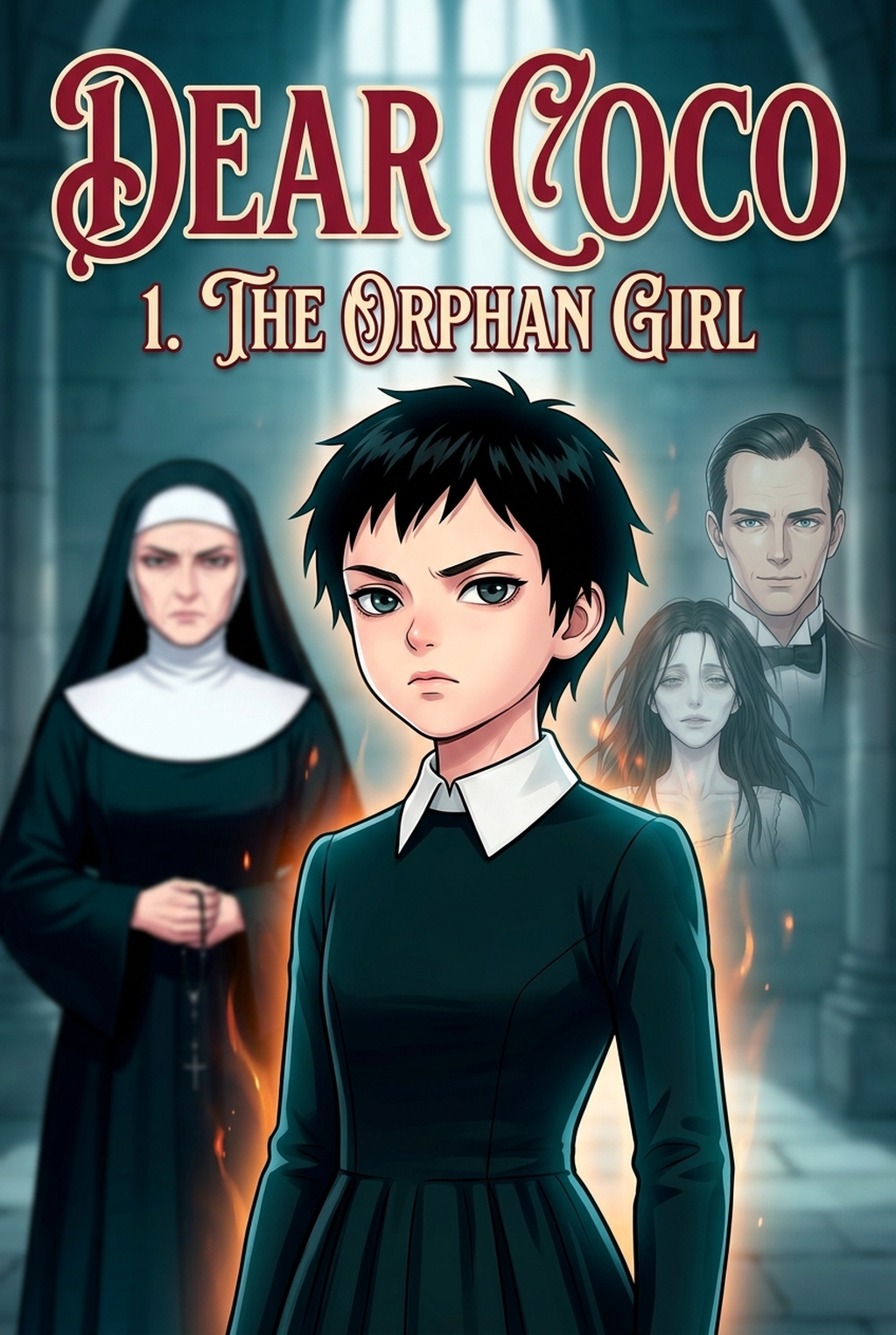
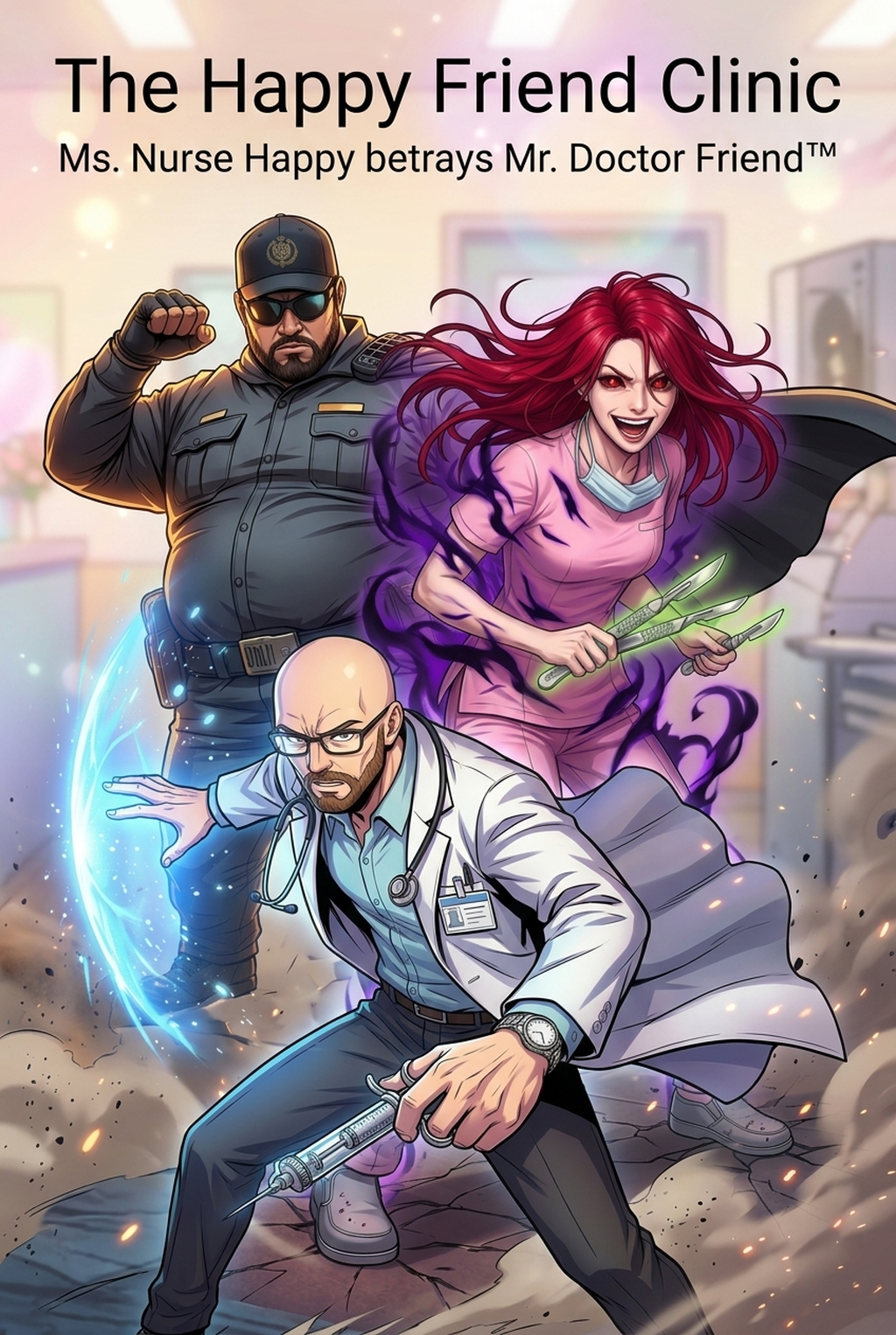
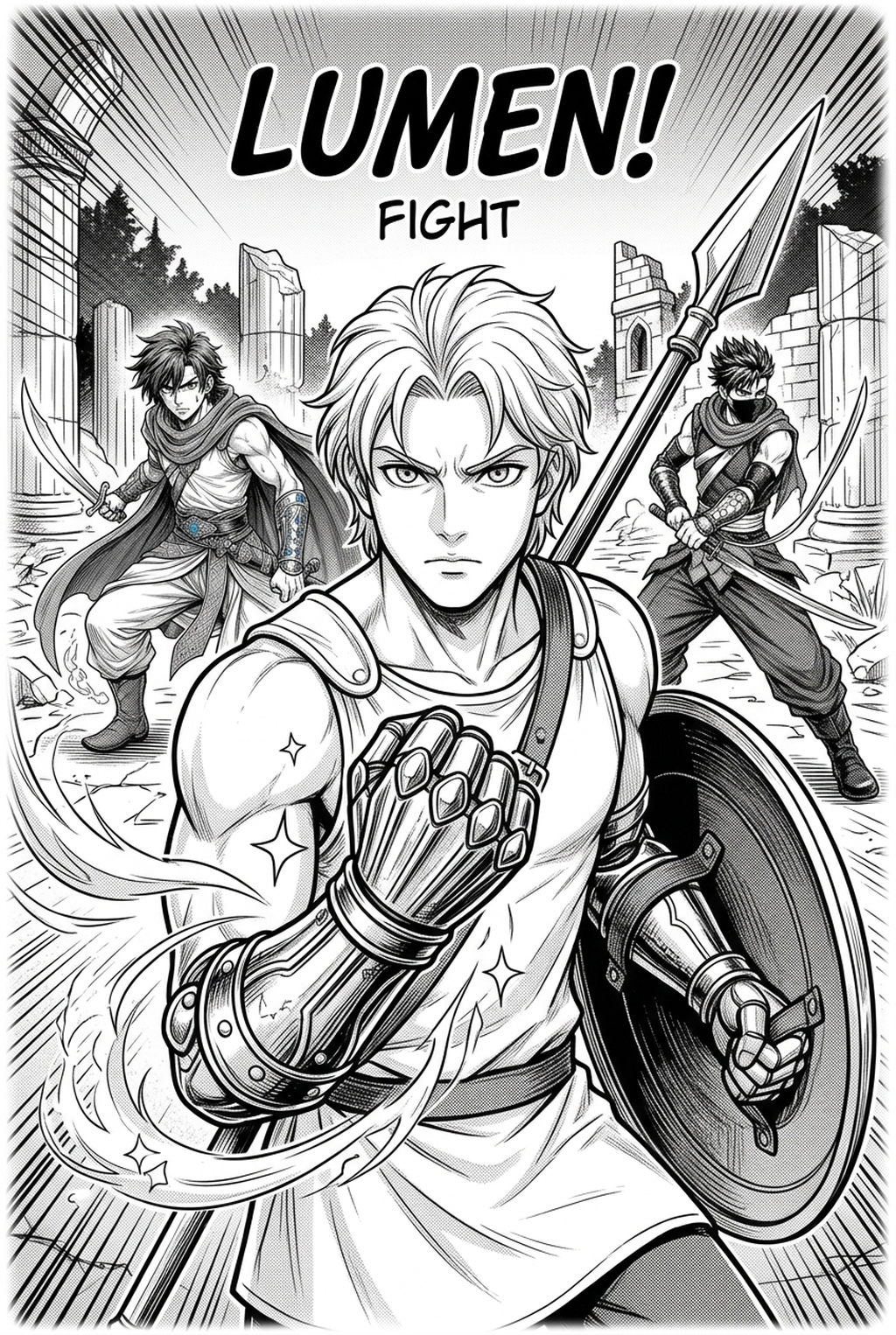
AI tools like the Mangaka 4-Koma Strip Maker allow you to bridge the gap between a written script and a high-fidelity visual asset. Instead of spending hours mapping out grid alignment or wrestling with speech-bubble clearance, you can input your core concept and receive a polished storyboard that adheres to your established style.
- Automated Layout: The engine calculates optimal panel gutters and speech-bubble placement based on your character count and text density, preventing the common failure mode of cramped or illegible dialogue.
- Visual Consistency: By utilizing a character reference, the tool mitigates the risk of line-weight drift or proportional errors that often plague hand-drawn panels when drawn over an extended period.
- Technical Export: Final outputs are generated in high-resolution formats compatible with common platforms, ensuring your line art remains crisp and your colors don't suffer from compression artifacts during the 4-koma manga with Mangaka .
If you are drafting a strip about a character attempting a new hobby, you simply input the punchline regarding their failure. The tool then handles the sequence, ensuring the characters remain identical in appearance across the transition from Ki to Ketsu, effectively removing the technical friction that often halts production for solo artists.
Adapting 4-Koma for Various Narrative Styles
While the format is predominantly associated with comedy, its rigid structure is an ideal laboratory for slice-of-life storytelling and character-driven drama. The key distinction between long-form manga and this shorter format is the "self-contained" nature of the episode.
| Feature | Long-form Manga | AI 4-Koma Strip Maker workflow |
|---|---|---|
| Narrative Arc | Extended / Serialized | Episodic / Self-contained |
| Panel Count | Unrestricted / Page-based | Strictly Four Panels |
| Primary Goal | Deep world-building | Punchline or emotional vignette |
Contrary to some criticisms that AI automation reduces artistic intent, these tools function as an extension of the writer's vision. You remain in total control of the script and the stylistic source, while the tool automates the "assembly-line" tasks—such as re-inking or aligning panels—that offer zero creative satisfaction. Using automation does not change your voice; it merely clears the technical roadblocks that prevent that voice from reaching an audience.
Mastering the Digital Market
The 4-koma format remains the most accessible entry point for new creators looking to carve out a niche in a crowded digital landscape. By mastering the rhythm of the four-panel turn, you create a cadence that keeps readers coming back for the next installment. Creative Decisions and Export Quality. Creative Decisions and Export Quality.
- Leverage Constraints: Do not try to stuff complex lore into the four panels; instead, use the space to reinforce your character's quirks and personality traits. * Focus on Delivery: Spend your effort refining the Ten" panel, as the success of the entire strip rests on the effectiveness of that singular, unexpected turn. * Iterate Quickly: Use your production speed to test different themes or recurring jokes, letting the audience’s engagement data guide your long-term thematic direction.
Dedication to this specific format allows for a sustainable workflow that rewards consistency over sporadic, high-effort updates. You define the narrative voice, and by leveraging modern automated design tools, you ensure the technical execution always matches the quality of your ideas.
- Before Export. Creators should compare the generated line art with the original sketch and confirm that facial expressions, props, speed lines, and speech-bubble space still support the scene. A repeatable review pass should cover character consistency, panel readability, background clarity, and whether the final file is ready for coloring, lettering, or editor feedback. - For Longer Projects. Creators should save approved examples of line weight, face detail, clothing folds, and background density. Those references keep later chapters closer to the intended style. For collaboration, creators should mark which panels are final and which panels still need redraws. Clear status labels prevent an assistant, editor, or colorist from polishing the wrong version. - For Publishing. Creators should review the page at the actual reading size before export. Small screens expose crowded dialogue, weak silhouettes, and line details that looked fine while zoomed in. For style control, creators should keep a short reference board beside the draft and compare hair shapes, eye details, costume folds, and texture choices before approving the final page.
- Before Export. Creators should compare the generated line art with the original sketch and confirm that facial expressions, props, speed lines, and speech-bubble space still support the scene. A repeatable review pass should cover character consistency, panel readability, background clarity, and whether the final file is ready for coloring, lettering, or editor feedback.
- For Longer Projects. Creators should save approved examples of line weight, face detail, clothing folds, and background density. Those references keep later chapters closer to the intended style. For collaboration, creators should mark which panels are final and which panels still need redraws. Clear status labels prevent an assistant, editor, or colorist from polishing the wrong version.
- For Publishing. Creators should review the page at the actual reading size before export. Small screens expose crowded dialogue, weak silhouettes, and line details that looked fine while zoomed in. For style control, creators should keep a short reference board beside the draft and compare hair shapes, eye details, costume folds, and texture choices before approving the final page.
The Bottom Line
Mastering the balance of the four-panel structure is your most reliable path toward building a consistent, engaged reader base. By utilizing 4-koma manga to handle the technical assembly of your storyboards and inking, you can focus entirely on the comedic timing and narrative voice that make your work stand out.
Related articles
Manga Storyboard: Mastering Narrative Flow and Layouts 2026
How to Build a Science Club Manga Storyboard Successfully
What Is 4-Koma Manga? A Guide to the 4-Panel Storytelling