What Is AI Manga Background Artist for Shonen Manga?
Reader expectations should shape how creators review pacing, expression, and genre clarity after generation. MyAnimeList manga news keeps that audience context visible, so Shonen pages should be judged by whether readers can follow the action, character role, and visual rhythm.
The Anime News Network feature on how manga is made describes manga as staged work from rough draft to finished page. That production context matters for Shonen creators because AI assistance is useful only when the sketch, inking pass, and final page review stay connected.
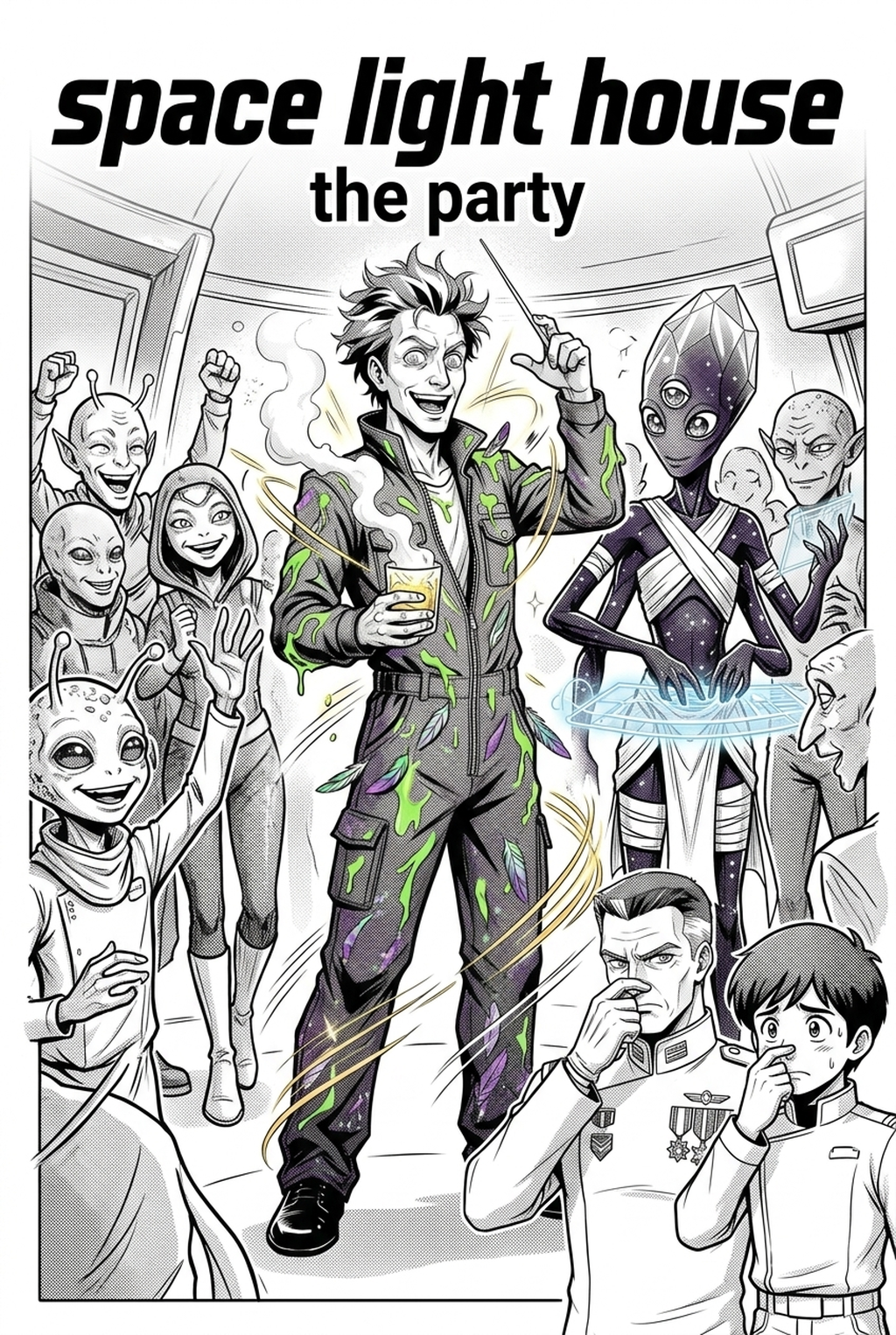
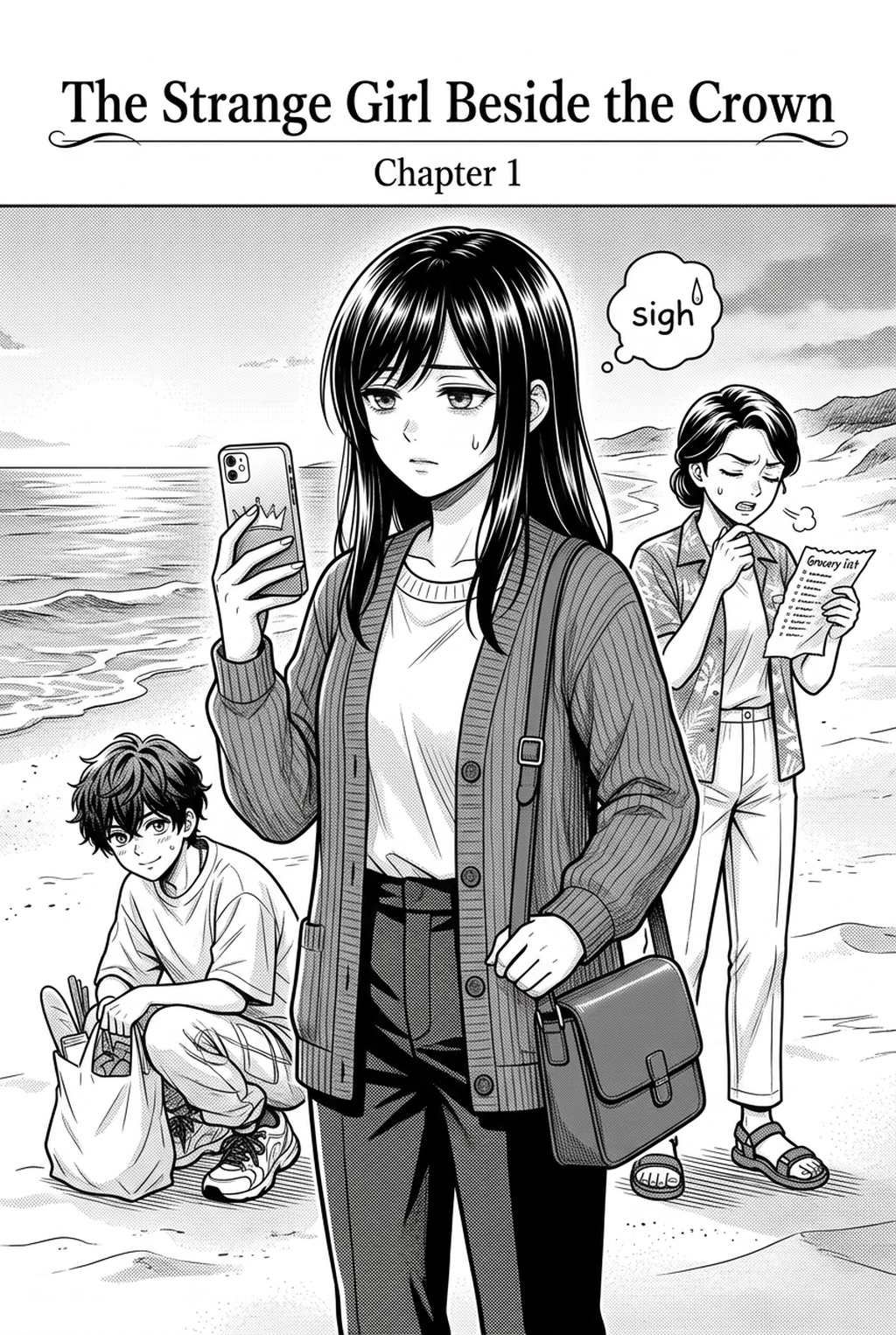
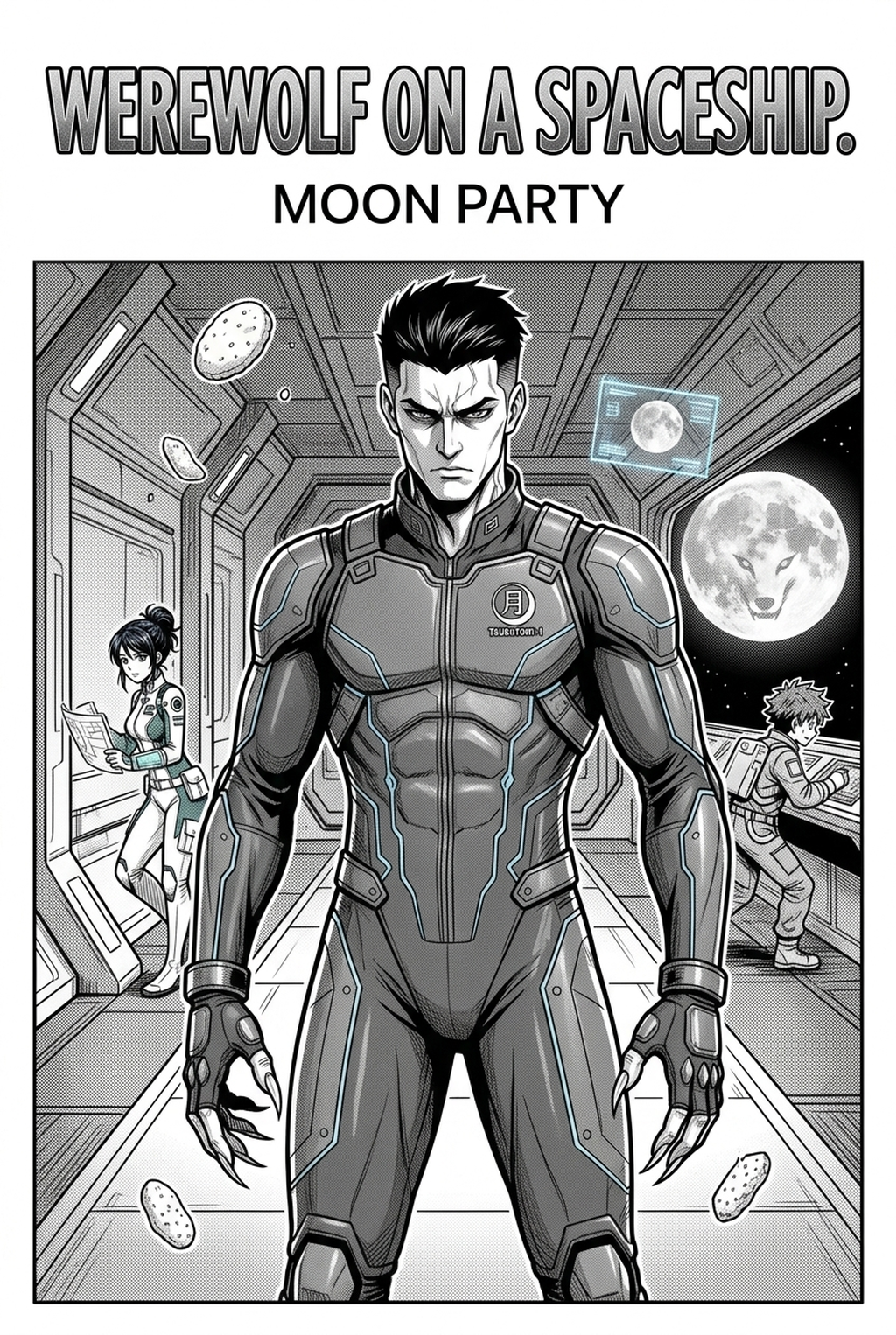
A useful manga workflow ties setup, review responsibility, and export conditions to the page a creator needs to finish. That keeps the decision focused on sketch cleanup, character intent, panel readability, and the publishing handoff. An AI manga background artist is a specialized generative tool designed to interpret narrative scene descriptions and output high-quality, perspectively correct environments in a manga-specific aesthetic. By training on established visual language—such as halftone patterns, clean line weights, and dramatic atmospheric lighting—these tools eliminate the need for manual 3D modeling or exhaustive background sketching.
Why AI Manga Background Artist Matters for Shonen in 2026
How AI Manga Background Artist Works for Shonen in Full Color Manga
Your workflow evolves from manual sketching to intelligent curation when using AI-driven background generation. The process centers on turning your script’s environmental cues into visual reality while maintaining stylistic cohesion across chapters. 1. Scene Analysis: Break down your page into character action and environmental needs. 2. "
- Refinement: Adjust the composition or lighting settings to ensure the background complements your character layers. 4. Integration: Export the result as a layer to composite with your ink and color character work. Consistency is the hallmark of a professional Shonen series. To avoid visual jarring, focus on setting a unified "artistic mood" across all generated backgrounds. You must ensure the line weight of your AI-generated architecture matches your character ink lines. Utilizing specialized tools that offer consistent stylistic filters is essential to prevent your backgrounds from looking like disparate images pasted into a comic.
Use Cases for AI Manga Background Artist
Use cases are strongest when the story goal, genre expectation, visual risk, and final export format are clear. A useful example names the page detail a creator checks before the page moves into lettering, coloring, or publishing. Creators are finding unique ways to apply these tools to solve long-standing production hurdles in the Shonen genre. You can utilize this technology to maintain a steady flow of content regardless of the complexity of your scenes.
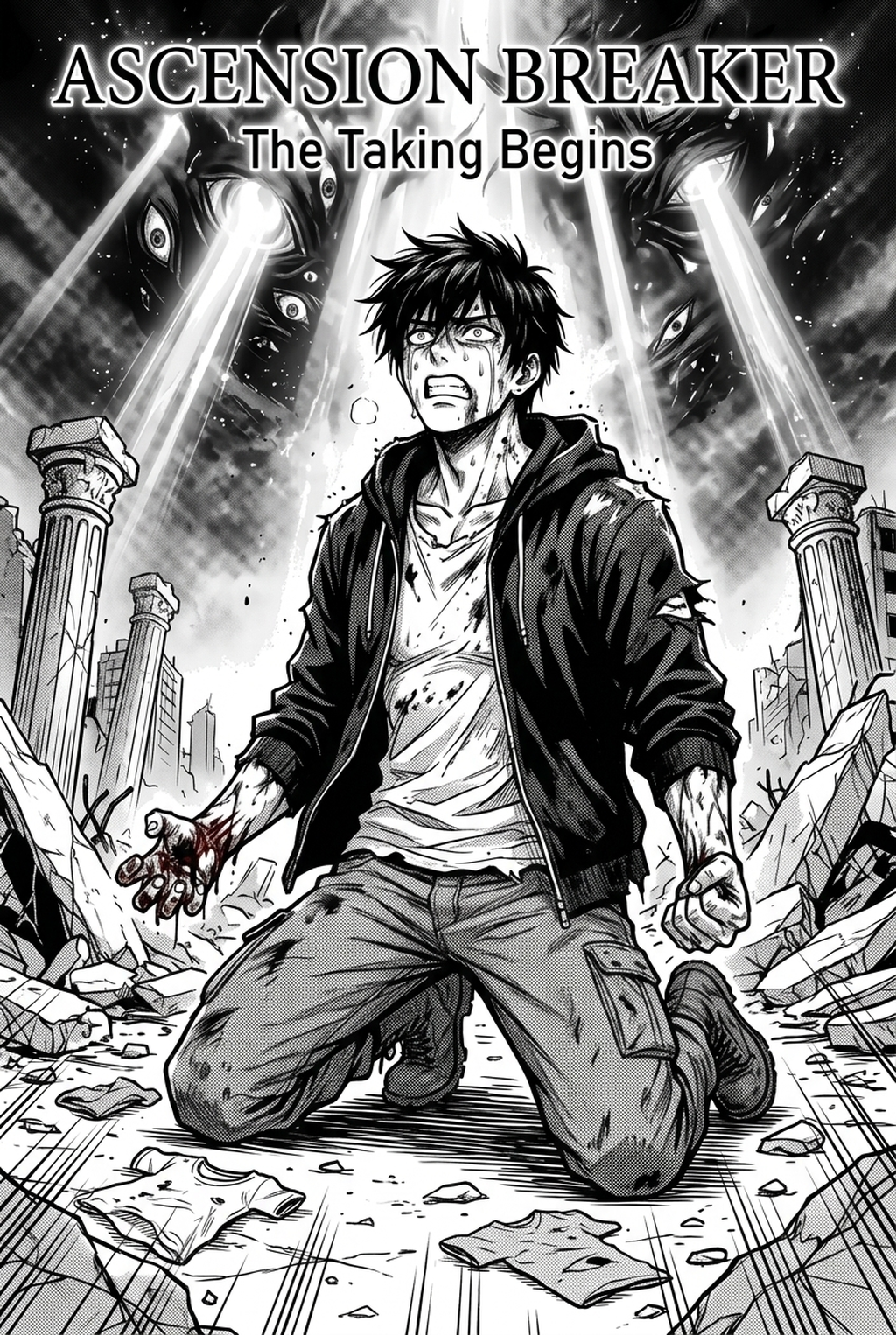
- Complex Architectural Destruction: Capturing the debris and shattered structures during an intense battle is notoriously difficult. AI can generate intricate rubble fields that maintain the chaotic energy of the fight without requiring hours of line work.
- Recurring Interior Locations: Establishing a consistent "base of operations" for your protagonist is critical. Once you have a perfect setting, you can generate multiple angles for repeat use throughout your chapters.
- Epic Landscape Shots: Wide-angle panels for establishing shots or "big reveals" need to feel grand and immersive. Generating these at high resolution provides the cinematic scale expected in modern, AI Manga Background Artist for Shonen manga productions.
Step-By-Step Guide to Start with Mangaka
Hands-on drawing control still matters after an AI first pass because creators may need to adjust line weight, cleanup, and export settings. The Wacom comic and manga creation guide anchors that review in practical art production rather than broad AI-image claims. Mangaka Features and Export Review.
Workflow Fit for Creator Output
Start by preparing the creative brief, reference notes, character constraints, and export target before generation. The setup matters because a clearer brief gives the review pass something specific to judge: silhouette, expression, panel readability, and file readiness. Getting your project off the ground is a straightforward process designed for creators who want to jump straight into production. 1. Sign Up: Create your account to access the creator dashboard and environment style libraries.
- Input Scene: Enter your specific scene description or upload a rough sketch to guide the layout. 3.
Generate and Download: Refine your output, then download the final asset in high resolution for your drawing software. Release cadence belongs in the production context for manga tools. The useful product question is whether pages stay readable when schedule pressure rises.
Export quality depends on whether the creator can still adjust cleanup, line weight, and handoff settings after AI assistance. Creators should define the scene goal, character references, page count, reading direction, and target Full color manga. That gives AI Manga Background Artist enough context to support the story instead of producing disconnected panels.
Review Controls Before Export
Creators should check line weight, facial expression, pose clarity, panel order, and space for dialogue before export. Those checks matter more for Shonen pages because action beats and emotional pauses need to read quickly. For comparison, a useful tool should save time without flattening the creator's style. The best choice keeps the first pass editable, makes revisions visible, and leaves final judgment with the artist.
Creators can use each revision decision to clarify panel readability, character consistency, and export quality before publishing or sharing. For production, creators should keep a small reference sheet for recurring characters, outfits, props, and backgrounds. That makes it easier to compare generated pages and decide which panel needs a redraw.
That extra context helps the reader connect the creative choice to character consistency, composition, speech-bubble space, and final file format. For export, creators should confirm the final PNG, PDF, or editable file can move into lettering, coloring, or layout cleanup without rebuilding the page. A clear export routine keeps the next chapter faster. For manga creators, the practical value comes from reducing redraw loops before the artwork reaches a reader-facing page or reusable asset.
Accelerate High-Impact Shonen Backgrounds with Mangaka.app
Dynamic shonen storytelling requires energetic environments—from sprawling fantasy battle arenas to high-octane modern cityscapes. Mangaka.app streamlines high-intensity background generation for creators:
- Explosive Speedlines and Perspective Grids: Automatically generate radial perspective grids and cinematic focal points tailored for high-action scenes.
- Complex Architectural and Natural Settings: Produce intricate fantasy castles, ruined battlefields, and dense urban destruction with coherent scale.
- Monochrome Screentone Harmony: Export backgrounds with authentic traditional halftone patterns that blend effortlessly with hand-drawn character inks.
- Multi-Angle Scene Continuity: Preserve environmental landmarks and building perspectives across multiple consecutive panels.
For comic artists, manga creators, and indie publishers looking to elevate their production workflow, Mangaka.app provides an end-to-end AI creation suite with consistent character generation, automated komawari paneling, and professional 600 DPI monochrome inking.
The Bottom Line
A useful creator workflow keeps the story goal, visual style, and review step clear before export. AI Manga Background Artist gives creators a faster first pass without removing the final human review. Start creating with AI Manga Background Artist for Shonen manga when you are ready to turn the reviewed idea into finished manga pages. Test it with one real page goal, one reference boundary, and one export requirement so the decision stays tied to production quality.