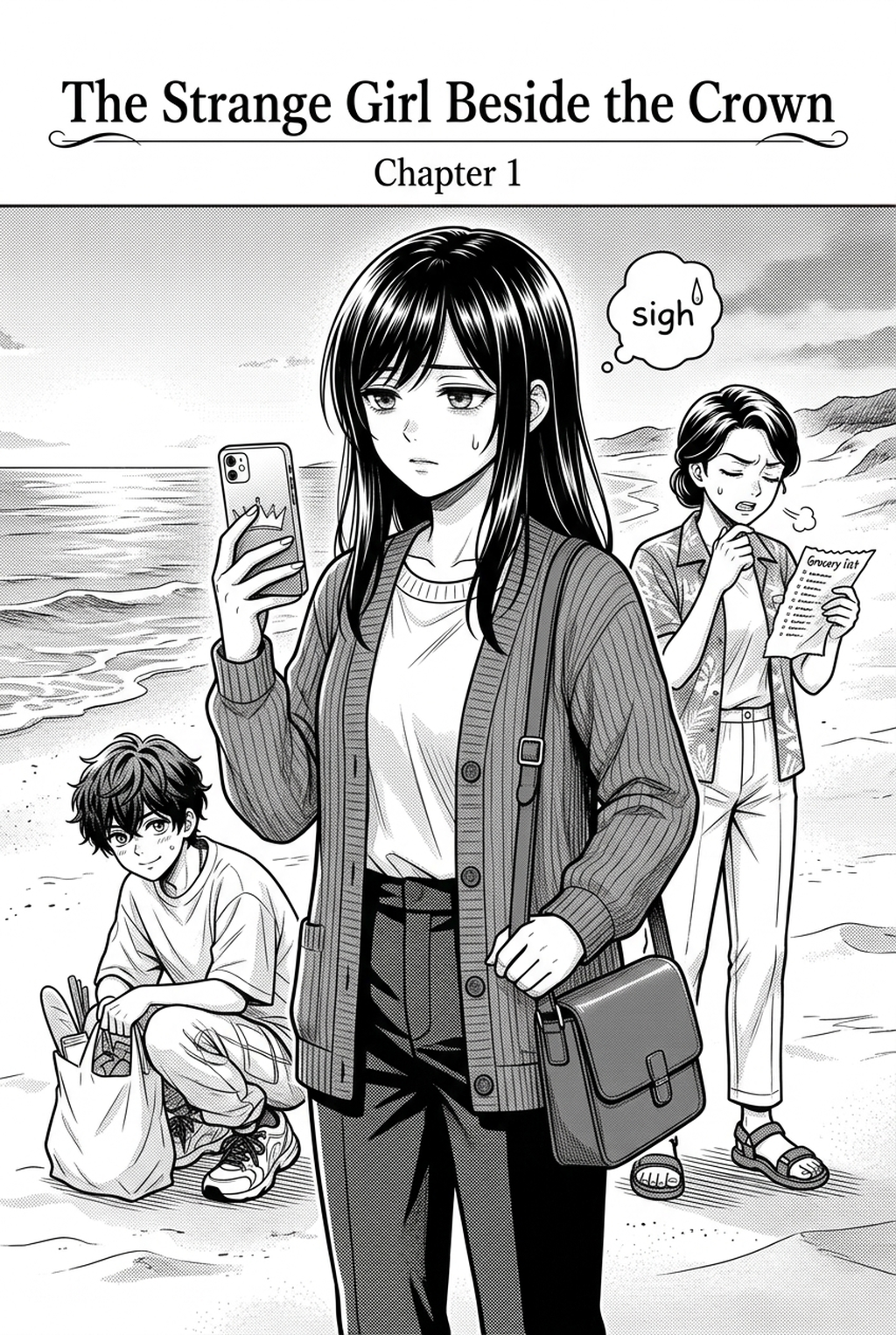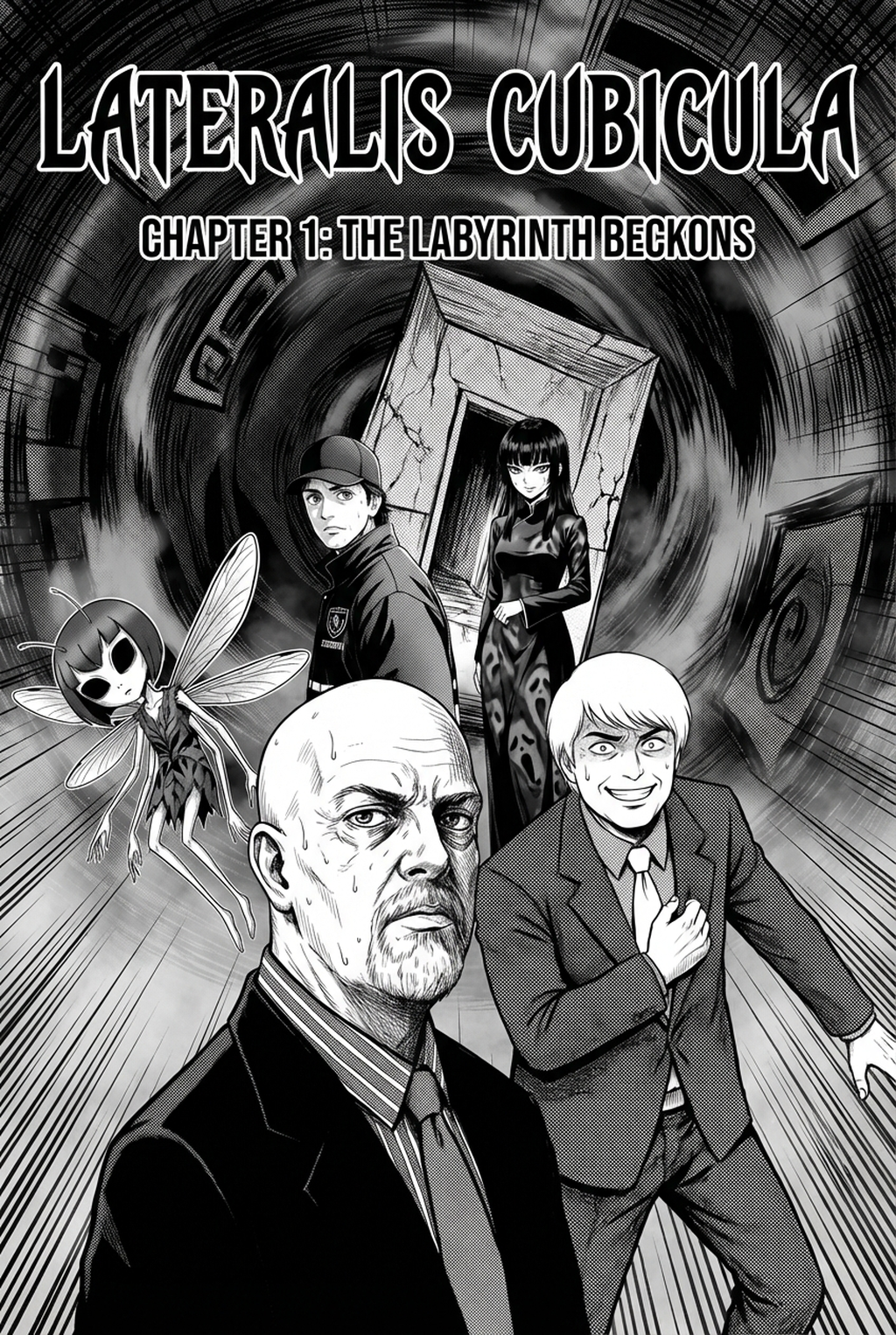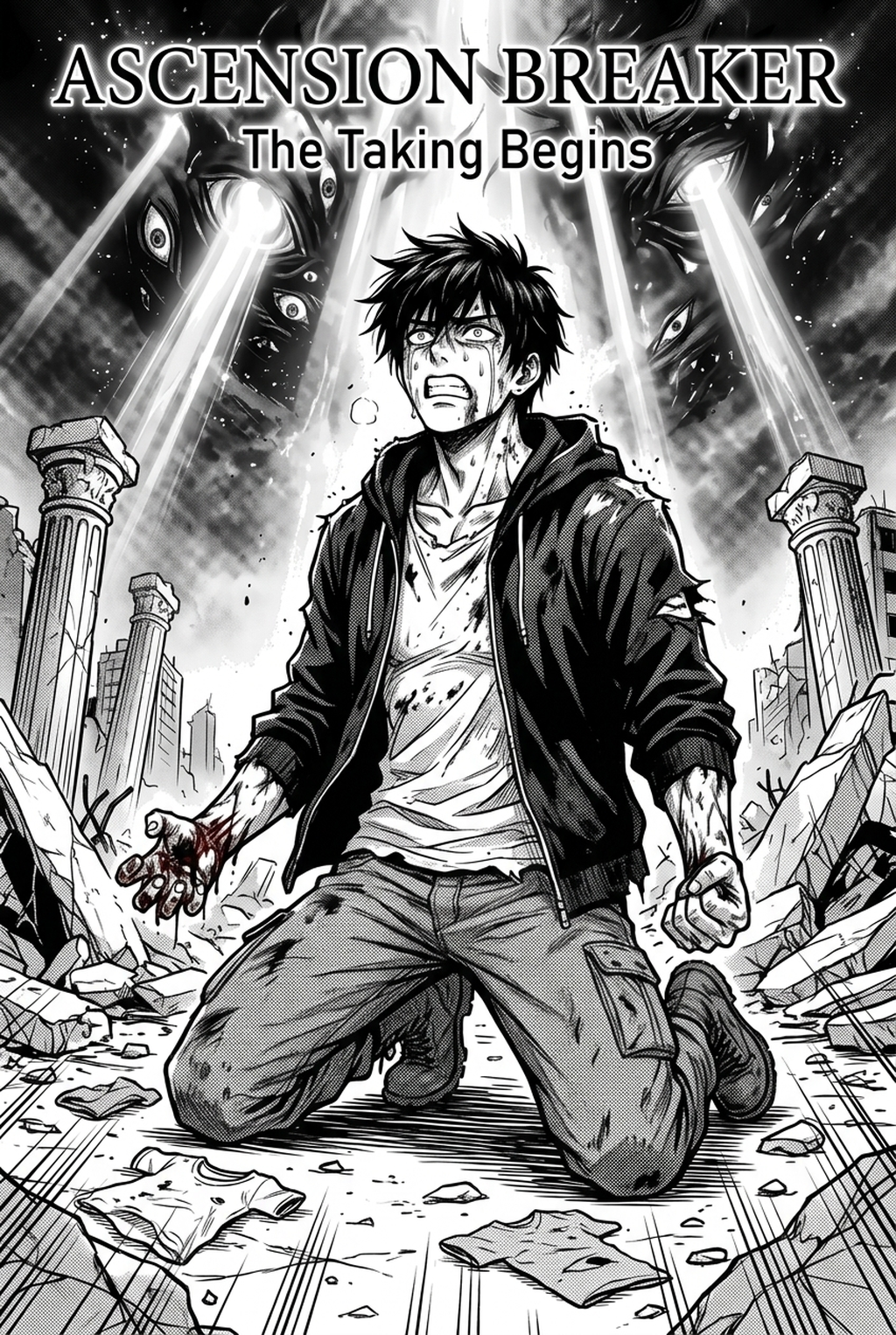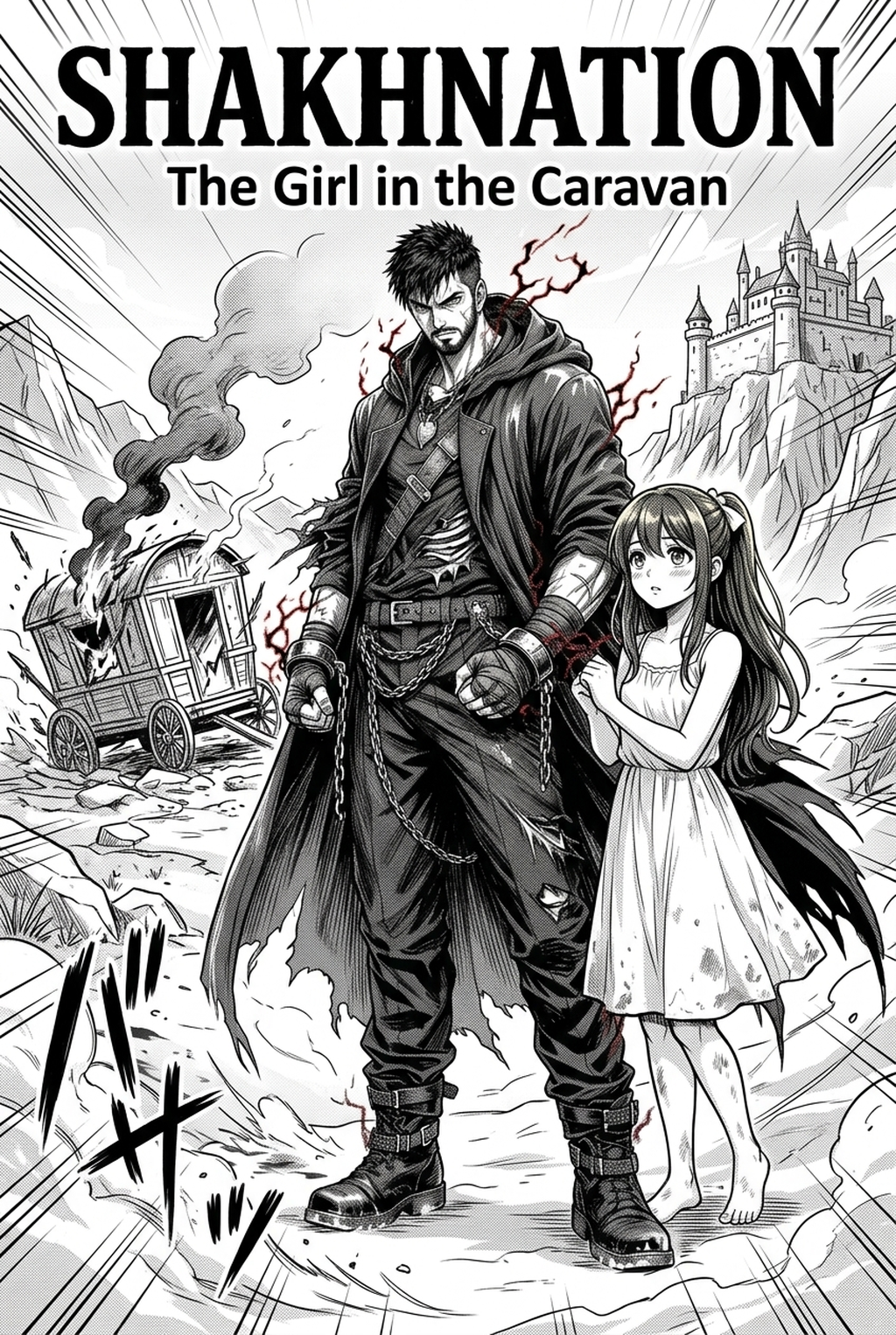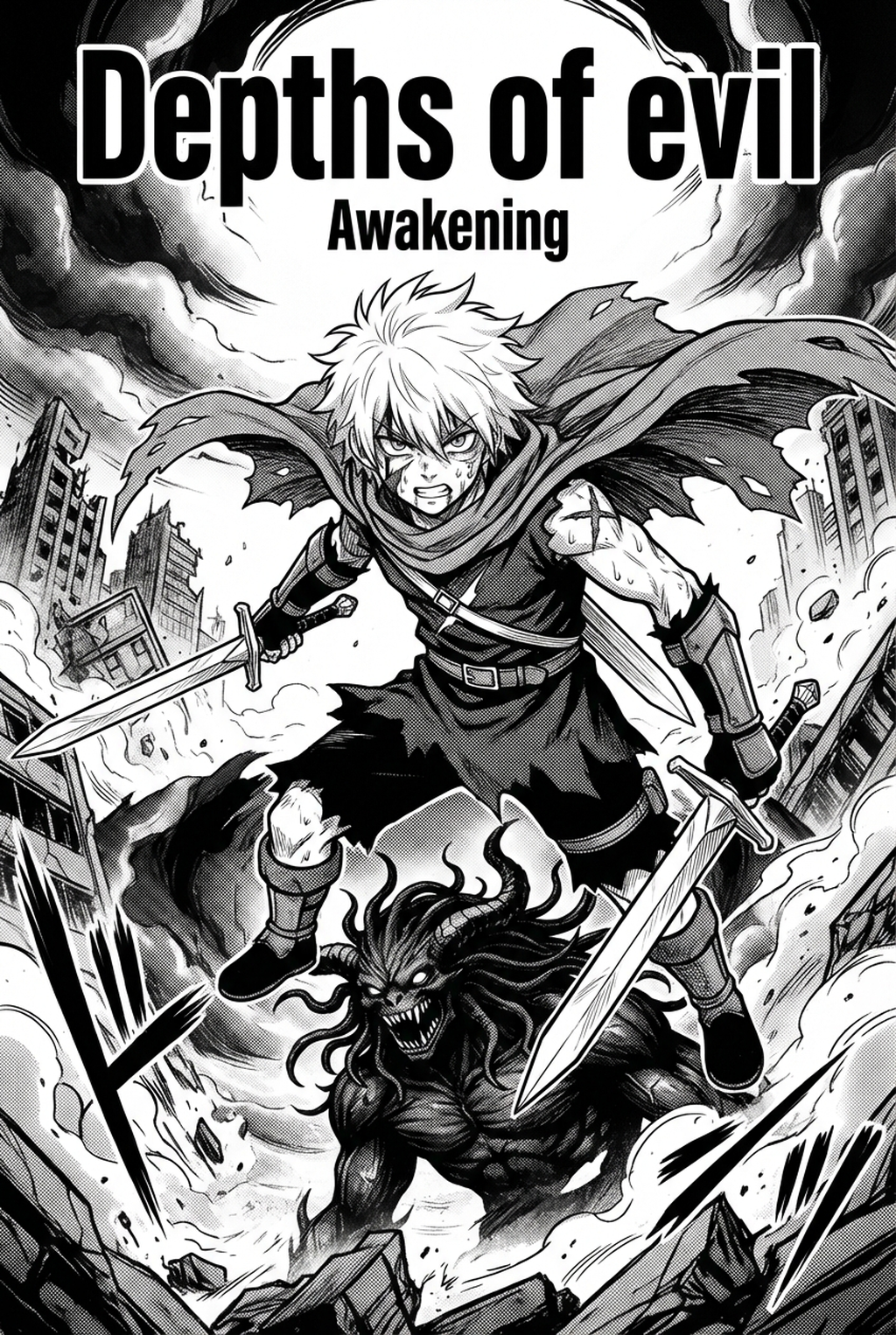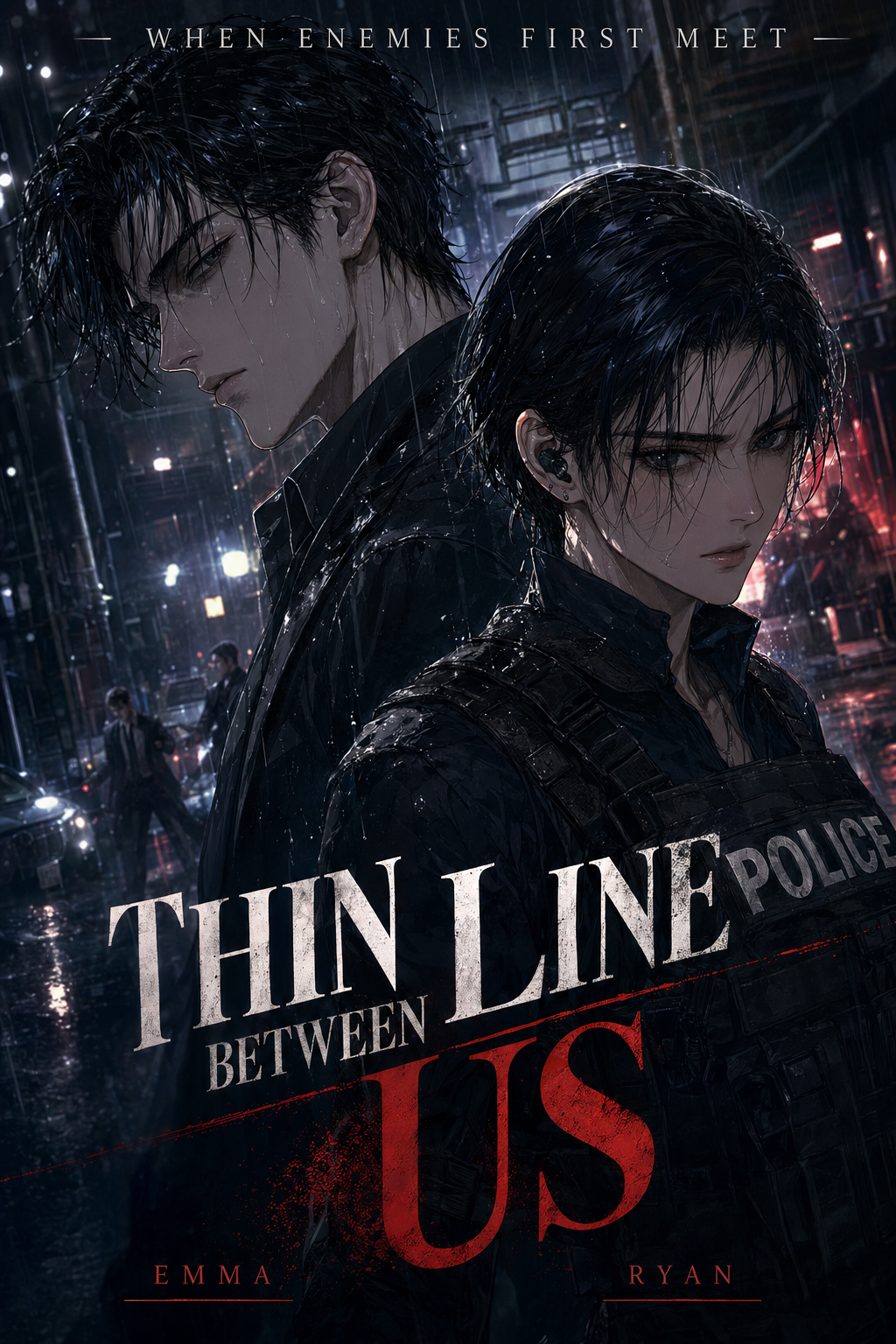
Delivering a weekly chapter requires rigorous focus on action-packed sequences, and using an AI Manga Inker for Shonen manga allows creators to maintain momentum without sacrificing the aggressive, high-contrast line work essential to the genre. When you are juggling dozens of panels featuring complex character transformations and environmental destruction, the technical bridge between a raw pencil sketch and a finished, print-ready page often becomes a bottleneck. By automating the transition from messy graphite lines to crisp, finalized strokes, creators can dedicate more time to panel pacing and cinematic composition rather than repetitive manual inking.
What Is AI Manga Inker for Shonen Manga?
An AI Manga Inker workflow is a specialized tool that processes raw pencil sketches and converts them into high-fidelity, clean line art suitable for professional publishing. These systems interpret complex line data to eliminate smudges, erratic strokes, and uneven pressure while strictly adhering to the specific needs of Shonen aesthetics—characterized by thick, expressive outlines that emphasize impact and movement. Key features include automatic line-weight optimization, noise reduction for digital scans, and the ability to preserve original character proportions while applying a consistent, polished look to every page.
Why AI Manga Inker Matters for Shonen in 2026
Creators today face unprecedented pressure to produce high-volume content, and an AI Manga Inker addresses the specific struggle of line-weight drift that often occurs during long, grueling production cycles. Maintaining consistent stroke quality is the fundamental difference between amateur and professional output. By integrating automated inking into your production process, you effectively eliminate the physical toll of redundant tracing, allowing you to focus on the high-level emotional impact of your narrative.
How AI Manga Inker Works for Shonen in Pastel Vertical Comic Platforms
The process of converting sketches into professional assets relies on sophisticated image recognition that detects the primary structural intent of a stroke while discarding digital artifacts or scan noise. In a pastel vertical comic platforms style, this involves refining lines to appear soft yet distinct, ensuring that characters pop against backgrounds without the need for harsh, dark cross-hatching that might disrupt a lighter color palette.
To achieve the best results, you start by inputing your high-resolution pencil sketches into the tool. The engine performs an initial cleanup pass to remove stray graphite marks, then reconstructs your lines with the appropriate thickness for a pastel aesthetic. Finally, the tool exports the finished transparent PNG files that are ready to be imported into your colorist's digital painting software.
Consistency is maintained by defining specific style parameters that tell the AI how to interpret your sketches. If your characters wear elaborate costumes or feature complex hair physics, the engine ensures these elements maintain their defining traits across multiple frames. By using the Shonen manga inking workflow with Mangaka for your inking needs, you ensure that every panel, from high-octane battle scenes to quiet dialogue segments, retains the precise visual signature required for your series.
Use Cases for AI Manga Inker
- Action Sequence Cleanup: During high-speed fight scenes where lines must be sharp to convey motion, the inker preserves the intensity of your original gestures while cleaning up erratic pencil work that would otherwise look muddy. - Background Asset Finalization: You can quickly convert rough architectural sketches into clean line art, saving you hours spent manually drawing repetitive perspective lines in cityscapes or training grounds. - Character Consistency Checks: When managing multiple character archetypes, the tool ensures that face shapes and costume details remain uniform across different camera angles and dynamic poses. - Volume Preparation: For creators aiming to compile chapters into full graphic volumes, the automated process ensures that line weight remains consistent from chapter one through chapter fifty.
- Chapter cadence. Use the AI pass for pages where speed matters most, such as repeated action poses, transformation beats, or dense speed-line panels. Keep manual cleanup for hero panels where the line style defines the emotional peak.
- Character continuity. Compare the generated lines against the same model sheet, costume notes, and facial-expression range used during sketching. This prevents a fast inking pass from drifting away from the character identity readers recognize.
- Export readiness. Check whether the Pastel webtoon can move into lettering, coloring, or final layout without rebuilding panel borders or speech-bubble space. A good Shonen workflow should save time while keeping the next production step predictable.
Step-By-Step Guide to Start with Mangaka
Getting your project ready for publication is a straightforward, three-step process that eliminates the technical friction typically associated with digital manga production. This keeps the review focused on story intent, line weight, panel readability, and the export quality behind the final AI Manga Inker output.
- Sign up at [) to start your free trial, which requires no credit card to access the primary toolset.
- Paste your script or upload your scanned source files directly into the interface to begin the conversion process.
- Generate your finalized, high-quality manga page and download the clean line art for immediate use in your colorist workflow.
- Before Export. Creators should compare the generated line art with the original sketch and confirm that facial expressions, props, speed lines, and speech-bubble space still support the scene. A repeatable review pass should cover character consistency, panel readability, background clarity, and whether the final file is ready for coloring, lettering, or editor feedback.
- For Longer Projects. Creators should save approved examples of line weight, face detail, clothing folds, and background density. Those references keep later chapters closer to the intended style. For collaboration, creators should mark which panels are final and which panels still need redraws. Clear status labels prevent an assistant, editor, or colorist from polishing the wrong version.
- For Publishing. Creators should review the page at the actual reading size before export. Small screens expose crowded dialogue, weak silhouettes, and line details that looked fine while zoomed in. Creators can use each revision decision to clarify panel readability, character consistency, and export quality before publishing or sharing.
- For Style Control. Creators should keep a short reference board beside the draft and compare hair shapes, eye details, costume folds, and texture choices before approving the final page. For revision planning, creators should separate art fixes from story fixes. Line cleanup, panel order, dialogue clarity, and character acting each need a different review question.
Produce Clean Shonen Line Art and Dynamic Contours with Mangaka.app
Action manga demands fierce linework, explosive speed lines, and crisp contour balance that holds up under serialization pressure. Mangaka.app delivers dedicated inking intelligence built specifically for high-velocity shonen production:
- Dynamic Line Weight & G-Pen Dynamics: Emulate varying pressure sensitivity and sharp tapered stroke ends on high-octane battle sequences.
- Automated Speed Line & Impact Shading: Generate concentric radial action bursts and kinetic crosshatching without tedious manual ruler placement.
- Instant Black Fill & Gap Sealing: Automatically seal open contour gaps and flood dramatic beta fills across combat silhouettes.
- Print-Ready 600 DPI Binary Export: Export crisp, high-resolution monochrome artwork optimized for digital serialization and physical tankōbon prints.
For comic artists, manga creators, and indie publishers looking to elevate their production workflow, Mangaka.app provides an end-to-end AI creation suite with consistent character generation, automated komawari paneling, and professional 600 DPI monochrome inking.
The Bottom Line
Modernizing your production workflow is essential for competing in the high-demand world of Shonen serialization. By automating your inking pass, you free yourself to focus on the storytelling and character dynamics that define your series. Shonen manga inking workflow with Mangaka to see how quickly you can turn your rough sketches into professional, publication-ready art.