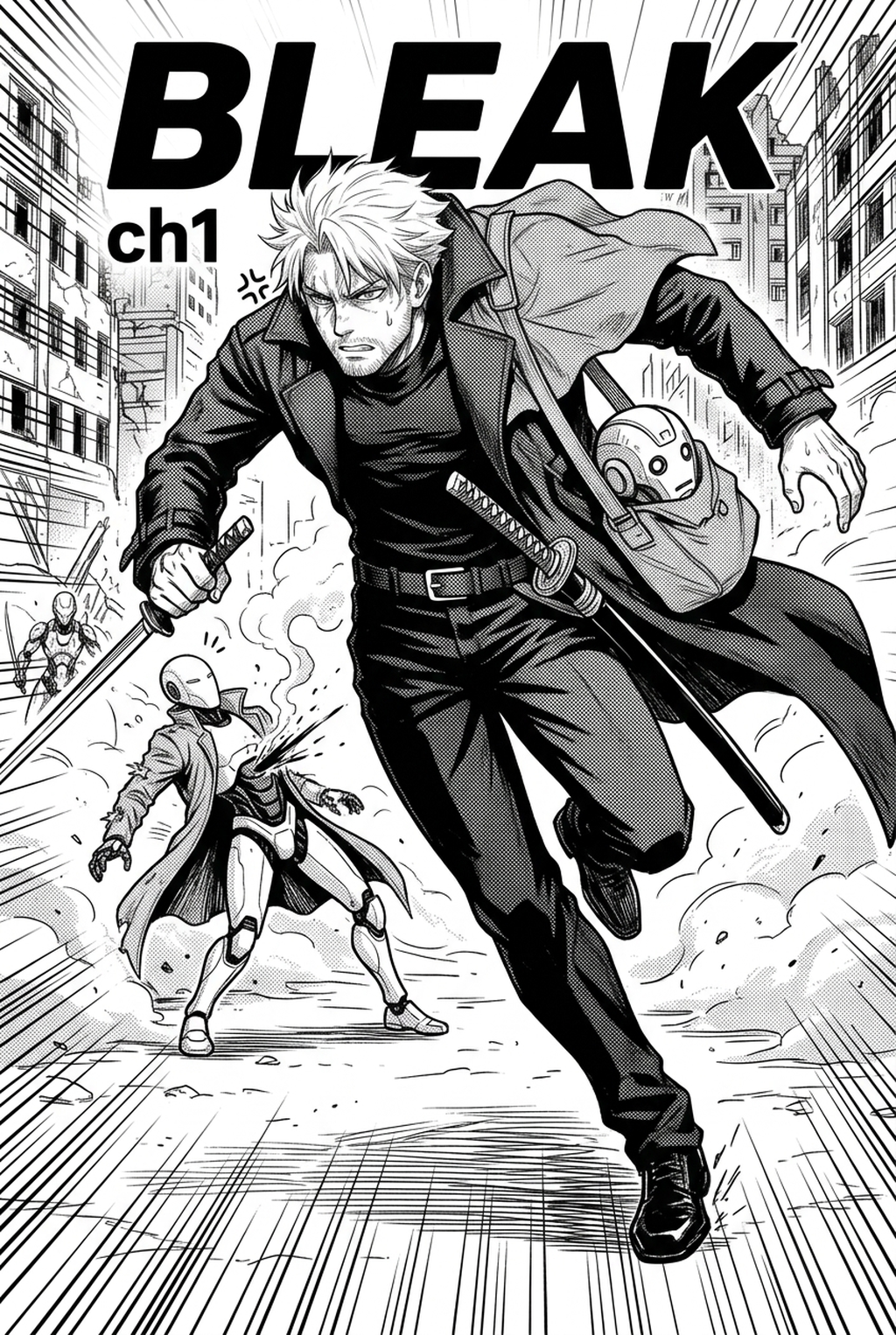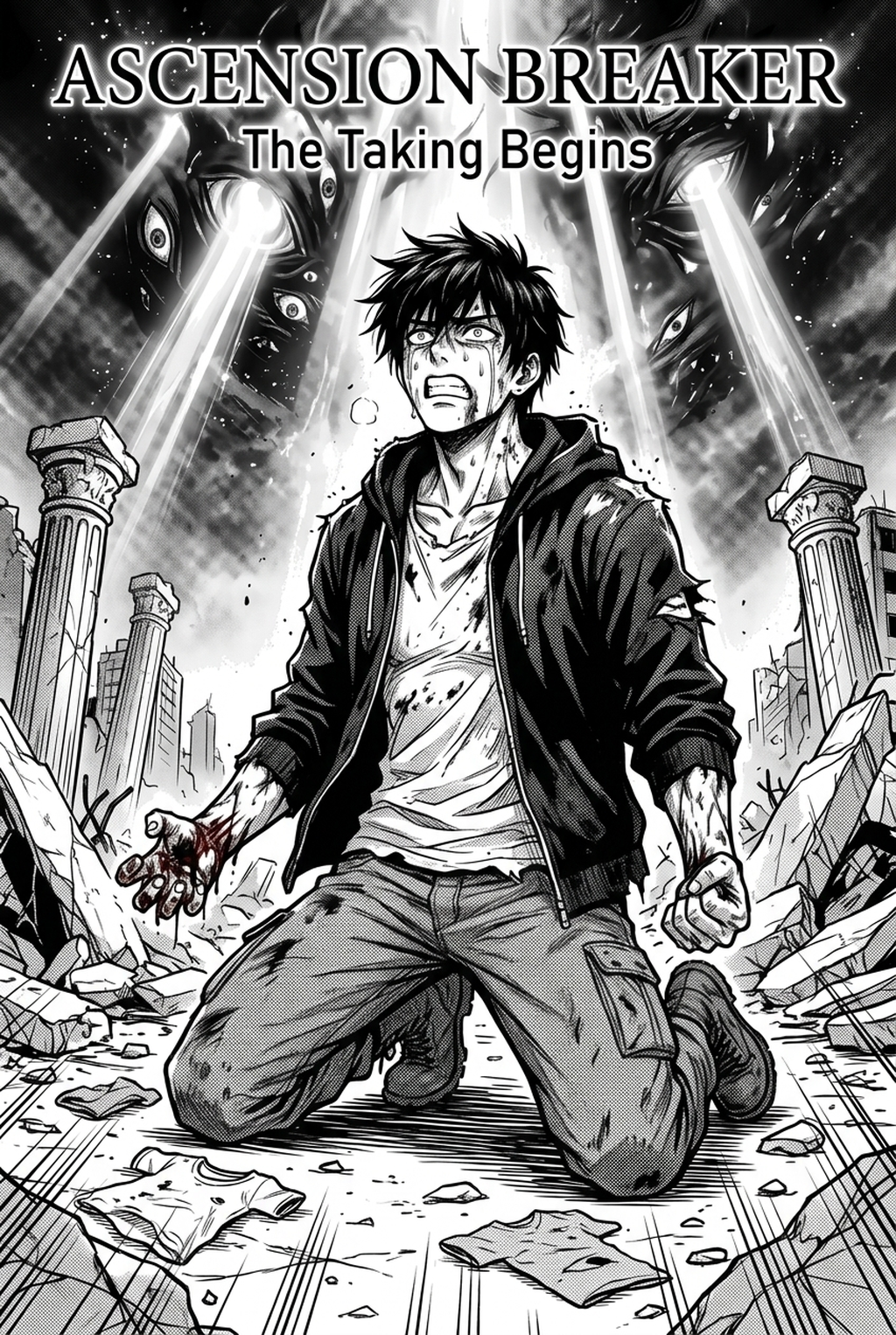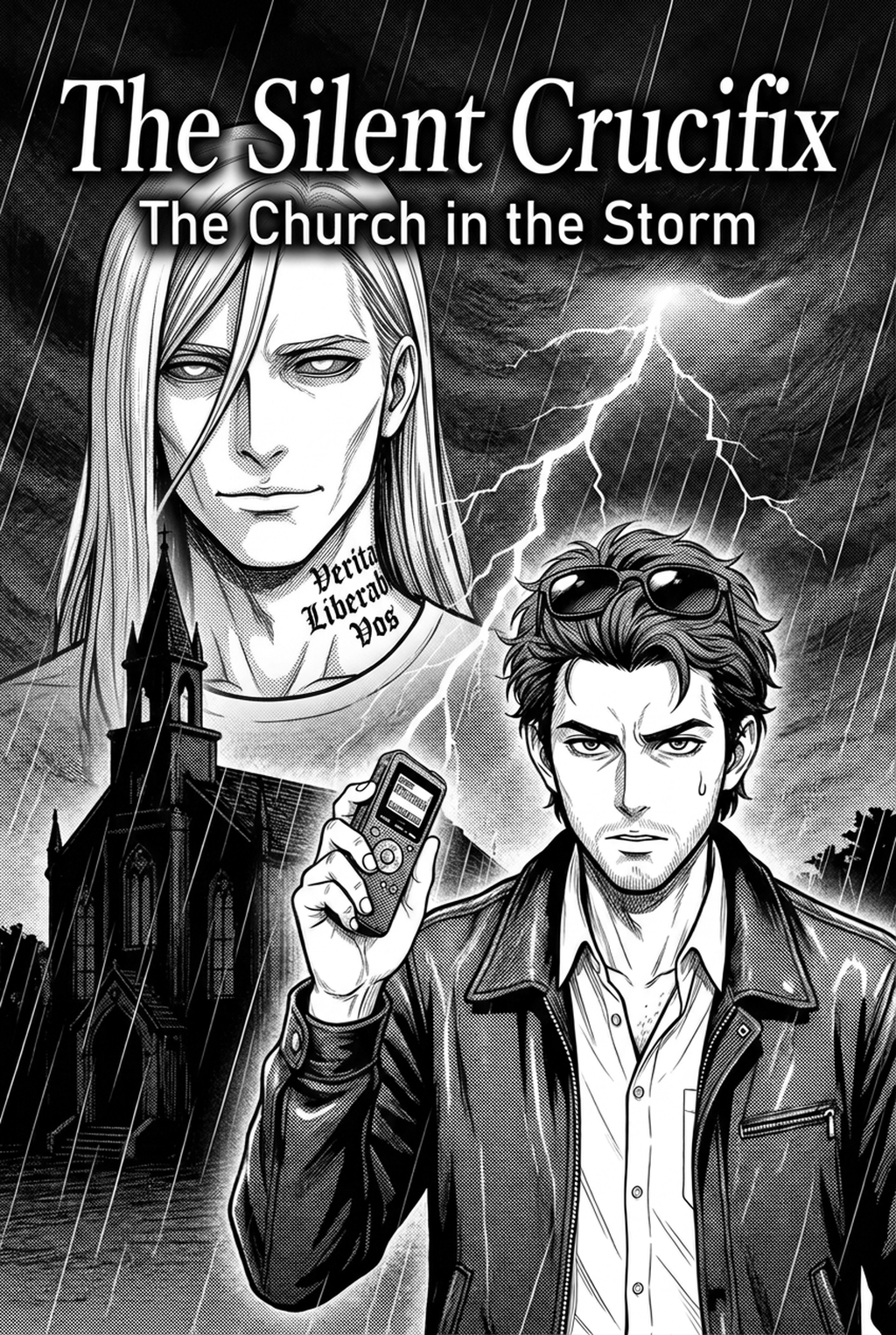
What Is Action Manga Storyboard Pacing?
Effective pacing emerges from the deliberate manipulation of gutter width, panel geometry, and the degree to which combatants bleed into the margins. These elements force the reader’s eye to travel at specific speeds, dictating how quickly a sequence of strikes unfolds.
- Narrow, overlapping panels: These layouts minimize the "time" a reader lingers on a single frame, effectively forcing the eye to race through high-velocity attacks or rapid-fire combos. * Full-bleed spreads: Large panels that extend to the page edge physically interrupt the rhythm, acting as a mandatory pause that grounds the reader in a significant plot reveal or a brutal, final impact. * Gutter variation: Manipulating the space between panels controls the silence or tension between movements, where tight gutters compress events and wider gaps allow for a brief breath between frantic encounters.
The physical geometry of a panel dictates how much "visual weight" an action occupies. If every punch occupies the same rectangular box, the fight becomes monotonous; by varying panel angles—tilting them to imply instability—you communicate the chaotic nature of a struggle more effectively than through character detail alone.
Why AI Manga Storyboard Builder Matters for Manga Creators
Strategically controlled layouts manage the "rhythm of violence," preventing a long combat sequence from becoming visually exhausting to the reader. By planning your page as a cohesive unit of energy transfer, you ensure that the physical movement of the characters translates directly into the reader's visceral experience.
Unlike slice-of-life storytelling, high-stakes action necessitates "impact sync," where critical moments of collision are perfectly aligned with the physical act of turning the page. If a powerful hit lands at the top of a page rather than the bottom, the reader loses the momentum required for a satisfying emotional release, making the sequence feel disjointed.
Without intentional pacing, creators often succumb to "repetition fatigue," where multiple panels of similar size and orientation create a monotonous read. This stagnation turns kinetic motion into static ink, causing the reader to disengage from the stakes of the fight because the physical layout fails to provide a sense of progression or escalation.
How Action Manga Storyboard Pacing Works with Mangaka
Mangaka automates the structural heavy lifting of grid design, allowing you to test multiple pacing arrangements instantly before you commit to the time-consuming process of inking or shading. The system uses algorithmic spatial logic to generate gutters and panel dimensions that actively support the intensity of the scene you have scripted.
Preserving Mental Bandwidth. By delegating the layout grid to AI, you preserve your mental bandwidth for complex character anatomy and the nuances of perspective distortion. You no longer need to spend hours measuring panel borders, as the Action manga storyboard pacing ensures that your initial sketch phase results in a coherent flow, keeping character proportions consistent throughout the sequence.
Creators often hit a wall during long fight sequences where they struggle to balance high-intensity panels with necessary narrative breathing room. The AI mathematically balances your layout, suggesting alternating densities of panels to ensure that the audience remains engaged from the first clash to the final decisive blow.
Use Cases for AI Manga Storyboard Builder
The platform allows you to define your desired emotional tempo, which the AI then uses to construct a layout grid optimized for that specific scene. This means you can pivot from the claustrophobic tension of a stealth sequence to the wide-open, fragmented chaos of a battle royale with a single adjustment of your intensity settings.
- Shonen-style high-speed fragmentation: The AI generates a higher density of slanted, overlapping panels to push the reader’s eye quickly through escalating power-ups and rapid-fire strikes. * Seinen-style atmospheric tension: The system prioritizes cleaner grids with larger, isolated panels that emphasize the grit, weight, and environmental impact of each movement, slowing the pace to heighten the sense of danger.
You can generate five different pacing versions for a single combat turn to see which layout emphasizes the character's speed versus their brute strength. Because the tool auto-arranges panels for narrative flow before you generate the actual line art, you avoid the common trap of realizing your composition is broken only after you have already completed the expensive inking phase.
- Chapter cadence. Use the AI pass for pages where speed matters most, such as repeated action poses, transformation beats, or dense speed-line panels. Keep manual cleanup for hero panels where the line style defines the emotional peak.
- Character continuity. Compare the generated lines against the same model sheet, costume notes, and facial-expression range used during sketching. This prevents a fast inking pass from drifting away from the character identity readers recognize.
- Export readiness. Check whether the final manga output can move into lettering, coloring, or final layout without rebuilding panel borders or speech-bubble space. A good manga workflow should save time while keeping the next production step predictable.
How to Get Started with Mangaka
Getting started involves setting the primary intent of your combat sequence—are you prioritizing raw speed or heavy-hitting impact? The AI interprets this context to select the ideal panel formats, isolating key hits for maximum emphasis while grouping sequences that require continuous, flowing motion.
- Speed perception: Use smaller, fragmented panels to force a faster reading cadence, which naturally increases the perceived velocity of movement in a fight. * Flow vs. Detail: In action sequences, flow is paramount; even a technically perfect drawing will feel flat if your panel structure doesn't guide the eye through the kinetic energy of the combat. * AI interpretation: Modern builders interpret your script to identify when to isolate an image for emphasis, preventing the mistake of overcrowding a page during a climactic, quiet beat.
The Bottom Line
Mastering creator workflow is the difference between a confusing, static sequence and a cinematic, high-impact battle that keeps readers hooked. By using Action manga storyboard pacing , you bypass the tedious trial-and-error of manual grid design and ensure that your layout always reinforces the narrative stakes of your fight.