AI Manga Style Transfer: Cost Factors for AI Manga Style Transfer in Shonen
AI Manga Style Transfer for Shonen manga helps creators choose the right Mangaka workflow for cleaner pages, steadier style, and review-ready output. You need to account for more than just a subscription fee when calculating the financial impact of AI on your comic production. The most significant costs are hidden in the time lost to manual iteration and the technical requirements of your target art style.
Creative Decisions and Export Quality
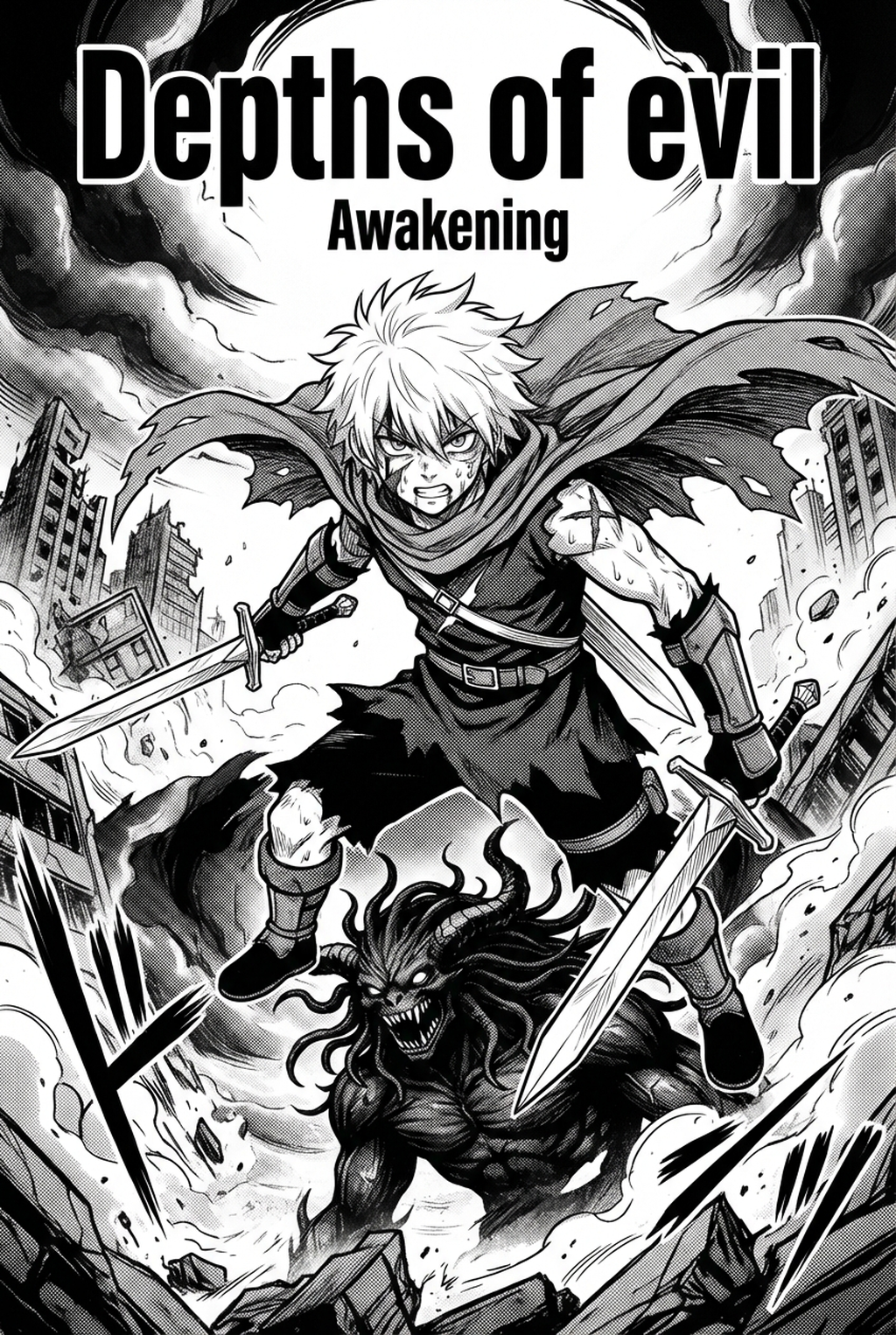
Shonen manga relies heavily on dynamic action sequences and complex anatomy, which often require extensive redrawing if a sketch doesn't translate perfectly. If your tool requires you to perform heavy cleanup before the AI kicks in, the "time saved" is often swallowed by preparation work.
Workflow Fit and Review Needs
such as line-weight control and high-contrast shading, rather than broad, general-purpose image generation. Keeps genre expectations visible for readers who scan action, character acting, and page rhythm quickly. Shonen inking should therefore preserve panel clarity, not just produce cleaner lines.
How Mangaka Supports AI Manga Style Transfer for Shonen Creators
You can achieve a professional finish without a massive investment by choosing tools that streamline the transition from sketch to final line art. Mangaka is built to minimize this friction, specifically for the high-octane visual language of Shonen. Mangaka operates on a direct input-to-output model where your rough sketches serve as the foundation. By converting those sketches into a professional Shonen style with one click, you eliminate the need for manual inking sessions.
app/create) to see how the cost-per-page model allows you to scale your production up during crunch time or down during quiet periods, ensuring you only pay for what you actually publish.
Comparing Free vs Paid Manga AI Tools
You might be tempted by free, open-source AI models, but the hidden costs of these tools often manifest in server fees, long training times, and inconsistent results.
Reader Impact Before Publishing
Free tools often require advanced technical knowledge to host and maintain, which can eat into the time you should be spending on your script. Professional-grade tools provide a stable, consistent interface that maintains character continuity across chapters, which is a major hurdle in vertical comic platforms production.
Quality Checks Before Export
When using free platforms, you are often responsible for your own quality control, which involves manual oversight of every panel for errors like "extra fingers" or distorted expressions. Paid platforms that offer specialized style transfer often include built-in quality checks that recognize the anatomy of Shonen characters, saving you from tedious, frame-by-frame edits.
Hidden Costs to Watch for
You must stay vigilant about how a tool handles your intellectual property and the final quality of your exported files. Creators can use each revision decision to clarify panel readability, character consistency, and export quality before publishing or sharing.
Reader Impact Before Publishing for Hidden Costs to Watch for
Look for tools that respect your copyright and allow for high-resolution exports. For this criterion, check character consistency, panel readability, line quality, and export readiness before publishing. That makes the subsection useful instead of leaving a short checklist under a large heading.
Creative Decisions and Export Quality for Hidden Costs to Watch for
Many basic AI tools lack the nuance required for dynamic Shonen shading. If the AI doesn't understand the difference between a high-energy movement line and a background texture, you will end up spending more time fixing the "final" product than if you had inked it yourself. Always test the output with a variety of sketches before committing to a long-term plan.
Budget Checklist for Shonen Creators
To stay within your budget while maintaining a high production cadence, run through this list before your next chapter cycle.
Creative Brief and Generation Quality
- Sketch Preparation: Does the tool accept roughs, or does it require perfect line art? (Aim for rough-friendly tools). * Panel Count: Does your subscription allow for the batch processing of a full chapter, or are you paying per panel? * Inking Efficiency: Does the style transfer replicate the line weight consistency needed for Shonen action scenes?
Refine Output Before Export Review
- Hidden Fees: Are there additional charges for higher resolutions or faster processing times? * Tool Complexity: Does the tool require a dedicated technician or expert creative brief-writer to function? * Scalability: Can you increase your volume during a monthly deadline push without a surprise bill?
Export quality depends on whether the creator can still adjust cleanup, line weight, and handoff settings after AI assistance. Wacom comic and manga creation guidance ties that point to drawing practice instead of broad AI-image claims.
- Production context. Anime News Network's manga production feature describes manga as staged work from rough draft to finished page. Use it to judge whether AI inking helps cleanup without weakening review.
- Reader expectations. MyAnimeList manga news keeps genre expectations visible for readers who scan action, character acting, and page rhythm quickly. Shonen inking should preserve panel clarity, not just cleaner lines.
- Drawing practice. Wacom's comic and manga creation guide ties tool choice to brush control, cleanup effort, and export readiness. That keeps review grounded in creator workflow.
The Bottom Line
A useful creator workflow keeps the story goal, visual style, and review step clear before export. AI Manga Style Transfer gives creators a faster first pass without removing the final human review. Start creating with AI Manga Style Transfer for Shonen manga when you are ready to turn the reviewed idea into finished manga pages. Test it with one real page goal, one reference boundary, and one export requirement so the decision stays tied to production quality.