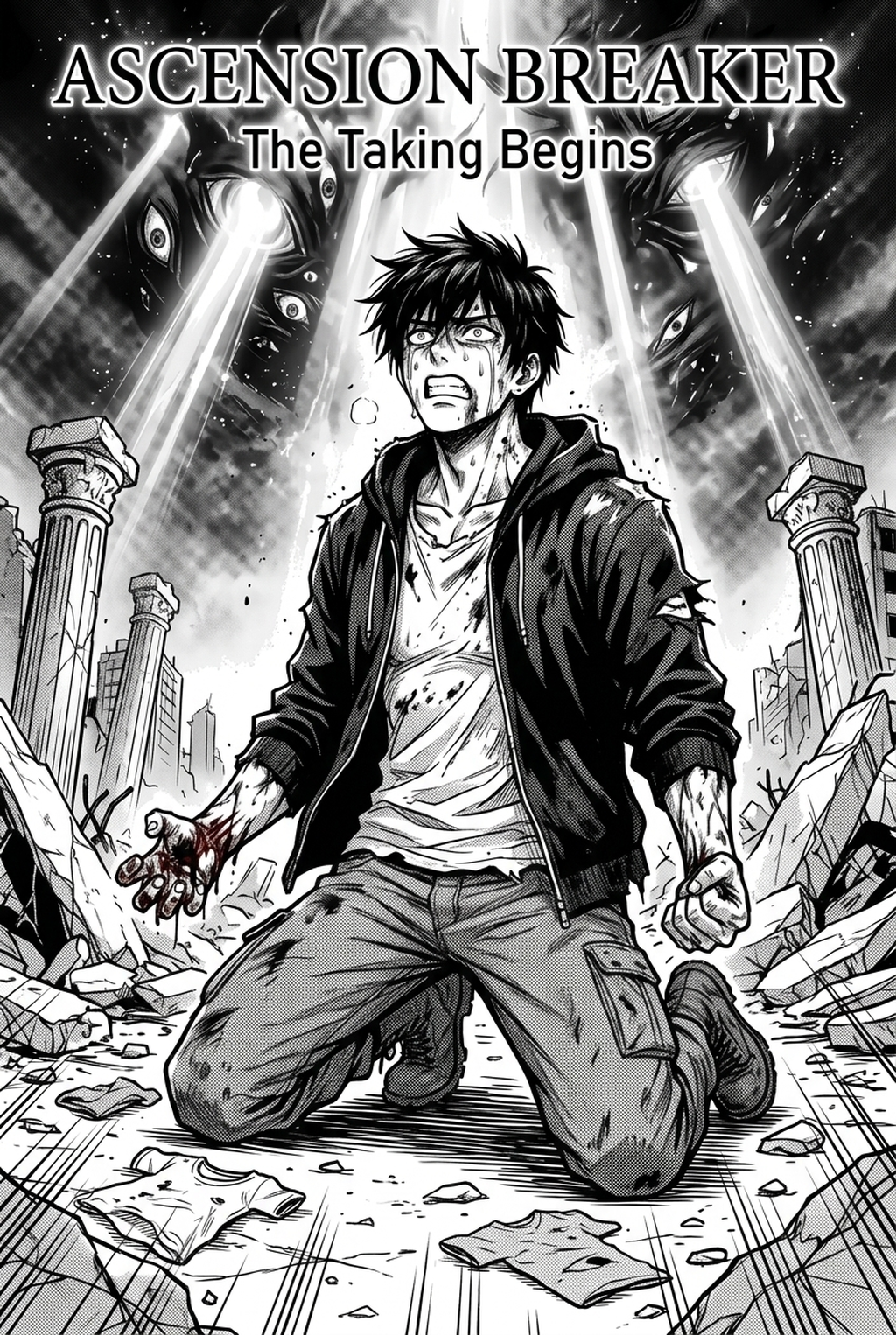
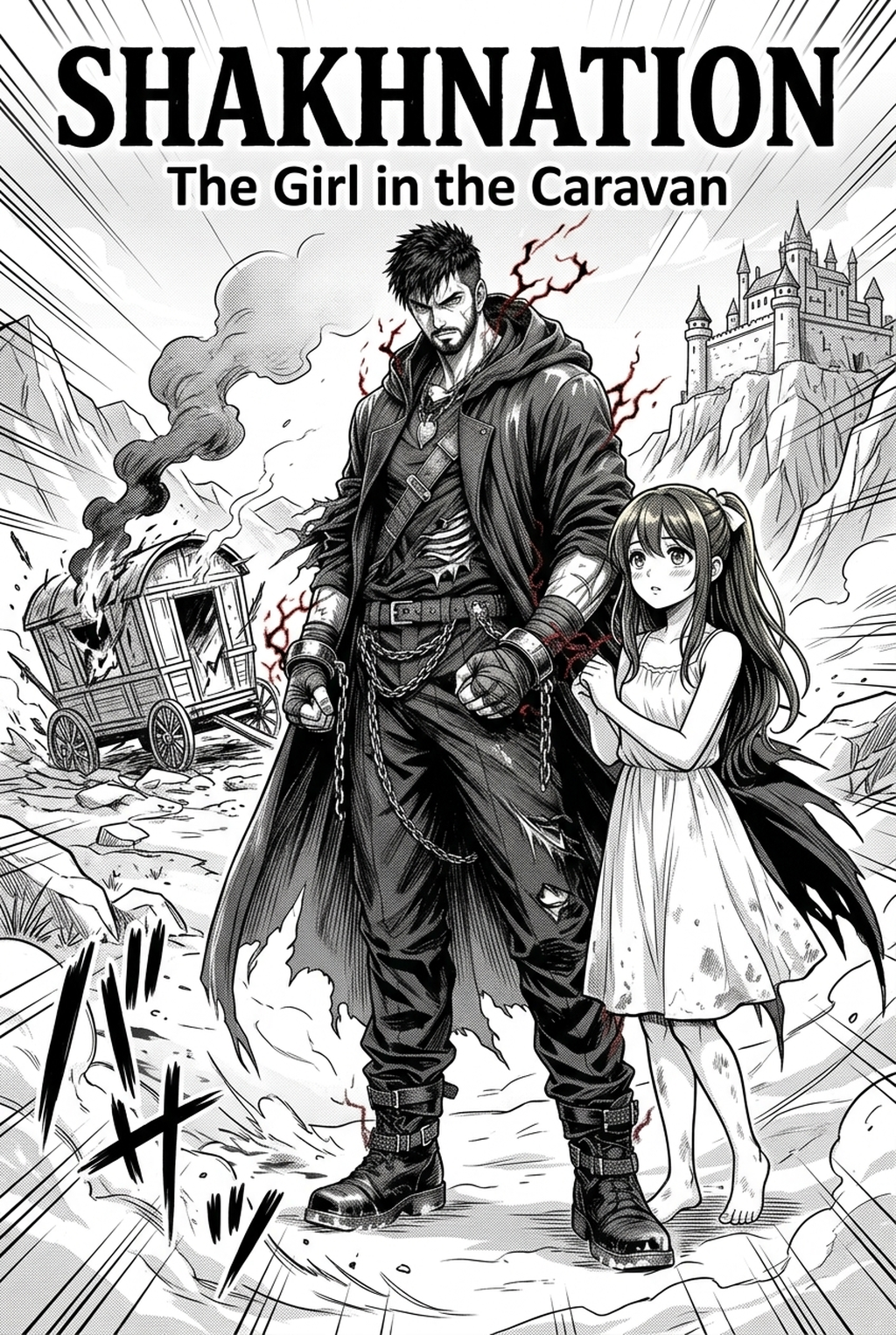
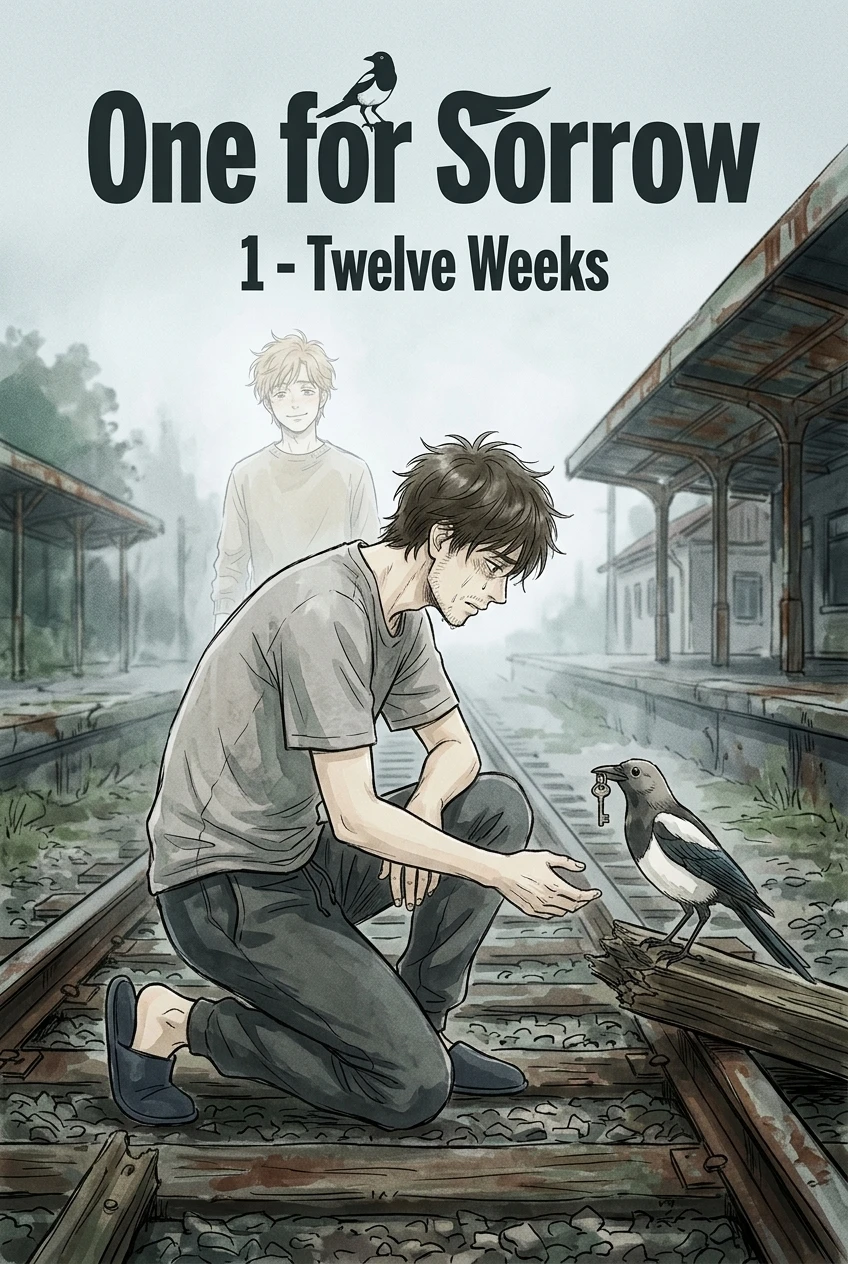
AI Webtoon Maker: The Ultimate Guide to Vertical Digital Comic Creation in 2026
Published on October 10, 2026 | Comprehensive Guide for Digital Comic Creators, Webtoon Illustrators & Visual Storytellers
TL;DR (Executive Summary)
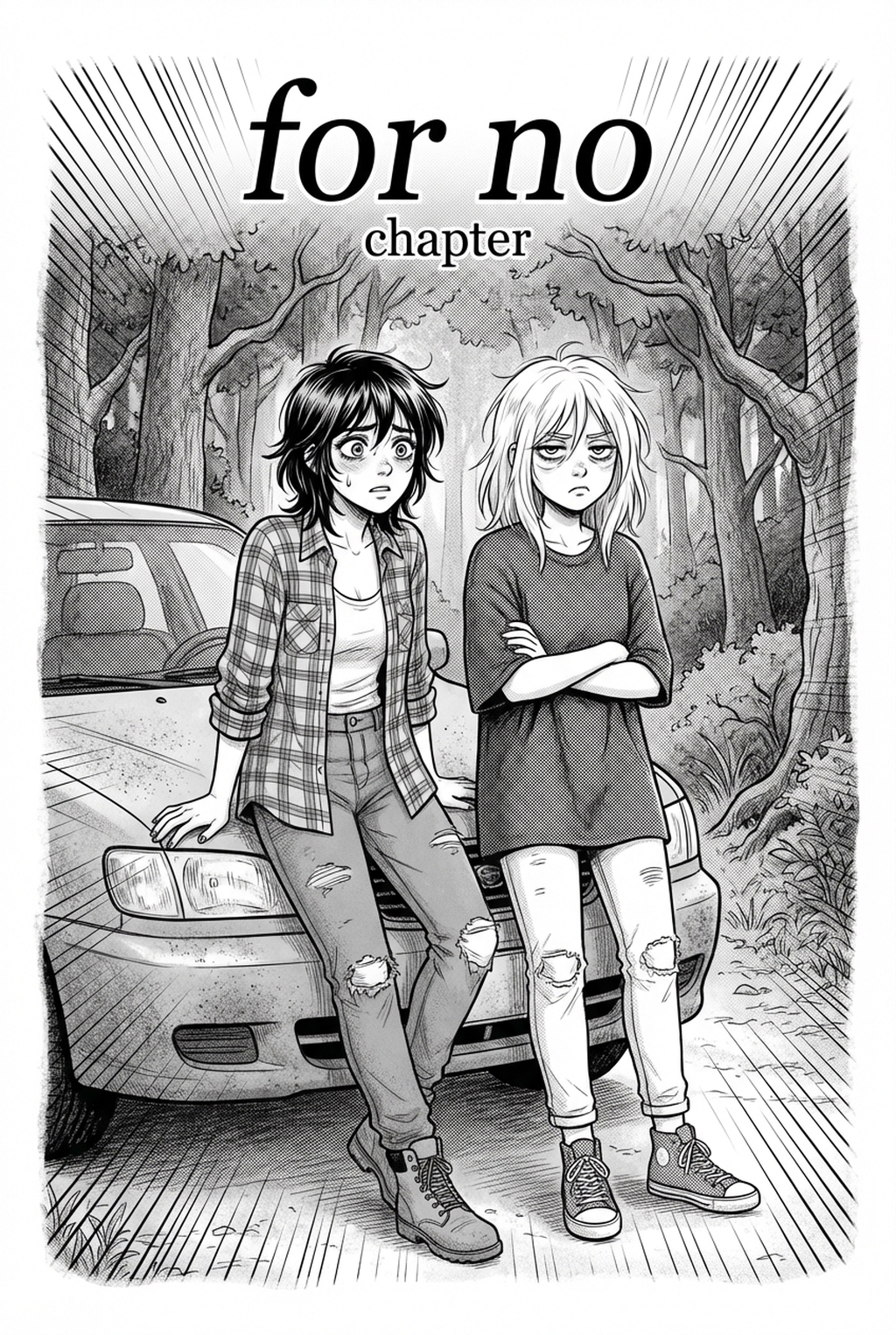
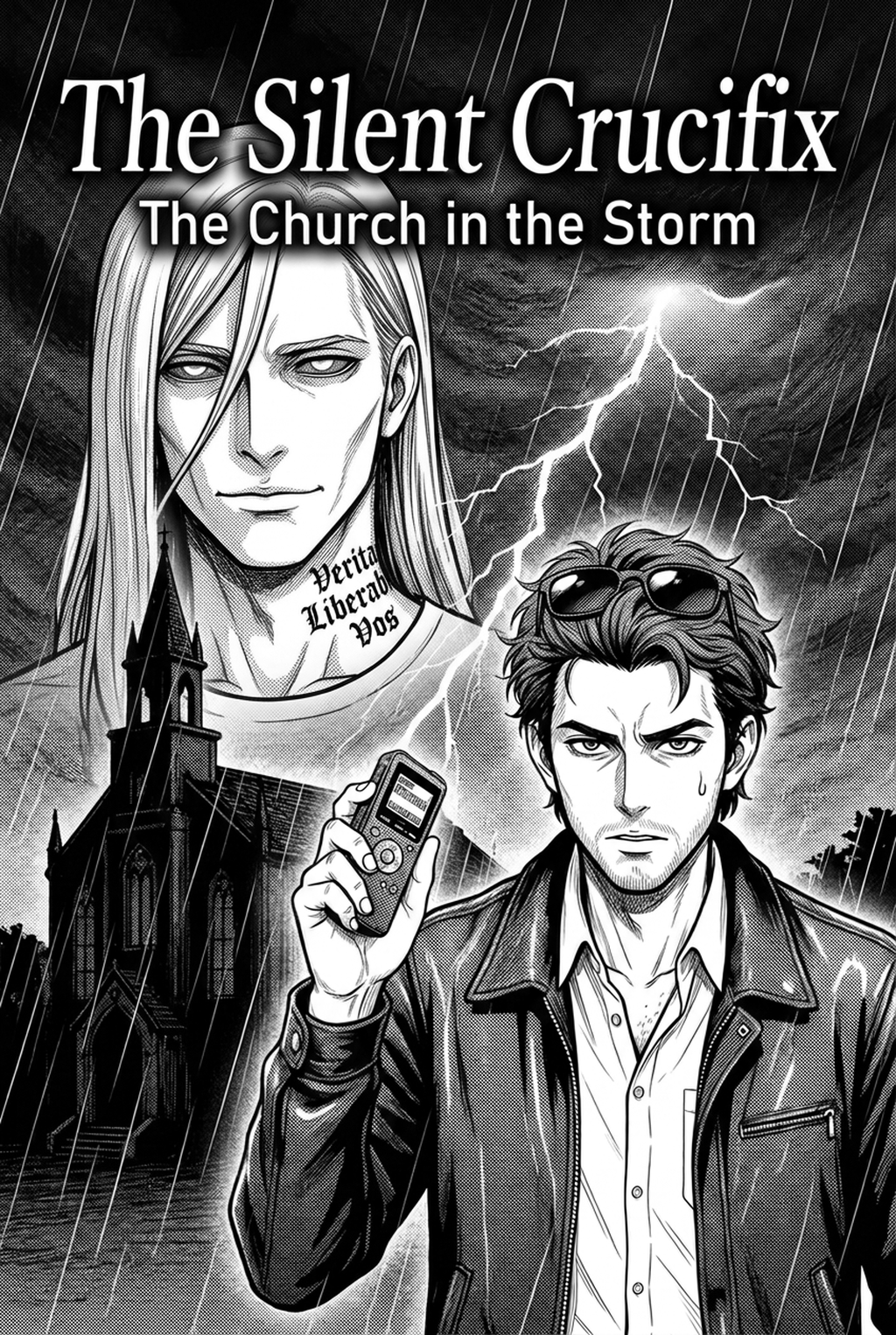
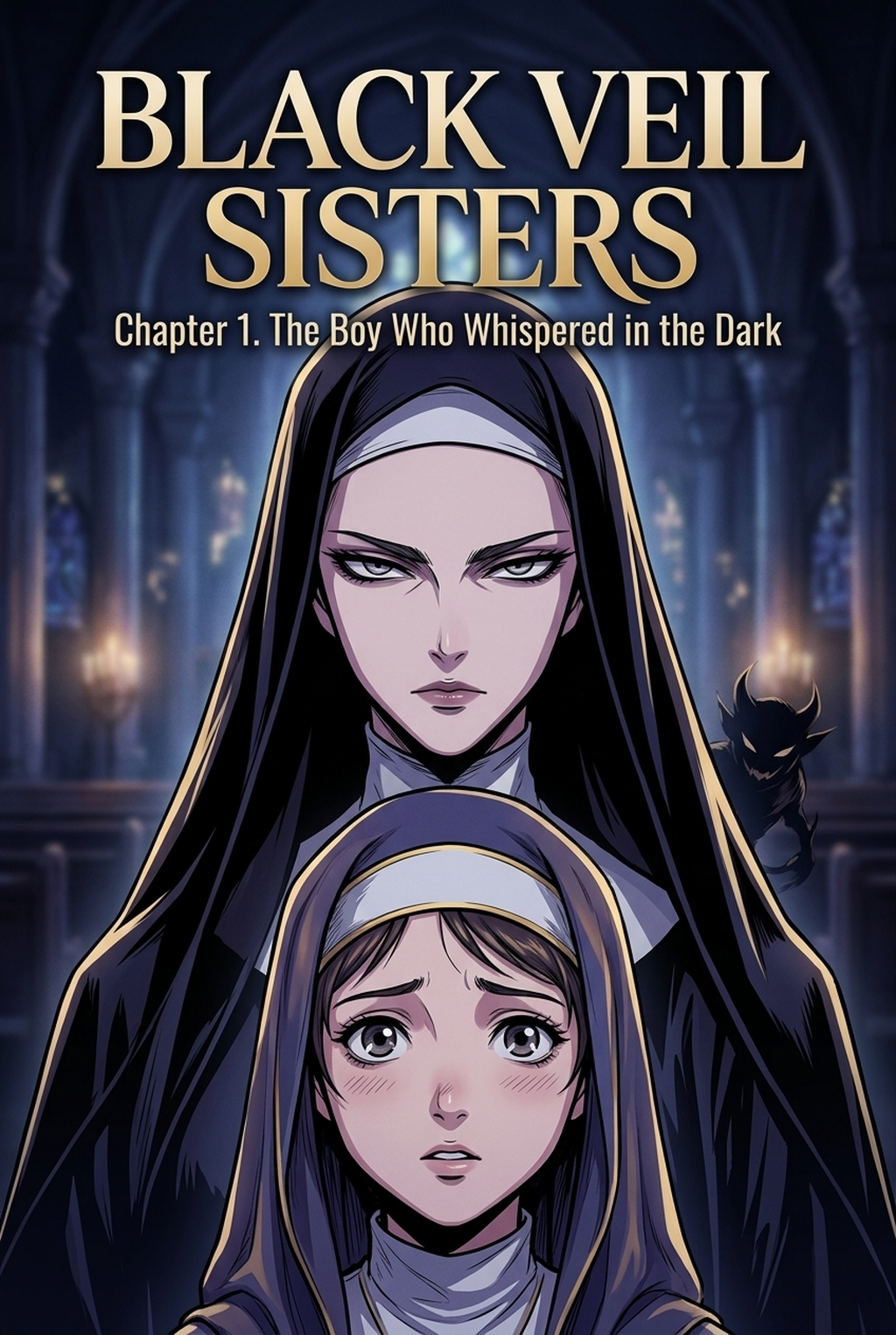
An AI webtoon maker enables digital storytellers to script, storyboard, generate consistent characters, and format vertical-scroll comic panels at 10x traditional production speed. By utilizing specialized generative diffusion models, intelligent panel gutters, and semantic dialogue placement, modern creators can publish serialized webtoons independently without requiring massive multi-assistant studio budgets or months of manual line art.
! AI Webtoon Maker Guide 2026 Cover Figure 1: Complete end-to-end production architecture of modern AI-assisted vertical webtoon generation on Mangaka, showing script-to-panel conversion and style consistency.
Table of Contents
- The Evolution of Vertical Webtoons and Generative Production
- Structural Anatomy of High-Retention Vertical Webtoons
- Deep Computational Mechanics: How AI Comic Engines Function
- End-to-End Production Pipeline: From Raw Idea to Live Episode
- The Science of Scrolling: Visual Pacing, Gutters, and Occlusion
- Overcoming Visual Drift: Multi-Angle Character Consistency
- Cinematic Color Theory, Atmospheric Lighting, and Volumetrics
- Professional Dialogue Lettering, Sound Effects, and Typography
- Mobile Optimization, Asset Slicing, and Global Syndication
- Monetization, Audience Growth, and Creator Economy in 2026
- Troubleshooting Common AI Artifacts in Sequential Art
- Frequently Asked Questions (FAQ)
1. The Evolution of Vertical Webtoons and Generative Production
The digital comic industry has undergone two monumental seismic shifts over the past twenty-five years. The first was architectural: the migration from traditional physical print layouts—such as Japanese tankobon volumes, European bande dessinée albums, and American 32-page floppy comic books—to the vertically scrolling, infinite-canvas format pioneered in South Korea known as the webtoon. This design revolution acknowledged an undeniable ergonomic reality: over eighty percent of digital content consumption occurs on handheld mobile smartphones held in portrait orientation. By discarding fixed horizontal aspect ratios, webtoon pioneers established a dynamic reading experience tailored directly to continuous thumb scrolling.
However, the second seismic shift—which is reaching maturity in 2026—is technological and operational. Historically, maintaining a serialized weekly webtoon series on major platforms like Naver Webtoon, Line Webtoon, KakaoPage, or Tapas required an industrial assembly line of artistic labor. A single standard weekly chapter comprises 50 to 85 fully colored, polished panels. For a solo indie creator, hand-illustrating, inking, coloring, lighting, and lettering this volume of content equates to an 80-to-100-hour workweek. Even high-earning serialized creators routinely require teams of four to eight assistants: a 3D background technician utilizing SketchUp or Blender assets, a flat colorist, a secondary rendering artist for hair and skin specular highlights, an inker handling background extras, and a dedicated lettering proofreader.
This extreme production friction created a massive barrier to entry. Exceptional narrative writers with brilliant worldbuilding and dialogue chops were shut out of the comic medium if they lacked decade-long academic illustration training. Conversely, talented character illustrators often struggled with grueling production burnouts, chronic tendinitis, and career-ending carpal tunnel syndrome after only a few seasons of publication.
The emergence of dedicated Mangaka AI storytelling software represents the structural solution to this industry bottleneck. Rather than replacing human artistic vision, modern generative AI webtoon engines act as a cognitive prosthetic and high-speed virtual production assistant. Solo creators, novelist teams, and boutique creative studios can now convert narrative scripts into fully articulated visual storyboards, execute automated perspective-correct background rendering, maintain perfect character facial coherence across hundreds of panels, and format responsive mobile typography within hours rather than weeks.
To contextualize this rapid evolution within broader media history, scholars frequently reference the digital transition documented on Wikipedia's comprehensive overview of Webtoons , as well as ongoing academic discourse on interactive storytelling published in the MIT Technology Review .
2. Structural Anatomy of High-Retention Vertical Webtoons
Creating a successful vertical comic requires an artistic mindset fundamentally distinct from traditional grid-based sequential art. On a standard comic page, the entire layout is immediately visible to the reader upon turning the page. The artist must employ sophisticated compositional tricks—such as lead-in lines, character gazes, and word balloon tails—to prevent the reader's gaze from inadvertently spoiling the climactic panel at the bottom right corner.
In sharp contrast, a vertical webtoon operates under strict viewport occlusion. At any given moment, the reader's perception is bounded strictly by the physical dimensions of their mobile display (typically a 19.5:9 or 20:9 aspect ratio). This dynamic presents profound artistic advantages alongside distinct storytelling challenges:
2.1 The Vertical Reading Vector
The reader's eye naturally tracks downward along a continuous vertical central axis. Horizontal eye movements occur primarily to digest dialogue text inside speech bubbles or to scan character interactions within wide cinematic panels. If an artist forces the reader to zigzag erratically across the horizontal plane without clear visual motivation, cognitive friction accumulates, leading to reader drop-off and decreased chapter completion rates.
2.2 Panel Hierarchy and Functionality
- The Narrative Anchor (Establishing Panel): Often spanning 1.5x to 2x the mobile viewport height, this panel immerses the audience into a novel setting. It establishes weather conditions, architectural scale, time of day, and ambient emotional mood.
- The Conversational Beat (Medium Shot): Focused from the waist or chest up, these standard panels convey interpersonal dynamics, conversational rhythm, and subtle physical posturing.
- The Psychological Impact (Extreme Close-Up): Tightly framed on a character's trembling iris, a parting lip, or a clenched fist dripping with blood. Under mobile occlusion, sudden transitions into high-contrast close-ups deliver visceral emotional shocks.
- The Cinematic Descent (Panoramic Scroll): Vertical illustrations that require two to three full thumb swipes to traverse. This technique is unmatched in conveying towering heights, colossal fantasy monsters, or dizzying free-falls.
! Vertical Webtoon Structural Composition Figure 2: Architectural breakdown of continuous vertical scroll composition, illustrating how gutter dimensions regulate reader reading velocity on mobile displays.
For creators eager to master narrative pacing, reviewing our detailed tutorial on manga storyboard fundamentals and pacing provides a solid technical framework, which can be further augmented by the structural pacing rules documented at Animation World Network .
3. Deep Computational Mechanics: How AI Comic Engines Function
To harness generative AI effectively for sequential storytelling, creators must understand what happens beneath the graphical interface. An off-the-shelf generalist text-to-image generator (such as basic Midjourney or raw vanilla Stable Diffusion) is inherently ill-suited for webtoon creation because it treats every generation as an isolated, standalone canvas with zero spatial or temporal memory of previous prompts.
A purpose-built comic generation suite integrates an ensemble of specialized neural network pipelines:
3.1 Semantic Script-to-Scene Parsing
Modern comic generation begins with specialized natural language models fine-tuned on theatrical screenplays and sequential art scripts. When an author enters a descriptive paragraph, the NLP parser performs entity extraction, identifying:
- Active characters and their assigned design IDs.
- Emotional state and facial expression vectors (e.g., micro-expressions like sneering, tearful smiling, suppressed fury).
- Camera perspective, focal length, and shot distance (e.g., dutch angle, worms-eye view, telephoto compression).
- Environmental lighting parameters (e.g., golden hour rim lighting, neon noir cybernetic ambiance).
- Dialogue, speaker attribution, and emotional inflection tags.
3.2 Multi-Conditioning Control Networks (ControlNet)
Text descriptions alone cannot guarantee exact bodily kinematics or spatial blocking. Dedicated webtoon engines utilize ControlNet adapters that impose rigid structural boundaries upon the diffusion process:
- OpenPose & DensePose: Extracts anatomical skeletal joints to enforce exact physical poses, combat choreography, or delicate hand gestures without generating extra fingers or distorted limbs.
- Canny Edge & Lineart Processors: Preserves creator sketch underdrawings, allowing human artists to guide the generative engine using rough thumbnail scribbles.
- Depth Map Estimation: Generates z-axis depth representations that ensure foreground characters remain distinctly separated from midground props and background architecture.
3.3 IP-Adapter and Cross-Attention Latent Injection
The critical breakthrough for character consistency is cross-attention feature injection. Rather than requiring users to bake a 2-gigabyte LoRA checkpoint for every minor side character, image prompt adapters (IP-Adapters) decouple character visual identity from base artistic style. By feeding high-resolution reference portraits into decoupled cross-attention layers, the neural network extracts mathematical facial geometry, hair locks, and clothing textures, seamlessly mapping them onto novel poses and perspective angles.
For software engineers and technical artists interested in exploring the computational mathematics behind modern diffusion models, open-access papers on ArXiv Computer Vision and the developer guides maintained by the World Wide Web Consortium (W3C) offer exhaustive technical deep dives.
4. End-to-End Production Pipeline: From Raw Idea to Live Episode
Executing a serialized webtoon episode from scratch requires strict discipline and methodical adherence to a phased workflow. Attempting to generate finished, polished art before establishing narrative pacing and dialogue flow inevitably results in wasted rendering cycles and disjointed visual storytelling.
Phase 1: Screenplay and Panel Scripting
Write your entire chapter in structured screenplay format before launching your generative studio. Break the narrative into discrete scenes, and sub-divide each scene into 6 to 12 panel descriptions. Ensure every panel fulfills at least one of three fundamental storytelling criteria: advancing the plot, revealing character psychology, or conveying crucial world lore.
Phase 2: Rapid Thumbnailing and Gutter Layout (The "Name")
Import your script into Mangaka AI Creator Suite . The system automatically populates a continuous vertical canvas with proportional panel frames, placeholder speech bubbles, and low-resolution draft thumbnails. This allows you to evaluate the pacing of your dialogue and the rhythm of your scroll before committing to high-definition rendering passes.
! Webtoon Inpainting and Iteration Pipeline Figure 3: Iterative panel refinement using regional inpainting, latent upscaling, and precise brush masking to correct anatomy and lighting balance.
Phase 3: High-Definition Asset Synthesis
Execute targeted generation passes for each panel using your predefined character anchors and environmental LoRAs. Leverage iterative regional inpainting to correct minor generative flaws—such as refining the specular reflections on an iris, sharpening a sword blade edge, or adjusting the fold physics of a silk cape.
Phase 4: Environmental Lighting Harmonization
Composite characters against their architectural backgrounds. Apply unified ambient color grading across adjacent panels to reflect time progression—such as shifting color temperatures from cool cerulean dawn to warm amber dusk.
Phase 5: Vector Lettering and Localized Typography
Position vector speech bubbles along natural sightlines. Use expressive hand-drawn sound effect typography (SFX) that integrates organically with the panel artwork rather than feeling stamped on top as an afterthought.
Phase 6: Final Mobile Viewport Quality Audit
Download the continuous strip to a physical smartphone or test it within a mobile viewport emulator. Scroll through the chapter at normal reading speeds to identify visual friction, awkward bubble jumps, or abrupt lighting changes.
For further practical insights into comic book creation workflows, consult the classic educational resources preserved at The Library of Congress Sequential Art Archives and design tutorials hosted on Adobe Creative Cloud Education .
5. The Science of Scrolling: Visual Pacing, Gutters, and Occlusion
The most profound mistake made by illustrators transitioning from traditional page comics to vertical webtoons is treating gutters as mere blank margins. In a vertical webtoon, vertical space is literally time. The physical distance between panel borders dictates the exact temporal duration of the reader's silence.
5.1 The Psychology of Gutter Spacing
- Compressed Gutters (0px to 80px): When panels are stacked closely together or actively overlap, the reader experiences instantaneous sequential action. This is the optimal layout for rapid martial arts exchanges, vehicular collisions, or chaotic panic scenes where characters have zero time to contemplate their actions.
- Balanced Narrative Gutters (120px to 250px): The standard spacing for conversational exchanges. It provides sufficient breathing room for speech bubbles while maintaining forward narrative momentum.
- Extended Negative Gutters (400px to 1000px): Long expanses of solid white, deep black, or soft gradient textures. When a character receives catastrophic news or makes a heartbreaking realization, forcing the reader to scroll through an empty vertical void forces their subconscious mind to linger on the emotional weight of that revelation.
5.2 Seamless Continuous Panoramas
One of the most breathtaking visual techniques in modern webtoon creation is the seamless vertical panoramic illustration. In this setup, a single continuous artwork spans four to five vertical screen heights. As the user scrolls, they might follow an arrow falling from an archer's high castle parapet all the way down into the crowded city streets below, passing various characters reacting in real time.
To examine how dynamic framing principles compare across different comic formats, review our analytical guide on 4-koma manga panel structures and four-panel comedy pacing . You can also study continuous digital storytelling patterns discussed in research published by Webtoon Canvas Creator Hub .
6. Overcoming Visual Drift: Multi-Angle Character Consistency
Character consistency is the absolute litmus test of professional sequential comic production. If a reader cannot instantly identify the protagonist across different lighting conditions, facial expressions, and clothing changes, emotional investment evaporates.
6.1 Building Production-Grade Model Sheets
Prior to generating your first public chapter, generate comprehensive character turnarounds for every cast member:
- Frontal Neutral Pose: Flat lighting, neutral expression, crisp silhouette.
- Three-Quarter Profile: The workhorse angle for 70% of comic dialogue panels.
- True Profile (90-degree): Essential for dramatic staring scenes and tracking action shots.
- Expression Matrix: Generate eight distinct emotional expressions—joy, sorrow, blind fury, disgust, terror, calm contemplation, exhaustion, and smirking irony.
! Character Design and Model Sheets Figure 4: Detailed multi-angle model sheets and facial feature matrices utilized to calibrate generative latent weights across serialized episodes.
6.2 Seed Locking and Seed Offset Mathematics
When producing consecutive panels within the same room or scene, lock the initial noise seed of your latent generator. By keeping the base seed constant and applying subtle sub-seed variations (typically 0.15 to 0.35 variance), you allow characters to change expressions and gestures while keeping the underlying structural facial bones, eye spacing, and cranial proportions 100% mathematically stable.
For creators developing complex character ensembles, study our specialized tutorial on shonen character design and silhouette theory , and cross-reference character silhouette archives at Character Design Reference .
7. Cinematic Color Theory, Atmospheric Lighting, and Volumetrics
Color in vertical webtoons is not merely decorative—it is the primary driver of subconscious psychological response. Because webtoons are viewed on backlit OLED and IPS screens capable of reproducing 100% sRGB or DCI-P3 color gamuts, creators can utilize deep saturated blacks, blinding neon glows, and subtle gradient shifts that would muddy or print poorly on newsprint manga paper.
7.1 Genre Color Conventions
- Romance & Otome Isekai: Warm pastels, golden amber rim lights, soft peach skin undertones, and shimmering chromatic bloom. Backgrounds often feature diffuse watercolor washes to emphasize dreamlike escapism.
- Shonen & Action: Bold primary hues, high-saturation electric blues and fiery magmas, extreme contrast between illuminated magical strikes and pitch-black cast shadows.
- Psychological Horror & Mystery: Desaturated olive drab, muddy rust ochres, cold institutional teals, and heavy vignette drop-offs that induce claustrophobia.
7.2 Automated Harmonization Workflows
When integrating generative panels produced under varying prompt conditions, use color grading overlays (LUTs - Look-Up Tables) across the entire vertical strip. This ties disparate panels together into a unified tonal ecosystem. Discover our dedicated operational breakdown of modern digital colorist workflows , and study advanced digital color spaces documented by the Rochester Institute of Technology Munsell Color Lab .
8. Professional Dialogue Lettering, Sound Effects, and Typography
Lettering represents the bridge between literary storytelling and visual artistry. Mediocre lettering instantly betrays an amateur production, regardless of how gorgeous the underlying illustration may be.
8.1 Speech Bubble Placement Rules
- Top-Down Priority: In Western and vertical webtoon formats, dialogues must be digested from top-to-bottom and left-to-right. A speech bubble belonging to the initiating speaker must never be positioned lower on the vertical canvas than the bubble containing the respondent's dialogue.
- Negative Space Preservation: Never allow speech balloons to cover crucial character micro-expressions, active hands, or narrative focal points. Anchor balloons in negative background space, ceiling areas, or across panel gutters.
- Punctuation and Kerning: Webtoon dialogue requires generous line leading and kerning to ensure effortless legibility on screens ranging from 5.4 inches to 6.8 inches in size.
! Lettering and Onomatopoeia Layout Figure 5: Professional typography architecture, showing speech balloon tail paths, text padding, and organic sound effect (SFX) integration.
8.2 Dynamic Sound Effects (Onomatopoeia)
Sound effects (SFX) in webtoons function as visual sound design. Kinetic action sounds (such as BOOM, SLASH, or CRACK) should be drawn with aggressive angles, heavy drop shadows, and vibrant accent colors. Ambient background sounds (such as drip, rustle, or whisper) should blend subtly into environmental textures.
Mastering the typography of comic letterforms is made significantly easier by studying professional lettering catalogs maintained at Blambot Comic Fonts and Academy .
9. Mobile Optimization, Asset Slicing, and Global Syndication
Once an episode is assembled, it must be prepared for delivery across global cloud delivery networks (CDNs). A single continuous webtoon chapter can easily reach 800 pixels wide by 40,000 pixels long. Attempting to load a single 40,000-pixel graphic into a mobile browser will instantly crash iOS Safari and Android Chrome due to GPU texture memory allocation limits.
9.1 Slicing Protocols
Creators must slice continuous vertical strips into uniform vertical segments:
- WEBTOON Canvas Standard: Width 800px, Max slice height 1280px, Max file size 2MB per slice (total chapter upload capped at 20MB).
- Tapas Community Standard: Width 940px, Max slice height 4000px, Max file size 2MB per slice.
- Modern WebP Compression: Converting legacy JPG/PNG slices to modern WebP or AVIF image containers reduces mobile data consumption by up to 55% while eliminating compression banding in delicate color gradients.
Explore serialized indie webtoons and community works produced on Mangaka Public Stories to observe live slicing and CDN delivery in action.
10. Monetization, Audience Growth, and Creator Economy in 2026
Publishing a serialized webtoon in 2026 offers unprecedented economic opportunities for self-published indie creators. The traditional publishing monopoly has broken down in favor of multi-channel creator economy models:
- Early Access Patreon / Fanbox Tiers: Readers pay monthly subscriptions ($3 to $15/month) to read 3 to 5 chapters ahead of the public free release.
- Platform Microtransactions (FastPass / Ink): Direct revenue shares generated from readers unlocking paywalled episodes on Tapas, Webtoon, and specialized indie hubs.
- Physical Crowdfunding (Kickstarter / BackerKit): Collecting serialized digital webtoon seasons into luxurious hardcover graphic novels with foil stamping, exclusive bookplates, and behind-the-scenes concept art.
- Merchandising & Print-on-Demand: Leveraging consistent vector character designs to manufacture high-margin merchandise, acrylic standees, apparel, and enamel pins.
By drastically reducing production overhead with AI webtoon makers, creators reach operational profitability with only a few hundred loyal patrons rather than requiring hundreds of thousands of casual readers.
11. Troubleshooting Common AI Artifacts in Sequential Art
Even state-of-the-art generative tools can occasionally introduce visual anomalies. Recognizing and addressing these issues rapidly is essential to maintaining high publishing velocities:
- Anatomical Glitches (Hands and Eyes): Never accept malformed digits or misaligned pupils. Use targeted inpainting masks at 1.5x resolution to regenerate the isolated hand or eye cluster while leaving the surrounding panel untouched.
- Lighting Incoherence: If a character appears flatly lit while standing before a glowing neon sign, paint a rough luminous overlay in Clip Studio Paint or Photoshop, then run a light img2img denoising pass (denoise strength 0.25 to 0.35) to harmonize the bounce lighting.
- Prompt Bleed: When describing two characters in the same panel (e.g., "a blonde knight talking to a dark-haired rogue"), generative engines often cross-contaminate colors. Prevent this by using regional latent conditioning or generating characters on transparent layers before compositing.
13. Comprehensive Case Study: Step-by-Step Breakdown of a 60-Panel Fantasy Action Episode
To illustrate the practical real-world execution of these sequential storytelling methodologies, let us examine an exhaustive, panel-by-panel anatomical breakdown of a benchmark 60-panel fantasy action webtoon chapter. By deconstructing how narrative pacing, camera framing, gutter duration, and dialogue placement interact across real-world production constraints, creators can observe exactly how professional studios achieve viral reader retention.
Act I: Establishing Mood and Environmental Scale (Panels 01 to 15)
The opening sequence of an episode bears the critical cognitive burden of transitioning the reader from external social media distractions into your fictional universe.
- Panels 01–03 (The Atmospheric Descending Zoom): The episode commences with an expansive vertical panoramic establishing shot spanning 2400 vertical pixels. At the apex, turbulent violet thunderclouds gather above an ancient basalt mountain range. As the reader's thumb executes two consecutive downward scrolls, the camera perspective descends through the jagged peaks, revealing the decaying spires of an abandoned imperial fortress. Gutter spacing between these opening establishing beats is maintained at 250 pixels to instill a sense of solemn, quiet isolation.
- Panels 04–08 (Subject Introduction & Ambient Sound): The camera cuts to a mid-shot of the protagonist, Lady Kaelen, perched upon a crumbling battlement. A soft ambient sound effect (fwoooosh) cascades downward in semi-transparent light grey typography, visually tracking the prevailing mountain wind. Here, the character prompt utilized the locked seed parameters and high-precision IP-Adapter weights calibrated against her canonical model sheet, ensuring her braided silver hair, scarred left cheek, and oxidized bronze pauldron match previous episodes with surgical fidelity.
- Panels 09–15 (Dialogue Inciting Incident): A raven carrying a crimson wax-sealed cylinder descends into frame. The dialogue exchange between Kaelen and her scout lieutenant utilizes strict top-down visual hierarchy: the lieutenant's cautionary question occupies the upper-left quadrant of Panel 11, while Kaelen's dismissive, resolute command sits lower right in Panel 12. Gutter spacing contracts moderately to 140 pixels, signaling the narrative transition from ambient exploration into active interpersonal tension.
Act II: Escalation, Kinetic Clashes, and Dynamic Gutters (Panels 16 to 45)
As hostile scouts breach the fortress courtyard, the visual grammar shifts abruptly from contemplation to visceral, high-velocity choreography.
- Panels 16–25 (The Sudden Breach & Compressed Gutter Rhythm): The courtyard gate explodes inward. To simulate disorientation and shock, vertical gutters are ruthlessly crushed to 0 pixels—adjacent panels overlap diagonally at 15-degree canted angles. Panel 17 depicts splintered oak beams flying outward; Panel 18 captures Kaelen's eyes widening in an extreme close-up; Panel 19 shows her hand unsheathing her blade in a motion-blurred blur. This rapid-fire sequence forces the reader's thumb to swipe rapidly across the glass, elevating their heart rate through physical interaction.
- Panels 26–35 (Choreography, Speed Lines, and Spatial ControlNet): The melee sequence relies heavily on OpenPose skeletal guidance to map out realistic sword fighting stances derived from historical European martial arts manuals. Broad slashing motions feature bold, hand-drawn speed lines that extend outside panel borders and slice through the white gutters, guiding the reader's eye diagonally across the screen. Sound effects (CLANG, SHRRRK, THUMP) are styled in saturated crimson with heavy black offset drop shadows, providing auditory punch to the visual impacts.
- Panels 36–45 (The Tactical Reversal): A mid-tier commander wielding a heavy warhammer enters the fray, swinging downward in an extreme worm's-eye perspective panel. To emphasize the crushing weight of the impact, the ground impact panel features dense fracture debris rendered through specialized depth maps, casting jagged volumetric shadows across the snow-covered cobblestones.
Act III: Climactic Revelation, Emotional Respite, and the Cliffhanger Hook (Panels 46 to 60)
High-intensity action cannot be sustained indefinitely without causing sensory fatigue. The final act of the chapter orchestrates a deliberate decompression leading up to an irresistible weekly cliffhanger.
- Panels 46–52 (The Aftermath & Volumetric Lighting): With the enemy vanguard repelled, the battlefield falls silent. The camera pulls back to a high three-quarter angle. Heavy golden hour sunset rays slice through the lingering smoke and dust, casting long, dramatic umber shadows across the courtyard. Colors transition from high-contrast combat primaries to warm, bittersweet amber hues. Gutters expand dramatically to 400 pixels, forcing the reader to scroll through quiet expanses of drifting embers.
- Panels 53–57 (Emotional Intimacy): Kaelen kneels beside a fallen comrade. The focus tightens onto micro-expressions: a subtle furrow of the brow, a tightening jawline, a droplet of sweat mixing with grime. Because the underlying model sheet preserves emotional expression matrices, her grief is captured without exaggerating into melodramatic caricature.
- Panels 58–60 (The Final Scroll & Cliffhanger Hook): In the penultimate panel, Kaelen discovers a cryptic insignia engraved upon the enemy leader's signet ring—the crest of her own royal house. The final panel is an extreme macro shot of the crest, followed by an immense 800-pixel black gutter terminating in a single enigmatic line of internal monologue: "The treason didn't come from the borders... it came from the throne." The reader reaches the bottom of the chapter with maximum emotional suspense, directly driving episode likes, comments, and weekly subscriber retention.
12. Frequently Asked Questions (FAQ)
What is an AI webtoon maker?
An AI webtoon maker is a specialized creative software suite that integrates natural language screenplay parsing, generative image diffusion, spatial pose control, and vertical canvas layout automation to help creators design, illustrate, and publish digital vertical-scroll webtoons at 10x traditional speed.
Can creators legally publish AI-assisted webtoons on WEBTOON Canvas and Tapas?
Yes. Both WEBTOON Canvas and Tapas permit AI-assisted digital comics, provided that the creator holds legal ownership of the narrative concepts and original characters, and complies with platform community standards and copyright guidelines.
How do AI webtoon engines maintain character consistency across 60+ panels?
Professional suites maintain consistency through a combination of multi-angle character model sheets, LoRA fine-tuning weights, ControlNet anatomical pose locks, and cross-attention IP-Adapters that preserve facial geometry, hair silhouettes, and costume textures across diverse scene compositions.
What canvas resolution should vertical webtoon episodes be created at?
While platform upload specs typically require 800px or 940px width, professional creators synthesize raw panel assets at 1600px to 2400px width in 300 DPI. This high-resolution master file allows for future physical print collections and downscales cleanly for mobile web distribution.
Do I need professional digital illustration skills to publish an AI webtoon?
No formal illustration background is required. However, having a solid grasp of storytelling, visual composition, pacing, dialogue lettering, and color theory will dramatically increase the narrative quality and audience retention of your published comic.
How does Mangaka optimize the vertical webtoon creation pipeline compared to generic text-to-image generators?
Mangaka is architected specifically for sequential comic creation. It provides native continuous vertical scroll canvases, multi-panel narrative coherence, automated speech balloon typography, and seamless image slicing optimized for mobile CDN streaming.
{
  "@context": "https://schema.org",
  "@type": "FAQPage",
  "mainEntity": [
    {
      "@type": "Question",
      "name": "What is an AI webtoon maker?",
      "acceptedAnswer": {
        "@type": "Answer",
        "text": "An AI webtoon maker is a specialized creative software suite that integrates natural language screenplay parsing, generative image diffusion, spatial pose control, and vertical canvas layout automation to help creators design, illustrate, and publish digital vertical-scroll webtoons at 10x traditional speed."
      }
    },
    {
      "@type": "Question",
      "name": "Can creators legally publish AI-assisted webtoons on WEBTOON Canvas and Tapas?",
      "acceptedAnswer": {
        "@type": "Answer",
        "text": "Yes. Both WEBTOON Canvas and Tapas permit AI-assisted digital comics, provided that the creator holds legal ownership of the narrative concepts and original characters, and complies with platform community standards and copyright guidelines."
      }
    },
    {
      "@type": "Question",
      "name": "How do AI webtoon engines maintain character consistency across 60+ panels?",
      "acceptedAnswer": {
        "@type": "Answer",
        "text": "Professional suites maintain consistency through a combination of multi-angle character model sheets, LoRA fine-tuning weights, ControlNet anatomical pose locks, and cross-attention IP-Adapters that preserve facial geometry, hair silhouettes, and costume textures across diverse scene compositions."
      }
    },
    {
      "@type": "Question",
      "name": "What canvas resolution should vertical webtoon episodes be created at?",
      "acceptedAnswer": {
        "@type": "Answer",
        "text": "While platform upload specs typically require 800px or 940px width, professional creators synthesize raw panel assets at 1600px to 2400px width in 300 DPI. This high-resolution master file allows for future physical print collections and downscales cleanly for mobile web distribution."
      }
    },
    {
      "@type": "Question",
      "name": "Do I need professional digital illustration skills to publish an AI webtoon?",
      "acceptedAnswer": {
        "@type": "Answer",
        "text": "No formal illustration background is required. However, having a solid grasp of storytelling, visual composition, pacing, dialogue lettering, and color theory will dramatically increase the narrative quality and audience retention of your published comic."
      }
    },
    {
      "@type": "Question",
      "name": "How does Mangaka optimize the vertical webtoon creation pipeline compared to generic text-to-image generators?",
      "acceptedAnswer": {
        "@type": "Answer",
        "text": "Mangaka is architected specifically for sequential comic creation. It provides native continuous vertical scroll canvases, multi-panel narrative coherence, automated speech balloon typography, and seamless image slicing optimized for mobile CDN streaming."
      }
    }
  ]
}