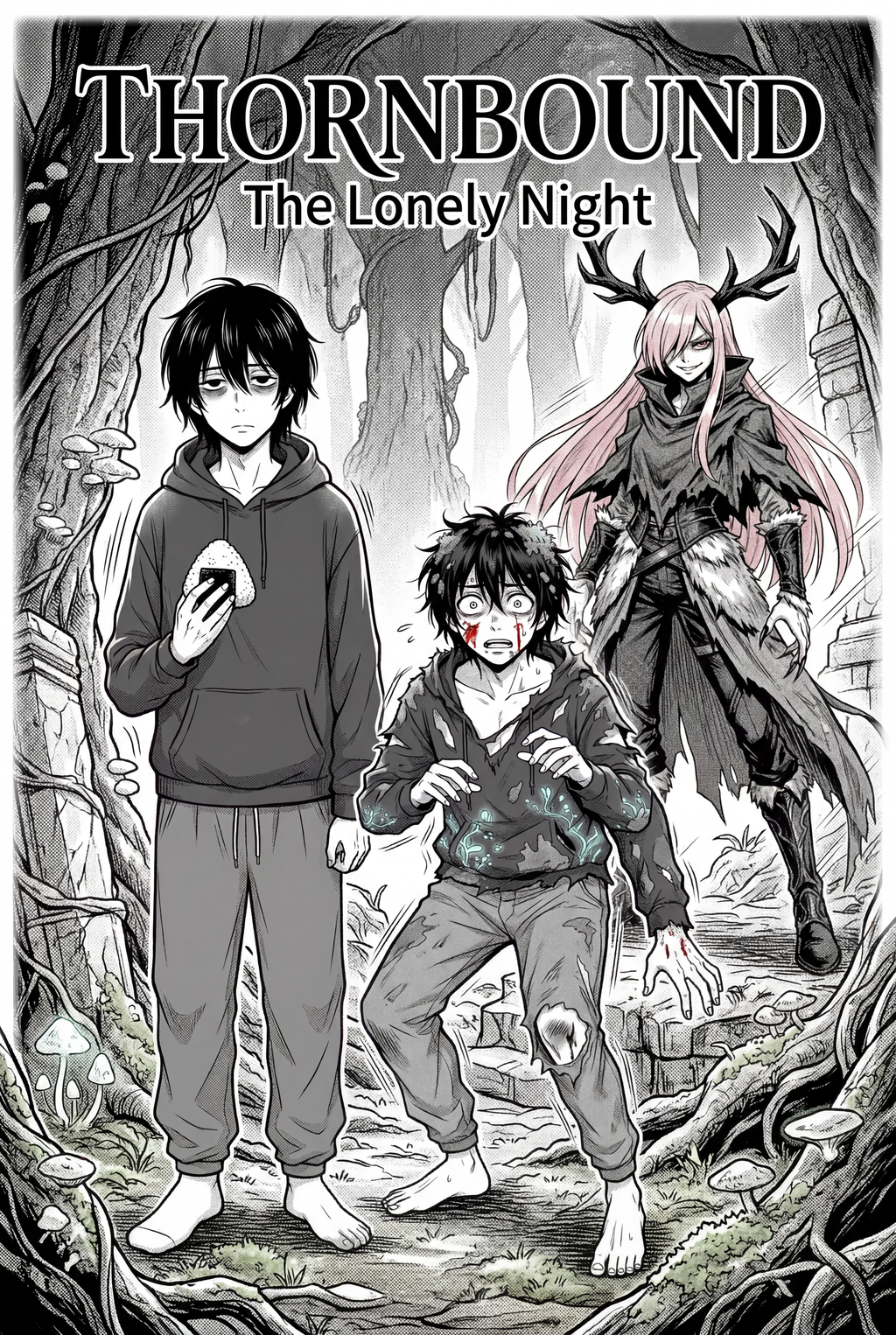
4-Koma Manga Layout Pacing: Visual Storytelling Guide for Digital Comics 2026
4-Koma manga layout pacing relies on the classical Japanese four-act narrative structure known as Kishōtenketsu: Introduction (Ki), Development (Shō), Twist (Ten), and Conclusion (Ketsu). In digital and mobile webtoon environments, optimizing panel proportions, vertical eye-tracking, and comedic punchline timing is critical for reader retention in 2026.
Table of Contents
- The Philosophy of Kishōtenketsu in Digital Comics
- Anatomy of the 4 Panels: Ki, Shō, Ten, Ketsu
- Visual Pacing and Mobile Vertical Scrolling
- Dialogue Placement and Comedic Timing
- AI-Powered Storyboarding for 4-Koma Strips
- Frequently Asked Questions (FAQ)
The Philosophy of Kishōtenketsu in Digital Comics
Unlike the Western three-act dramatic structure that fundamentally demands conflict and resolution, the East Asian Kishōtenketsu framework introduces harmony, expansion, subversion, and synthesis. This structural purity makes 4-koma manga exceptionally potent for webcomic serialization, daily social engagement, and short-form storytelling across global markets, including the booming digital creator economy in India.
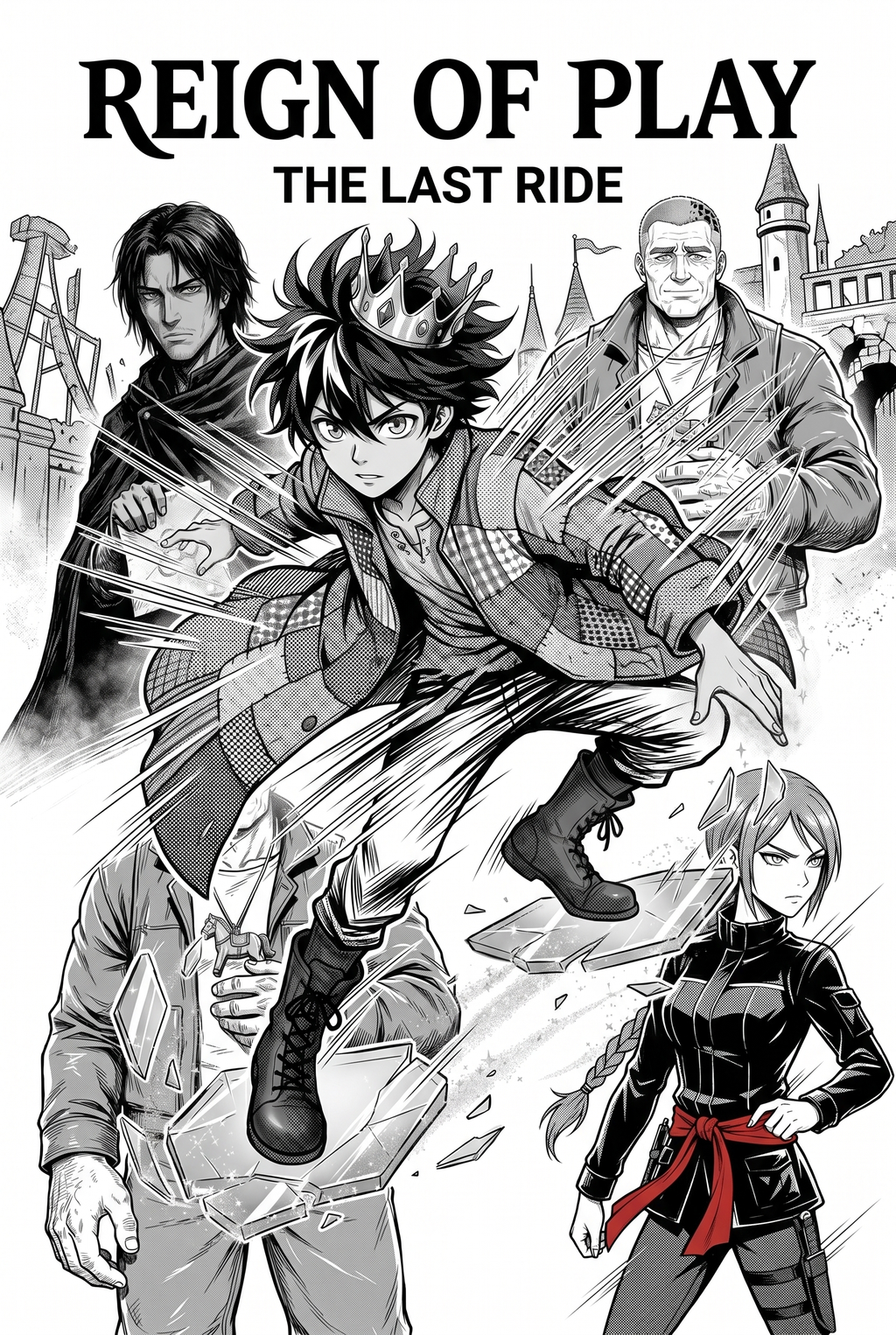
! Classic 4-Koma Panel Structure Demonstration Figure 1: Authentic vertical paneling flow and balanced composition from Mangaka Discovery .
In four brief panels, a creator must establish world rules, deepen character dynamics, violently or subtly shift the reader's expectation, and deliver a memorable payoff. When executed correctly, each strip acts as a standalone bite-sized experience while contributing to long-term character attachment.
Anatomy of the 4 Panels: Ki, Shō, Ten, Ketsu
To master 4-koma pacing, each panel must be treated as a precise tempo beat with strict narrative responsibilities:
- Panel 1 — Ki (Introduction): Sets the physical setting, the characters involved, and the baseline premise. Keep background detail functional and facial expressions neutral or context-setting.
- Panel 2 — Shō (Development): Extends the premise without introducing conflict yet. It reinforces the baseline expectation and lures the reader into a false sense of predictability.
- Panel 3 — Ten (Twist / Subversion): The fulcrum of the strip. The twist introduces an absurd reaction, an unexpected perspective shift, or an unforeseen external event that ruptures the logic of Panel 2.
- Panel 4 — Ketsu (Conclusion / Punchline): Delivers the emotional, comedic, or philosophical fallout of the twist. Often features a deadpan reaction, visual gag, or dialogue kicker.
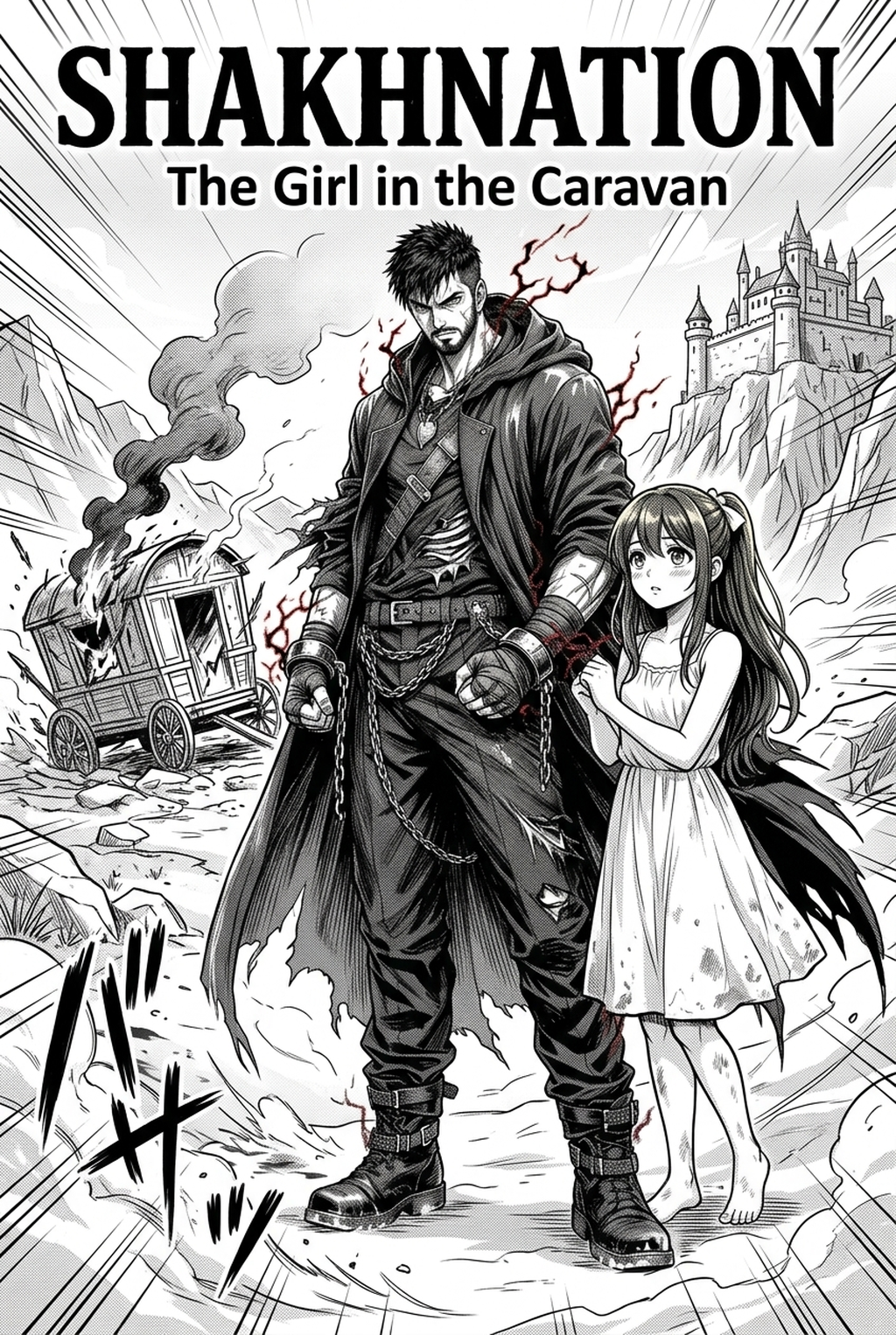
! Comparative Analysis of Kishōtenketsu Beats Figure 2: Sequential development and comedic payoff in a published comic strip on Mangaka Create .
Visual Pacing and Mobile Vertical Scrolling
When adapting 4-koma strips from the traditional print magazine format (two parallel vertical columns read top-to-bottom, right-to-left) to vertical smartphone scrolling (Webtoon format), gutter spacing becomes an essential pacing mechanism.
- Standard Gutters (20–40 px): Used between Panel 1 and Panel 2 to maintain steady reading velocity.
- Expanded Gutters (60–100 px): Placed strategically before Panel 3 (Ten) or Panel 4 (Ketsu) to force a micro-pause, building suspense before the punchline is scrolled into view.
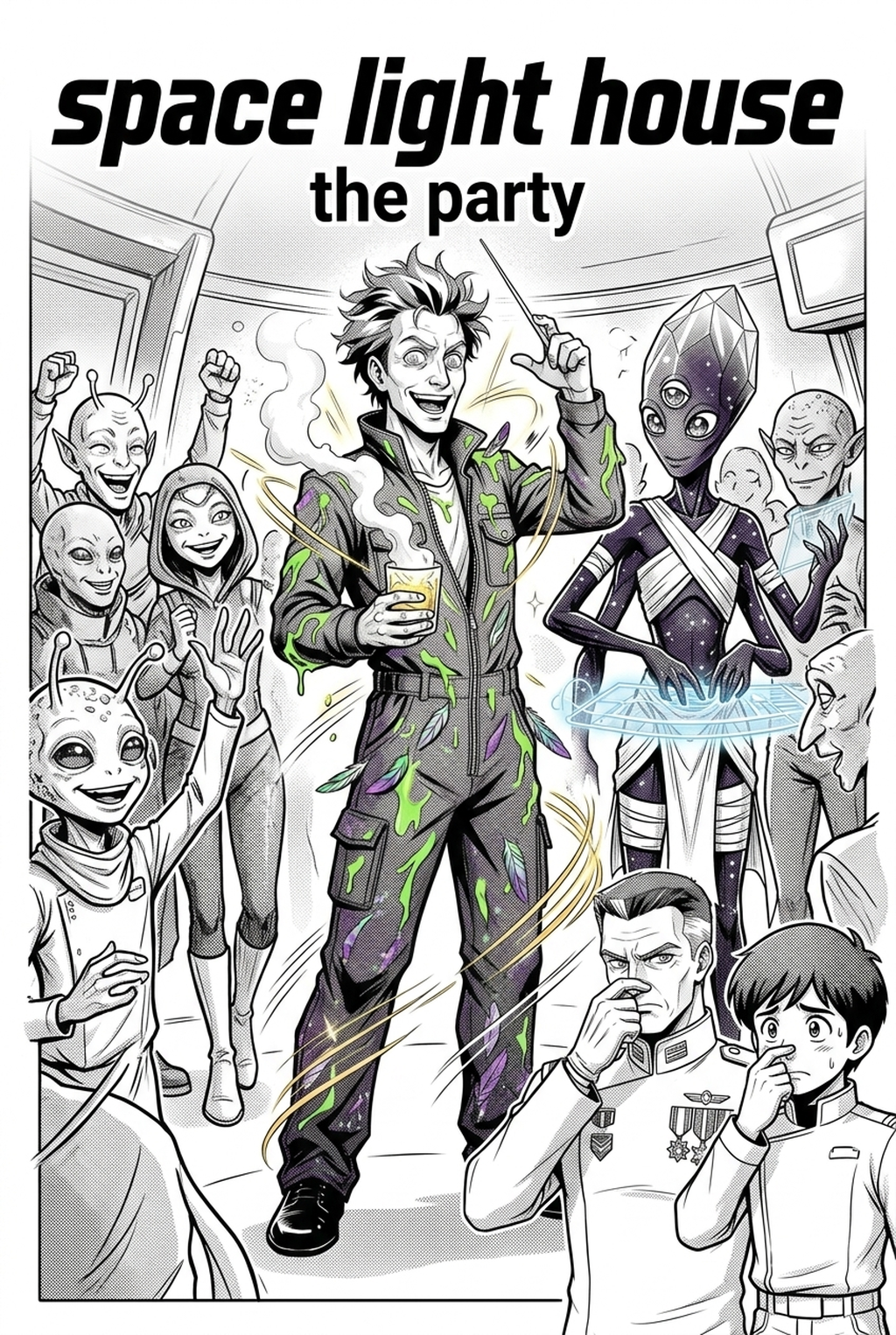
! Panel Gutter Spacing and Reading Velocity Figure 3: Layout pacing variations for desktop and mobile reading ergonomics.
Indian comic creators and webtoon artists frequently utilize vertical whitespace to control the comedic beat, ensuring that visual reveals do not prematurely spoil the punchline while scrolling.
Dialogue Placement and Comedic Timing
Text in 4-koma manga must be ruthlessly edited. A common flaw is overcrowding panels with explanatory dialogue. The visual language should perform 70% of the storytelling, reserving speech bubbles for sharp punchy lines.
Position speech bubbles along natural reading diagonals (top-right to bottom-left for Asian manga, or top-left to bottom-right for English webtoons). Never place dialogue boxes in locations that block key character facial expressions or kinetic reactions.
AI-Powered Storyboarding for 4-Koma Strips
Modern creators leverage AI workflows on platforms like Mangaka to iterate through dozens of four-panel gag permutations within minutes. By feeding character model sheets and scenario prompts into specialized layout tools, writers can preview panel rhythm before committing to detailed inking.
Explore Mangaka subscription tiers to unlock high-resolution automated paneling, multi-panel consistency checks, and one-click vertical webtoon formatting.
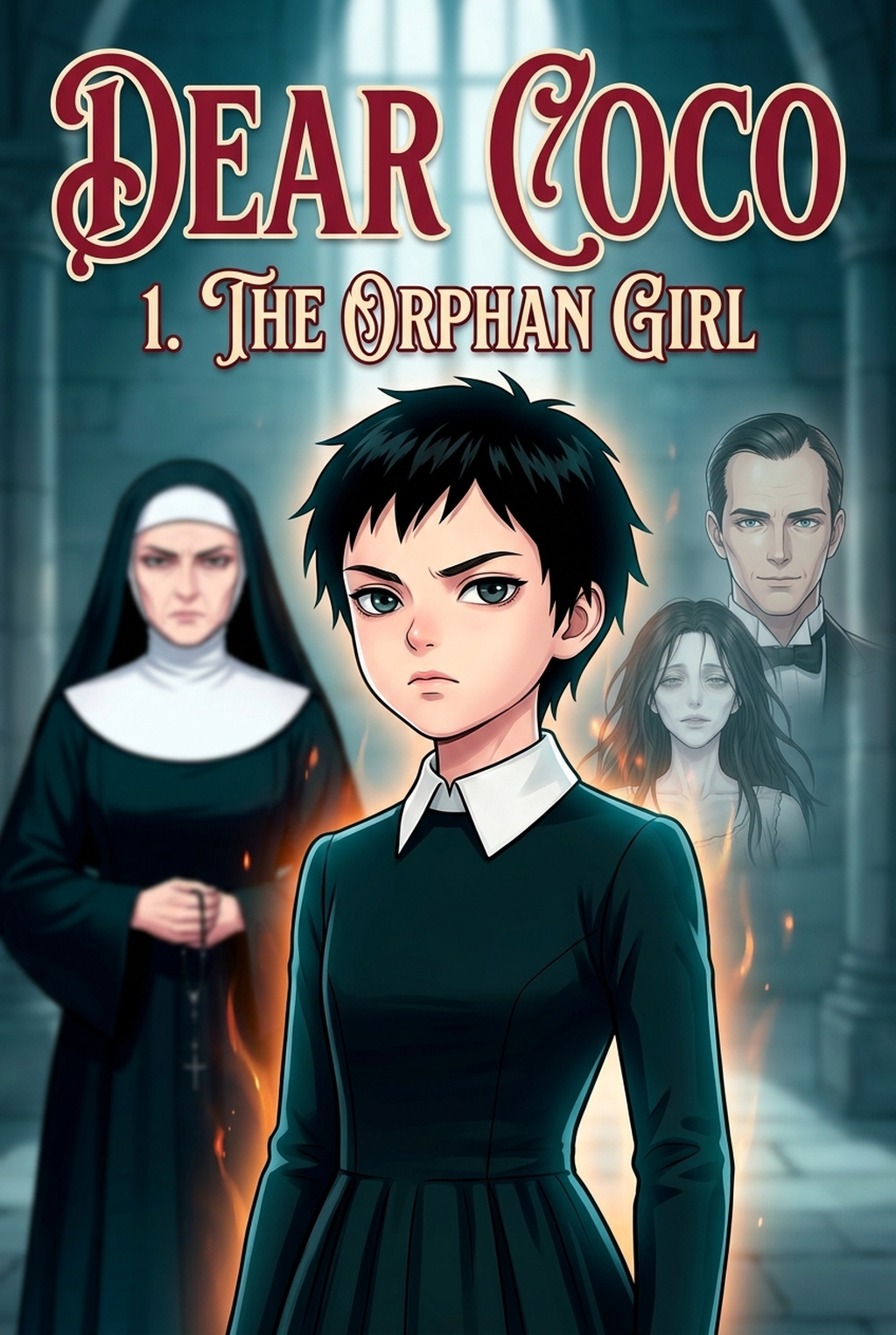
! Finished 4-Koma Manga Strip Production Figure 4: Final assembled four-panel comic strip demonstrating optimal visual rhythm and screentone balance.
For further technical reading on comic pacing and narrative structures, reference industry documentation at the Comic Art Collection , The Society of Illustrators , W3C Web Publication Standards , Webtoon Creators Portal , The Center for Cartoon Studies , Japan Media Arts Festival , and the International Comic Arts Forum .
Frequently Asked Questions (FAQ)
What is the main difference between Kishōtenketsu and Western 3-act structure?
Kishōtenketsu focuses on juxtaposition and surprise rather than direct conflict and climax, making it ideal for non-combative comedy and character slice-of-life storytelling.
How much gutter space should be left between digital 4-koma panels?
For mobile webtoon scrolling, standard gutters range from 30 to 50 pixels, while suspense-building gutters between the setup and punchline can expand to 80–120 pixels.
Can 4-koma manga be serialized as an epic ongoing story?
Yes, famous series like Azumanga Daioh and K-On! use serialized 4-koma strips to build deep character arcs and episodic long-form narratives over multiple volumes.
How many words of dialogue are ideal per 4-koma panel?
Aim for fewer than 15 to 20 words per panel. Excess text clutters the composition and dilutes the immediate comedic impact of visual expressions.
How does AI assist 4-koma creators on Mangaka?
Mangaka provides automatic four-panel grid generation, character consistency locking, and instant scene composition from script outlines.
Is 4-koma suitable for serious or horror genres?
Absolutely. The rigid four-step structure is widely used by horror mangakas to create intense psychological suspense in the third panel and shocking reveals in the fourth.
<script type="application/ld+json"> { "@context": "https://schema.org", "@type": "Article", "headline": "4-Koma Manga Layout Pacing: Visual Storytelling Guide for Digital Comics 2026", "description": "Master the Kishōtenketsu four-panel manga structure. Pacing, comedy timing, and panel rhythm for Indian and global digital comic creators in 2026.", "image": "https://media.doctranslate.io/mangaka/output/570bf044-1ce8-4b5c-a5a2-58cce13dca39/processed_0.jpg?X-Amz-Algorithm=AWS4-HMAC-SHA256&X-Amz-Credential=qa0e1UFJ0Trmajw8ttCM%2F20250505%2Fus-east-1%2Fs3%2Faws4_request&X-Amz-Date=20250505T215851Z&X-Amz-Expires=604800&X-Amz-SignedHeaders=host&X-Amz-Signature=af158ca640724f5c5edf47ff496cfd6ef0aa2f828567a11a92ec7f3fb465c3c7", "inLanguage": "en", "publisher": { "@type": "Organization", "name": "Mangaka", "url": "https://www.mangaka.app" } } </script>