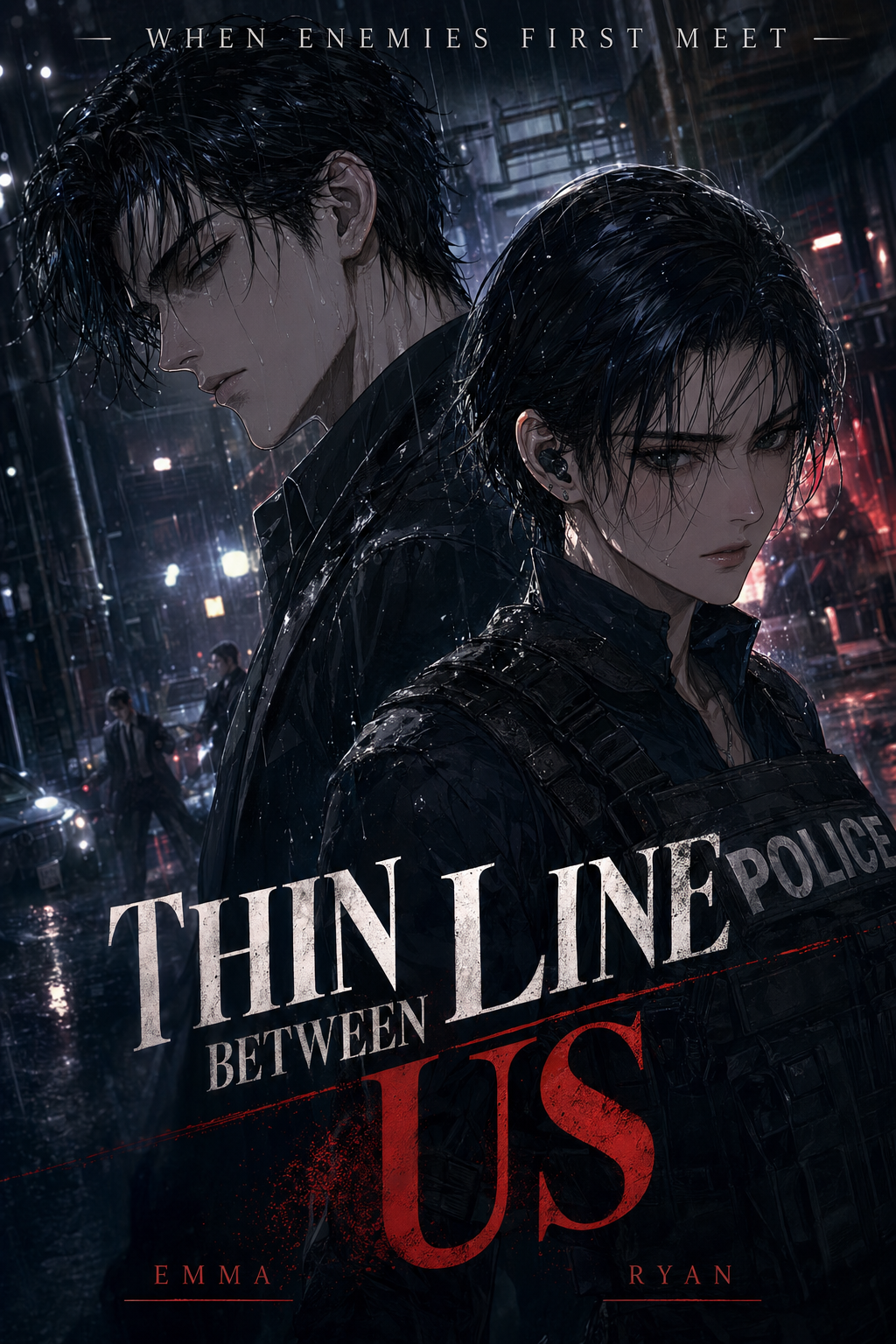
Defining the Colorist Role
A manga colorist is a technical specialist tasked with mapping vibrant color palettes onto monochromatic ink sequences while maintaining the narrative intensity of the source material. They are responsible for managing light sourcing, tonal balance, and thematic mood to ensure that the color presence supports the story rather than distracting from the linework.
Beyond simple flatting, this role involves an acute awareness of delivery formats required by major publishers. A professional must balance aesthetic choices with the mechanical constraints of print, ensuring that the final output remains legible even when shrunk down to the standard dimensions of a tankobon release.
Why Technical Discipline Matters
The greatest risk in this field is the erosion of linework integrity when applying digital color, a failure mode often caused by aggressive automated fills that lack intelligent edge detection. When a creator forces color layers directly onto the ink layer, they lose the ability to refine shadows or adjust highlights without smudging the delicate cross-hatching of the original scan.
True professional workflows rely on maintaining an absolute 'masking' discipline, where the ink layer remains at the top of the project hierarchy as a locked reference. By separating the color fill from the ink, the creator preserves the "source context" of the original drawing, allowing for adjustments that don't destroy the subtle line weight of a character's expression or the tension of an environmental background.
AI Color Integration Workflows
AI-assisted tools like Mangaka reduce the production time per page from several hours to mere minutes by automating the base-layer color placement while respecting the sanctity of the ink file. By utilizing these tools, artists can shift their focus from the tedious nature of flatting to complex color grading and finishing, essentially serving as a force multiplier for a solo creator or a small studio.
These platforms allow creators to maintain non-destructive workflows where the digital layers never overwrite the high-resolution source file. By treating color as an additive process rather than a subtractive one, the artist ensures that every panel retains its intended contrast levels. Creators can start the process by visiting manga colorist with Mangaka to upload their inked pages for instant base-layer separation and intelligent color application.
Professional Use Cases and Constraints
Successful color management requires adherence to specific technical standards that prevent visual output failures during the printing process. When the colorist fails to calibrate for print, the result is often a dull, muted mess that bears little resemblance to the vivid preview shown on an LCD monitor.
- Dialogue Clarity: Maintaining the hierarchy of focus is vital; the background color palettes must be muted or shifted in saturation so that speech bubbles remain instantly legible against the background. * Layer-Stacking Discipline: The review owner of a project must enforce a strict policy where the original ink layer stays at the very top of the stack, preventing any color bleed from obscuring the character outlines.
Implementation Steps for Creators
You can initiate a professional coloring production process by identifying whether you require flatting for immediate production or full rendering for high-impact chapters. The primary challenge remains maintaining the unique brush textures of your original ink pens, which can easily be flattened into oblivion by inferior software that treats lines and colors as a single flat image. Creative Brief and Source Input.
| Feature | Manual Process | Mangaka Workflow |
|---|---|---|
| Line Art Preservation | Manual masking required | Automatic separation |
| Base Flatting Time | 3-4 hours per page | Under 5 minutes |
| Layer Hierarchy | Risky, prone to merge | Non-destructive layering |
- Before Export. Creators should compare the generated line art with the original sketch and confirm that facial expressions, props, speed lines, and speech-bubble space still support the scene. A repeatable review pass should cover character consistency, panel readability, background clarity, and whether the final file is ready for coloring, lettering, or editor feedback.
- For Longer Projects. Creators should save approved examples of line weight, face detail, clothing folds, and background density. Those references keep later chapters closer to the intended style. For collaboration, creators should mark which panels are final and which panels still need redraws. Clear status labels prevent an assistant, editor, or colorist from polishing the wrong version.
- For Publishing. Creators should review the page at the actual reading size before export. Small screens expose crowded dialogue, weak silhouettes, and line details that looked fine while zoomed in. This keeps the review focused on story intent, line weight, panel readability, and the export quality behind the final AI Manga Colorist output.
- For Style Control. Creators should keep a short reference board beside the draft and compare hair shapes, eye details, costume folds, and texture choices before approving the final page. For revision planning, creators should separate art fixes from story fixes. Line cleanup, panel order, dialogue clarity, and character acting each need a different review question.
- For Solo Creators. The most useful workflow is one that keeps rough ideas editable until the final pass. That reduces rework when the scene mood changes after the first read-through. For teams, handoff notes should explain why a panel was accepted, not just whether it was accepted. That context helps later coloring, lettering, and export decisions stay consistent.
The Bottom Line
The role of the modern AI AI Manga Colorist workflow workflow has shifted toward becoming a hybrid of creative visual director and technical production manager. By prioritizing the preservation of original line weight through non-destructive digital workflows, creators can achieve professional studio results without the prohibitive time costs of manual labor. If you are looking to scale your production and maintain total control over your visual output, manga colorist and see how automated layering can improve your page quality.
Related articles
How a Manga Colorist Uses AI to Scale Their Productivity
Color Your Manga Faster: Professional AI Coloring Workflow
Best Manga Colorist Tools: AI vs. Manual Methods 2026