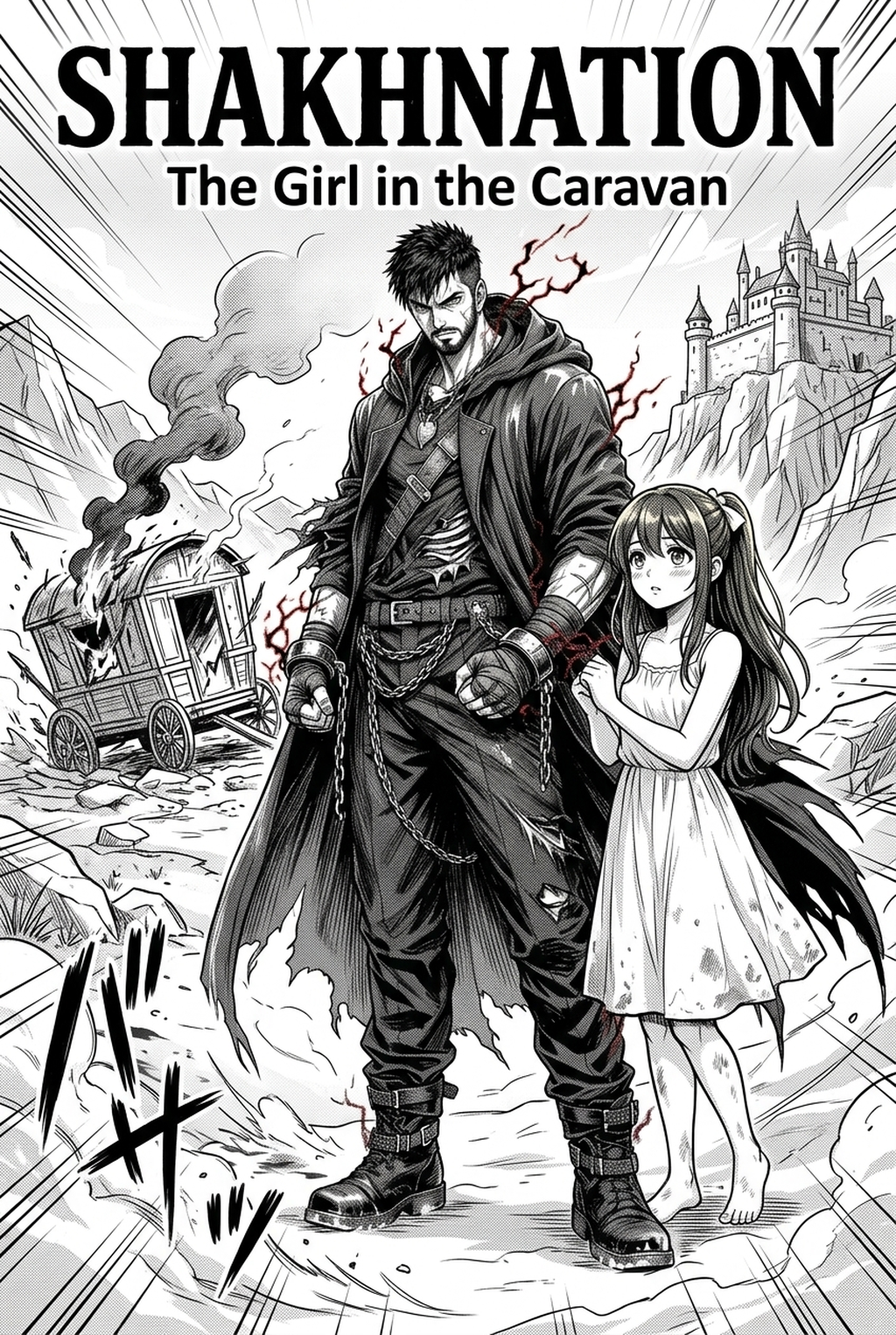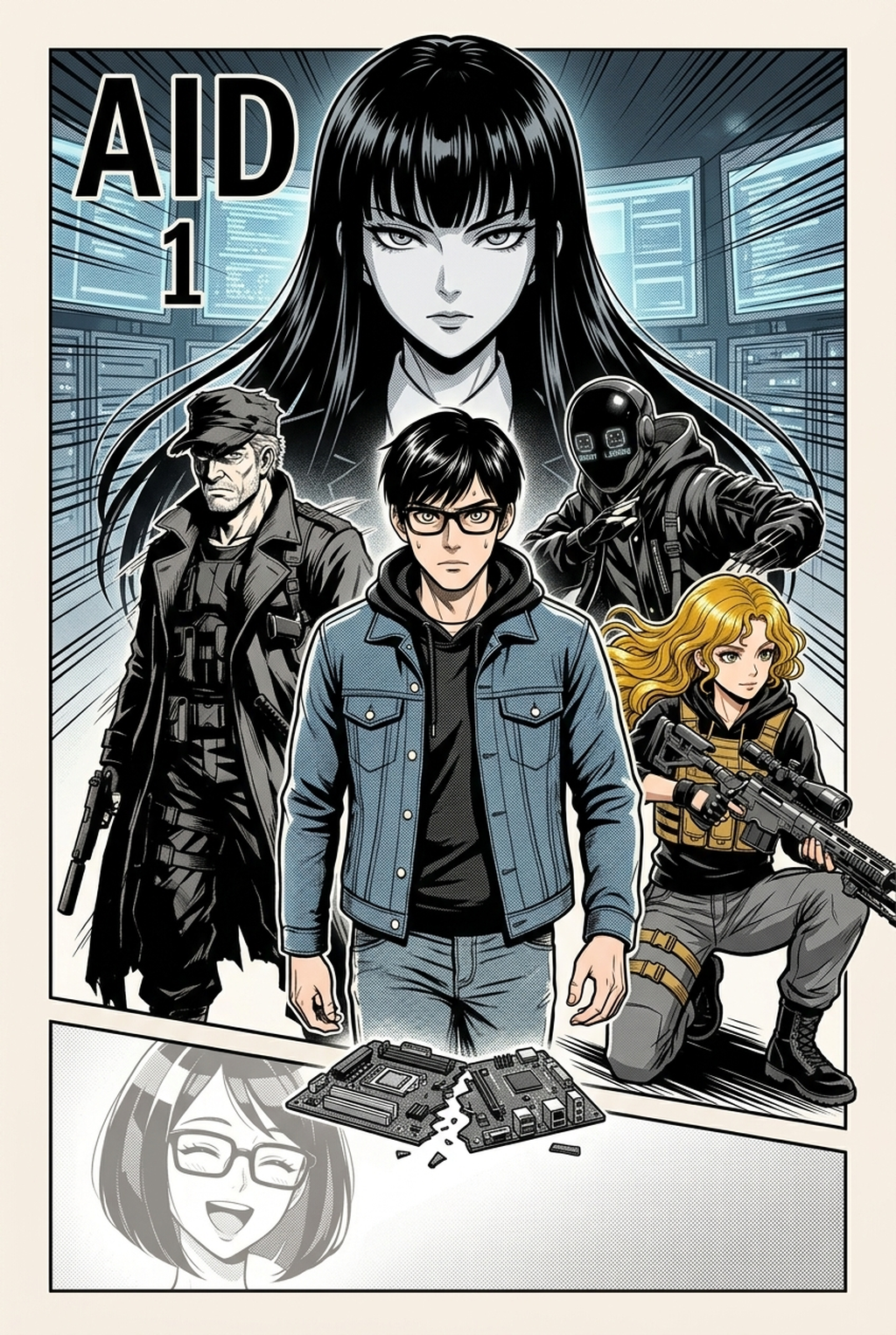
Core Definition of the Visual Draft
A manga storyboard is not a preliminary drawing meant for public viewing; it is a technical map designed to secure the narrative flow of a 16-to-20-page chapter. Artists use this stage to establish the hierarchy of the page, deciding which emotional beats deserve large, high-impact splashes and which dialogue-heavy sequences function better in dense, small-panel grids.
Unlike finished ink, which emphasizes line weight and screen tones, the storyboard prioritizes the "tempo" of the experience. If your action sequence lacks clear directional force—like a punch that feels static because the gutter lines aren't angled to guide the eye—no amount of polish during the inking phase will save the page from appearing stagnant.
Why Narrative Structure Dictates Reader Retention
The emotional impact of your series relies entirely on how you manage space and time within the page gutters. A Shonen-style combat chapter demands wide, diagonal panels to convey kinetic energy, whereas Seinen works rely on claustrophobic, uniform panel sizes to create a sense of psychological pressure or atmospheric dread.
- The Power of Tension: If you fail to place a high-stakes reveal at the bottom-right corner of a left-hand page, you lose the "page turn" momentum that keeps readers hooked. * Space Management: Overcrowding a page with more than seven panels often kills the clarity of the action, creating a visual noise that distracts from your character's expressions. * Narrative Focus: Establishing a strong layout early ensures you don't waste hours detailing a background in a panel that will eventually be cropped out or downsized for better pacing.
How Mangaka Optimizes Your Layout
Modern tools change the production workflow by auto-arranging panels to align with your script's specific narrative beats rather than forcing you to draw grid lines manually. By inputting your scene sequence, the AI Manga Storyboard Builder handles the complex geometry of panel placement, ensuring that your layout adheres to industry-standard conventions while you retain full creative control over the aesthetic.
Traditional manual drafting for a storyboard can take hours of trial and error as you adjust proportions to ensure characters don't drift off-center. With an automated layout approach, you can iterate through five or six different "camera angles" for a single confrontation in seconds. This allows you to verify that the visual punch of a scene lands correctly before you commit to the labor-intensive inking phase.
The primary danger during the transition from script to visual is the loss of key interaction cues. Automated systems maintain the original source context of your script, ensuring that your character's dialogue, stance, and proximity are respected as the layout forms. This prevents the common frustration of realizing your final art is perfectly drawn but narratively hollow because the panel composition failed to support the script's original intent.
Strategic Use Cases for Your Project
Every creator has unique requirements for their page layout, and the role of the storyboard changes based on your specific team structure. You should view your page layout as a business asset that determines whether your work meets the professional standard required for serialized distribution or indie webcomic publication.
As a solopreneur, you must act as both writer and director. Prioritize the bottom-right corner of every page to maximize reader retention; if that corner lacks a compelling cliffhanger or a visual hook, you are effectively paying with your time for a drop in readership.
The storyboard serves as the "review owner" document. When the writer and the penciler agree on the layout early, you prevent costly, last-minute revisions where entire backgrounds must be redrawn because the panel framing was too tight to accommodate the intended character anatomy.
Developing a consistent "style guide" for your panels helps in maintaining long-term project recognition. If your readers recognize your specific "house style" of panel flow, they will develop a subconscious rhythm that makes future chapters easier to digest, regardless of how complex your action scenes become.
Getting Started with Layout Automation
Integrating new technology into your artistic process requires asking the right questions about your current production bottleneck. Most artists find that their biggest hurdle isn't the drawing, but the structural planning required to avoid broken pages.
- Refining the draft: A storyboard is a technical schematic for pacing, while a rough sketch is a loose study of form and lighting. * Automated generation: You can absolutely use tools to generate complex, professional-grade panel arrangements that follow the natural flow of human ocular movement. * Software selection: For a professional workflow, look for platforms that offer high-resolution export formats like PSD or PDF, ensuring your layout translates perfectly into your inking software.
Creators should compare the generated line art with the original sketch and confirm that facial expressions, props, speed lines, and speech-bubble space still support the scene. This keeps the review focused on story intent, line weight, panel readability, and the export quality behind the final AI Manga Storyboard Builder output.
The Bottom Line
The AI AI Manga Storyboard Builder workflow Builder workflow is the essential structural backbone of your narrative, determining the difference between a page that flows intuitively and one that feels cluttered or disjointed. By leveraging automation for the tedious technicalities of panel placement, you gain the freedom to focus on the artistic quality of your work. Start building your next chapter by using the manga storyboard to ensure your page layout is as compelling as your story.
Related articles
Optimize Your Manga Storyboard Workflow with Mangaka AI 2026
Essential Anime Storyboard Techniques for Manga Artists 2026
How to Plan a Fantasy Kingdom Manga Storyboard in 2026