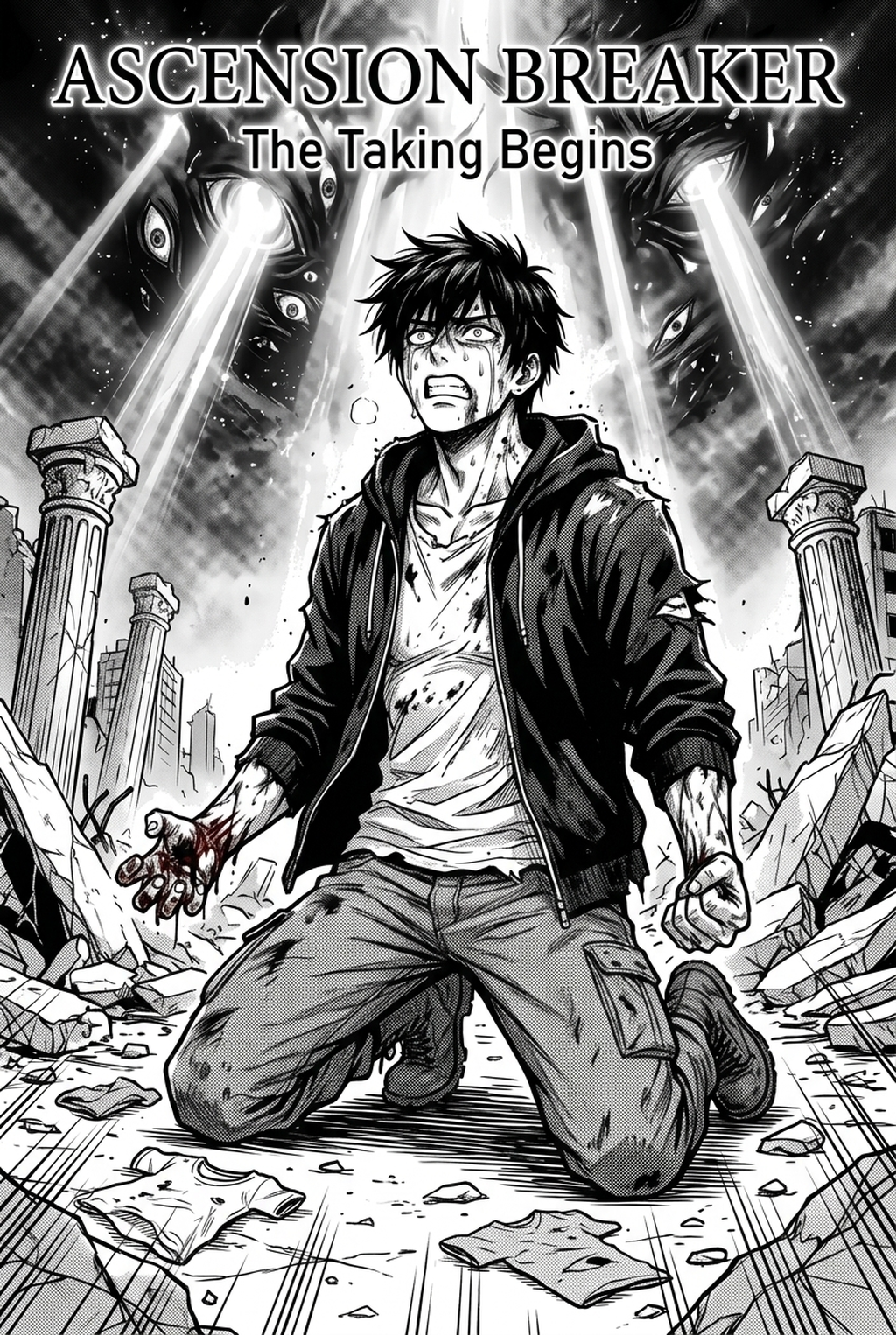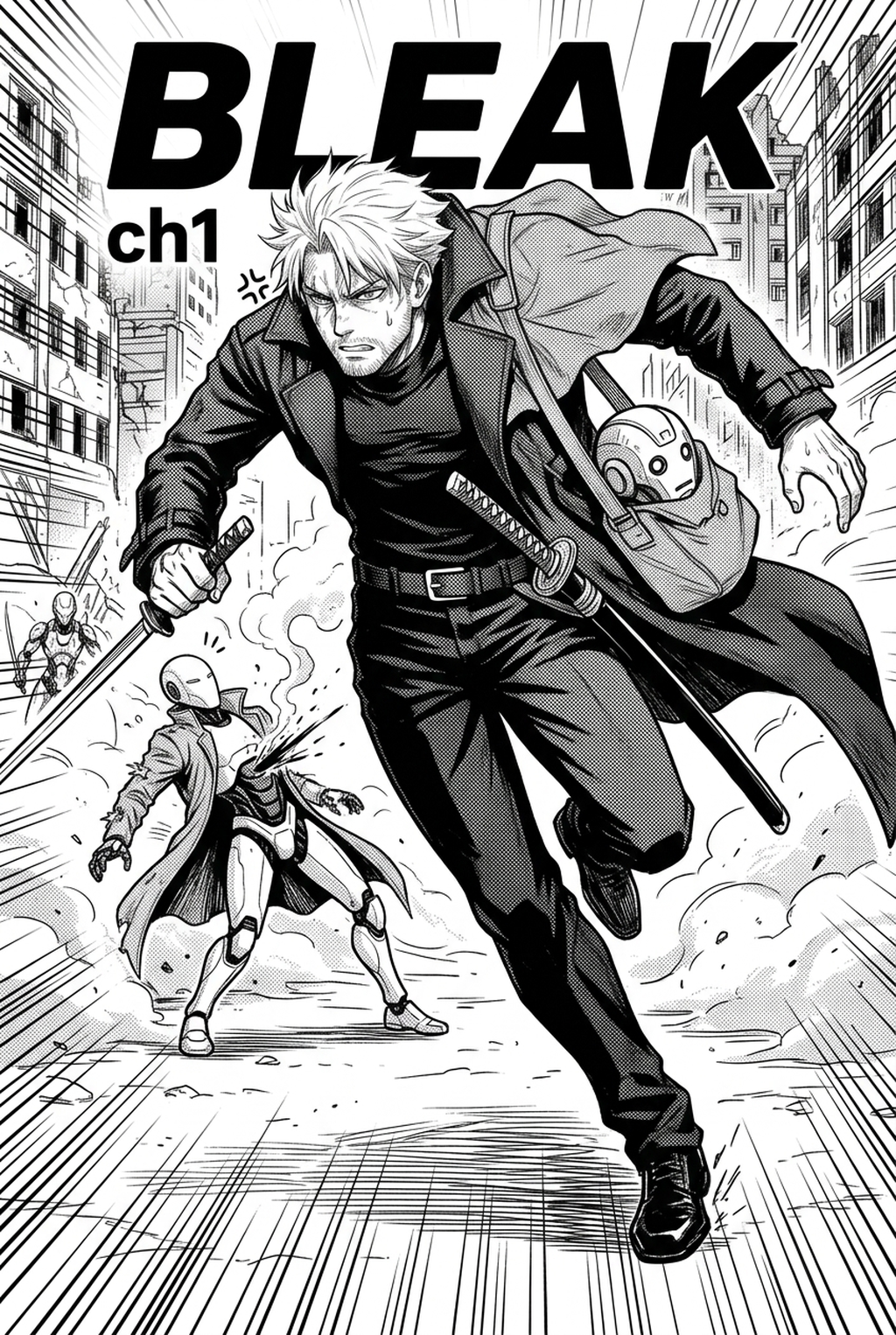
AI Manga Inker for Shonen manga helps creators compare generation speed, manual art control, line quality, and Shonen page-readiness before choosing a production workflow. The main tradeoff is fast first-pass page output versus deeper manual control before export.
AI Manga Inker: What to Look for in AI Manga Inker Tools for Shonen
The Anime News Network feature on how manga is made describes manga as staged work from rough draft to finished page. That production context matters for Shonen creators because AI assistance is useful only when the sketch, inking pass, and final page review stay connected.
When you are deep in the production of a weekly or monthly chapter, the technical overhead of your tools can either propel your story forward or halt your progress entirely. Finding the right inker means identifying software that understands the specific aesthetic requirements of the genre, such as sharp speed lines, heavy character outlines, and distinct atmospheric shading.
Creative Goals and Style Context
You need a system that respects your artistic intent. A tool that blindly traces lines often fails to capture the subtle nuances of an action sequence, leading to flat, soulless panels. The right tool should handle your specific character designs consistently, ensuring that armor, hair, and costume details don't fluctuate between pages.
Quality Checks Before Export
You must evaluate the output for technical fidelity. Look for features that allow you to toggle line sensitivity and pressure, ensuring the ink feels hand-drawn rather than generated. Checking for artifacting near complex action lines is crucial, as poor vectorization can ruin the readability of a high-octane fight scene.
How We Evaluated These Tools
We analyzed these tools based on their ability to integrate into a standard professional manga production workflow. We prioritized speed, line quality, and the ability to maintain the "hand-drawn" aesthetic essential for Shonen.
Line Weight and Panel Readability
We looked at how effectively each tool manages the transition from messy graphite sketches to clean, high-contrast black and white lines. For a Shonen creator, the tool must handle high-density panels—like a detailed power-up sequence—without crashing or losing detail in the background. For this criterion, check character consistency, panel readability, line quality, and export readiness before publishing. That makes the subsection useful instead of leaving a short checklist under a large heading.
Score Panel Readability at Final Size
We tested the consistency of the line art when exporting for high-resolution print. The ability to export in formats that support layers is mandatory for adding tone, shadows, and color later in the process. We focused on whether the resulting ink required zero manual touch-ups or if it left a significant cleanup burden on the artist.
Review the Top Tools Before Choosing
Navigating the current market requires a clear understanding of what each category of software offers your production. Creators can use each revision decision to clarify panel readability, character consistency, and export quality before publishing or sharing.
Character Consistency Through Review
Mangaka is purpose-built for the specific pain points of manga creation. It excels at turning raw, rough pencil sketches into professional-grade line art, saving you from the "inking grind. Because it is designed specifically for this medium, it preserves the dynamic line weight that is critical for Shonen impact shots. If you have ever struggled with the technical labor of redrawing your sketches, AI Manga Inker for Shonen manga with Mangaka removes that bottleneck by automating the technical inking phase while leaving the creative choices to you.
Export Quality Before Publishing
General-purpose image generators are designed for creative brief-based creation rather than technical inking. While they can produce striking single images, they struggle with panel continuity and specific character sheet consistency. Using them often leads to "hallucinated" details that look good in a vacuum but fail to represent the specific costume or weapon design your audience expects in a serialized chapter.
Character Consistency Through Review for Top Tools Reviewed
Traditional digital painting suites offer powerful manual inking brushes, but they offer zero automation for the repetitive task of tracing. These apps are excellent for final touch-ups or custom effects, but they rely entirely on your physical stamina. They are better suited for manual illustrators who prefer full control over every pixel but are willing to sacrifice hours of labor to achieve it.
Export Quality Before Publishing for Top Tools Reviewed
Many layout programs focus on panel organization and speech bubble placement rather than line art refinement. These tools are necessary for page architecture, but they rarely assist in the actual conversion of sketches to ink. You will often find yourself using these alongside a dedicated inker to finish your pages.
Line Weight and Panel Readability for Top Tools Reviewed
The traditional approach involves using lightboxes or physical pens on paper, followed by scanning and digital cleaning. While this provides the highest possible level of control, it is the slowest method and does not scale well for tight production schedules. It is a nostalgic approach that rarely keeps pace with modern publishing demands.
Compare Options Side by Side Before Choosing
| Feature | Mangaka | General AI Generators | Manual Inking |
|---|---|---|---|
| Sketch to Ink | Automated | Poor / Inconsistent | Manual |
| Line Weight | Dynamic/Professional | Often Flat | Manual Control |
| Character Fidelity | High | Low | High |
| Production Speed | High | Medium | Low |
Creative Decisions and Export Quality
Mangaka allows you to maintain the energy of your rough sketches while offloading the time-intensive process of line stabilization. General generators, by contrast, often force you to adopt an entirely new aesthetic that might not fit your established character style.
Workflow Fit and Review Needs
Mangaka is optimized to keep your line art distinct, which is essential for printing. Other tools often blur or compress the line art, which creates headaches when you need to apply traditional screen tones or color to your vertical comic platforms pages.
Which Tool Should You Choose?
Selecting the right software depends on your current bottlenecks. If your main challenge is the sheer volume of pages you need to produce, you should prioritize automated efficiency.
Reader Impact Before Publishing
Choose a tool that bridges the gap between your conceptual sketches and the final print-ready page. If you are producing high-volume, serialized chapters, you need an automated solution like Shonen manga inking workflow with Mangaka that keeps the core anatomy of your characters intact while polishing the lines for you.
Creative Decisions and Export Quality for Which Tool Should You Choose
Always perform a test export at 600 DPI to ensure the ink layers maintain clarity. Release cadence belongs in the production context for manga tools. For creators, the useful product question is whether pages stay readable when schedule pressure rises. Export quality depends on whether the creator can still adjust cleanup, line weight, and handoff settings after AI assistance. Ties that point to drawing practice instead of broad AI-image claims.
Creators should define the scene goal, character references, page count, reading direction, and target Color vertical comic platforms. That gives AI Manga Inker enough context to support the story instead of producing disconnected panels. For visual quality, creators should check line weight, facial expression, pose clarity, panel order, and space for dialogue before export.
Those checks matter more for Shonen pages because action beats and emotional pauses need to read quickly. Before export, creators should compare the generated line art with the original sketch and confirm that facial expressions, props, speed lines, and speech-bubble space still support the scene. A repeatable review pass should cover character consistency, panel readability, background clarity, and whether the final file is ready for coloring, lettering, or editor feedback.
Creators should save approved examples of line weight, face detail, clothing folds, and background density. Those references keep later chapters closer to the intended style. For collaboration, creators should mark which panels are final and which panels still need redraws. Clear status labels prevent an assistant, editor, or colorist from polishing the wrong version.
- Reader expectations. MyAnimeList manga news keeps genre expectations visible for readers who scan action, character acting, and page rhythm quickly. Shonen inking should preserve panel clarity, not just cleaner lines.
- Drawing practice. Wacom's comic and manga creation guide ties tool choice to brush control, cleanup effort, and export readiness. That keeps review grounded in creator workflow.
Streamline Manga Production with Mangaka.app
Turning rough conceptual drawings and panel drafts into publication-ready pages requires speed and consistent artistic execution. With Mangaka.app , creators can transform storyboard scripts into professional manga layouts, maintain locked character model sheets across serialized chapters, and automate dynamic line inking and vector speech balloons without losing their personal style.
The Bottom Line
A useful inking pass keeps the story goal, visual style, and review step clear before export. AI Manga Inker gives creators a faster first pass without removing the final human review. Start creating with Shonen manga inking workflow with Mangaka when you are ready to turn the reviewed idea into finished manga pages. Test it with one real page goal, one reference boundary, and one export requirement so the decision stays tied to production quality.