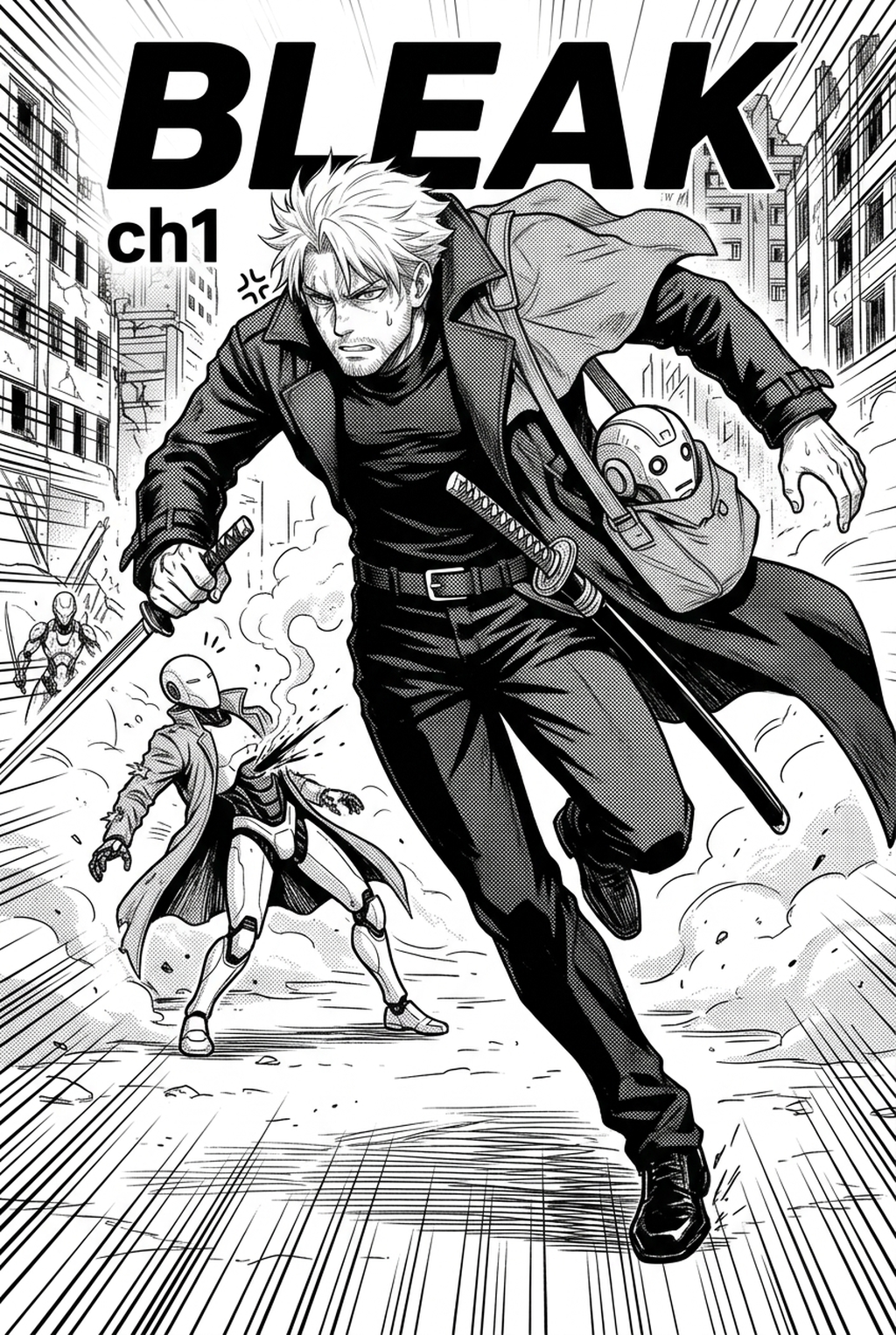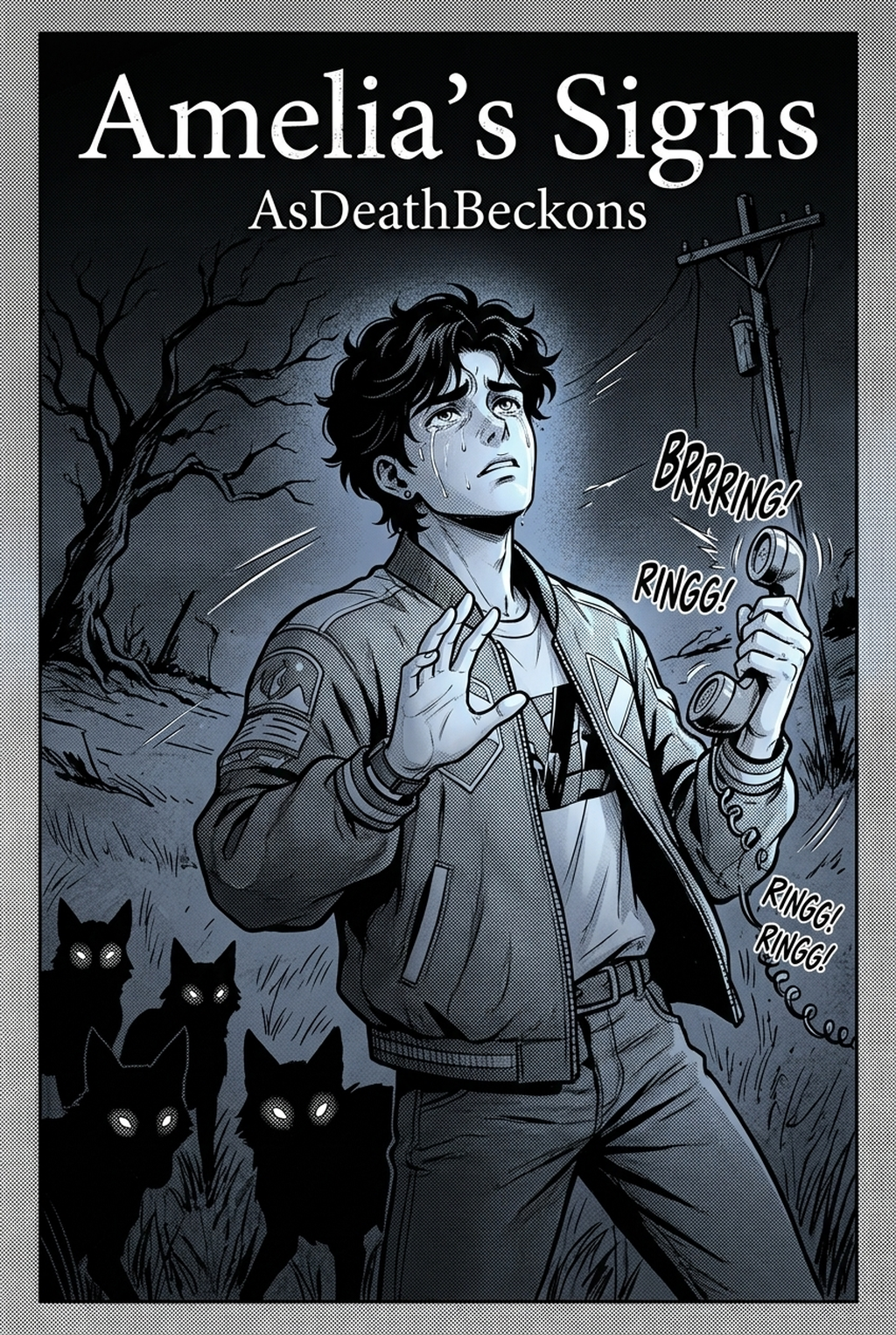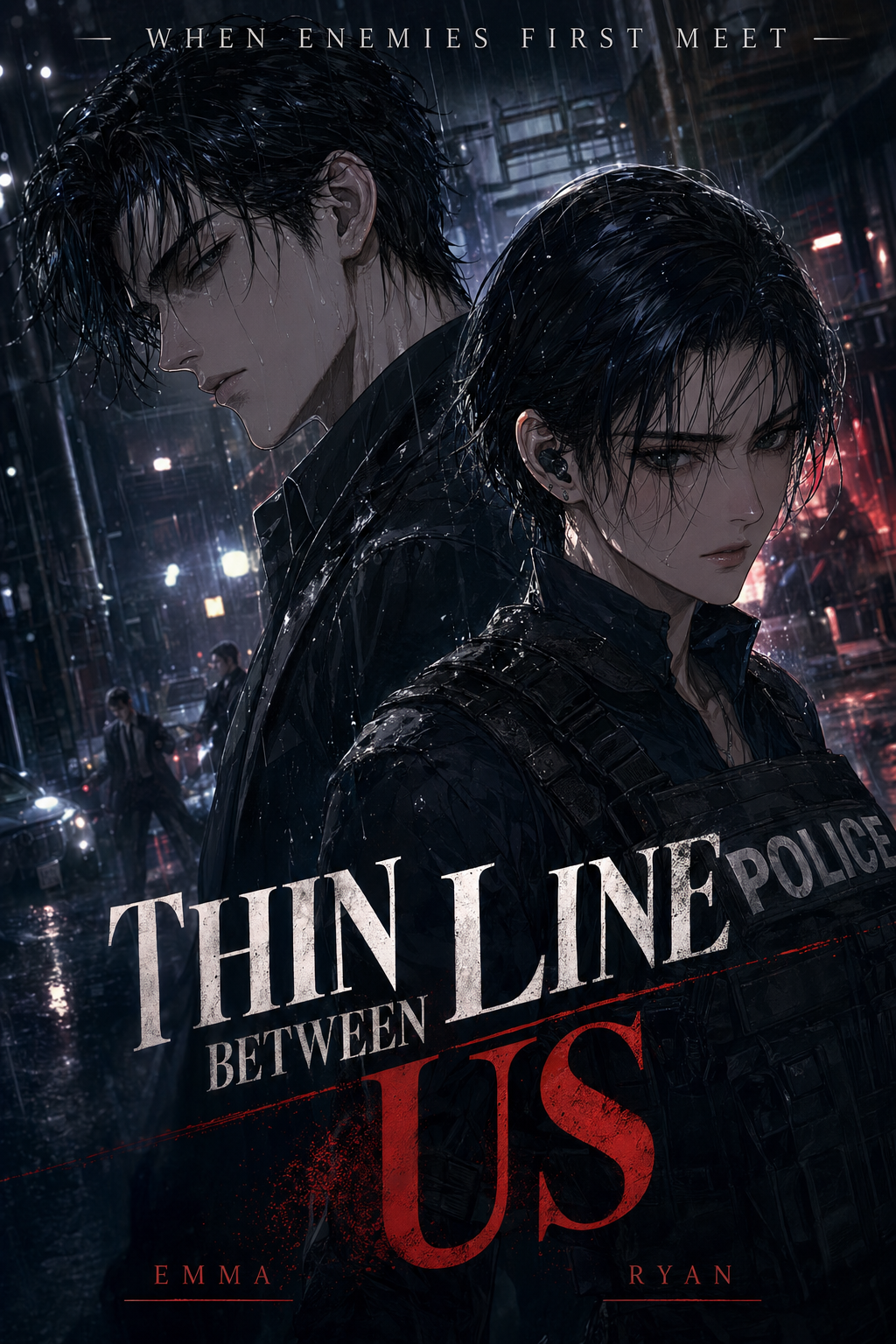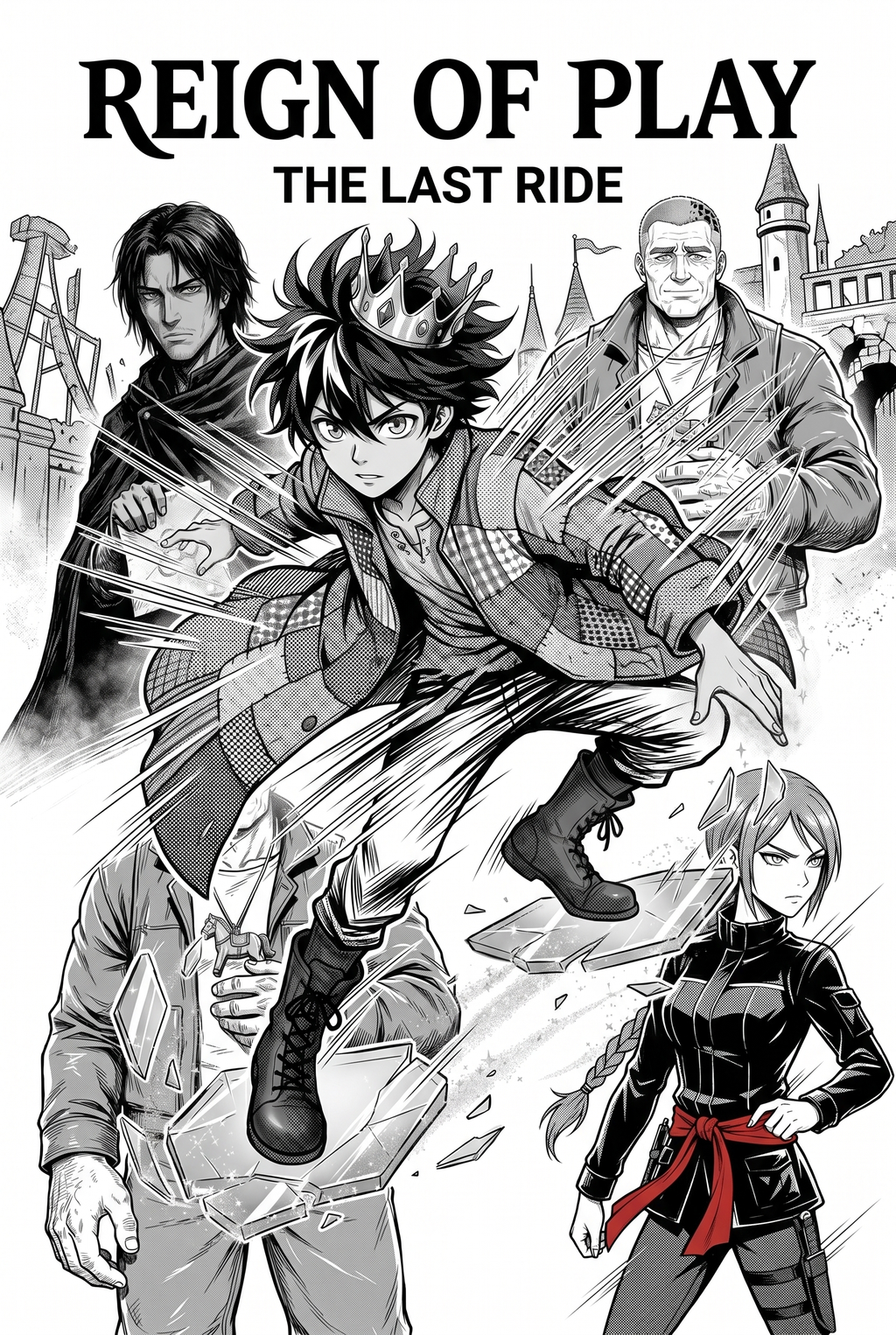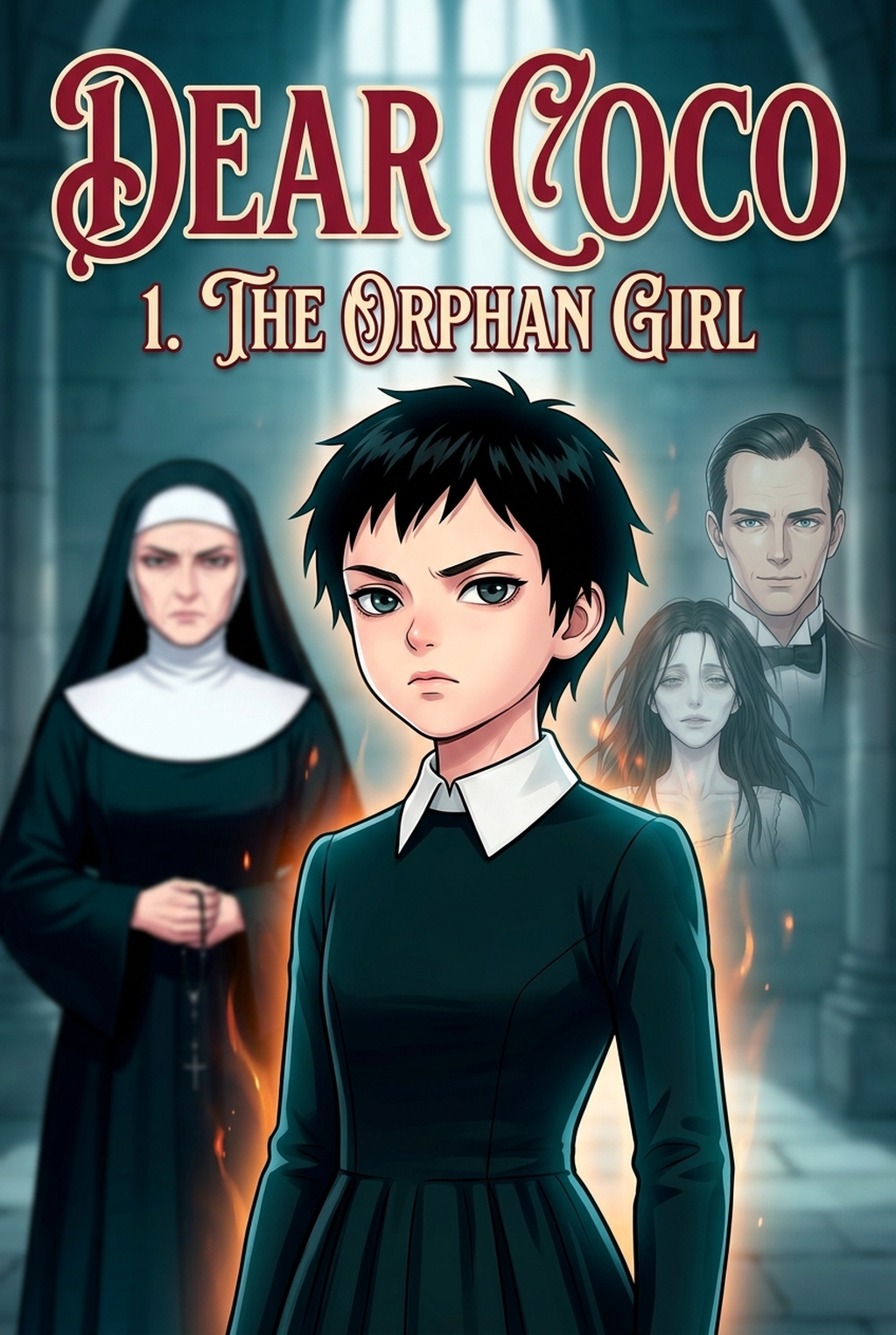
What Is Manga Storyboard?
A manga storyboard—often referred to in the industry as a 'name'—is the skeletal foundation of a page where composition, panel sizing, and dialogue placement take priority over artistic detail. It represents the crucial moment in your workflow where you define the cinematic language of your work, ensuring the sequence of panels supports the intended narrative tension rather than just displaying static art.
At this stage, you are effectively acting as a film director rather than an illustrator, as you determine the camera angle for each frame. By focusing on the wireframe of the layout, you identify whether a wide-angle splash page for a high-octane battle scene actually conveys the scale needed, or if it feels cramped compared to the preceding narrow, vertical panels.
Your primary objective during this phase is to ensure the reader’s eye never stops or gets confused by the layout. If the gutters are too thin or if the panel flow deviates from the standard right-to-left zigzag pattern without a specific narrative reason, the reader will lose their place, potentially ruining a carefully scripted moment of emotional release.
Why AI Manga Storyboard Builder Matters for Manga Creators
The storyboard acts as your primary quality control gate, identifying structural flaws that would be prohibitively expensive to fix once you reach the inking or screen-tone stages. Failing to address pacing here forces you to perform "digital surgery" on finalized art, leading to line-weight drift and inconsistent character proportions when you have to redraw panels to fit a revised, better-flowing sequence.
Many amateur titles suffer from "cluttered panel syndrome," where too much visual information is crammed into a small space without proper breathing room. By locking in your grid early, you prevent the temptation to over-detail a panel that is meant to serve as a quick transition, ensuring your most detailed art is reserved for high-impact beats.
You can identify dead spots in your plot by looking at the storyboard as a whole, observing whether the tension builds linearly or if it plateaus unexpectedly. If three pages of dialogue-heavy panels follow each other without a change in perspective, a professional creator knows to adjust the camera angle or introduce a silent, reaction-based panel to maintain the rhythm of the story.
How Manga Storyboard Works with Mangaka
Mangaka functions as an AI-powered architectural assistant that automates the technical grid-fitting process, letting you focus entirely on the cinematography of your manga. Instead of manually calculating pixel-perfect alignment for complex asymmetrical layouts, you provide the narrative intent, and the tool suggests panel structures that adhere to professional standard practices.
The system ensures that the wireframe you build is preserved throughout the production process, preventing the loss of narrative intent as you transition into final character generation. This capability solves the problem of "visual drift," where characters change size or placement during the translation from a rough sketch to a final, inked panel.
By removing the manual friction of drawing and erasing layout grids, you gain more time to perfect your character expressions and impact lines. This AI AI AI Manga Storyboard Builder workflow Builder workflow Builder approach allows you to iterate on multiple versions of the same action sequence, testing different panel angles until the flow feels correct.
Use Cases for AI Manga Storyboard Builder
Complex layouts require a disciplined approach to space, especially when you are balancing multiple characters during intense moments of conflict. Professionals know that using asymmetrical shapes helps dictate the speed of a scene, but these shapes must remain functional within the print or digital constraints of your chosen export format, such as 300 DPI PNG or PDF.
Grouping panels in a Rule of Three" can effectively guide the reader’s eye toward the climax of an action beat. You should prioritize these tighter, overlapping panels only when you want to induce a sense of urgency, ensuring the gutter spacing remains wide enough to differentiate between individual strikes.
Effective dialogue placement prevents the "text-barrier" issue, where speech bubbles obscure critical character art or background details. When you storyboard using AI-aided tools, you can ensure that character focal points—such as a character’s eyes or a weapon they are wielding—are positioned in the negative space around your dialogue blocks.
How to Get Started with Mangaka
The transition from a traditional paper-and-pencil "name" to a digital AI workflow allows for much faster iterations, especially for creators working solo. You no longer need to spend hours sketching out the same grid structure by hand, as the software handles the structural layout while you focus on the specific artistic requirements of each frame.
- Define your page goals: Determine whether the page serves a fast-paced action sequence or a slow, dialogue-driven character arc. * Draft your layout structure: Input the number of panels needed and let the tool generate a balanced grid based on your narrative sequence. * Refine character placement: Adjust the AI-suggested positions to ensure the character's line of sight properly guides the reader into the next panel. * Review for impact: Check the final layout against your script to ensure dialogue does not overlap with essential visual action.
The Bottom Line
A professional storyboard is the difference between a coherent narrative and a confusing series of disconnected images. By prioritizing the structural phase of your manga production, you ensure that every panel serves a purpose and every page maintains a professional rhythm. Start your next chapter today by using the manga storyboard to optimize your narrative flow before finalizing your art.
Related articles
Manga Storyboard Techniques: A Guide to Better Pacing 2026
Create Your Manga Storyboard Fast with AI in 2026 |
Manga Storyboard: A Complete Guide for Modern Artists 2026