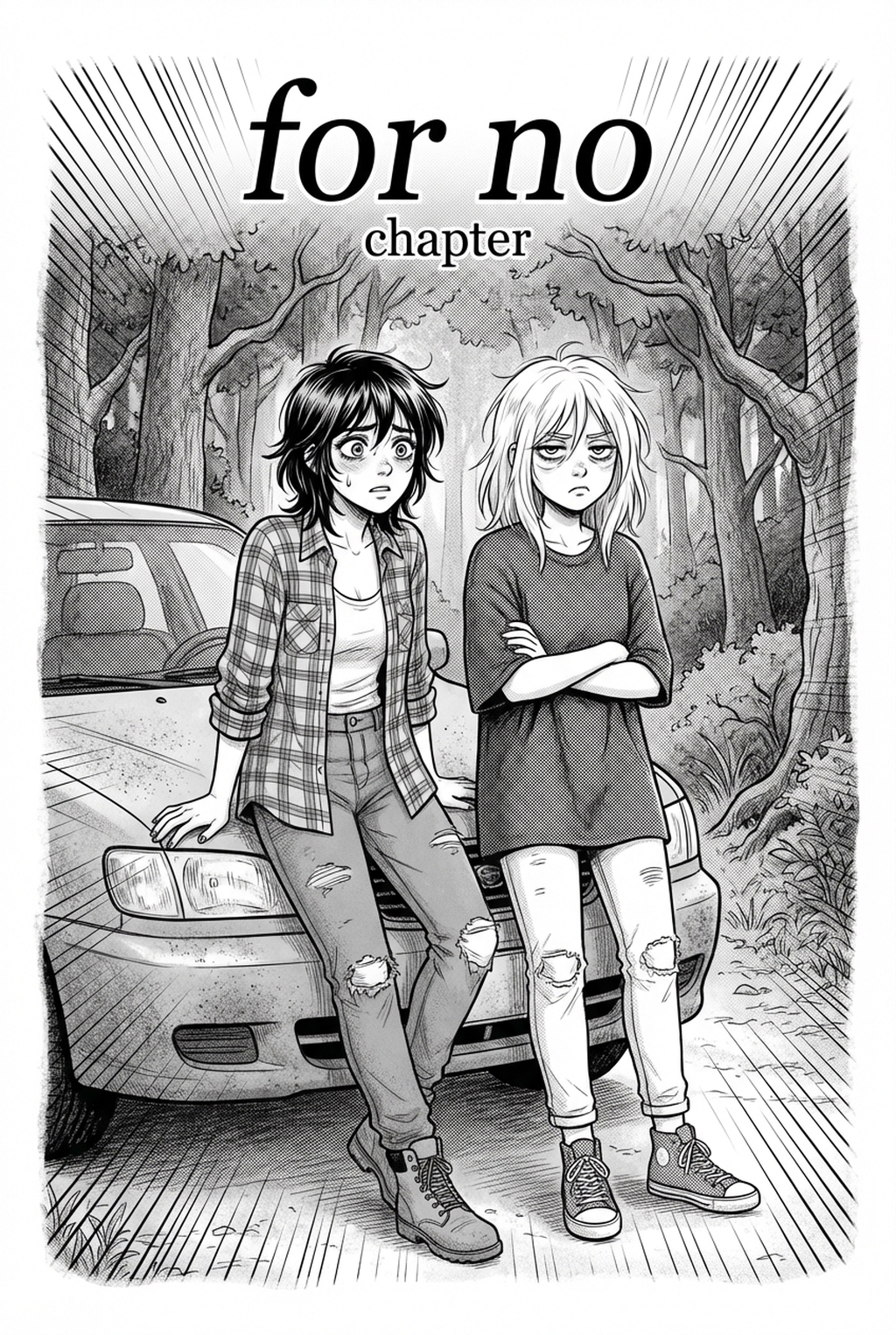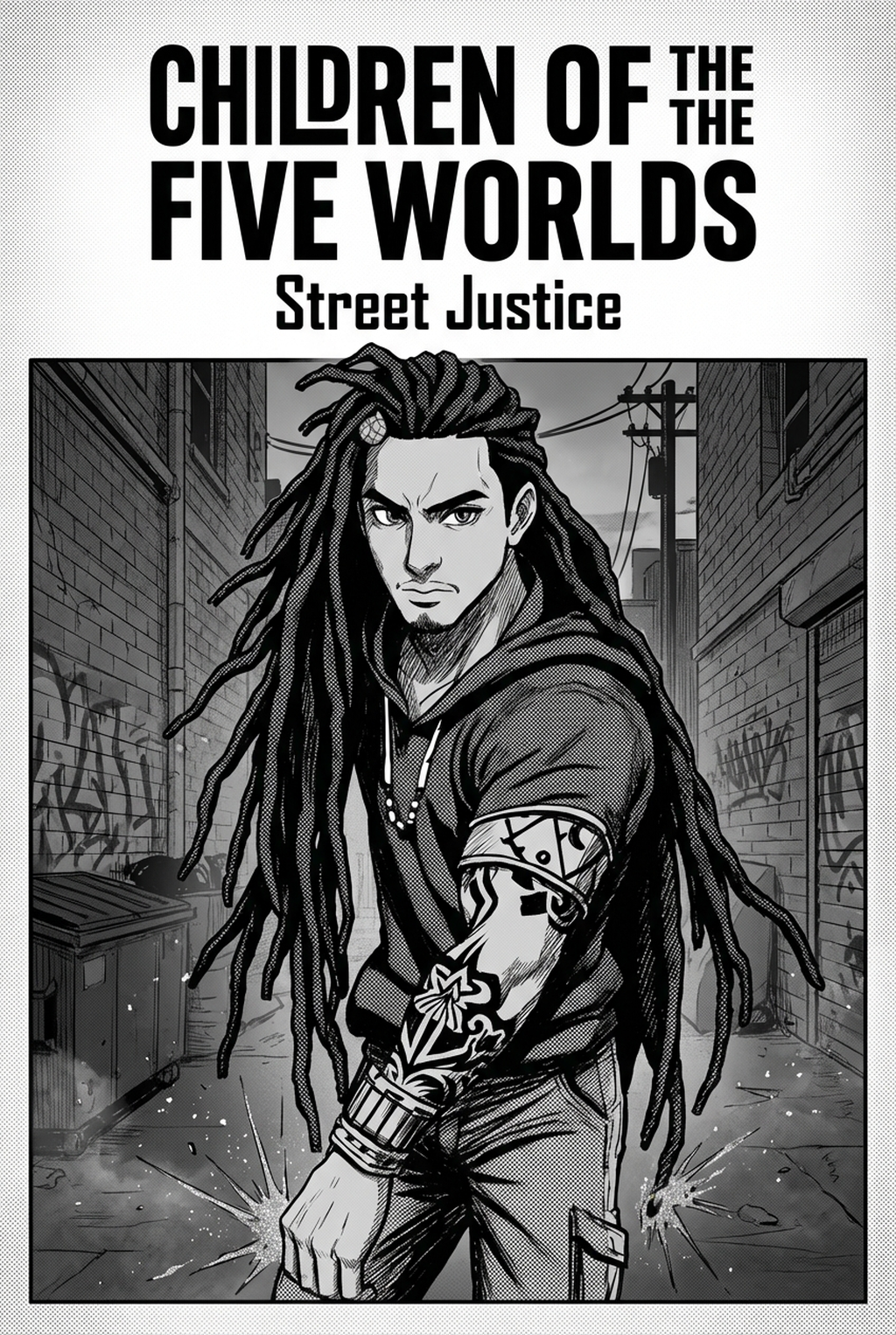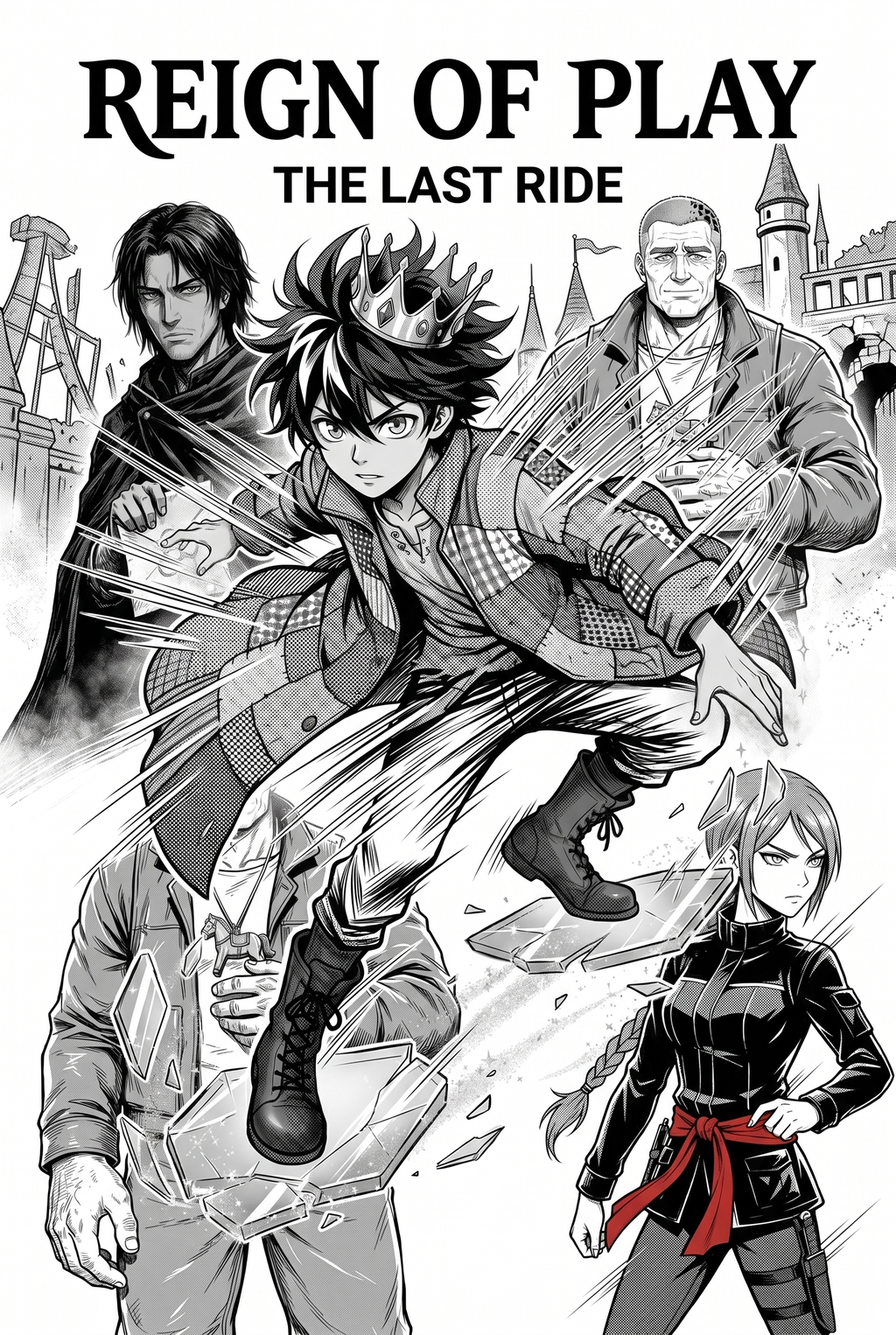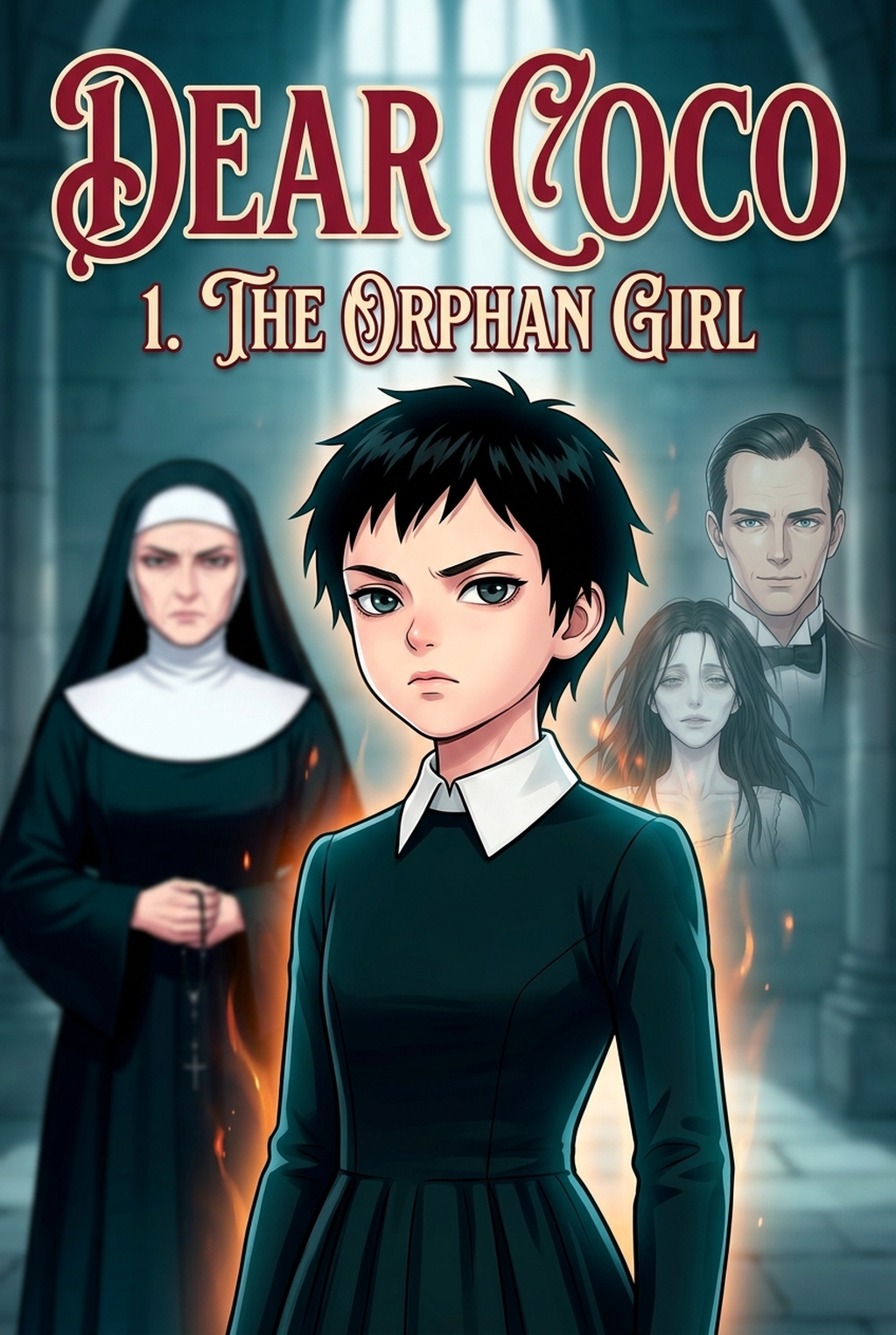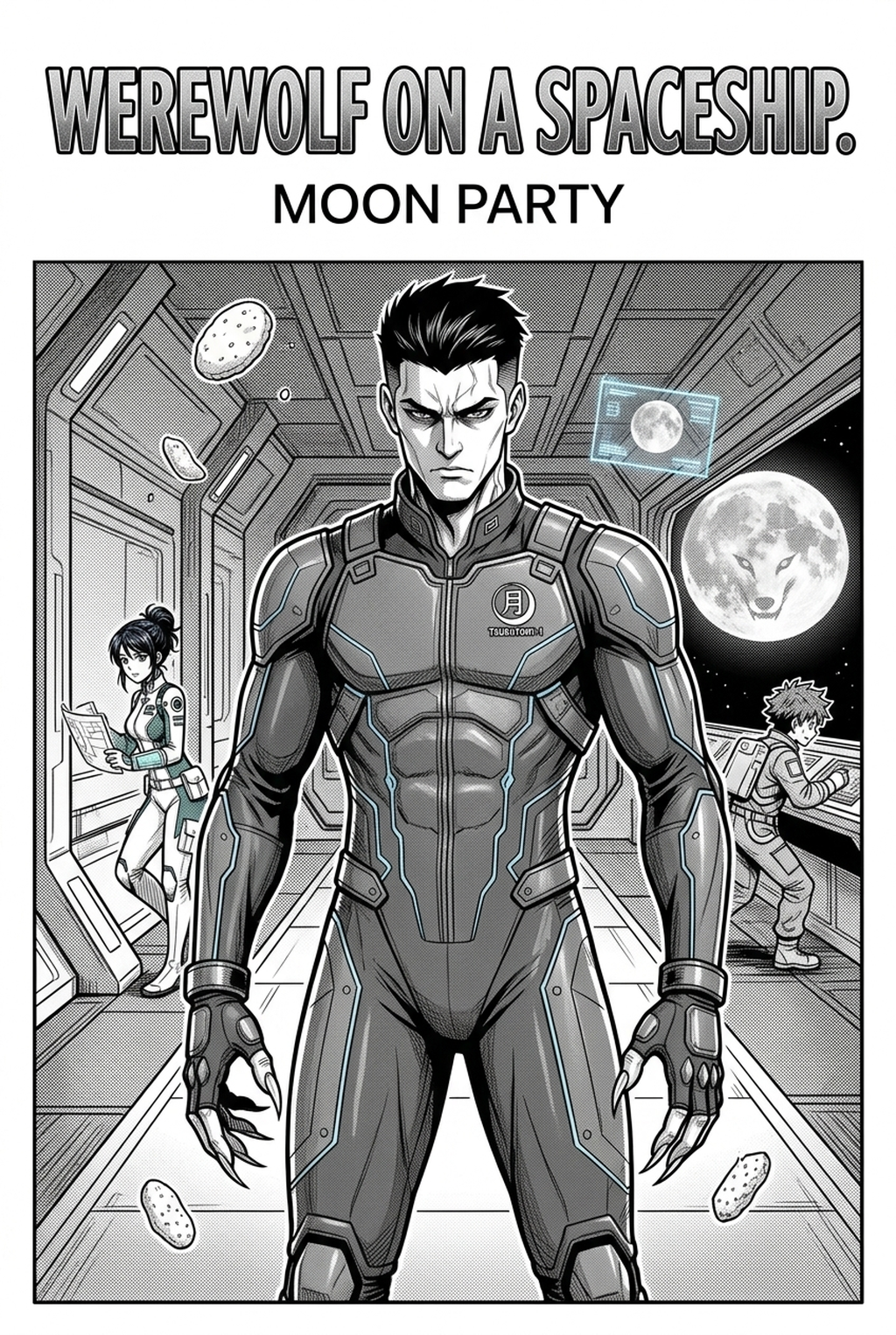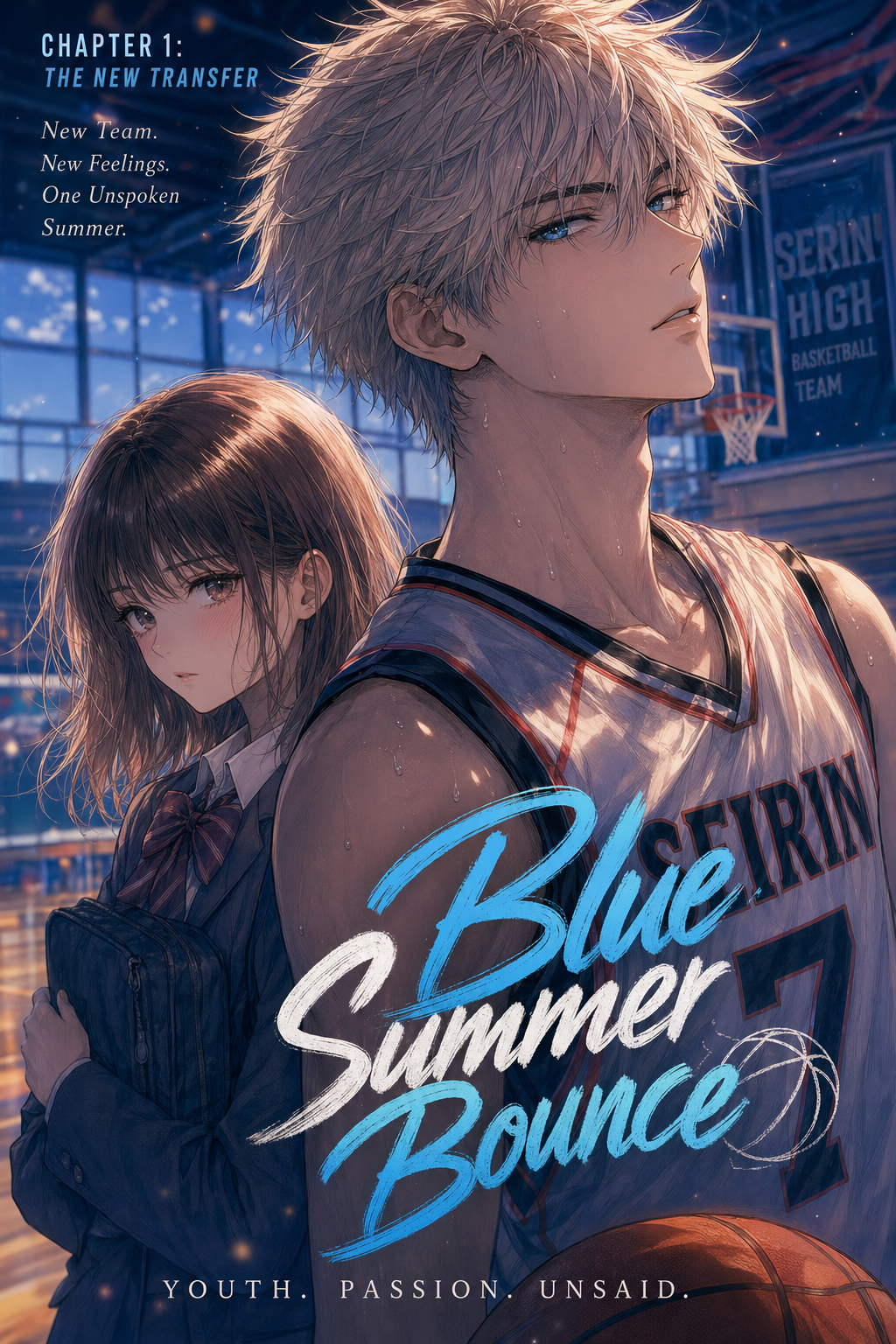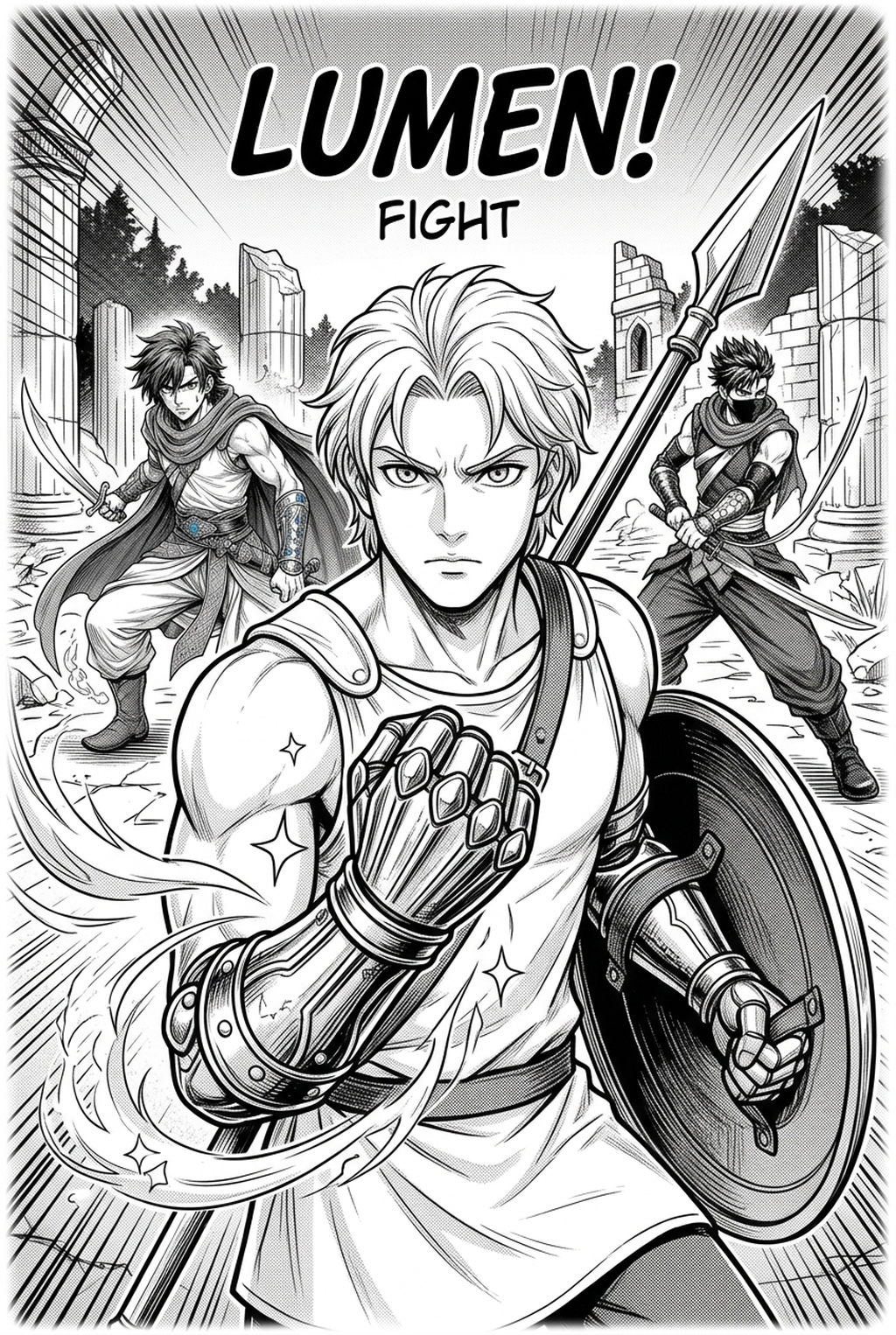
What Is Manga Colorist?
A manga colorist is a software solution or manual process used to apply color to black-and-white ink drawings while ensuring the character models and panel compositions remain distinct. The following table compares traditional approaches with specialized AI solutions tailored for independent creators.
| Tool Name | Best For | Line Preservation Quality | Speed | Pricing Model |
|---|---|---|---|---|
| Adobe Suite | Manual painting | High (Total control) | Slow | Subscription |
| Open Source | Basic fills | Medium (Manual mask) | Moderate | Free |
| Mangaka AI | Batch processing | High (AI-Native) | Rapid | Usage-based |
Why AI Manga Colorist Matters for Manga Creators
Effective coloring tools must be evaluated on how they handle source context and line art preservation to ensure the 'manga feel' is maintained. Relying on generic image-processing software often causes 'line-weight drift,' where delicate ink strokes lose their contrast against the underlying fill.
- Flat-to-shade processing time: High-volume output requires an engine that converts raw ink layers into color-ready formats in seconds, not hours. * Integration with existing layers: A reliable tool must recognize your original PSD or TIFF file structure without collapsing your transparency masks or depth-perception highlights. * Ink identity maintenance: Your unique black-and-white ink weights must remain the dominant visual layer, preventing the 'washed out' look common in lower-quality automated systems.
Choosing a tool that fails to respect the original draft will force you into tedious manual cleanup, effectively negating any time saved during the automated filling phase. This keeps the review focused on story intent, line weight, panel readability, and the export quality behind the final AI Manga Colorist output.
How Manga Colorist Works with Mangaka
Mangaka provides a dedicated AI AI AI Manga Colorist workflow workflow engine that specifically targets the preservation of high-contrast ink lines while applying color fills. Unlike general-purpose systems that treat the entire page as a single photographic input, this engine acts as a surgical tool designed to identify the boundaries of your line art.
When you manga colorist , the engine analyzes the ink-layer intensity. It then applies color fills beneath your linework, respecting the original draft to ensure the 'inked' identity remains the visual anchor of the page. This is critical for creators who struggle with maintaining character consistency across a high-volume chapter; by locking the color palette to your defined character models, you remove the risk of tone shifts. Instead of manually isolating ink layers for every single panel, you simply provide the source context and allow the AI to handle the repetitive mask-detection tasks, freeing your schedule for more complex artistic shading.
Use Cases for AI Manga Colorist
Manual coloring requires extensive labor hours to isolate ink layers, whereas AI workflows utilize advanced mask-detection to speed up the base-layer process. Independent creators often suffer from 'color burnout,' a fatigue state where creative energy is depleted by repetitive, low-impact tasks.
- Repetitive Base Fills: AI removes the friction of base-layering, allowing you to focus on high-impact lighting and mood adjustments for key story moments. * Palette Standardization: Maintaining a consistent look across 200+ pages of a long-running series is effectively managed through controlled AI presets rather than manual color picking. * Efficiency in Panel Pacing: Automated tools allow you to iterate on panel composition faster, giving you the freedom to test different lighting scenarios before committing to a final export.
By letting the software handle the technical overhead of the coloring process, you reclaim the creative authority needed to enhance emotional depth in your character interactions. Creators can use each revision decision to clarify panel readability, character consistency, and export quality before publishing or sharing.
How to Get Started with Mangaka
For creators requiring high-volume output without sacrificing artistic integrity, Mangaka offers the most efficient balance of automation and control. If your current workflow involves managing large-scale assets, you can begin by importing your draft files directly to the platform to test the line-preservation accuracy.
- For Projects Requiring Hyper-Niche. Custom painted styles, a hybrid approach of manual touch-ups over AI-generated base layers is recommended. This method ensures that your unique artistic voice remains the final word on the page. Remember that the goal is not to replace your input, but to augment your capacity; by setting up consistent presets, you ensure that every chapter you release hits the same quality threshold. This creates a predictable rhythm in your production process, allowing you to meet deadlines while maintaining the artistic standards your readers expect.
- Before Export. Creators should compare the generated line art with the original sketch and confirm that facial expressions, props, speed lines, and speech-bubble space still support the scene. A repeatable review pass should cover character consistency, panel readability, background clarity, and whether the final file is ready for coloring, lettering, or editor feedback.
- For Longer Projects. Creators should save approved examples of line weight, face detail, clothing folds, and background density. Those references keep later chapters closer to the intended style. For collaboration, creators should mark which panels are final and which panels still need redraws. Clear status labels prevent an assistant, editor, or colorist from polishing the wrong version.
- For Publishing. Creators should review the page at the actual reading size before export. Small screens expose crowded dialogue, weak silhouettes, and line details that looked fine while zoomed in. That extra context helps the reader connect the creative choice to character consistency, composition, speech-bubble space, and final file format.
The Bottom Line
Choosing an AI coloring workflow like Mangaka allows independent creators to reclaim time while keeping their unique inking style intact. By offloading the technical burden of base-layer fills, you gain the freedom to prioritize emotional lighting and complex shading in every panel. Evaluate your needs based on your target page volume and the level of artistic oversight required for your specific series, and manga colorist to integrate professional-grade tools into your existing creative workflow today.
Related articles
Manga Inking: A Guide to Converting Sketches into Pro Art
Mastering Manga Inking for Fantasy Series: A 2026 Guide
Manga Inking Guide: How to Perfect Your Line Art in 2026