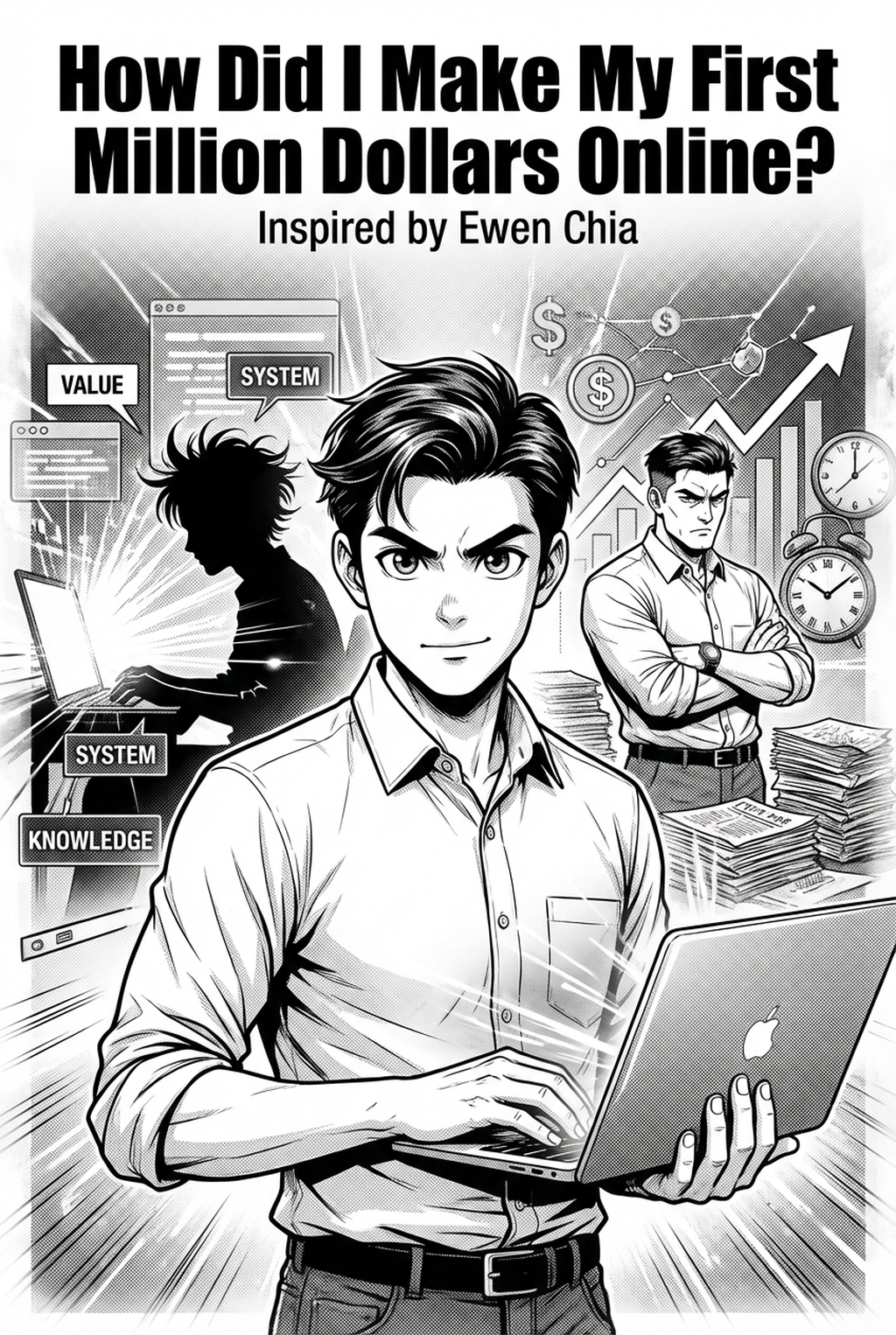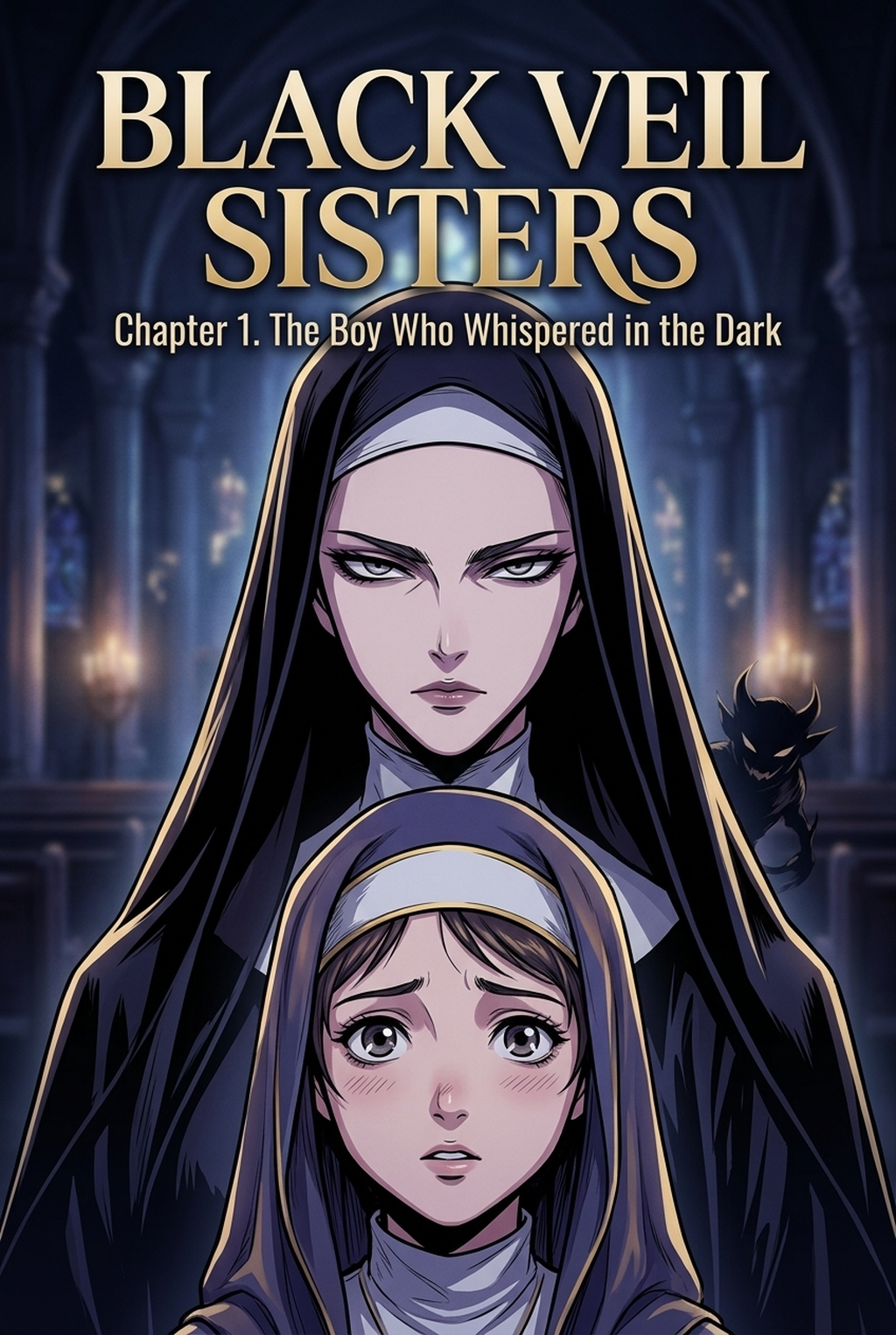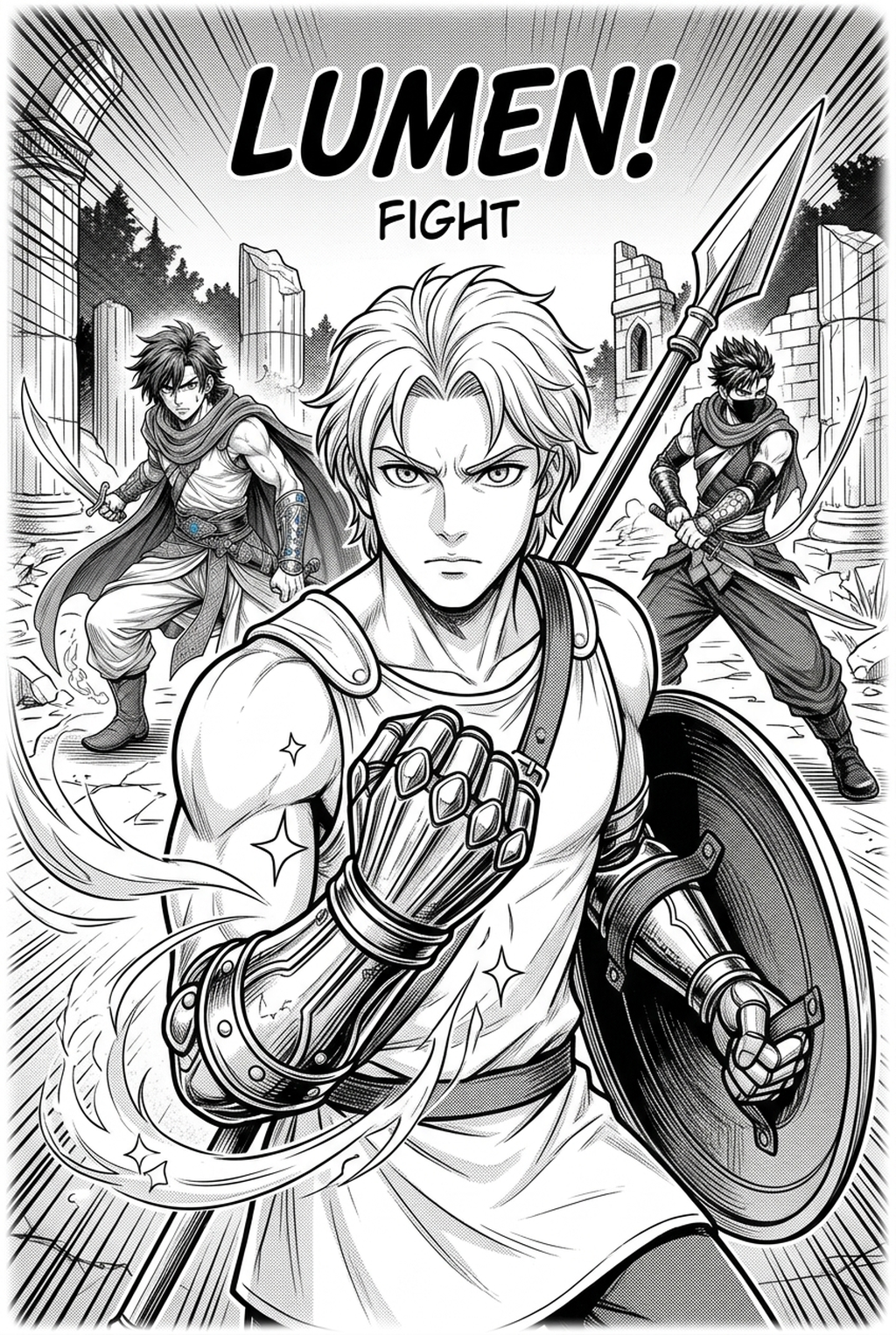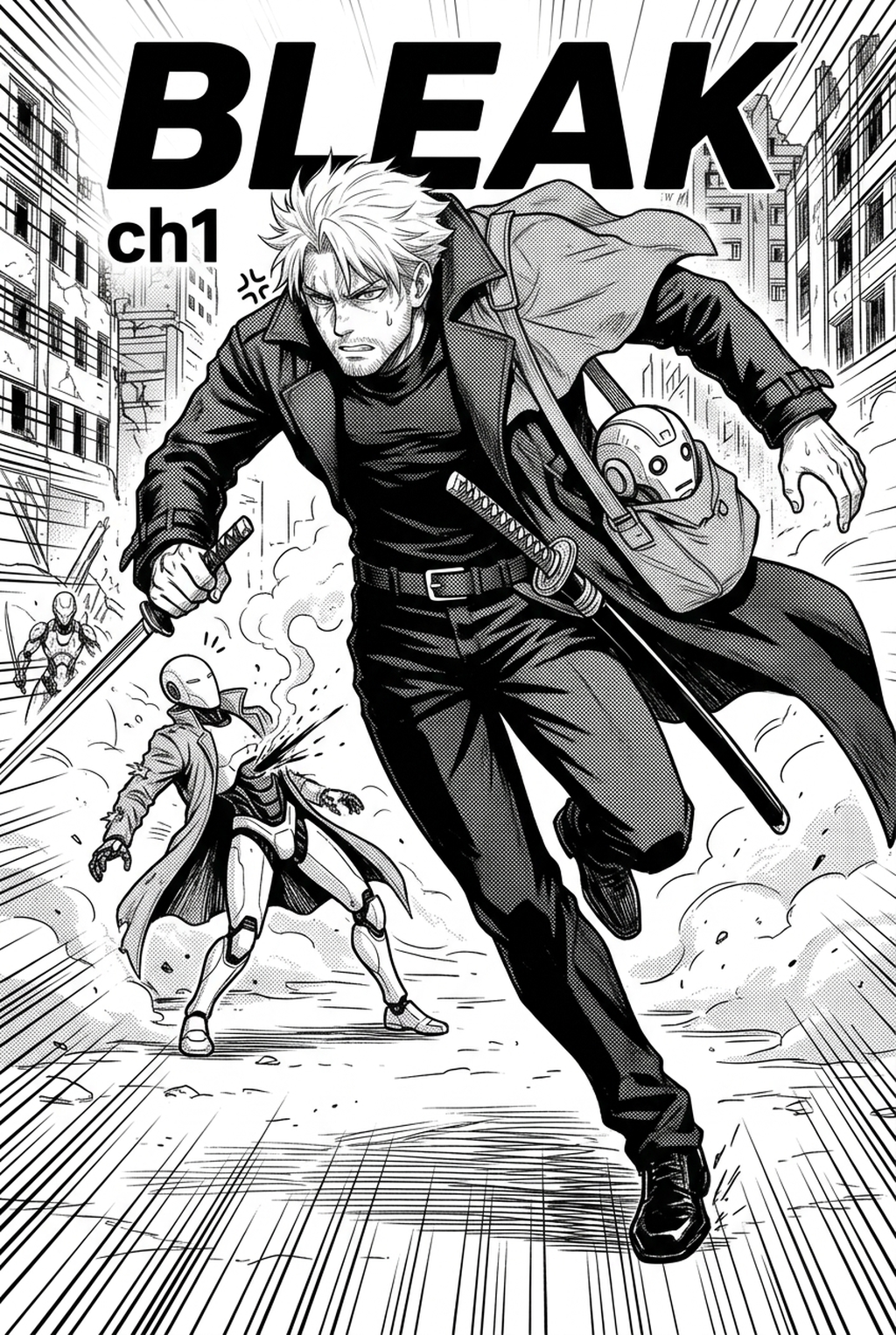
The Art of AI Manga Inker
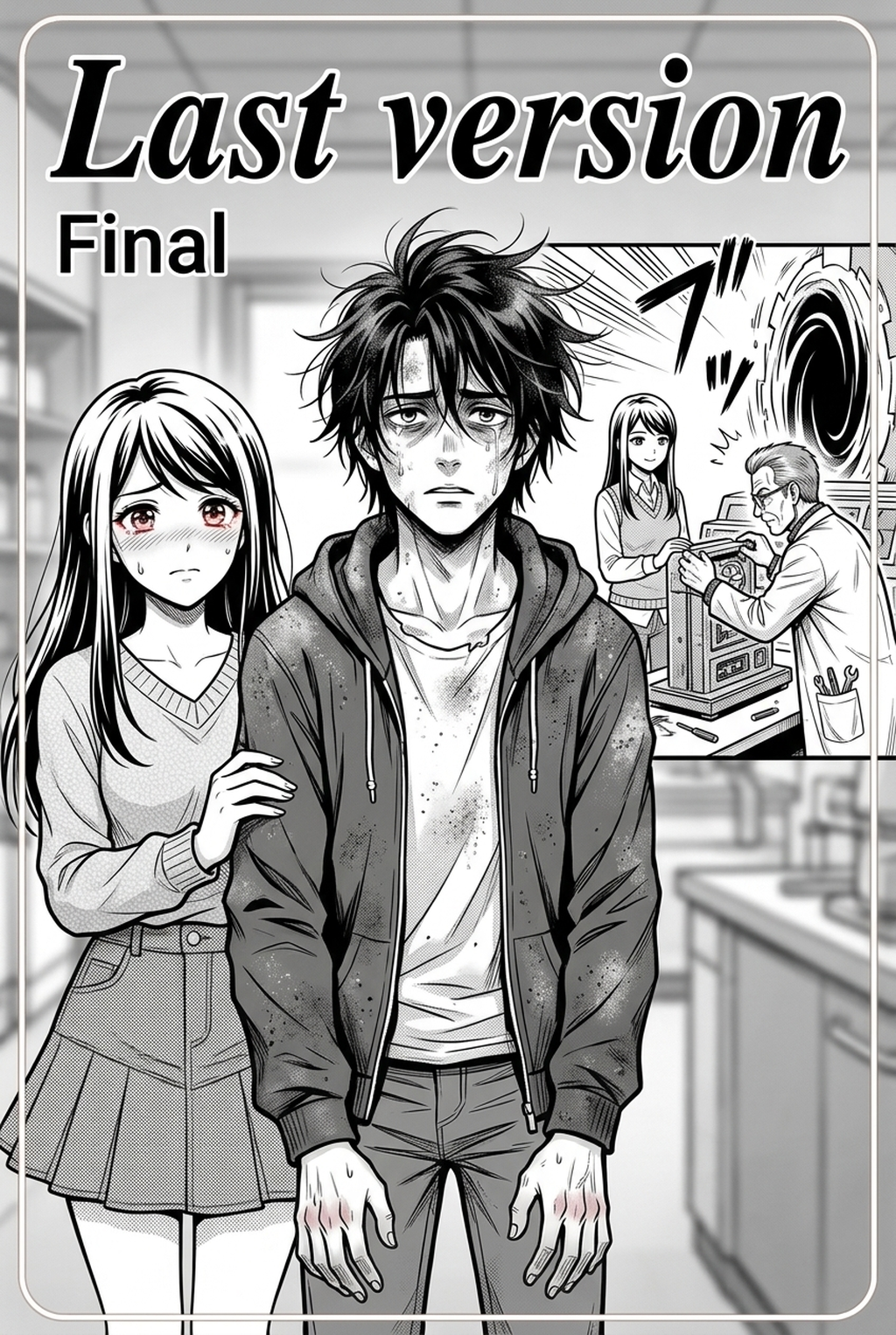
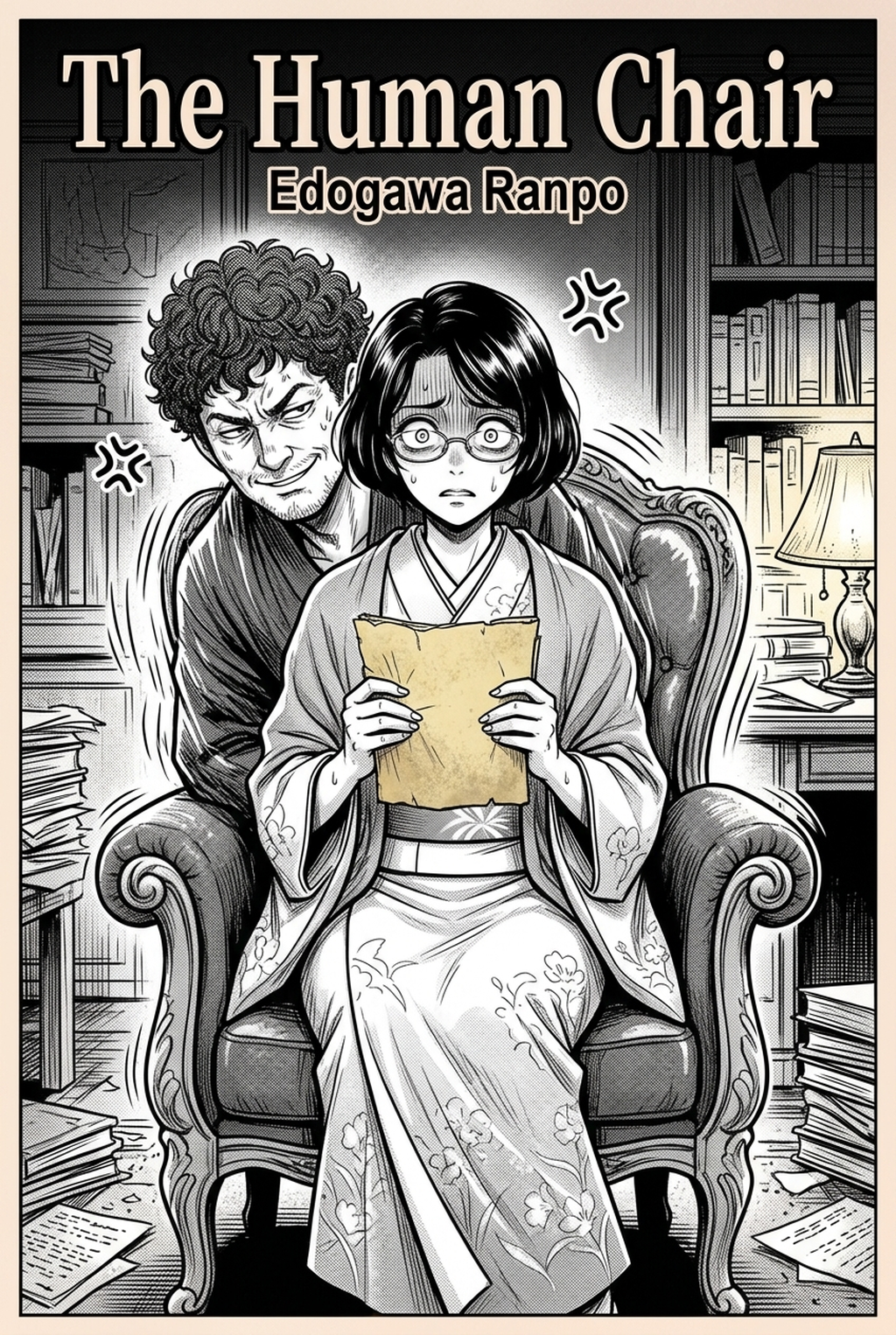
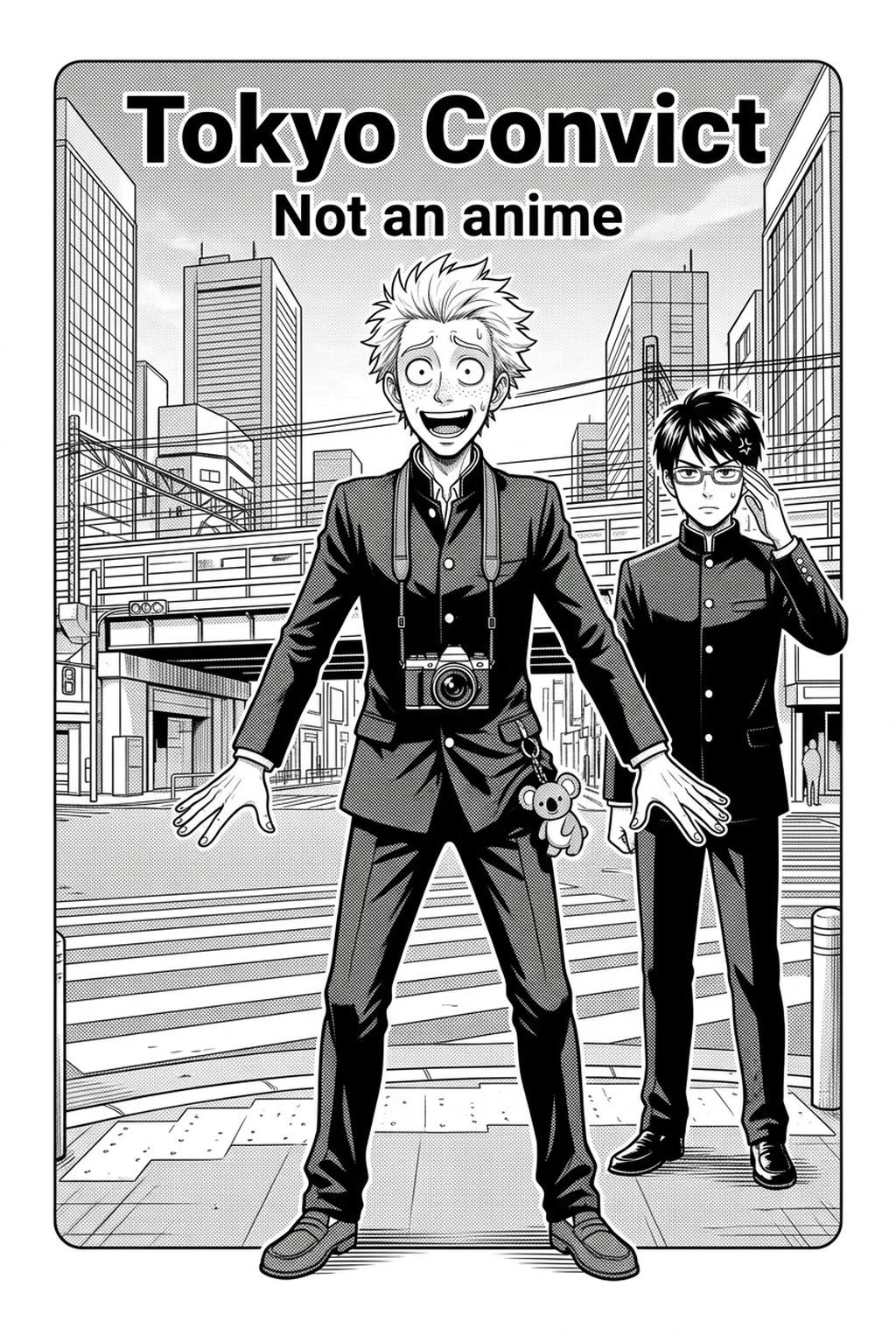
High-quality inking is defined by the strategic use of line weight variation to denote depth, texture, and light source. By mapping your focal points against the 'line of action,' you guide the reader’s eye across the page while ensuring that even the most cluttered battle sequence remains legible.
In Shonen-style production, creators often employ aggressive, high-contrast line weights to emphasize the physical force of impact, whereas Shojo-focused artists utilize lighter, flowing lines to capture emotional atmosphere. Attempting to replicate these professional standards manually without technical support often results in shaky lines or inconsistent character silhouettes that fail to hold up under high-resolution print standards.
Production Bottlenecks for Creators
Inking is historically the most time-consuming stage of manga production because it requires extreme precision to finalize pencil sketches without losing the artist's original intent. Many independent creators encounter a 'scaling wall' where the technical labor required to produce 16 to 24 finished pages per month exceeds their manual execution speed.
| Production Stage | Labor Intensity | Error Risk |
|---|---|---|
| Rough Sketching | Low | Compositional Drift |
| Manual Inking | Very High | Artist Fatigue |
| Tone Application | Moderate | Moiré Patterns |
When you reach this point of exhaustion, the quality of your panel work inevitably degrades as deadlines approach. This leads to line-weight drift, where your lead character looks significantly different between page 2 and page 20, breaking reader immersion and character consistency.
Leveraging Automated Precision
Mangaka analyzes the source context of a pencil sketch to vectorize or refine lines into professional-grade ink strokes automatically. By bypassing hours of digital pen stabilization, you can use these brush-mimicry algorithms to preserve your distinct hand-drawn aesthetic while eliminating the digital artifacts that typically plague raw, scanned pencil layouts.
The system maps pressure-sensitive data directly onto your raw sketches, ensuring that the 'line of action' remains the dominant visual element. Instead of spending six hours inking a single page, the software detects the underlying skeletal structure of your characters and applies thickness specifically where the physics of the scene demands it.
Algorithms designed for professional manga keep the 'human touch' of your original pencil work, meaning your specific style of hatching or line-tapering isn't smoothed into sterile, uniform vector curves. This is vital for creators who maintain a signature scratchy style or who rely on intricate cross-hatching to define shadow, as the tool treats those individual marks as essential compositional elements rather than noise to be removed.
Professional Use Cases
Clean pencil sketches—even rough ones—benefit from high-contrast scanning or photography at 600 DPI to ensure the AI detects the intended silhouettes correctly. To get the best results, you must group elements by depth; keeping background lines on separate layers from character outlines allows the software to calculate depth correctly, ensuring environmental textures don't overwhelm your protagonist.
Professional workflows suggest maintaining distinct layers for character sketches and environmental backgrounds, as systems perform best when the target objects are clearly identified. If you attempt to process a flat, unlayered scan, the software may struggle to differentiate between a character's arm and a background wall, leading to merged lines that require manual correction.
In action-heavy sequences with debris and kinetic lines, it is best to process the character as a primary object and the background environmental effects as a secondary pass. By isolating these layers, you ensure the AI applies the correct 'weight' to the character while keeping the environment secondary, maintaining a professional hierarchy of focus that keeps your page readable even when the action is chaotic.
Getting Started with Mangaka
If you are wondering about the transition to automated workflows, remember that these tools act as a force multiplier rather than a replacement for your artistic eye. This keeps the review focused on story intent, line weight, panel readability, and the export quality behind the final AI Manga Inker output.
- Q: Does AI inking replace the need for G-pen skills?
A: No, it acts as a force multiplier that automates technical execution, allowing artists to focus on composition and pacing over the physical repetition of inking long sequences.
- Q: Can AI handle complex screen tones and textures?
A: High-end inking tools like those found at manga inking with Mangaka specifically isolate line art from shading, allowing for separate, efficient application of complex tone patterns that would otherwise be destroyed by automated processing.
- Q: Is the output resolution suitable for print?
A: Yes, the conversion process generates sharp, high-DPI rasters or clean vectors ready for commercial publication, provided your source material is scanned at a minimum of 600 DPI.
- Q: Will this affect my unique art style?
A: The system relies on the underlying source context of your pencil sketches to interpret intent; it reproduces your specific line-tapering and hatching patterns rather than forcing a generic, uniform line style onto your art.
Creators should compare the generated line art with the original sketch and confirm that facial expressions, props, speed lines, and speech-bubble space still support the scene. A repeatable review pass should cover character consistency, panel readability, background clarity, and whether the final file is ready for coloring, lettering, or editor feedback.
The Bottom Line
AI Manga Inker workflow is the essential bridge between a raw, energetic idea and a reader-ready page; mastering it requires a balance of technical precision and efficient production tools. By automating the most repetitive aspects of the inking process, you protect yourself from burnout while ensuring your line-work meets the high standards of a serialized market. Visit manga inking to optimize your production workflow and finalize your sketches with professional, high-fidelity ink lines.
Related articles
Mastering Manga Inking for Fantasy Series: A 2026 Guide
Manga Inking Guide: How to Perfect Your Line Art in 2026
Best Manga Colorist Tools: AI vs. Manual Coloring Review