AI Manga Inker: Why Fantasy Inking Creates Production Bottlenecks
Fantasy manga creators frequently face 'background burnout' caused by the exhaustive labor required to ink repeating, ornate architectural elements by hand. This labor-intensive process drains time that would be better spent on the emotional nuance of facial expressions or the choreography of dynamic combat sequences.
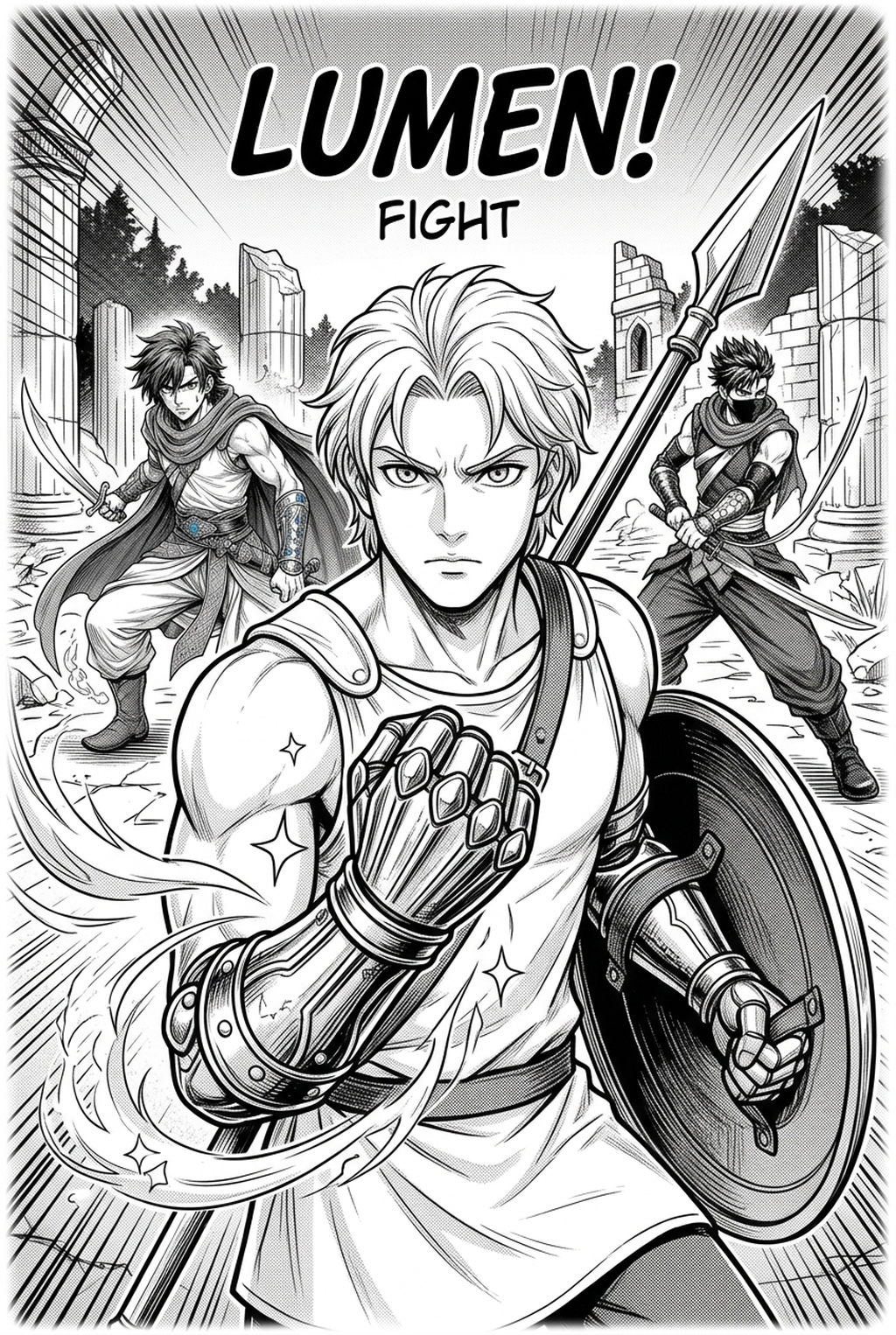
Maintaining anatomical accuracy while inking complex dynamic action poses in fantasy combat is a major bottleneck for solo artists. When you spend six hours on a single page of plate armor, the fatigue often leads to errors in shadow hatching, resulting in uneven lighting quality that is immediately apparent when the chapter is compiled for final output.
Shadow hatching requires precise, consistent application across multiple characters in a party to ensure the lighting source remains believable. When ink quality fluctuates, it forces a time-consuming review pass during the final cleanup stage, effectively doubling the time required for every page of the series.
How Mangaka Processes Your Rough Concepts
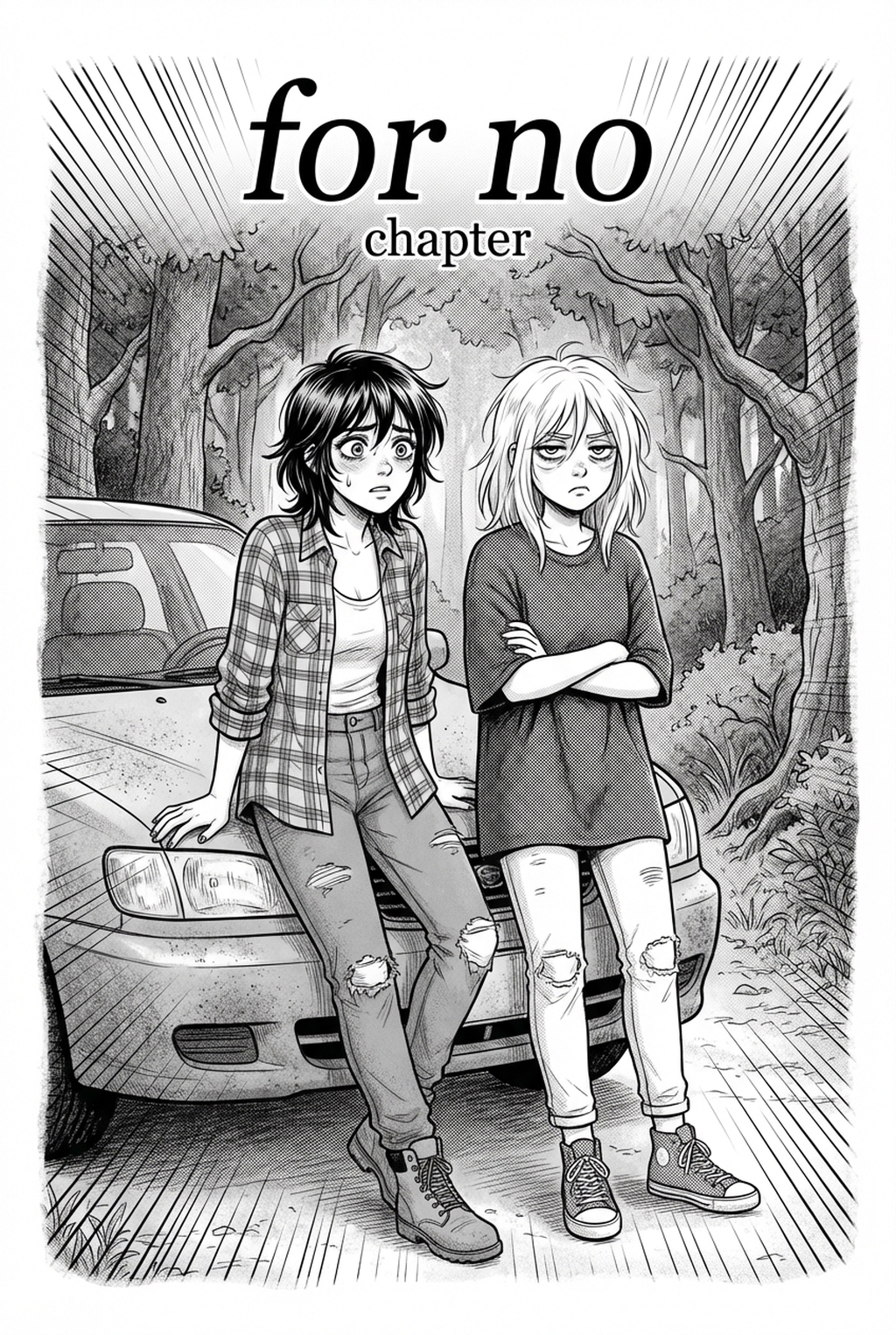
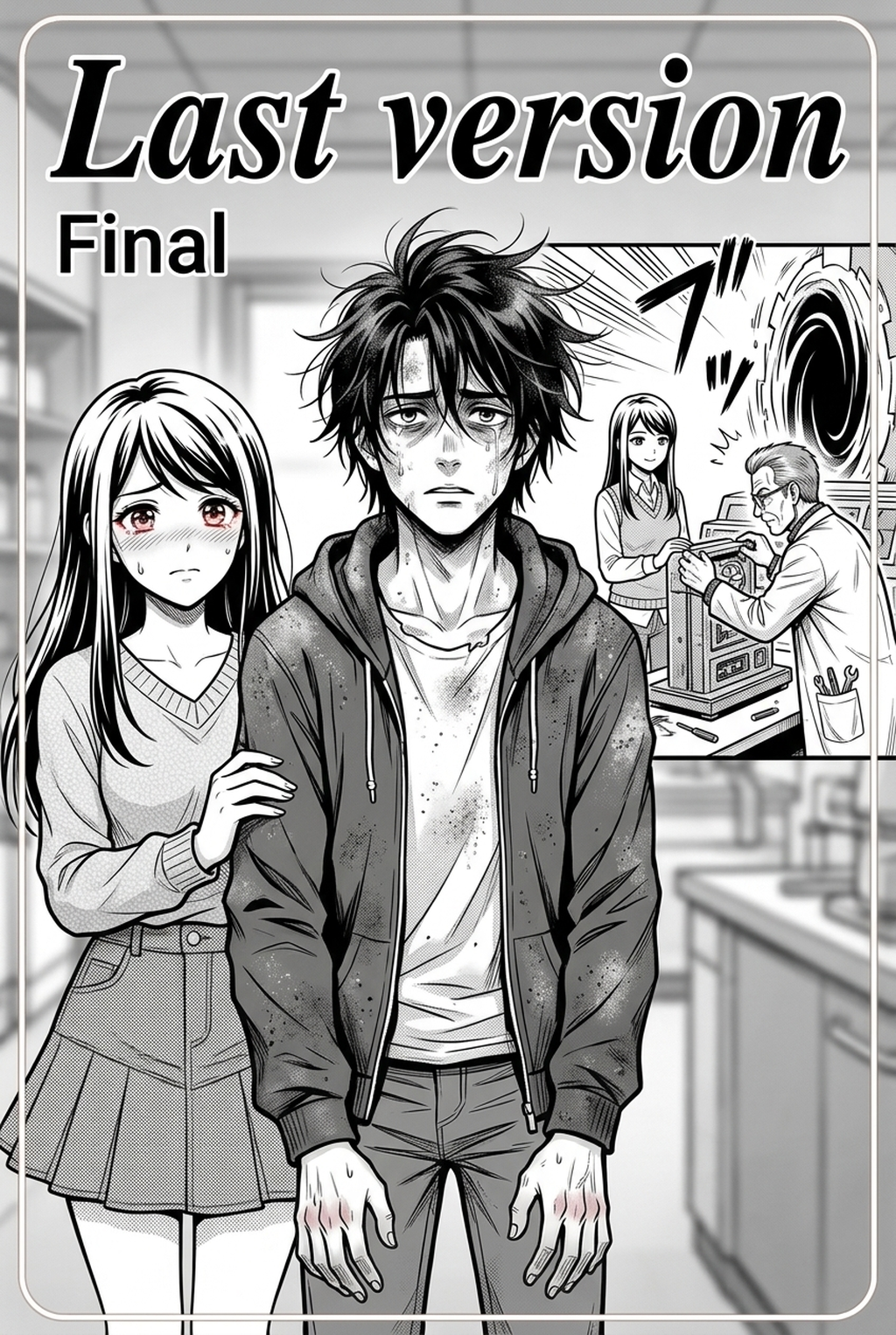
Mangaka bridges the gap between your initial pencil concepts and finished ink by interpreting your rough cross-hatching and converting them into clean, vector-based line art. This automated process excels at handling the repetitive mechanical burden of inking, allowing you to prioritize the narrative impact of each panel rather than the physical fatigue of tracing.
The tool utilizes 'source context' to ensure the final digital ink maintains your specific, unique touch-pressure signature. While it handles the heavy lifting for environmental textures, the system is designed to respect the artistic intent of your original pencil inputs, preventing the "robotic" look that characterizes inferior automated solutions.
By automating tasks like rendering scale-mail patterns or complex stone masonry, you reclaim the time necessary to refine the emotive facial acting of your protagonists. This production model is specifically tuned for the requirements of high-fantasy, where the sheer density of detail would normally be unsustainable for a single creator to finish on a monthly deadline.
Strategic Use Cases for Fantasy Creators
When you upload your high-resolution pencil drafts to the manga inking for fantasy series with Mangaka platform, the system initiates an auto-inking sequence tuned for fantasy line-weight requirements. This allows you to bypass the manual labor of tracing background geometry while keeping full control over the character foregrounds.
Scenario Fit and Creator Goals
Scenario Fit and Creator Goals. This is particularly useful for close-up shots of magical artifacts or unique character expressions, where you need to preserve the specific, hand-drawn look of a key emotional beat. Check character consistency, panel readability, line quality, and export readiness before publishing. Creators should also record why the page passed review, which panel details still need manual cleanup, and which export format the next collaborator will use. That makes the subsection useful instead of leaving a short checklist under a large heading.
Once the AI completes the inking, you can export your finished line art in standard industry delivery formats, including PSD or high-resolution PNG. These files are built to be compatible with industry-standard digital illustration software, ensuring that your final touch-ups, color-grading, and tone application occur in your preferred professional environment.
- Before Export. Creators should compare the generated line art with the original sketch and confirm that facial expressions, props, speed lines, and speech-bubble space still support the scene. A repeatable review pass should cover character consistency, panel readability, background clarity, and whether the final file is ready for coloring, lettering, or editor feedback. - For Longer Projects. Creators should save approved examples of line weight, face detail, clothing folds, and background density. Those references keep later chapters closer to the intended style. For collaboration, creators should mark which panels are final and which panels still need redraws. Clear status labels prevent an assistant, editor, or colorist from polishing the wrong version. - For Publishing. Creators should review the page at the actual reading size before export. Small screens expose crowded dialogue, weak silhouettes, and line details that looked fine while zoomed in. This keeps the review focused on story intent, line weight, panel readability, and the export quality behind the final AI Manga Inker output. - For Style Control. Creators should keep a short reference board beside the draft and compare hair shapes, eye details, costume folds, and texture choices before approving the final page. For revision planning, creators should separate art fixes from story fixes. Line cleanup, panel order, dialogue clarity, and character acting each need a different review question.
Creators should compare the generated line art with the original sketch and confirm that facial expressions, props, speed lines, and speech-bubble space still support the scene. This keeps the review focused on story intent, line weight, panel readability, and the export quality behind the final AI Manga Inker output.
Page Cases and Manga Genre Fit
A repeatable review pass should cover character consistency, panel readability, background clarity, and whether the final file is ready for coloring, lettering, or editor feedback. For longer projects, creators should save approved examples of line weight, face detail, clothing folds, and background density. Those references keep later chapters closer to the intended style. For collaboration, creators should mark which panels are final and which panels still need redraws. Clear status labels prevent an assistant, editor, or colorist from polishing the wrong version.
The Bottom Line
Successful production of fantasy titles is no longer gated by the sheer physical labor of inking thousands of panels by hand. By utilizing professional AI tools, you can scale your creative output while maintaining high-end aesthetic standards that keep readers engaged. manga inking for fantasy series and reclaim the time needed to focus on the narrative heart of your series.
Related articles
Manga Inking Guide: How to Perfect Your Line Art in 2026
Best Manga Colorist Tools: AI vs. Manual Coloring Review
What Is 4-Koma Manga? A Beginner’s Guide to 2026 Strip