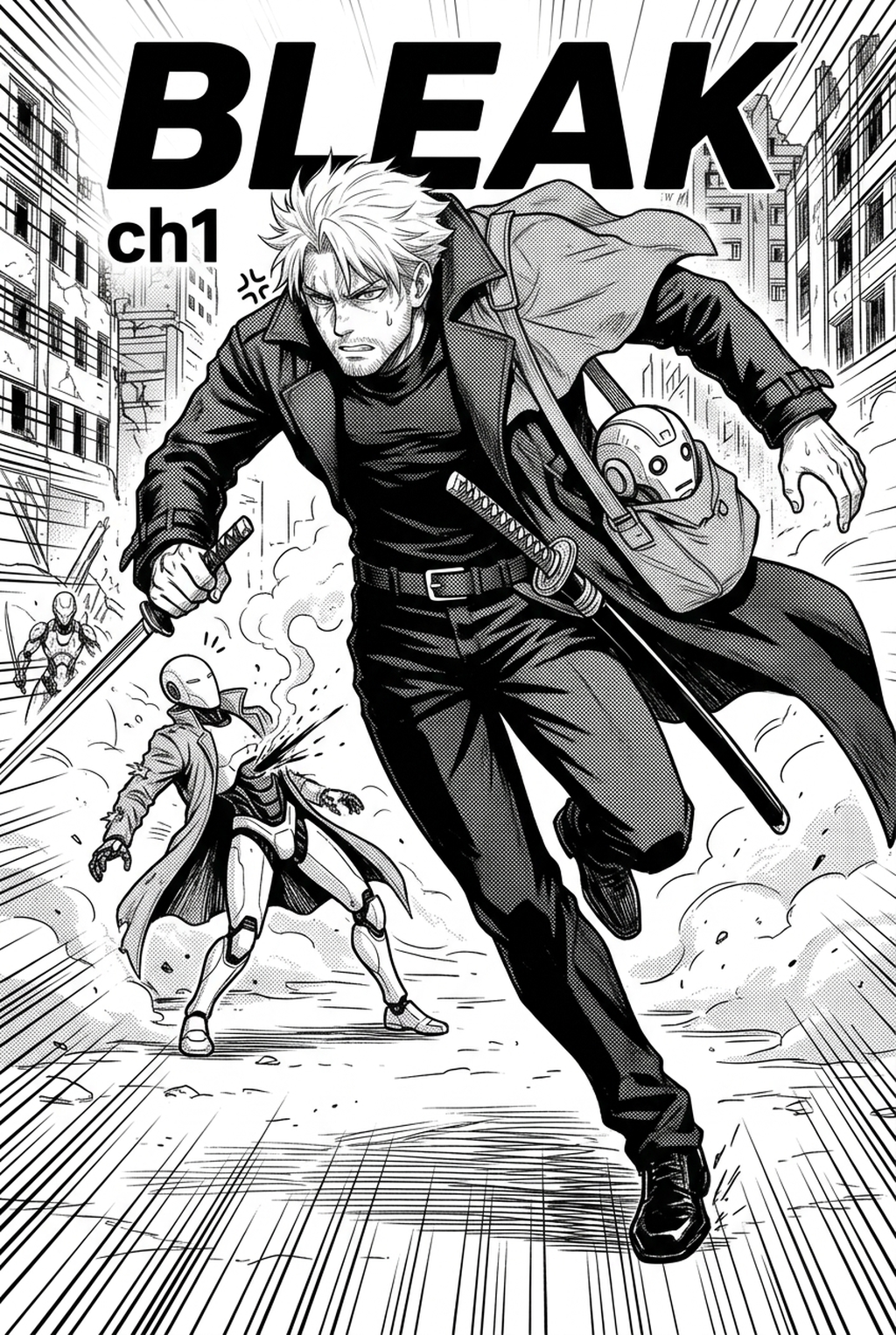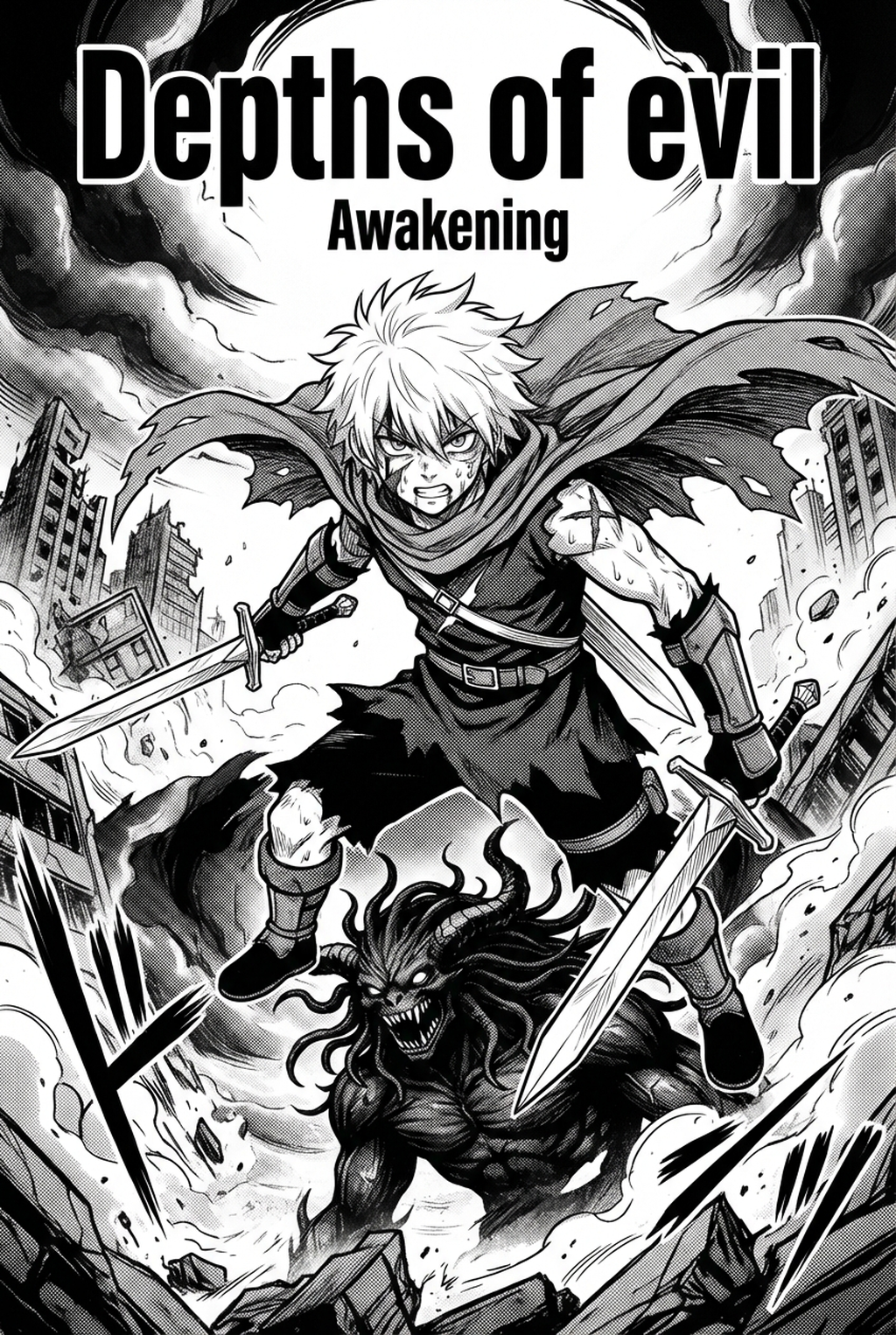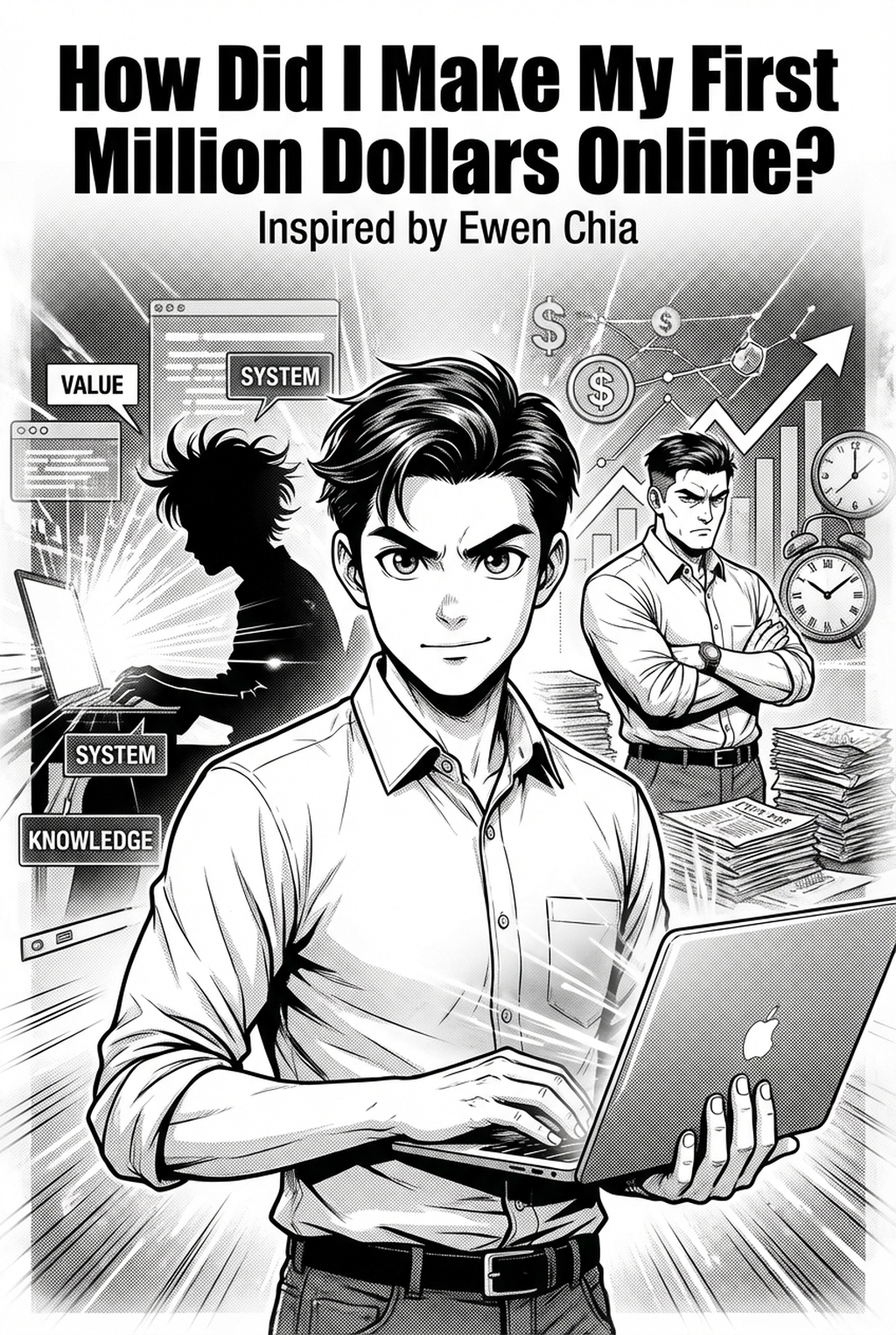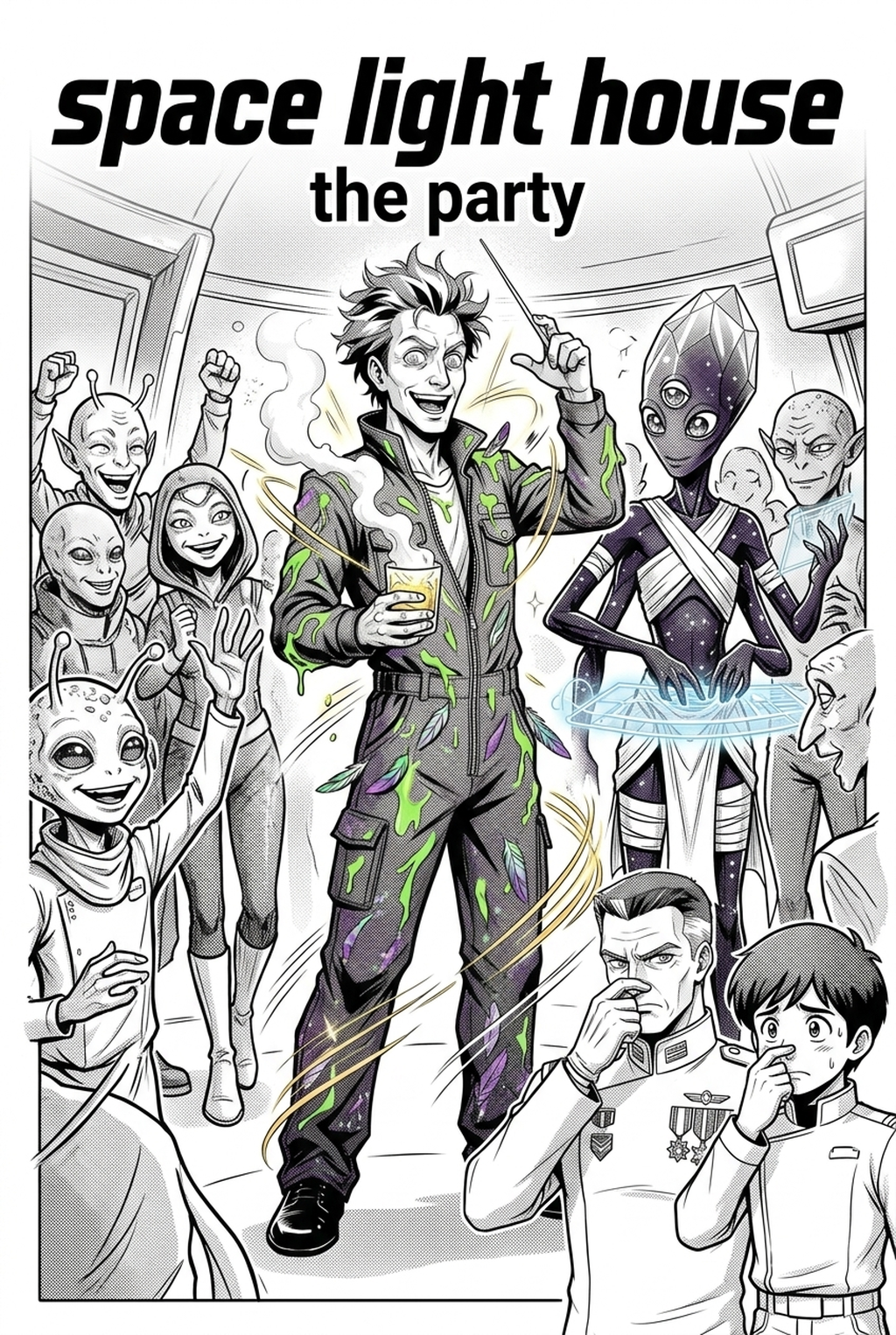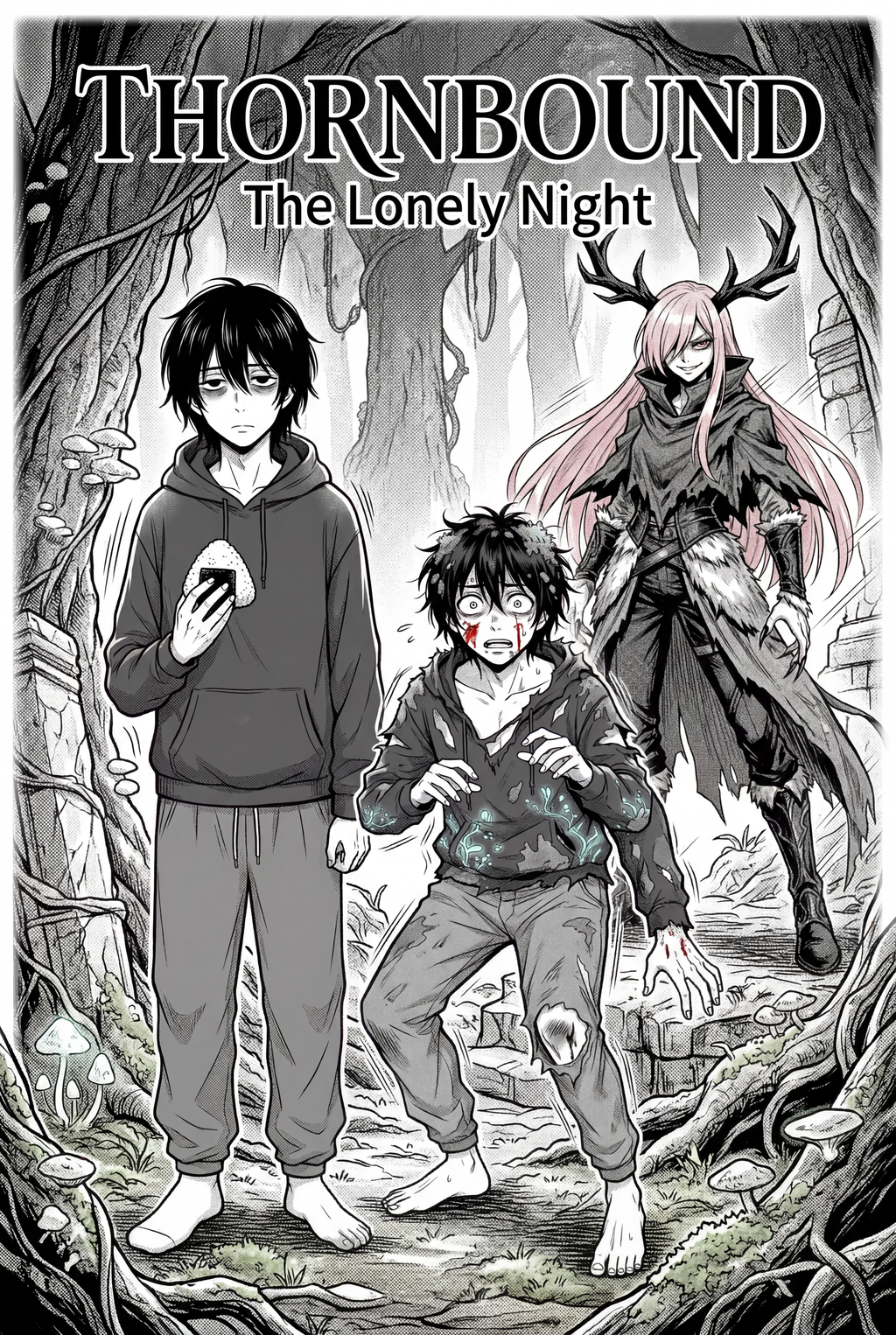
Comparison of Color Application Methods
| Evaluation Criteria | Manual Studio Coloring | Photoshop/Clip Plugins | AI Manga Colorist (Mangaka) |
|---|---|---|---|
| Workflow Speed | Very Slow | Moderate | Instant/Automated |
| Line-Work Preservation | Excellent | Variable | High (Smart Masking) |
| Customization Control | Total | Moderate | Partial (PSD-layer output) |
| Cost | High (Labor/Time) | Low/Mid | Efficient/Subscription |
Creators selecting a professional workflow must weigh the immediate labor cost against the final aesthetic impact. Manual coloring, while offering unlimited creative freedom, often creates a bottleneck that prevents consistent weekly serialization. Conversely, relying purely on automated scripts without a "review owner" layer often results in shading drift, where character skin tones or outfit highlights shift significantly across consecutive panels.
Successful tool integration hinges on three distinct pillars: resolution handling, masking sophistication, and export flexibility. A tool that fails to maintain 300+ DPI output during color application creates an unprintable file that forces the creator to backtrack and redo the entire process. Furthermore, the capacity to treat 'inking terminology' like screen tones as distinct objects—rather than flat pixels—is what separates professional-grade tools from generic consumer software.
The 'delivery format' requirements define your hardware and software overhead. High-res vertical comic platforms demand vibrant color profiles and responsive layer structures, while print-ready manga mandates strict attention to CMYK conversion and ink coverage ratios. A tool that provides only flattened JPEGs is fundamentally unsuitable for long-form publishing workflows where character consistency must be locked in from the first page to the final cliffhanger.
Why AI Manga Colorist Matters for Manga Creators
Professional-grade tools must act as a seamless extension of the creator's intent, ensuring the 'source context' of the black-and-white art remains the dominant visual feature. When color is applied, it should elevate the existing inking rather than obscuring it, maintaining the original texture of pen-and-ink drawings across every frame.
The 'review owner' workflow is the most critical safeguard in a production environment. By maintaining ultimate control over the color values through layered file structures, artists ensure that a character's signature look remains stable even as lighting conditions change within the narrative. If the tool obscures your original line work through aggressive blurring, the stylistic identity of your manga is permanently compromised.
Compatibility with the final 'delivery format' ensures your work translates from digital panels to physical print without alignment errors or pixelation. A truly professional colorist tool must generate output that respects the nuances of the artist's original vision, providing the technical reliability required for high-resolution serialization.
How Manga Colorist Works with Mangaka
Mangaka utilizes a specialized recognition engine to handle 'screen tone detection,' ensuring the AI ignores traditional cross-hatching patterns while filling in flat areas. This specific capability prevents the common failure mode where digital color bleeds over the textures that provide your art with its depth and grit.
Precision Through Smart Masking. When you input a B&W page, the system creates a mask layer that respects the boundaries of your original ink lines. By utilizing the AI AI Manga Colorist workflow workflow with Mangaka , you automate the base-color pass while retaining the ability to modify specific color values post-generation, ensuring that your final export aligns perfectly with your existing color palette sheets.
- Panel-to-Panel Continuity: To avoid shading drift in recurring outfits, apply color references consistently across the character model before the generation process begins. * Tone Detection Logic: Because the tool isolates screentones, you can apply vibrant color underneath your grayscale patterns to achieve a high-end look without losing the manga aesthetic. * PSD-Layer Compatibility: Always export as a layered source file to allow for manual hue/saturation shifts during your final review phase.
Use Cases for AI Manga Colorist
For high-volume creators managing 30-page monthly deadlines, manual coloring is often a structural failure waiting to happen. The ideal choice is to utilize a collaborative AI 'co-pilot' that handles the most repetitive, time-consuming tasks—such as blocking in base colors—while reserving the creator's time for stylistic fine-tuning and character highlights.
Balancing Intervention and Automation. Professional studios frequently employ a hybrid approach to maintain quality while accelerating the schedule. For a 20-page chapter, a colorist using manga colorist might spend two hours on the initial generation and another three hours on character-specific detail and lighting corrections, as opposed to twelve hours of manual flatting. This represents a significant reduction in physical labor that directly increases the sustainability of a long-form series.
How to Get Started with Mangaka
You can integrate AI assistance without ever overwriting your physical or digital ink layers. Smart masking technology treats your linework as a protected boundary, ensuring the original aesthetic of your art is preserved while the color layer is populated. Creators often ask about print readiness, and the answer lies in the output resolution. By confirming that your AI tool supports 300+ DPI, you ensure that the files sent to your publisher or printer remain crisp and free of compression artifacts. If you find the initial output doesn't match your exact color key, simply adjust the values within the exported PSD to match your desired mood.
The Bottom Line
Automated coloring is no longer a trade-off for creative quality; it is a vital necessity for maintaining a sustainable and professional production schedule in 2026. By bridging the gap between artistic vision and technical speed, Mangaka keeps your unique inking intact while eliminating the most repetitive hurdles of the page-coloring process. Visit manga colorist to see how your current pages translate into full-color chapters today.
Related articles
What Is 4-Koma Manga? A Beginner’s Guide to 2026 Strip
Mastering Manga Background Settings for 2026
Best Manga Colorist AI: Top Tools for Mangaka in 2026