What Is Character Design?
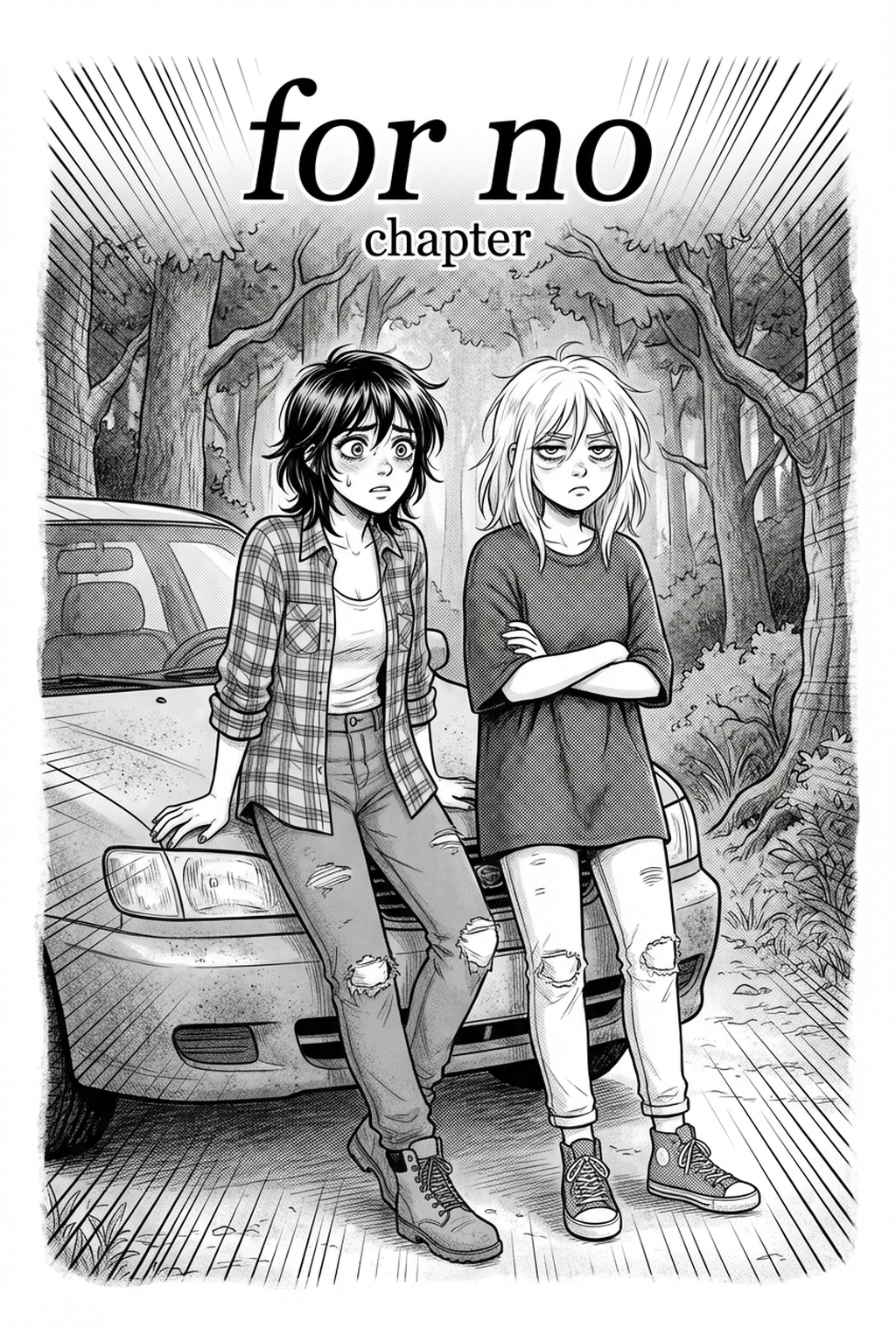
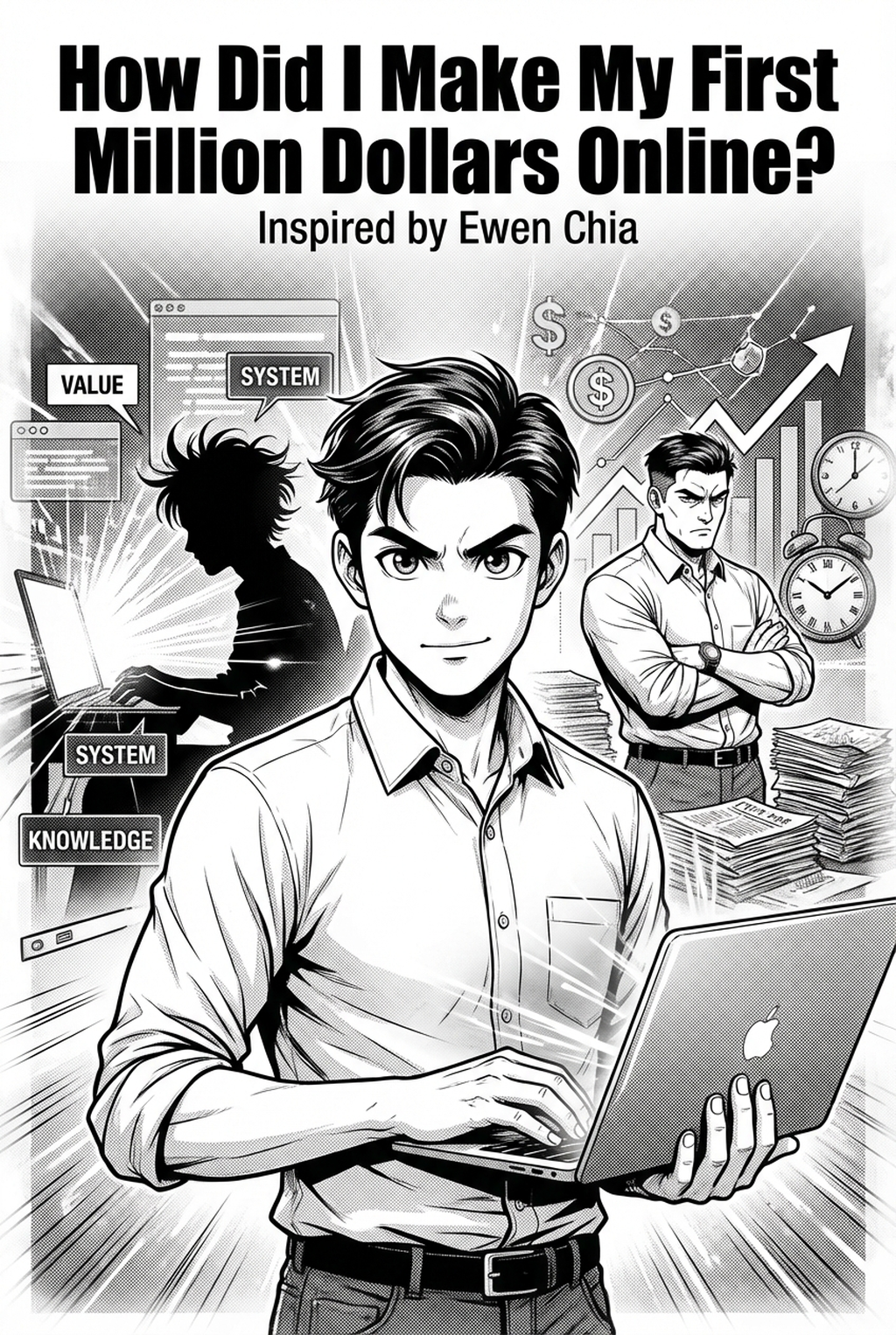
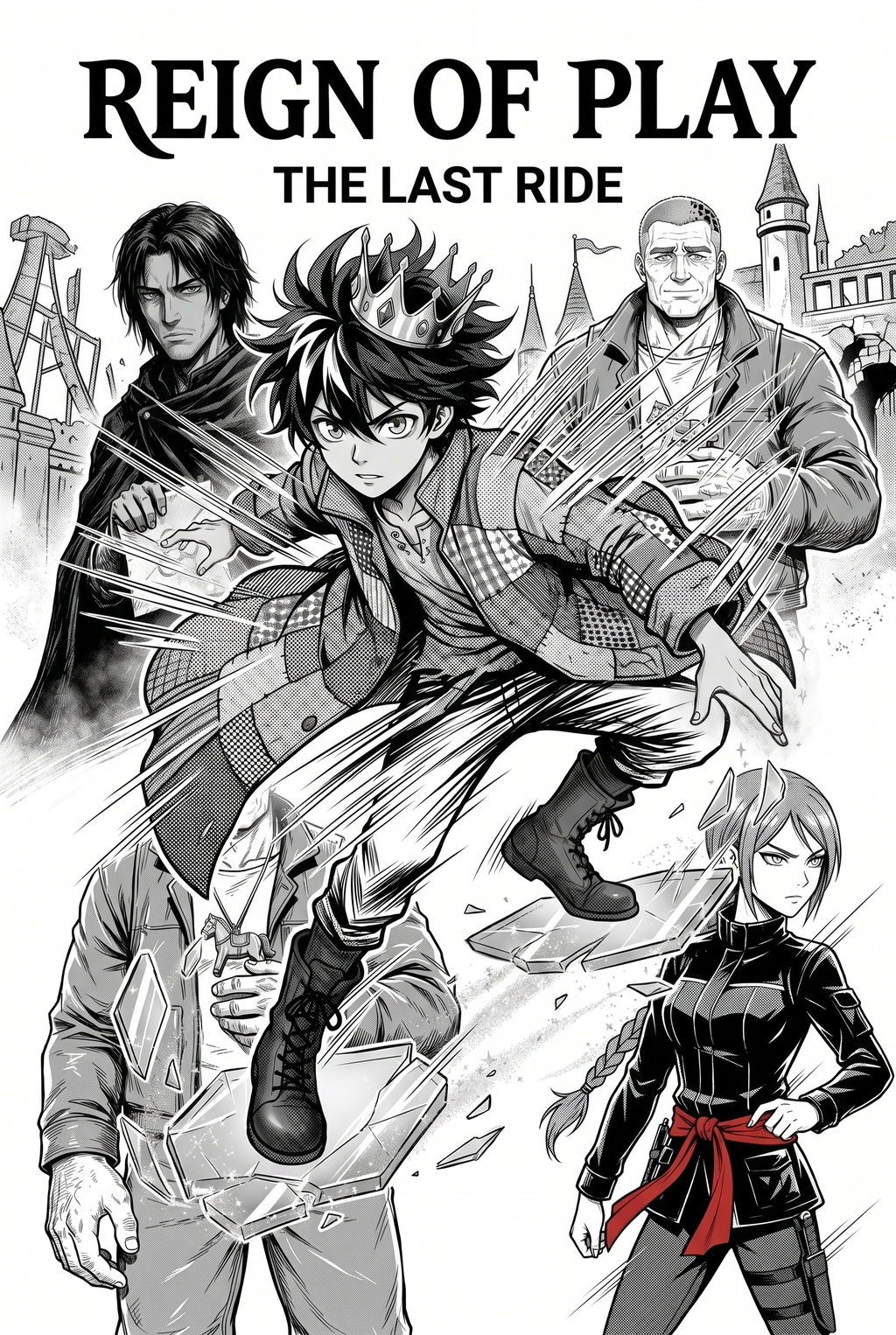
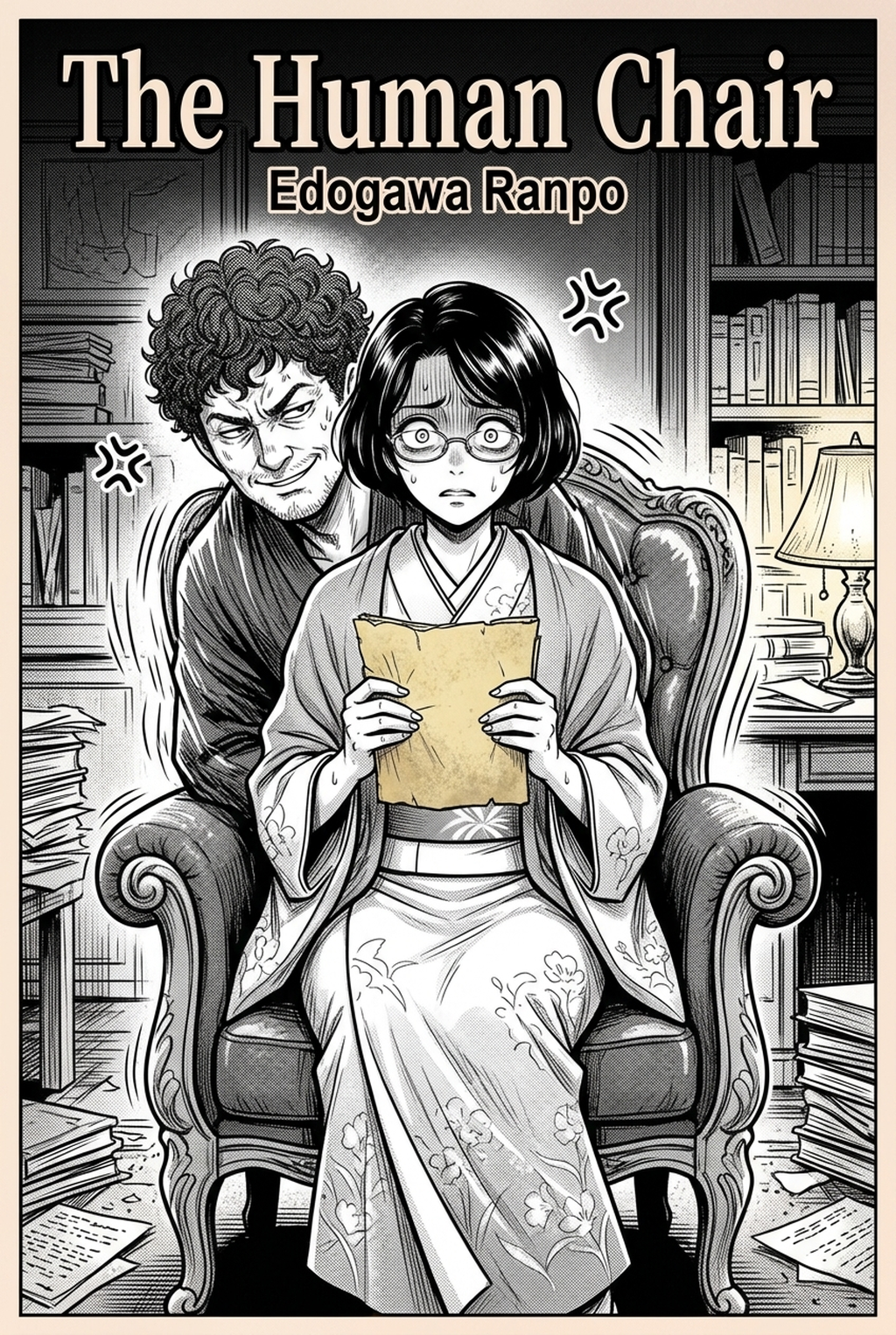
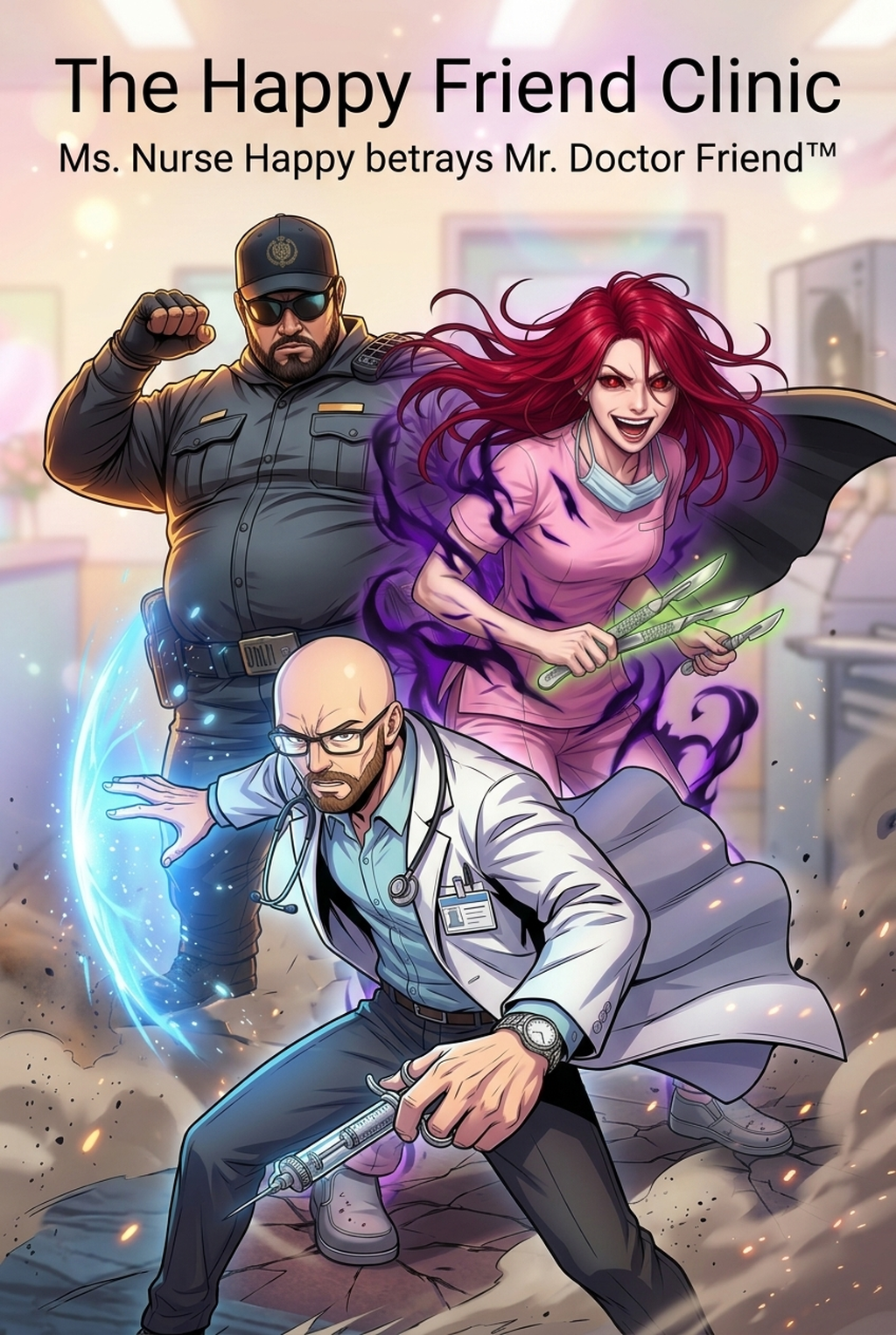
Character design functions as a rigorous technical blueprint that balances narrative personality with the mechanical requirements of panel-to-panel reproduction. It is not merely about aesthetic flair; it is about building a visual icon that survives low-detail background transitions and frantic, high-action combat sequences.
An effective character silhouette must remain immediately recognizable even when rendered as a flat black shape. By focusing on exaggerated hair shapes or distinct, non-standard gear, you create a "visual anchor" that persists even when your page layout is crowded with speed lines or complex architectural detail.
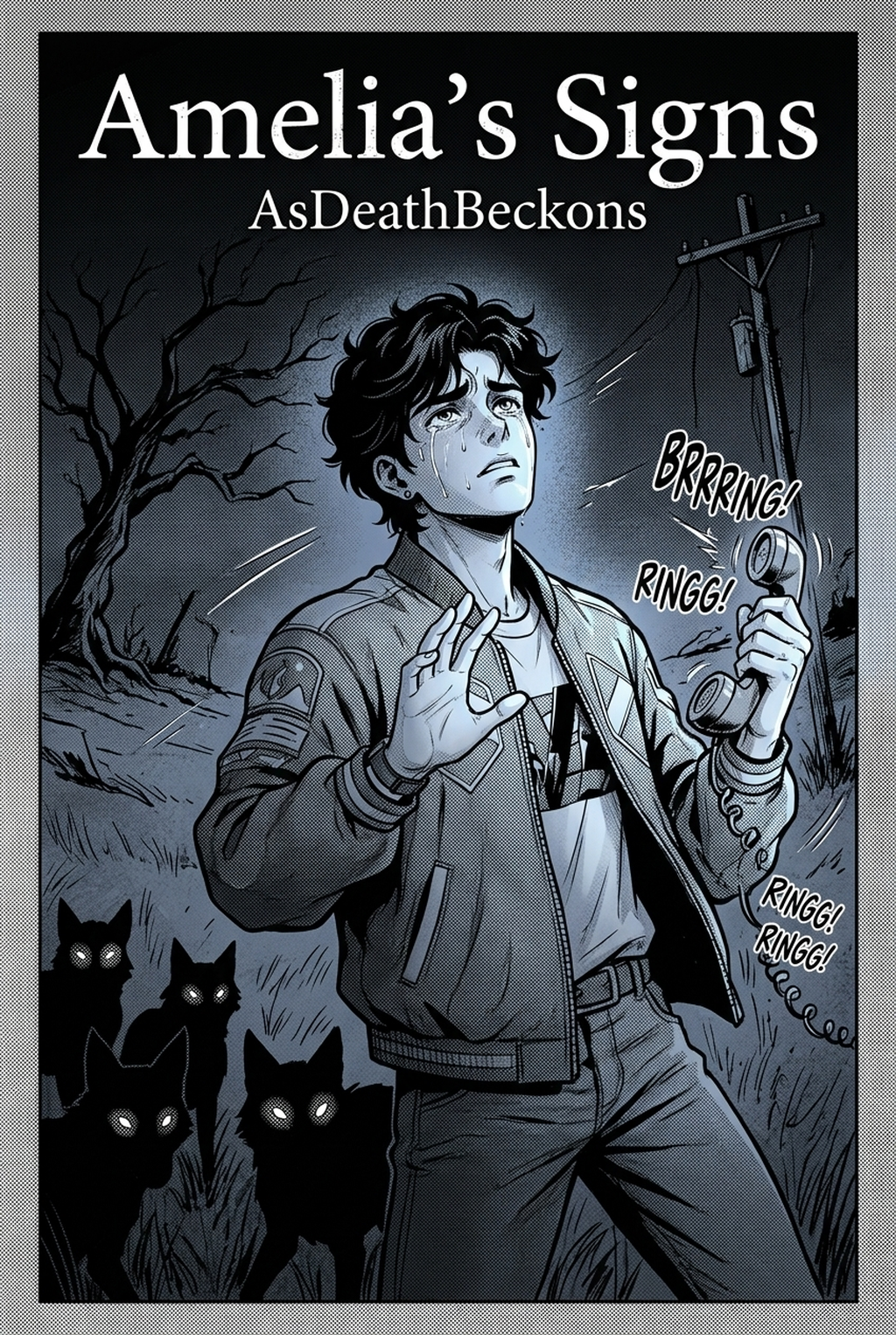
Color psychology and expression ranges are the secondary levers used to define personality. A Seinen protagonist might utilize a muted, desaturated palette to signal a grounded or somber tone, while their expression set must include at least three distinct states—relaxed, battle-ready, and exhausted—to anchor them within the wider narrative arc of the volume.
Why AI Manga Character Designer Matters for Manga Creators
Maintaining AI Manga Character Designer workflow integrity across a high-volume serial is a logistical nightmare that frequently stalls momentum and burns out artists. When a creator spends more time checking if a character’s proportions match their previous appearance than they do on actual paneling, the workflow becomes unsustainable and the creative vision loses its spark.
Consistency demands a strict adherence to model sheets that dictate precise measurements for every feature, from the placement of facial markings to the specific texture of armor plating. Without these defined references, the subtle changes in line weight during the inking phase will inevitably lead to an uneven, unprofessional look in the final printed output.
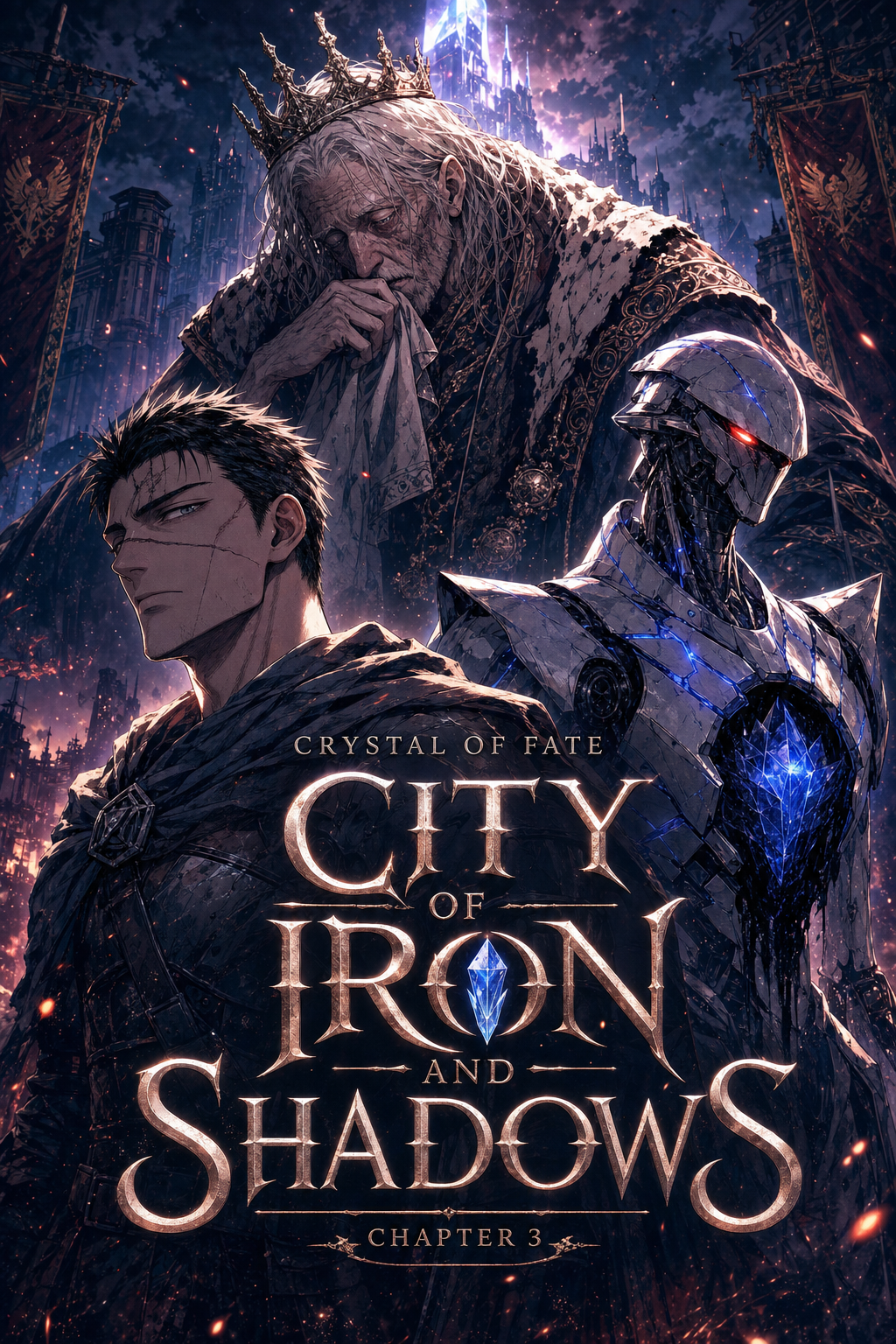
Many artists underestimate the time cost of manual character sheet creation, often forgetting that every hour spent redrawing a hero for a new chapter is an hour lost on storytelling. Even in dark, shaded Seinen works, the precision of a character’s costume detail must be maintained; failing to do so creates a visual disconnect that viewers spot instantly, turning a narrative asset into a recurring distraction.
How Character Design Works with Mangaka
Mangaka acts as a professional assistant that translates text-based personality and physical descriptions into reliable visual files, effectively offloading the repetitive labor of sheet creation. By leveraging the software's ability to lock in traits, you can ensure that an eye shape or a garment style remains stable across hundreds of panels, preventing the common "proportion drift" seen in solo projects.
The software allows you to generate a comprehensive "source context" file containing front, 3/4, side, and back views of your hero. By utilizing these as your primary reference, you create a standard "delivery format" for your assets that keeps the visual style uniform from the first storyboard sketch to the final exported PSD file.
You can import these AI-generated anchors directly into your existing drawing software, using them as high-fidelity guides during your cleanup and inking process. By visiting character design you can establish a baseline that ensures your hero doesn't just look like a drawing, but like a cohesive character designed for long-term survival in your specific genre.
Use Cases for AI Manga Character Designer
Success in this field relies on "character mapping," where specific internal traits are intentionally woven into physical features to guarantee the design feels native to your chosen genre. For instance, a Shonen character designed for agility needs physical indicators—like minimal armor or streamlined hair—that tell the reader exactly how they move without needing a single word of exposition.
Before You Commit to a Full Page Layout. You must develop a standardized delivery format for your hero assets. This includes:
- Turnaround Sheets: Definitive reference files showing character views from every angle. * Expression Sets: A dedicated bank of facial variations to handle diverse narrative moods. * Costume Sheets: Detailed callouts for specific clothing textures and accessory placements.
Use the platform to iterate through variations of a character, keeping only the strongest "seed" designs that maintain the required level of visual continuity. By treating these refined outputs as your primary templates, you move away from tedious manual guessing and toward a professional, industrial-grade production standard that keeps your story moving forward.
How to Get Started with Mangaka
Many creators wonder if integrating these automated tools will sacrifice the soul of their hand-drawn style. It is important to remember that this technology is a digital tool, comparable to moving from dip pens to high-end tablets; it handles the heavy, repetitive lifting so your own artistic choices—your unique line weight and paneling—can take center stage.
To keep your characters looking consistent, focus on creating deep creative brief anchors that specify secondary details like ear shape or specific jewelry that often gets lost in manual drawings. When you anchor these small details in your source context files, the system enforces those parameters, allowing you to focus on the expressive energy of the scene rather than verifying if the character's ear is the right shape.
Integrating the output into your workflow is simple; you export your consistent characters as high-resolution assets that import cleanly into your primary drawing software. By maintaining this clean bridge between your AI-aided design phase and your manual inking phase, you eliminate the friction that leads to inconsistent line quality or smudged composition in your final panels.
The Bottom Line
creator workflow is the essential backbone of any successful manga project, but it no longer requires the grueling, manual time investment that has traditionally led to burnout. By leveraging the consistency provided by character design , you can solve your visual continuity issues early, allowing you to focus on the narrative heart of your story rather than the labor of recreating the same face hundreds of times.
Related articles
Mastering Manga Character Design: A Guide for 2026
Manga Background Design: A Modern Guide for 2026
Mastering Manga Character Design: A Guide for Indie Artists